

Motmot

アンチルハリオアマツバメ 対 コクロアカウソ

Chaetura martinica 対 Loxigilla noctis

アンチルハリオアマツバメとコクロアカウソのクイズ
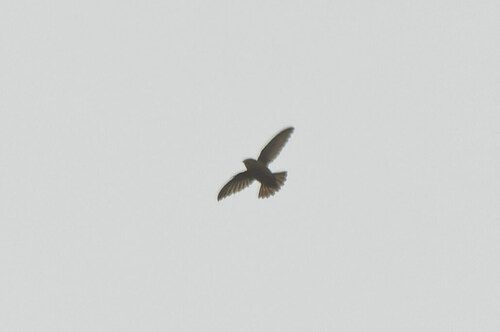
アンチルハリオアマツバメ (Chaetura martinica) アンチルハリオアマツバメ
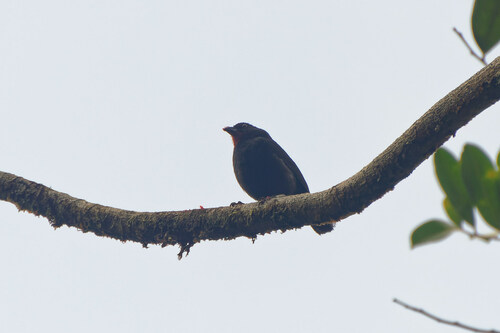
コクロアカウソ (Loxigilla noctis) コクロアカウソ

メディア

読み込み中…

要点

アンチルハリオアマツバメとコクロアカウソを区別する最も信頼できる方法は、全体的な構造と飛行スタイルによるものです:スウィフトは速く飛ぶ、鎌型の翼を持つ空中の鳥で、四角い尾を持っています。一方、ブルフィンチは厚いくちばしを持つ止まり木に止まる歌鳥で、より慎重な動きをします。若いスウィフトは一部の翼の羽毛に白い先端を示すことがありますが、これはブルフィンチには見られません。成鳥のブルフィンチは性別二形性があり、オスは黒い羽毛と赤または赤褐色のアクセントを示し、スウィフトは上面が均一に暗褐色で、灰色の尾羽帯を持ち、赤または赤褐色はありません。止まっているのが見られた場合、ブルフィンチの重いくちばしと直立した姿勢は明確です;スウィフトはほとんど開けた場所で止まっているのは見られません。サイズの重複は最小限ですが、ブルフィンチはよりがっしりとしていて長いです。両種は同じ島に生息しているため、文脈だけでは不十分です。

識別のコツ

  1. Juvenile swift wing tips: 若いLesser Antillean Swiftsの一部の翼の羽毛に白い先端を探してください;これはブルフィンチのどの年齢でも存在しません。
  2. Flight style: スウィフトはほとんど常に、硬い鎌型の翼と四角い尾を持つ迅速で敏捷な飛行で見られます;ブルフィンチは短く波打つような飛行をし、頻繁に止まります。
  3. Bill shape: スウィフトは小さく目立たないくちばしを持っています;ブルフィンチは厚く円錐形のくちばしを持ち、止まっているときには遠くからでも明らかです。
  4. Tail shape: スウィフトは体を超えてあまり伸びない短い四角い尾を持っています;ブルフィンチの尾はより長く、丸みを帯びています。
  5. Sexual dimorphism: ブルフィンチは性別二形性があり、オスは主に黒で赤または赤褐色のアクセントを持ち、メスは温かみのある茶色で錆色と灰色のトーンを持っています;スウィフトには性差はありません。
  6. Plumage color: スウィフトは上面が均一な黒褐色で、狭い灰色の尾羽帯と茶色の腹部を持っています;ブルフィンチは性別と亜種によって赤褐色または黒の羽毛を示し、赤褐色または赤のアクセントがあります。
  7. Rump band: スウィフトの狭い灰色の尾羽帯はユニークで、良い光の中で見ることができます;ブルフィンチは対照的な尾を示すことはありません。
  8. Perched posture: スウィフトはほとんど開けた場所で止まっているのは見られません;もし枝の上に直立している鳥を見た場合、特に厚いくちばしを持っているなら、それはほぼ確実にブルフィンチです。
  9. Wing shape: スウィフトは先端でフック状になる長く膨らんだ翼を持っています;ブルフィンチの翼はより短く、丸みを帯びています。
  10. Group size: スウィフトはしばしば20〜40羽の大きな群れで餌を探し、時にはツバメと混ざります;ブルフィンチは通常、単独またはペアで見られます。
  11. Underparts: スウィフトの腹部は茶色で、喉はより明るいです;ブルフィンチの腹部は灰色がかった(メス)または黒(オス)で、多くの亜種では錆色の尾羽の覆いがあります。
  12. Supercilium and throat patch: オスのブルフィンチは赤または赤褐色のスーペリシリウムと喉の斑点を示すことがありますが、スウィフトにはありません。
  13. Leg color: 両者ともに暗い脚を持ち、分離のための強いフィールドマークではありません。
  14. Habitat context: スウィフトは開けた空間で見られ、ブルフィンチは低木や木の中にいます;文脈は役立ちますが、確実ではありません。
  15. Size impression: ブルフィンチはスウィフトよりもがっしりとしていて長い体を持ち、スウィフトは飛行中に細く流線型に見えます。

大きさ

コクロアカウソはスウィフトよりも明らかに大きく、重いです:ブルフィンチは長さ14〜15.5 cm、質量18.4 gの平均で、スウィフトは10.5〜11 cmで平均12.7 gです。ブルフィンチは特に止まっているときにがっしりとしていて、より頑丈に見えます。スウィフトは飛行中に細く流線型に見え、体のサイズに対して相対的に長い翼を持っています。体重にはいくつかの重複がありますが、体の形状と長さの違いは通常、現場で明確です。

羽色

若いLesser Antillean Swiftsは一部の翼の羽毛に白い先端があることで区別できますが、これはブルフィンチのどの年齢でも存在しません。成鳥のスウィフトは上面が均一な黒褐色で、狭い灰色の尾羽帯、茶色の腹部、より明るい喉を持ち、性別は似ています。対照的に、成鳥のブルフィンチは性別二形性があります:オスは主に黒で赤またはオレンジ色の喉とスーペリシリウム(亜種によって異なる)を持ち、メスは温かみのある茶色で、眉、翼、尾に錆色のトーンを持っています。ブルフィンチの翼は茶色で、より大きな覆い羽の端に錆色の縁があります。また、彼らの腹部は灰色がかっていて、錆色の尾羽の覆いがあります。スウィフトには赤褐色、錆色、または赤の色合いは見られません。スウィフトの尾は短く四角いですが、ブルフィンチの尾は相対的に長く、より丸みを帯びています。スウィフトはブルフィンチの重い円錐形のくちばしを持っていません。

行動

Lesser Antillean Swiftsはほとんど常に飛行中に見られ、しばしば20〜40羽の群れで、時にはツバメと混ざります。彼らは空中で昆虫を食べ、開けた場所で止まることはほとんどありません。彼らの飛行は迅速で、硬い鎌型の翼と独特の不規則な動きがあります。対照的に、ブルフィンチは通常、止まっているか、植生の中を移動しているのが見られ、種子、果物、または昆虫を食べます。彼らの飛行は短く波打つようで、大きな空中の群れに参加することはほとんどありません。ブルフィンチの行動は、止まり木に止まる歌鳥の典型的なもので、しばしば単独またはペアで餌を探します。

生息環境

両種は同じ島に生息しているため、範囲は診断的ではありません。スウィフトは森林、野原、または町の上の開けた空間で最もよく見られ、ブルフィンチは低木の多い地域、庭、森林の端を好み、止まって餌を探すことができます。スウィフトは地面や密な植生の中で見られることはほとんどなく、ブルフィンチとは異なります。

より良い説明を送る

比較と同じ項目を使ってください。文章はすぐに公開されます。

The most reliable way to separate Lesser Antillean Swift from Lesser Antillean Bullfinch is by overall structure and flight style: the swift is a fast-flying, sickle-winged aerialist with a square tail, while the bullfinch is a perching songbird with a thick bill and more deliberate movements. Juvenile swifts can show white tips on some wing feathers, a mark never seen on bullfinch. Adult bullfinches are sexually dimorphic, with males showing black plumage and red or rufous accents, while swifts are uniformly dark brown above with a gray rump band and lack any red or rufous. If seen perched, the bullfinch’s heavy bill and upright stance are unmistakable; swifts are almost never seen perched in the open. Size overlap is minimal, but bullfinch is bulkier and longer. Both species occur on the same islands, so context alone is not enough.

  1. Juvenile swift wing tips: Look for white tips on some wing feathers in juvenile Lesser Antillean Swifts; this is never present in bullfinch of any age.
  2. Flight style: Swifts are almost always seen in rapid, agile flight with stiff, sickle-shaped wings and a square tail; bullfinches fly in short, undulating bursts and perch frequently.
  3. Bill shape: Swifts have a tiny, inconspicuous bill; bullfinches have a thick, conical bill that is obvious even at a distance when perched.
  4. Tail shape: Swifts have a short, square tail that does not extend far beyond the body; bullfinch tails are longer and more rounded.
  5. Sexual dimorphism: Bullfinches are sexually dimorphic—males are mostly black with red or rufous accents, females are warm brown with rusty and gray tones; swifts show no sex differences.
  6. Plumage color: Swifts are uniform black-brown above with a narrow gray rump band and brown underparts; bullfinches show warm brown or black plumage with rufous or red accents depending on sex and subspecies.
  7. Rump band: The swift’s narrow gray rump band is unique and visible in good light; bullfinches never show a contrasting rump.
  8. Perched posture: Swifts are rarely seen perched in the open; if you see a bird sitting upright on a branch, especially with a thick bill, it is almost certainly a bullfinch.
  9. Wing shape: Swifts have long, bulging wings that hook at the end; bullfinch wings are shorter and more rounded.
  10. Group size: Swifts often forage in large flocks, sometimes with swallows; bullfinches are usually solitary or in pairs.
  11. Underparts: Swift underparts are brown with a paler throat; bullfinch underparts are grayish (female) or black (male), with rusty undertail coverts in many subspecies.
  12. Supercilium and throat patch: Male bullfinches may show a red or rufous supercilium and throat patch, absent in swifts.
  13. Leg color: Both have dark legs, not a strong field mark for separation.
  14. Habitat context: Swifts are seen in open airspace, bullfinches in shrubs and trees; context can help but is not foolproof.
  15. Size impression: Bullfinches are bulkier and longer-bodied than swifts, which appear slender and streamlined in flight.

Lesser Antillean Bullfinch is noticeably larger and heavier than the swift: bullfinch averages 14–15.5 cm in length and 18.4 g in mass, while the swift is 10.5–11 cm and averages 12.7 g. The bullfinch appears stockier and more robust, especially when perched. Swifts look slender and streamlined in flight, with proportionally longer wings compared to body size. While there is some overlap in weight, the difference in body shape and length is usually clear in the field.

Juvenile Lesser Antillean Swifts can be told by white tips on some wing feathers, a feature never present in bullfinch of any age. Adult swifts are uniform black-brown above with a narrow gray rump band, brown underparts, and a paler throat; sexes are alike. In contrast, adult bullfinches are sexually dimorphic: males are mostly black with a red or orangish throat and supercilium (varying by subspecies), while females are warm brown with rusty tones on the lores, wings, and undertail. Bullfinch wings are brown with rusty edges on the greater coverts, and their underparts are grayish with rusty undertail coverts. No swift shows any rufous, rusty, or red coloration. The swift’s tail is short and square, while the bullfinch’s tail is proportionally longer and more rounded. Swifts lack the heavy, conical bill of bullfinch.

Lesser Antillean Swifts are almost always seen in flight, often in flocks of 20–40 birds, sometimes mixed with swallows. They feed exclusively on insects on the wing and rarely perch in the open. Their flight is rapid, with stiff, sickle-shaped wings and a distinctive, erratic jizz. Bullfinches, by contrast, are typically seen perched or moving through vegetation, feeding on seeds, fruit, or insects. Their flight is short and undulating, and they rarely join large aerial flocks. The bullfinch’s behavior is more typical of a perching songbird, often foraging alone or in pairs.

Both species are found on the same islands in the Lesser Antilles, so range is not diagnostic. Swifts are most often seen in open airspace above forests, fields, or towns, while bullfinches prefer shrubby areas, gardens, and forest edges where they can perch and forage. Swifts are rarely seen on the ground or in dense vegetation, unlike bullfinches.

変更を破棄しますか?

保存していない編集があります。今離れると失われます。

アンチルハリオアマツバメ · コクロアカウソ · 苦手な鳥