

Lesser Antillean Swift vs Lesser Antillean Bullfinch
Chaetura martinica contro Loxigilla noctis
Fai un quiz con Lesser Antillean Swift e Lesser Antillean Bullfinch
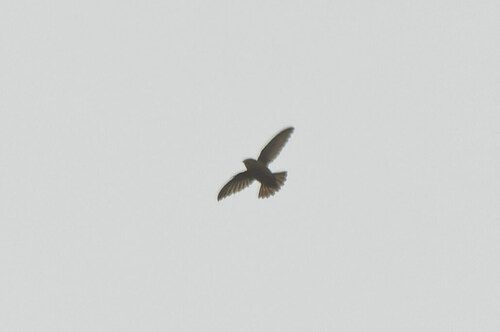 Lesser Antillean Swift
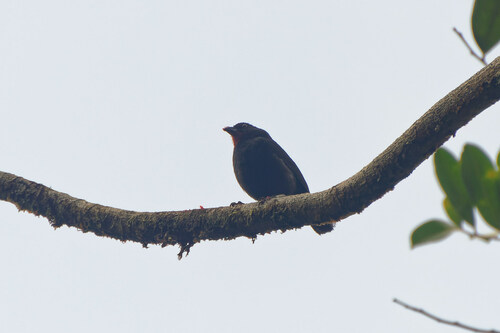 Lesser Antillean Bullfinch
In breve
Il modo più affidabile per separare il Lesser Antillean Swift dal Lesser Antillean Bullfinch è attraverso la struttura generale e lo stile di volo: il swift è un aereo veloce, con ali a falce e una coda quadrata, mentre il bullfinch è un uccello canoro da posato con un becco spesso e movimenti più deliberati. I giovani swift possono mostrare punte bianche su alcune penne alari, un segno mai visto sul bullfinch. I bullfinch adulti sono sessualmente dimorfici, con i maschi che mostrano piumaggio nero e accenti rossi o rugginosi, mentre i swift sono uniformemente marroni scuri sopra con una banda grigia sul posteriore e non presentano alcun rosso o rugginoso. Se visti posati, il becco pesante e la postura eretta del bullfinch sono inconfondibili; i swift non vengono quasi mai visti posati in aperto. La sovrapposizione di dimensioni è minima, ma il bullfinch è più robusto e lungo. Entrambe le specie si trovano sulle stesse isole, quindi il solo contesto non è sufficiente.
Consigli di identificazione
- Punte delle ali dei giovani swift: Cerca punte bianche su alcune penne alari nei giovani Lesser Antillean Swifts; questo non è mai presente nel bullfinch di alcuna età.
- Stile di volo: I swift vengono quasi sempre visti in volo rapido e agile con ali rigide a forma di falce e una coda quadrata; i bullfinch volano in brevi esplosioni ondulate e si posano frequentemente.
- Forma del becco: I swift hanno un becco piccolo e poco appariscente; i bullfinch hanno un becco spesso e conico che è ovvio anche da lontano quando sono posati.
- Forma della coda: I swift hanno una coda corta e quadrata che non si estende molto oltre il corpo; le code dei bullfinch sono più lunghe e più arrotondate.
- Dimorfismo sessuale: I bullfinch sono sessualmente dimorfici: i maschi sono per lo più neri con accenti rossi o rugginosi, le femmine sono marroni calde con toni rugginosi e grigi; i swift non mostrano differenze sessuali.
- Colore del piumaggio: I swift sono uniformemente marrone-nero sopra con una stretta banda grigia sul posteriore e parti inferiori marroni; i bullfinch mostrano piumaggio marrone caldo o nero con accenti rugginosi o rossi a seconda del sesso e della sottospecie.
- Banda del posteriore: La stretta banda grigia del posteriore del swift è unica e visibile in buona luce; i bullfinch non mostrano mai un posteriore contrastante.
- Postura posata: I swift sono raramente visti posati in aperto; se vedi un uccello seduto eretto su un ramo, specialmente con un becco spesso, è quasi certamente un bullfinch.
- Forma dell'ala: I swift hanno ali lunghe e rigonfie che si incurvano alla fine; le ali del bullfinch sono più corte e più arrotondate.
- Dimensione del gruppo: I swift spesso si nutrono in grandi stormi, a volte con rondini; i bullfinch sono solitamente solitari o in coppie.
- Parti inferiori: Le parti inferiori dei swift sono marroni con una gola più chiara; le parti inferiori dei bullfinch sono grigie (femmina) o nere (maschio), con copritrici rugginose in molte sottospecie.
- Supercilium e macchia della gola: I bullfinch maschi possono mostrare un supercilium rosso o rugginoso e una macchia della gola, assente nei swift.
- Colore delle gambe: Entrambi hanno gambe scure, non un forte segno di campo per la separazione.
- Contesto dell'habitat: I swift sono visti in spazi aerei aperti, i bullfinch in arbusti e alberi; il contesto può aiutare ma non è infallibile.
- Impressione di dimensione: I bullfinch sono più robusti e con un corpo più lungo rispetto ai swift, che appaiono snelli e aerodinamici in volo.
Taglia
Il Lesser Antillean Bullfinch è notevolmente più grande e pesante del swift: il bullfinch misura in media 14–15,5 cm di lunghezza e 18,4 g di massa, mentre il swift è di 10,5–11 cm e pesa in media 12,7 g. Il bullfinch appare più tozzo e robusto, specialmente quando è posato. I swift appaiono snelli e aerodinamici in volo, con ali proporzionalmente più lunghe rispetto alla dimensione del corpo. Sebbene ci sia una certa sovrapposizione di peso, la differenza nella forma e nella lunghezza del corpo è solitamente chiara sul campo.
Piumaggio
I giovani Lesser Antillean Swifts possono essere riconosciuti dalle punte bianche su alcune penne alari, una caratteristica mai presente nel bullfinch di alcuna età. I swift adulti sono uniformemente marrone-nero sopra con una stretta banda grigia sul posteriore, parti inferiori marroni e una gola più chiara; i sessi sono simili. Al contrario, i bullfinch adulti sono sessualmente dimorfici: i maschi sono per lo più neri con una gola e un supercilium rossi o arancioni (variabili a seconda della sottospecie), mentre le femmine sono marroni calde con toni rugginosi sulle lore, ali e sotto coda. Le ali del bullfinch sono marroni con bordi rugginosi sulle copritrici maggiori, e le loro parti inferiori sono grigie con copritrici rugginose sotto coda. Nessun swift mostra alcuna colorazione rugginosa, rugginosa o rossa. La coda del swift è corta e quadrata, mentre la coda del bullfinch è proporzionalmente più lunga e più arrotondata. I swift mancano del pesante becco conico del bullfinch.
Comportamento
I Lesser Antillean Swifts vengono quasi sempre visti in volo, spesso in stormi di 20–40 uccelli, a volte mescolati con rondini. Si nutrono esclusivamente di insetti in volo e raramente si posano in aperto. Il loro volo è rapido, con ali rigide a forma di falce e un jizz distintivo e erratico. I bullfinch, al contrario, sono tipicamente visti posati o muovendosi attraverso la vegetazione, nutrendosi di semi, frutta o insetti. Il loro volo è breve e ondulato, e raramente si uniscono a grandi stormi aerei. Il comportamento del bullfinch è più tipico di un uccello canoro da posato, spesso foraggiando da solo o in coppie.
Habitat
Entrambe le specie si trovano sulle stesse isole nelle Piccole Antille, quindi l'areale non è diagnostico. I swift sono più spesso visti in spazi aerei aperti sopra foreste, campi o città, mentre i bullfinch preferiscono aree cespugliose, giardini e bordi forestali dove possono posarsi e foraggiare. I swift sono raramente visti a terra o in vegetazione densa, a differenza dei bullfinch.
Lesser Antillean Swift · Lesser Antillean Bullfinch · I miei uccelli difficili