

Motmot

コアホウドリ 対 アホウドリ

Phoebastria immutabilis 対 Phoebastria albatrus

コアホウドリとアホウドリのクイズ
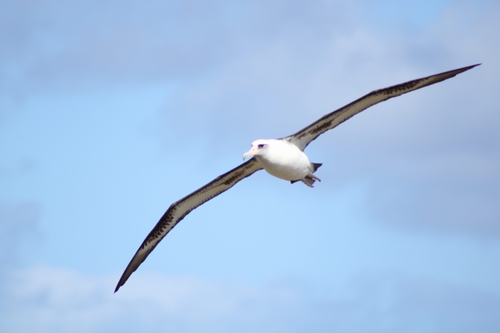
コアホウドリ (Phoebastria immutabilis) コアホウドリ
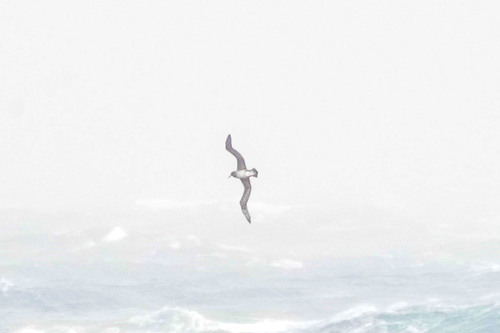
アホウドリ (Phoebastria albatrus) アホウドリ

メディア

読み込み中…

要点

レイサンアホウドリとアホウドリの最も信頼できるフィールドマークは、成鳥の全体的な頭部とくちばしの色です:アホウドリははるかに大きく、太くて長いピンクのくちばし(古い鳥では青い先端があることが多い)と、黄色がかった後頭部と冠を持っています。一方、レイサンは小さく、細身のピンクのくちばしに暗い先端があり、暗い目のシミがある白い頭を持っています。幼鳥のアホウドリは完全に暗褐色ですが、幼鳥のレイサンは白い腹部と暗い上面を持つ二色の外観を示します。飛行中、両種の成鳥は主に白い翼の下に黒い縁を持っていますが、アホウドリは全体的により大きく、より白いです。本当に巨大で白い体のアホウドリを見たら、それはアホウドリです;小さくてカモメのような鳥で暗い目のパッチがあるのはレイサンです。

識別のコツ

  1. 幼鳥/未成熟の羽毛: 幼鳥のアホウドリは完全に暗褐色で、頭部や腹部に白い部分がありません;幼鳥のレイサンは二色で、白い腹部と頭部、暗い上面を持っています。これは、飛行中または休んでいる若い鳥の最も信頼できるマークです。
  2. 成鳥の頭部と後頭部の色: 成鳥のアホウドリは白い頭部と黄色がかった後頭部と冠を持っています;レイサンの頭部は白く、目の周りに暗いシミがあり、黄色の洗いはありません。
  3. くちばしの大きさと色: アホウドリは巨大で長いピンクのくちばし(古い鳥では青い先端があることが多い)を持っています;レイサンのくちばしは細身で、暗い先端のあるピンクです。くちばしの大きさは、止まっているときや近距離で特に明らかです。
  4. 全体的な大きさと体格: アホウドリははるかに大きく、体格がしっかりしており、翼のスパンが長く、体重も重いです。レイサンは小さく、より細身で、飛行中や水面上でカモメのように見えます。
  5. 翼の下のパターン: 両種は主に白い翼の下に黒い縁を持っていますが、レイサンの翼の下のパターンは変動があり、カバーにもっと黒が見えることがあります。一方、アホウドリは全体的により白く、黒は飛行羽に限られています。
  6. 背中と背羽の色: レイサンは黒っぽい灰色の上翼、背羽、背中、尾を持っています;アホウドリは白い背中に黒い飛行羽と黒い終端尾バーを持っています。
  7. 尾: 名前に反して、アホウドリはレイサンよりも短い尾を持っていません;実際、尾はわずかに長いです。尾の長さは有用なフィールドマークではありません。
  8. 目のマーク: レイサンは目の周りに特徴的な暗いシミがあります;アホウドリにはこの特徴がありません。
  9. 止まっている姿勢: アホウドリはより重く見え、しっかりと座り、太い首と巨大なくちばしを持っています;レイサンはより軽く作られ、直立しています。
  10. 飛行スタイル: アホウドリはその大きさのために飛行中に遅く、重たく見えます;レイサンはより速く、より敏捷で、軽やかな動きをします。
  11. 生息地と豊富さ: レイサンは非常に一般的で、特にハワイや中央北太平洋で見られます;アホウドリはどこでも大きな希少種であり、文脈が重要です。
  12. 性別と季節: どちらの種にも重要な季節的または性的二形性はありません;すべてのフィールドマークは、両性にわたって年間を通じて適用されます。
  13. ハイブリッドの混乱: レイサンとクロアシアホウドリはハイブリダイズすることがありますが、アホウドリとのハイブリッドは報告されていません;上記のマークに焦点を当ててください。
  14. 古いアホウドリのくちばしの先端の色: 成熟したアホウドリのくちばしの先端に青みがかった色合いを探してください;これはレイサンには見られません。
  15. マークが失敗したとき: 遠くにいるまたはシルエットの鳥は、くちばしの大きさ、頭のパターン、全体的な大きさを明確に見ることができない限り、分けることが不可能な場合があります;常に複数のフィールドマークを試みてください。

大きさ

アホウドリはすべての次元で明らかに大きいです:長さ84〜94 cm、翼のスパン213〜240 cm、レイサンの長さ81 cm、翼のスパン195〜203 cmと比較して。アホウドリはまた、はるかに重いです(4.3〜8.5 kg対1.9〜4.1 kgのレイサン)。フィールドでは、アホウドリは体格がしっかりしており、翼が長く、特に巨大なくちばしを持っているように見えますが、レイサンはより細身でカモメのようです。一緒に見た場合、サイズの違いは際立っていますが、孤立した鳥は構造と羽毛に注意を払う必要があります。

羽色

幼鳥/未成熟の鳥は最も簡単に分けられます:幼鳥のアホウドリは均一に暗褐色で、頭部や腹部に白い部分がありませんが、幼鳥のレイサンアホウドリはすでに白い腹部と頭部、暗い上面と翼を持つ二色のパターンを示しています。成鳥では、アホウドリは全体的に白く、黒い飛行羽と黄色がかった後頭部と冠を持っています;レイサンは白い頭部(暗い目のシミあり)、白い腹部、黒っぽい灰色の上翼、背羽、背中、尾を持っています。レイサンの翼の下のパターンは変動がありますが、常に二色であり、アホウドリは全体的により白く、黒は飛行羽と終端尾バーに限られています。くちばしの色も重要です:アホウドリは大きなピンクのくちばし(古い鳥では先端が青みがかっていることが多い)を持っていますが、レイサンは暗い先端のある細身のピンクのくちばしを持っています。どちらの種にも季節的または繁殖羽毛の違いはありません。

行動

両種は典型的な海洋アホウドリであり、長くて硬い翼で波の上を低く滑空します。アホウドリは大きくて重いため、飛行中により重たく力強く見え、羽ばたくときに深い翼の打撃を持っています。レイサンはより敏捷でカモメのようで、より速く軽やかな動きをします。止まっているとき、アホウドリの体格と巨大なくちばしは明らかですが、レイサンは地面により軽く座ります。両者はコロニーで巣を作りますが、レイサンは大きな群れで見る可能性がはるかに高いです。

生息環境

レイサンアホウドリは北太平洋で豊富で広範囲に分布しており、特に北西ハワイ諸島周辺で見られ、そこでは二番目に一般的な海鳥です。アホウドリは希少で、非常に限られた繁殖範囲(主に鳥島といくつかの他の日本の島々)を持ち、海で見られる個体は非常に少ないです。ハワイにいる場合、ほとんどのアホウドリはレイサンである可能性が高いです;アホウドリはその範囲全体で大きな希少種です。両種は繁殖シーズン以外は外洋性です。

より良い説明を送る

比較と同じ項目を使ってください。文章はすぐに公開されます。

The most reliable field mark between Laysan and Short-tailed Albatross is the overall head and bill color in adults: Short-tailed is much larger, with a bulky, long pink bill (often with a blue tip in older birds) and a yellow-washed nape and crown, while Laysan is smaller, with a slimmer pink bill with a dark tip and a white head marked by a dark eye smudge. Juvenile Short-tailed Albatross are entirely dark brown, whereas juvenile Laysan show a two-toned look with white underparts and dark upperparts. In flight, adults of both species show mostly white underwings with black margins, but Short-tailed is bulkier and whiter overall. If you see a truly massive, white-bodied albatross with a big pink bill and yellowish head, it's Short-tailed; a smaller, gull-like bird with a dark eye patch is Laysan.

  1. Juvenile/immature plumage: Juvenile Short-tailed Albatross is entirely dark brown, lacking any white on the head or underparts; juvenile Laysan is two-toned, with white underparts and head and dark upperparts. This is the most reliable mark for young birds in flight or at rest.
  2. Adult head and nape color: Adult Short-tailed has a white head with a yellow-stained nape and crown; Laysan's head is white with a dark smudge around the eye and no yellow wash.
  3. Bill size and color: Short-tailed has a massive, long, pink bill (often with a blue tip in older birds); Laysan's bill is slimmer, pink with a dark tip. Bill size is especially obvious when perched or at close range.
  4. Overall size and bulk: Short-tailed is much larger and bulkier, with a longer wingspan and heavier build. Laysan is smaller and more slender, appearing more gull-like in flight and on the water.
  5. Underwing pattern: Both show mostly white underwings with black margins, but Laysan's underwing pattern is variable and can show more black in the coverts, while Short-tailed is whiter overall with black limited to flight feathers.
  6. Back and mantle color: Laysan has blackish-gray upperwing, mantle, back, and tail; Short-tailed is white-backed with black flight feathers and a black terminal tail bar.
  7. Tail: Despite the name, Short-tailed does not have a shorter tail than Laysan; in fact, its tail is slightly longer. Tail length is not a useful field mark.
  8. Eye mark: Laysan has a distinctive dark smudge around the eye; Short-tailed lacks this feature.
  9. Perched posture: Short-tailed appears heavier and sits more solidly, with a thick neck and huge bill; Laysan is more lightly built and upright.
  10. Flight style: Short-tailed is slower and more ponderous in flight due to its size; Laysan is quicker and more agile, with a lighter jizz.
  11. Habitat and abundance: Laysan is vastly more common, especially in Hawaii and the central North Pacific; Short-tailed is a major rarity anywhere, so context matters.
  12. Sex and season: No significant seasonal or sexual dimorphism in either species; all field marks apply year-round to both sexes.
  13. Hybrid confusion: Laysan and Black-footed Albatross can hybridize, but hybrids with Short-tailed are not reported; focus on the marks above.
  14. Bill tip color in older Short-tailed: Look for a bluish tinge at the bill tip in mature Short-tailed, never shown by Laysan.
  15. When marks fail: Distant or silhouetted birds may be impossible to separate without a clear view of bill size, head pattern, or overall size; always try for multiple field marks.

Short-tailed Albatross is distinctly larger in every dimension: 84–94 cm length and 213–240 cm wingspan, compared to Laysan's 81 cm length and 195–203 cm wingspan. Short-tailed is also much heavier (4.3–8.5 kg vs. 1.9–4.1 kg for Laysan). In the field, Short-tailed appears bulkier and longer-winged, with a notably massive bill, while Laysan is more slender and gull-like. If seen together, the size difference is striking, but lone birds require attention to structure and plumage.

Juvenile/immature birds are most easily separated: juvenile Short-tailed Albatross are uniformly dark brown, lacking any white on the head or underparts, while juvenile Laysan Albatross already show a two-toned pattern with white underparts and head, and dark upperparts and wings. In adults, Short-tailed is overall white with black flight feathers and a yellow-stained nape and crown; Laysan is white-headed (with a dark eye smudge), white underparts, and blackish-gray upperwings, mantle, back, and tail. The underwing pattern in Laysan is variable but always two-toned, while Short-tailed is whiter overall with black confined to flight feathers and a terminal tail bar. Bill color is also key: Short-tailed has a large pink bill (often bluish at the tip in older birds), Laysan has a slimmer pink bill with a dark tip. There is no seasonal or breeding plumage difference in either species.

Both species are classic oceanic albatrosses, gliding low over the waves with long, stiff-winged flight. Short-tailed Albatross, being larger and heavier, appears more ponderous and powerful in flight, with deeper wingbeats when flapping. Laysan is more agile and gull-like, with quicker, lighter movements. When perched, Short-tailed's bulk and huge bill are obvious, while Laysan sits more lightly on the ground. Both are colonial nesters, but you are far more likely to see Laysan in large groups.

Laysan Albatross is abundant and widespread in the North Pacific, especially around the Northwestern Hawaiian Islands, and is the second-most common seabird there. Short-tailed Albatross is rare, with a tiny breeding range (mainly Torishima and a few other Japanese islands) and very few individuals seen at sea. If you are in Hawaii, almost any albatross is likely Laysan; Short-tailed is a major rarity throughout its range. Both species are pelagic outside the breeding season.

変更を破棄しますか?

保存していない編集があります。今離れると失われます。

コアホウドリ · アホウドリ · 苦手な鳥