

Laysan Albatross vs Short-tailed Albatross
Phoebastria immutabilis contro Phoebastria albatrus
Fai un quiz con Laysan Albatross e Short-tailed Albatross
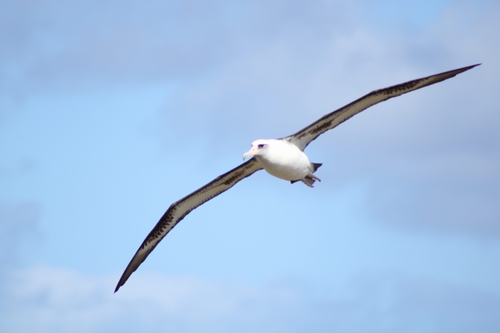 Laysan Albatross
 Short-tailed Albatross
In breve
Il segno distintivo più affidabile tra il Laysan Albatross e il Short-tailed Albatross è il colore complessivo della testa e del becco negli adulti: il Short-tailed è molto più grande, con un becco rosa lungo e massiccio (spesso con una punta blu nei volatili più anziani) e una nuca e una corona di colore giallo, mentre il Laysan è più piccolo, con un becco rosa più snello con una punta scura e una testa bianca contrassegnata da una macchia scura attorno all'occhio. I giovani Short-tailed Albatross sono completamente marroni scuri, mentre i giovani Laysan mostrano un aspetto bicolore con parti inferiori bianche e parti superiori scure. In volo, gli adulti di entrambe le specie mostrano principalmente sottoali bianche con margini neri, ma il Short-tailed è più massiccio e complessivamente più bianco. Se vedi un albatros davvero massiccio, con corpo bianco, un grande becco rosa e testa giallastra, è un Short-tailed; un uccello più piccolo, simile a un gabbiano, con una macchia scura attorno all'occhio è un Laysan.
Consigli di identificazione
- Juvenile/immature plumage: Il giovane Short-tailed Albatross è completamente marrone scuro, privo di bianco sulla testa o sulle parti inferiori; il giovane Laysan è bicolore, con parti inferiori e testa bianche e parti superiori scure. Questo è il segno più affidabile per i giovani uccelli in volo o a riposo.
- Adult head and nape color: L'adulto Short-tailed ha una testa bianca con una nuca e una corona macchiate di giallo; la testa del Laysan è bianca con una macchia scura attorno all'occhio e senza lavaggio giallo.
- Bill size and color: Il Short-tailed ha un becco massiccio, lungo e rosa (spesso con una punta blu nei volatili più anziani); il becco del Laysan è più snello, rosa con una punta scura. La dimensione del becco è particolarmente evidente quando è posato o a distanza ravvicinata.
- Overall size and bulk: Il Short-tailed è molto più grande e massiccio, con un'apertura alare più lunga e una corporatura più pesante. Il Laysan è più piccolo e più snello, apparendo più simile a un gabbiano in volo e sull'acqua.
- Underwing pattern: Entrambi mostrano principalmente sottoali bianche con margini neri, ma il modello delle sottoali del Laysan è variabile e può mostrare più nero nelle copritrici, mentre il Short-tailed è complessivamente più bianco con il nero limitato alle piume di volo.
- Back and mantle color: Il Laysan ha ali superiori, mantello, schiena e coda di colore grigio-nerastro; il Short-tailed ha un dorso bianco con piume di volo nere e una barra terminale nera sulla coda.
- Tail: Nonostante il nome, il Short-tailed non ha una coda più corta del Laysan; in effetti, la sua coda è leggermente più lunga. La lunghezza della coda non è un segno utile sul campo.
- Eye mark: Il Laysan ha una macchia scura distintiva attorno all'occhio; il Short-tailed non ha questa caratteristica.
- Perched posture: Il Short-tailed appare più pesante e si siede in modo più solido, con un collo spesso e un grande becco; il Laysan è costruito più leggero e in posizione eretta.
- Flight style: Il Short-tailed è più lento e più pesante in volo a causa della sua dimensione; il Laysan è più veloce e più agile, con movimenti più leggeri.
- Habitat and abundance: Il Laysan è di gran lunga più comune, specialmente alle Hawaii e nel Pacifico settentrionale centrale; il Short-tailed è una rarità ovunque, quindi il contesto è importante.
- Sex and season: Non ci sono dimorfismi sessuali o stagionali significativi in nessuna delle due specie; tutti i segni sul campo si applicano tutto l'anno a entrambi i sessi.
- Hybrid confusion: Il Laysan e il Black-footed Albatross possono ibridarsi, ma non sono stati segnalati ibridi con il Short-tailed; concentrati sui segni sopra.
- Bill tip color in older Short-tailed: Cerca una sfumatura blu alla punta del becco nei Short-tailed maturi, mai mostrata dal Laysan.
- When marks fail: Gli uccelli distanti o in silhouette possono essere impossibili da separare senza una chiara visione della dimensione del becco, del modello della testa o della dimensione complessiva; cerca sempre di ottenere più segni sul campo.
Taglia
Il Short-tailed Albatross è nettamente più grande in ogni dimensione: 84–94 cm di lunghezza e 213–240 cm di apertura alare, rispetto ai 81 cm di lunghezza e 195–203 cm di apertura alare del Laysan. Il Short-tailed è anche molto più pesante (4.3–8.5 kg contro 1.9–4.1 kg per il Laysan). Sul campo, il Short-tailed appare più massiccio e con ali più lunghe, con un becco notevolmente massiccio, mentre il Laysan è più snello e simile a un gabbiano. Se visti insieme, la differenza di dimensioni è sorprendente, ma gli uccelli solitari richiedono attenzione alla struttura e al piumaggio.
Piumaggio
Gli uccelli giovani/immaturi sono più facilmente separabili: i giovani Short-tailed Albatross sono uniformemente marroni scuri, privi di bianco sulla testa o sulle parti inferiori, mentre i giovani Laysan Albatross mostrano già un modello bicolore con parti inferiori e testa bianche, e parti superiori e ali scure. Negli adulti, il Short-tailed è complessivamente bianco con piume di volo nere e una nuca e una corona macchiate di giallo; il Laysan ha una testa bianca (con una macchia scura attorno all'occhio), parti inferiori bianche e ali superiori, mantello, schiena e coda di colore grigio-nerastro. Il modello delle sottoali nel Laysan è variabile ma sempre bicolore, mentre il Short-tailed è complessivamente più bianco con il nero limitato alle piume di volo e una barra terminale sulla coda. Anche il colore del becco è fondamentale: il Short-tailed ha un grande becco rosa (spesso bluastro alla punta nei volatili più anziani), il Laysan ha un becco rosa più snello con una punta scura. Non ci sono differenze di piumaggio stagionale o di riproduzione in nessuna delle due specie.
Comportamento
Entrambe le specie sono albatros oceanici classici, che planano bassi sulle onde con un volo lungo e con ali rigide. Il Short-tailed Albatross, essendo più grande e pesante, appare più pesante e potente in volo, con battiti d'ala più profondi quando batte le ali. Il Laysan è più agile e simile a un gabbiano, con movimenti più rapidi e leggeri. Quando è posato, il volume e il grande becco del Short-tailed sono evidenti, mentre il Laysan si siede più leggero a terra. Entrambi sono nidi coloniali, ma è molto più probabile vedere il Laysan in grandi gruppi.
Habitat
Il Laysan Albatross è abbondante e diffuso nel Pacifico settentrionale, specialmente intorno alle Isole Hawaii nord-occidentali, ed è il secondo uccello marino più comune lì. Il Short-tailed Albatross è raro, con un'area di nidificazione molto piccola (principalmente Torishima e alcune altre isole giapponesi) e pochissimi individui visti in mare. Se sei alle Hawaii, quasi qualsiasi albatros è probabilmente un Laysan; il Short-tailed è una rarità importante in tutto il suo areale. Entrambe le specie sono pelagiche al di fuori della stagione di nidificazione.
Laysan Albatross · Short-tailed Albatross · I miei uccelli difficili