

Motmot

ミミヒダハゲワシ 対 コシジロハゲワシ

Torgos tracheliotos 対 Gyps africanus

ミミヒダハゲワシとコシジロハゲワシのクイズ
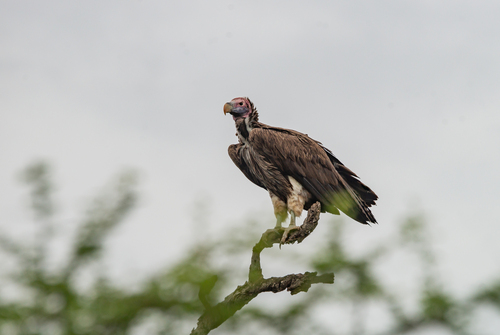
ミミヒダハゲワシ (Torgos tracheliotos) ミミヒダハゲワシ
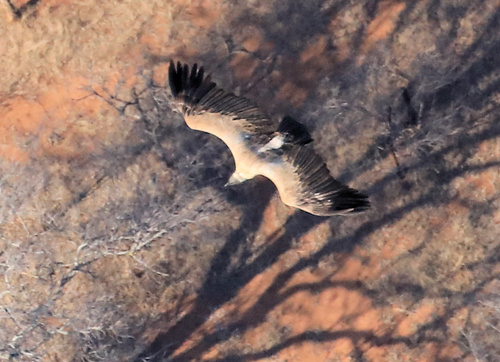
コシジロハゲワシ (Gyps africanus) コシジロハゲワシ

メディア

読み込み中…

要点

ミミヒダハゲワシとコシジロハゲワシの最も信頼できるフィールドマークは、サイズと頭部の構造です:ミミヒダハゲワシははるかに大きく、巨大なくちばしと鮮やかな色合いの肉質の頭部を持ち、コシジロハゲワシは小さくてスリムで、淡い背中とあまり目立たない頭部を持っています。飛行中、ミミヒダハゲワシは広い黒っぽい翼を持ち、対照的な白い太もも羽毛を示しますが、成鳥のコシジロハゲワシは淡い背中と一般的に淡い腹部を持ち、幼鳥は主に暗い色をしています。巨大でカラフルでしわのある頭部と力強い体格のハゲワシを見たら、それはミミヒダハゲワシです;淡い背中を持つ小さなハゲワシで白い首のフリルがあるのはコシジロハゲワシです。未熟なコシジロハゲワシはより均一に暗く、他の暗いハゲワシと混同されることがありますが、決してミミヒダハゲワシの巨大なくちばしや頭のしわを示すことはありません。

識別のコツ

  1. Size and bulk: ミミヒダハゲワシはコシジロハゲワシよりもはるかに大きくてずっしりしています。両方を一緒に見ると、違いは明らかです;単独の場合は、近くの他のハゲワシや大型の猛禽類と比較してください。
  2. Head structure: ミミヒダハゲワシは巨大で裸のカラフルな頭部を持ち、側面には肉質のしわ(ラペット)がある;コシジロハゲワシの頭部は小さく、羽毛で覆われており、ラペットや明るい色合いはありません。
  3. Bill size: ミミヒダハゲワシのくちばしは巨大で深く、遠くからでも簡単に見えます;コシジロハゲワシのくちばしは中くらいの大きさで目立ちません。
  4. White thigh feathers: ミミヒダハゲワシは暗い体と翼に対して際立つ白い太もも羽毛を示し、止まっている時も飛んでいる時も見えます;コシジロハゲワシはこの特徴を示しません。
  5. Back color (adults): 成鳥のコシジロハゲワシは暗い翼と体に対して際立つ淡い白っぽい背中を持っています;ミミヒダハゲワシは上面が均一に暗く(白い太ももを除く)、決して淡い背中ではありません。
  6. Neck ruff: 成鳥のコシジロハゲワシは目立つ白い首のフリルを持っています;ミミヒダハゲワシはこれを欠いており、代わりに裸の皮膚としわを示します。
  7. Juvenile confusion: 幼鳥のコシジロハゲワシは全体が暗く、他の暗いハゲワシと混同されることがありますが、決してミミヒダハゲワシの巨大なくちばし、頭のしわ、または白い太ももを示すことはありません。
  8. Head color: ミミヒダハゲワシの頭部は地域によって赤からピンク、灰色まで変化します;コシジロハゲワシの頭部は常に淡く、羽毛で覆われており、決して明るい色ではありません。
  9. Flight silhouette: ミミヒダハゲワシは広く平行な翼を持ち、鋸歯状の翼先端と力強く重い飛行を示します;コシジロハゲワシは翼がスリムで、空中での存在感が少ないです。
  10. Behavior at carcass: ミミヒダハゲワシはしばしば優位に立ち、単独またはペアで餌を食べ、時には生きた獲物を狩ることもあります;コシジロハゲワシは社交的で、群れで餌を食べ、死骸に早く到着することが多いです。
  11. Perched jizz: ミミヒダハゲワシは直立して座り、重いくちばしと裸でしわのある頭部で巨大に見えます;コシジロハゲワシはより前かがみで止まり、小さくて羽毛のある頭部と目に見える首のフリルを持っています。
  12. Habitat context: 大きなハゲワシの群れが旋回しているか死骸にいる場合は、コシジロハゲワシの可能性が高い;開けた国にいる孤独で威圧的なハゲワシは、ミミヒダハゲワシの可能性が高いです。
  13. Pitfall: 遠くからは、サイズと頭部の構造を判断するのが難しい場合があります;可能な限り白い太もも羽毛(ミミヒダハゲワシ)対淡い背中と首のフリル(成鳥のコシジロハゲワシ)に焦点を当ててください。
  14. No vocal separation: ソースには診断的な声の違いは記載されていません。
  15. Sex/season: どちらの種にも強い性的または季節的な羽毛の違いはありません;年齢が同定においてより重要です。

大きさ

ミミヒダハゲワシはアフリカの範囲で最大のハゲワシで、体長95–115 cm、翼幅2.5–2.9 m、体重4.4–13.6 kg(雌はさらに重い)です。それに対して、コシジロハゲワシははるかに小さく、体長78–98 cm、翼幅1.96–2.25 m、体重4.2–7.2 kgです。フィールドでは、ミミヒダハゲワシはずっしりとしており、止まっている時も飛んでいる時も威圧的な存在感を示します。コシジロハゲワシは明らかに軽くてスリムで、特に両種が死骸で一緒に見られるときに顕著です。

羽色

行動

ミミヒダハゲワシはより孤立しているかペアで見られ、サイズと強力なくちばしのために死骸で優位に立つことが多く、小さな生きた獲物を狩ったり、他の猛禽類から略奪したりすることが知られています。コシジロハゲワシは非常に社交的で、群れで餌を食べ、死骸に最初に到着することが多く、お互いに食べ物を見つけるのに頼っています。ミミヒダハゲワシは死骸でコシジロハゲワシをしばしば追い出します、特に両方が存在する場合に。

生息環境

両種は開けたサバンナや半乾燥地域に生息し、死骸で重なり合うことがよくあります。コシジロハゲワシはより豊富で広範囲に分布しており、特に森林のサバンナで見られ、木に巣を作ります。ミミヒダハゲワシはより希少で、より乾燥したまたは開けた生息地で見られることが多く、その数の減少により見られる可能性がはるかに低くなります。大きな群れの中でハゲワシを見た場合、コシジロハゲワシの可能性が高い;孤独で威圧的なハゲワシはミミヒダハゲワシの可能性が高いです。

より良い説明を送る

比較と同じ項目を使ってください。文章はすぐに公開されます。

The most reliable field mark between Lappet-faced and White-backed Vultures is size and head structure: Lappet-faced is much larger, with a massive bill and a vividly colored, fleshy-headed appearance, while White-backed is smaller and slimmer, with a pale back and a less striking head. In flight, Lappet-faced shows broad, blackish wings with contrasting white thigh feathers, whereas adult White-backed Vultures have a pale back and generally paler underparts, with juveniles being mostly dark. If you see a vulture with a huge, colorful, wrinkled head and a powerful build, it's Lappet-faced; a paler-backed, smaller vulture with a white neck ruff is White-backed. Immature White-backed Vultures are more uniformly dark and can be confused with other dark vultures, but never show the Lappet-faced's massive bill or head folds.

  1. Size and bulk: Lappet-faced is much larger and bulkier than White-backed. If you see both together, the difference is obvious; alone, compare to other vultures or large raptors nearby.
  2. Head structure: Lappet-faced has a huge, bare, colorful head with fleshy folds (lappets) on the sides; White-backed's head is smaller, covered in down, and lacks lappets or bright coloration.
  3. Bill size: The bill of Lappet-faced is massive and deep, easily seen even at a distance; White-backed's bill is medium-sized and less prominent.
  4. White thigh feathers: Lappet-faced shows striking white thigh feathers contrasting with dark body and wings, visible both perched and in flight; White-backed never shows this feature.
  5. Back color (adults): Adult White-backed has a pale, whitish back that stands out against dark wings and body; Lappet-faced is uniformly dark above (except for white thighs), never pale-backed.
  6. Neck ruff: White-backed adults have a conspicuous white neck ruff; Lappet-faced lacks this, instead showing bare skin and folds.
  7. Juvenile confusion: Juvenile White-backed Vultures are all dark and can be confused with other dark vultures, but never show the Lappet-faced's massive bill, head folds, or white thighs.
  8. Head color: Lappet-faced's head varies from reddish to pink to gray, depending on region; White-backed's head is always pale and covered in down, never brightly colored.
  9. Flight silhouette: Lappet-faced has broad, parallel-edged wings with serrated wingtips and a powerful, heavy flight; White-backed is slimmer-winged and less imposing in the air.
  10. Behavior at carcass: Lappet-faced often dominates and feeds alone or in pairs, sometimes hunting live prey; White-backed is gregarious, feeding in groups and arriving early at carcasses.
  11. Perched jizz: Lappet-faced sits upright, appearing massive with a heavy bill and bare, wrinkled head; White-backed perches more hunched, with a smaller, downy head and visible neck ruff.
  12. Habitat context: Large groups of vultures circling or at a carcass are likely White-backed; a solitary, imposing vulture in open country is more likely Lappet-faced.
  13. Pitfall: At great distance, size and head structure may be hard to judge; focus on white thigh feathers (Lappet-faced) vs pale back and neck ruff (White-backed adult) when possible.
  14. No vocal separation: No diagnostic vocal differences are described in the sources.
  15. Sex/season: No strong sexual or seasonal plumage differences in either species; age is more important for identification.

Lappet-faced Vulture is the largest vulture in its African range, measuring 95–115 cm in length with a wingspan of 2.5–2.9 m, and weighing 4.4–13.6 kg (females even heavier). In contrast, White-backed Vulture is much smaller: 78–98 cm long, wingspan 1.96–2.25 m, and weight 4.2–7.2 kg. In the field, Lappet-faced appears bulkier, with a more imposing presence both perched and in flight. White-backed is distinctly lighter and more slender, especially noticeable when both species are seen together at a carcass.

  • Juvenile/immature White-backed Vulture: Uniformly dark overall, lacking the pale back and white neck ruff of adults. This can make them superficially similar to other dark vultures, but they never show the Lappet-faced's white thigh feathers or colorful, wrinkled head.
  • Adult White-backed Vulture: Shows a pale, whitish back that contrasts with otherwise dark plumage, and a distinctive white neck ruff. The head is covered in down, not bare skin, and is never brightly colored.
  • Lappet-faced Vulture (all ages): Blackish above with strongly contrasting white thigh feathers (visible both perched and in flight). The head is bare, with colorful skin (reddish, pink, or gray depending on region) and prominent fleshy folds (lappets) on the sides. The underparts can range from white to buff-brown. In flight, wings are broad and dark with serrated-looking wingtips, and the white thigh feathers can be a key mark.
  • Key contrast: Only Lappet-faced shows the combination of a massive, colorful, wrinkled head and white thigh feathers; only adult White-backed has a pale back and white neck ruff.

Lappet-faced Vultures are more solitary or occur in pairs, often dominating at carcasses due to their size and powerful bill, and are known to hunt small live prey or pirate from other raptors. White-backed Vultures are highly social, feeding in groups and often among the first to arrive at carcasses, relying on each other to find food. Lappet-faced will often displace White-backed at a carcass, especially when both are present.

Both species occur in open savannahs and semi-arid regions, often overlapping at carcasses. White-backed Vultures are more abundant and widespread, especially in wooded savannahs, and nest in trees. Lappet-faced Vultures are scarcer, often found in more arid or open habitats, and their declining numbers make them much less likely to be seen. If you see a vulture in a large group, it's more likely White-backed; a lone, imposing vulture is more likely Lappet-faced.

変更を破棄しますか?

保存していない編集があります。今離れると失われます。

ミミヒダハゲワシ · コシジロハゲワシ · 苦手な鳥