

Motmot

ミミヒダハゲワシ 対 シロエリハゲワシ

Torgos tracheliotos 対 Gyps fulvus

ミミヒダハゲワシとシロエリハゲワシのクイズ
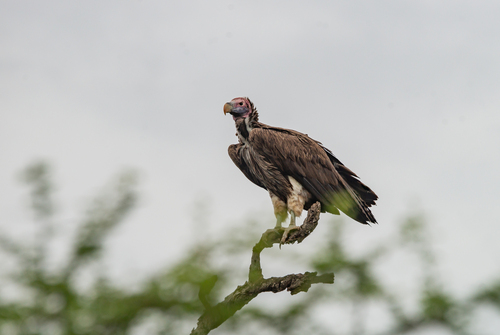
ミミヒダハゲワシ (Torgos tracheliotos) ミミヒダハゲワシ
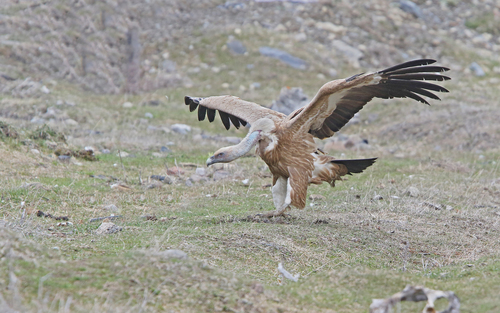
シロエリハゲワシ (Gyps fulvus) シロエリハゲワシ

メディア

読み込み中…

要点

ミミヒダハゲワシとシロエリハゲワシを区別する最も信頼できるフィールドマークは、全体の色合いと頭の模様です:ミミヒダは上面がはるかに暗く、肉質のひだ(「ラペット」)が特徴的な鮮やかで裸の頭を持っていますが、シロエリは白い頭と首のラフがあり、より淡い色合いです。飛行中、ミミヒダは対照的な白い太ももを持つ広い黒っぽい翼を示しますが、シロエリハゲワシは淡い体と翼の覆羽があり、暗い飛行羽と対照的で、白い太ももパッチがありません。構造的には、ミミヒダは大きなくちばしとより強力な印象を持つが、シロエリは依然として大きいが、印象は少ないです。両者は大きな旧世界のハゲワシですが、羽毛と頭の詳細が最も迅速なフィールドの手がかりであり、特に距離がある場合に顕著です。

識別のコツ

  1. Head and Lappets: ミミヒダハゲワシは側面に明らかな肉質のひだ(ラペット)を持つ裸でカラフルな頭を持っています;シロエリハゲワシは白くて禿げた頭を持ち、ふわふわの白い首のラフがあり、ラペットはありません。これは近距離から中距離での最も診断的な特徴です。
  2. Bill Size: ミミヒダは巨大で深いくちばし(長さ最大10 cm、深さ5 cm)を持ち、シロエリの相対的に小さく黄色がかったくちばしよりも明らかに大きいです。これは止まっているときや近距離で最もよく見られます。
  3. Overall Plumage Tone: ミミヒダは上面が黒っぽい(アラビアの鳥では茶色っぽい)で、白い太もも羽毛との強いコントラストがあります;シロエリははるかに淡く、淡い体と翼の覆羽があり、暗い飛行羽と対照的です。これはすべての年齢で使用できます。
  4. White Thigh Patch: ミミヒダだけが太ももに大胆な白いパッチを示し、止まっているときも飛行中も見えます。シロエリはこの特徴を完全に欠いています。
  5. Neck Ruff: シロエリハゲワシは目立つ白い首のラフを持っています;ミミヒダはラフを欠いており、その裸でしわのある頭をさらに強調しています。
  6. Flight Silhouette: ミミヒダは平行な先端を持つ広い四角い翼を示し、わずかに尖った鋸歯状の翼先端があります;シロエリはより広い、より膨らんだ二次羽を持ち、四角い翼の形状が少なくなっています。距離でこれを探してください。
  7. Tail: 両者は短い尾を持っていますが、これはメモに基づく強い区別ではありません。
  8. Size and Bulk: 両者は巨大ですが、ミミヒダは特に頭とくちばしでより大きくて頑丈です。シロエリは平均してわずかに重いですが、フィールドではそれほど大きく見えません。
  9. Head Color Variation: ミミヒダの頭の色は地域によって異なります(南アフリカでは赤、北では鈍いピンク、アラビアではピンク/灰色);シロエリは常に白い頭を持っています。
  10. Behavior at Carcasses: ミミヒダは死骸で支配する可能性が高く、新鮮な獲物を食べたり、狩りをすることさえあります;シロエリは厳密に腐肉食です。
  11. Habitat Context: ミミヒダは乾燥した開けた国を好みます;シロエリは特にヨーロッパやアジアで山岳地帯や開けた高地に見られることが多いです。
  12. Confusion Risk: 遠くから見ると、両者は大きくて暗く見えることがありますが、白い太ももパッチ(ミミヒダ)と淡い体/首のラフ(シロエリ)が重要です。小型のハゲワシや全体が暗いハゲワシ(白い太ももパッチがなく、異なる頭の形を持っています)と混同しないでください。
  13. Age-related Marks: メモにはどちらの種についても特定の幼鳥/未成熟の上翼のマークは記載されていないため、すべての年齢で全体の色と頭/首の特徴に頼ってください。
  14. Sex Differences: メモに基づいて、どちらの種もフィールドで信頼性のある区別はできません。
  15. Voice: メモには分離のための診断的または記載された声はありません。

大きさ

両者は旧世界のハゲワシの中で最大の種の一つですが、ミミヒダハゲワシは一般的に長さが(95–115 cm)で、シロエリハゲワシ(93–122 cm、翼幅2.3–2.8 m)と比較して翼幅がわずかに大きいです。しかし、シロエリハゲワシは平均して重い(成鳥の平均体重は約8.3 kgで、一部の個体は10.5 kg以上)ですが、ミミヒダは野生で4.4 kgから9.4 kgの範囲で、いくつかの大きな飼育された雌がいます。フィールドでは、ミミヒダは特に頭とくちばしでより大きくて頑丈に見えますが、両者は明らかに大きいです。

羽色

行動

ミミヒダハゲワシは新鮮に殺された小動物を食べているのが見られることが多く、時には生きた獲物を狩ることさえあります。彼らは止まっている場所から獲物に飛び降り、強力なくちばしを使います。シロエリハゲワシは典型的な腐肉食で、ほぼ完全に死骸に依存し、生きた動物を狩ることは知られていません。両者は熱気流に乗って滑空し、広い翼で滑空しているのがよく見られますが、ミミヒダはそのサイズと攻撃性のために死骸でより孤立しているか支配的に見えることがあります。

生息環境

両者は開けた生息地に見られますが、ミミヒダハゲワシはアフリカとアラビアの乾燥した半乾燥地域でより広く分布していますが、シロエリハゲワシは南ヨーロッパ、北アフリカ、アジアの一部で山岳地帯や開けた国に典型的です。北アフリカと中東で重複が発生することがあります。ミミヒダはその範囲の多くで減少しており、現在は絶滅危惧種ですが、シロエリハゲワシはより広い範囲を持ち、一部の地域では地元で一般的です。

より良い説明を送る

比較と同じ項目を使ってください。文章はすぐに公開されます。

The most reliable field mark to separate Lappet-faced Vulture from Griffon Vulture is overall coloration and head pattern: Lappet-faced is much darker above, with a strikingly bare, colorful head featuring fleshy folds ('lappets'), while Griffon is paler with a white head and neck ruff. In flight, Lappet-faced shows broad, blackish wings with contrasting white thighs, whereas Griffon Vulture has buff body and wing coverts contrasting with dark flight feathers and lacks the white thigh patch. Structurally, Lappet-faced is bulkier with a massive bill and a more powerful jizz, while Griffon is still large but less imposing. Both are large Old World vultures, but their plumage and head details are the quickest field clues, especially at distance.

  1. Head and Lappets: Lappet-faced Vulture has a bare, colorful head with obvious fleshy folds (lappets) on the sides; Griffon Vulture has a white, bald head with a fluffy white neck ruff and no lappets. This is the single most diagnostic feature at close to moderate range.
  2. Bill Size: Lappet-faced has a massive, deep bill (up to 10 cm long, 5 cm deep), noticeably larger than Griffon's proportionally smaller, yellowish bill. This is best seen when perched or at close range.
  3. Overall Plumage Tone: Lappet-faced is blackish above (brownish in Arabian birds), with a strong contrast from white thigh feathers; Griffon is much paler, with buff body and wing coverts and contrasting dark flight feathers. Use this in all ages.
  4. White Thigh Patch: Only Lappet-faced shows a bold white patch on the thighs, visible both perched and in flight. Griffon lacks this feature entirely.
  5. Neck Ruff: Griffon Vulture has a conspicuous white neck ruff; Lappet-faced lacks any ruff, further emphasizing its bare, wrinkled head.
  6. Flight Silhouette: Lappet-faced shows broad, squared wings with parallel leading edges and slightly pointed, serrated wingtips; Griffon has broader, more bulging secondaries and a less squared-off wing shape. Look for this at distance.
  7. Tail: Both have short tails, but this is not a strong separator based on the notes.
  8. Size and Bulk: Both are huge, but Lappet-faced is bulkier and more robust, especially in the head and bill. Griffon is slightly heavier on average but appears less massive in the field.
  9. Head Color Variation: Lappet-faced head color varies by region (red in southern Africa, dull pink in north, pink/gray in Arabia); Griffon always has a white head.
  10. Behavior at Carcasses: Lappet-faced is more likely to dominate at carcasses and may be seen feeding on fresh kills or even hunting; Griffon is strictly a scavenger.
  11. Habitat Context: Lappet-faced prefers arid, open country; Griffon is more often found in mountainous or open upland areas, especially in Europe and Asia.
  12. Confusion Risk: At great distance, both can appear large and dark, but the white thigh patch (Lappet-faced) and pale body/neck ruff (Griffon) are key. Do not confuse with smaller vultures or all-dark Cinereous Vulture (which lacks white thigh patch and has a different head shape).
  13. Age-related Marks: No specific juvenile/immature upperwing marks are described for either species in the notes, so rely on overall color and head/neck features in all ages.
  14. Sex Differences: Not reliably separable in the field for either species based on the notes.
  15. Voice: Not diagnostic or described for separation in the notes.

Both species are among the largest Old World vultures, but Lappet-faced Vulture is generally longer (95–115 cm) and has a slightly larger wingspan (2.5–2.9 m) compared to Griffon Vulture (93–122 cm, wingspan 2.3–2.8 m). However, Griffon Vulture is heavier on average (mean adult mass ~8.3 kg, with some individuals up to 10.5 kg or more), while Lappet-faced can range from 4.4 to 9.4 kg in the wild, with some larger captive females. In the field, Lappet-faced appears bulkier and more robust, especially in the head and bill, but both are unmistakably large.

  • Juvenile/Immature Upperwing (if visible): No detailed age-specific upperwing pattern is described for either species in the notes, but both show broad wings in flight. Lappet-faced is blackish above with a strong white thigh patch, while Griffon is much paler with buff body and wing coverts and dark flight feathers.
  • Head and Neck: Lappet-faced has a bare, colorful head (red, pink, or gray depending on region) with distinctive fleshy lappets on the sides; Griffon has a white, bald head with a fluffy white neck ruff and yellow bill.
  • Body and Wing Coverts: Lappet-faced is blackish above (brownish in Arabian birds), with white or buff underparts and a bold white thigh patch. Griffon is overall much paler, with buff body and wing coverts contrasting with dark flight feathers; lacks the white thigh patch.
  • Flight Silhouette: Lappet-faced shows broad, parallel-edged wings with slightly pointed, serrated wingtips; Griffon has broad wings but with more bulging secondaries and a less squared-off look.
  • Tail: Both have relatively short tails, but tail shape is not highlighted as a key difference in the notes.

Lappet-faced Vultures are more likely to be seen feeding on freshly killed small animals, sometimes even hunting live prey, including young mammals and birds. They may hunt from a perch and drop onto prey, using their powerful bill. Griffon Vultures are typical scavengers, relying almost entirely on carrion and not known to hunt live animals. Both species soar on thermals and are often seen gliding with broad wings, but Lappet-faced may appear more solitary or dominant at carcasses due to its size and aggression.

Both species are found in open habitats, but Lappet-faced Vulture is more widespread in arid and semi-arid regions of Africa and Arabia, while Griffon Vulture is more typical of mountainous and open country in southern Europe, North Africa, and parts of Asia. Overlap can occur in North Africa and the Middle East. Lappet-faced is declining in much of its range and is now Endangered, while Griffon Vulture has a wider range and is locally common in some areas.

変更を破棄しますか?

保存していない編集があります。今離れると失われます。

ミミヒダハゲワシ · シロエリハゲワシ · 苦手な鳥