

Lappet-faced Vulture vs Grifone
Torgos tracheliotos contro Gyps fulvus
Fai un quiz con Lappet-faced Vulture e Grifone
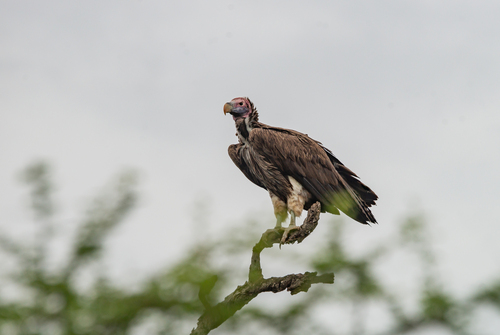 Lappet-faced Vulture
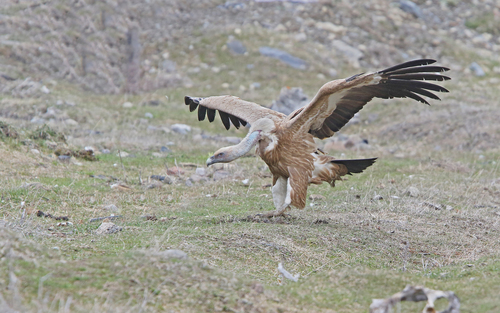 Grifone
In breve
Il segno di campo più affidabile per separare il Lappet-faced Vulture dal Grifone è la colorazione generale e il motivo della testa: il Lappet-faced è molto più scuro sopra, con una testa nuda e colorata che presenta pieghe carnose ('lappets'), mentre il Grifone è più chiaro con una testa e un collare bianco. In volo, il Lappet-faced mostra ali larghe e nerastre con cosce bianche a contrasto, mentre il Grifone ha un corpo e copritrici delle ali color sabbia che contrastano con le penne da volo scure e manca della macchia bianca sulla coscia. Strutturalmente, il Lappet-faced è più massiccio con un becco massiccio e un aspetto più potente, mentre il Grifone è ancora grande ma meno imponente. Entrambi sono grandi avvoltoi del Vecchio Mondo, ma il loro piumaggio e i dettagli della testa sono i segni di campo più rapidi, specialmente a distanza.
Consigli di identificazione
- Head and Lappets: Il Lappet-faced Vulture ha una testa nuda e colorata con evidenti pieghe carnose (lappets) sui lati; il Grifone ha una testa bianca e calva con un collare bianco soffice e senza lappets. Questa è la caratteristica diagnostica più importante a distanza ravvicinata o moderata.
- Bill Size: Il Lappet-faced ha un becco massiccio e profondo (fino a 10 cm di lunghezza, 5 cm di profondità), notevolmente più grande rispetto al becco giallastro, proporzionalmente più piccolo del Grifone. Questo è meglio visibile quando è posato o a distanza ravvicinata.
- Overall Plumage Tone: Il Lappet-faced è nerastro sopra (marrone nei volatili arabi), con un forte contrasto rispetto alle piume bianche delle cosce; il Grifone è molto più chiaro, con un corpo color sabbia e copritrici delle ali e penne da volo scure a contrasto. Usa questo in tutte le età.
- White Thigh Patch: Solo il Lappet-faced mostra una macchia bianca audace sulle cosce, visibile sia posato che in volo. Il Grifone manca completamente di questa caratteristica.
- Neck Ruff: Il Grifone ha un evidente collare bianco; il Lappet-faced non ha alcun collare, enfatizzando ulteriormente la sua testa nuda e rugosa.
- Flight Silhouette: Il Lappet-faced mostra ali larghe e squadrate con bordi anteriori paralleli e punte delle ali leggermente appuntite e seghettate; il Grifone ha ali più larghe, ma con secondarie più sporgenti e una forma delle ali meno squadrata. Cerca questo a distanza.
- Tail: Entrambi hanno code corte, ma questa non è una separazione forte basata sulle note.
- Size and Bulk: Entrambi sono enormi, ma il Lappet-faced è più massiccio e più robusto, specialmente nella testa e nel becco. Il Grifone è leggermente più pesante in media, ma appare meno massiccio sul campo.
- Head Color Variation: Il colore della testa del Lappet-faced varia a seconda della regione (rosso nell'Africa meridionale, rosa opaco a nord, rosa/grigio in Arabia); il Grifone ha sempre una testa bianca.
- Behavior at Carcasses: Il Lappet-faced è più propenso a dominare sui cadaveri e può essere visto nutrirsi di prede fresche o addirittura cacciare; il Grifone è strettamente un necrofago.
- Habitat Context: Il Lappet-faced preferisce paesaggi aridi e aperti; il Grifone si trova più spesso in aree montuose o aperte, specialmente in Europa e Asia.
- Confusion Risk: A grande distanza, entrambi possono apparire grandi e scuri, ma la macchia bianca sulla coscia (Lappet-faced) e il corpo chiaro/collare (Grifone) sono fondamentali. Non confondere con avvoltoi più piccoli o il Lappet-faced Vulture tutto scuro (che manca della macchia bianca sulla coscia e ha una forma della testa diversa).
- Age-related Marks: Non sono descritti segni specifici di gioventù/immaturo per nessuna delle due specie nelle note, quindi fai affidamento sul colore generale e sulle caratteristiche della testa/collo in tutte le età.
- Sex Differences: Non sono separabili in modo affidabile sul campo per nessuna delle due specie in base alle note.
- Voice: Non diagnostico o descritto per la separazione nelle note.
Taglia
Entrambe le specie sono tra i più grandi avvoltoi del Vecchio Mondo, ma il Lappet-faced Vulture è generalmente più lungo (95–115 cm) e ha un'apertura alare leggermente più grande (2.5–2.9 m) rispetto al Grifone (93–122 cm, apertura alare 2.3–2.8 m). Tuttavia, il Grifone è più pesante in media (massa media adulta ~8.3 kg, con alcuni individui fino a 10.5 kg o più), mentre il Lappet-faced può variare da 4.4 a 9.4 kg in natura, con alcune femmine in cattività più grandi. Sul campo, il Lappet-faced appare più massiccio e robusto, specialmente nella testa e nel becco, ma entrambi sono indiscutibilmente grandi.
Piumaggio
- Juvenile/Immature Upperwing (if visible): Non è descritto alcun modello specifico di ala superiore per età per nessuna delle due specie nelle note, ma entrambe mostrano ali larghe in volo. Il Lappet-faced è nerastro sopra con una forte macchia bianca sulla coscia, mentre il Grifone è molto più chiaro con un corpo color sabbia e copritrici delle ali e penne da volo scure.
- Head and Neck: Il Lappet-faced ha una testa nuda e colorata (rossa, rosa o grigia a seconda della regione) con distintive lappets carnose sui lati; il Grifone ha una testa bianca e calva con un collare bianco soffice e un becco giallo.
- Body and Wing Coverts: Il Lappet-faced è nerastro sopra (marrone nei volatili arabi), con parti inferiori bianche o color sabbia e una forte macchia bianca sulla coscia. Il Grifone è complessivamente molto più chiaro, con un corpo color sabbia e copritrici delle ali che contrastano con le penne da volo scure; manca della macchia bianca sulla coscia.
- Flight Silhouette: Il Lappet-faced mostra ali larghe con bordi paralleli e punte delle ali leggermente appuntite e seghettate; il Grifone ha ali larghe ma con secondarie più sporgenti e un aspetto meno squadrato.
- Tail: Entrambi hanno code relativamente corte, ma la forma della coda non è evidenziata come una differenza chiave nelle note.
Comportamento
I Lappet-faced Vultures sono più propensi a essere visti nutrirsi di piccoli animali appena uccisi, a volte anche cacciando prede vive, inclusi giovani mammiferi e uccelli. Possono cacciare da un posatoio e tuffarsi sulla preda, usando il loro potente becco. I Grifone sono necrofagi tipici, che si affidano quasi esclusivamente ai cadaveri e non sono noti per cacciare animali vivi. Entrambe le specie planano su termiche e sono spesso viste planare con ali larghe, ma il Lappet-faced può apparire più solitario o dominante sui cadaveri a causa della sua dimensione e aggressività.
Habitat
Entrambe le specie si trovano in habitat aperti, ma il Lappet-faced Vulture è più diffuso in regioni aride e semi-aride dell'Africa e dell'Arabia, mentre il Grifone è più tipico di aree montuose e aperte nel sud Europa, Nord Africa e parti dell'Asia. Può verificarsi sovrapposizione in Nord Africa e Medio Oriente. Il Lappet-faced è in declino in gran parte del suo areale ed è ora in pericolo, mentre il Grifone ha un areale più ampio ed è localmente comune in alcune aree.