

Motmot

ツメナガホオジロ 対 オオジュリン

Calcarius lapponicus 対 Emberiza schoeniclus

ツメナガホオジロとオオジュリンのクイズ
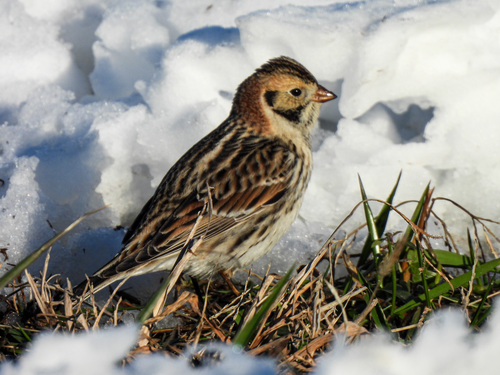
ツメナガホオジロ (Calcarius lapponicus) ツメナガホオジロ
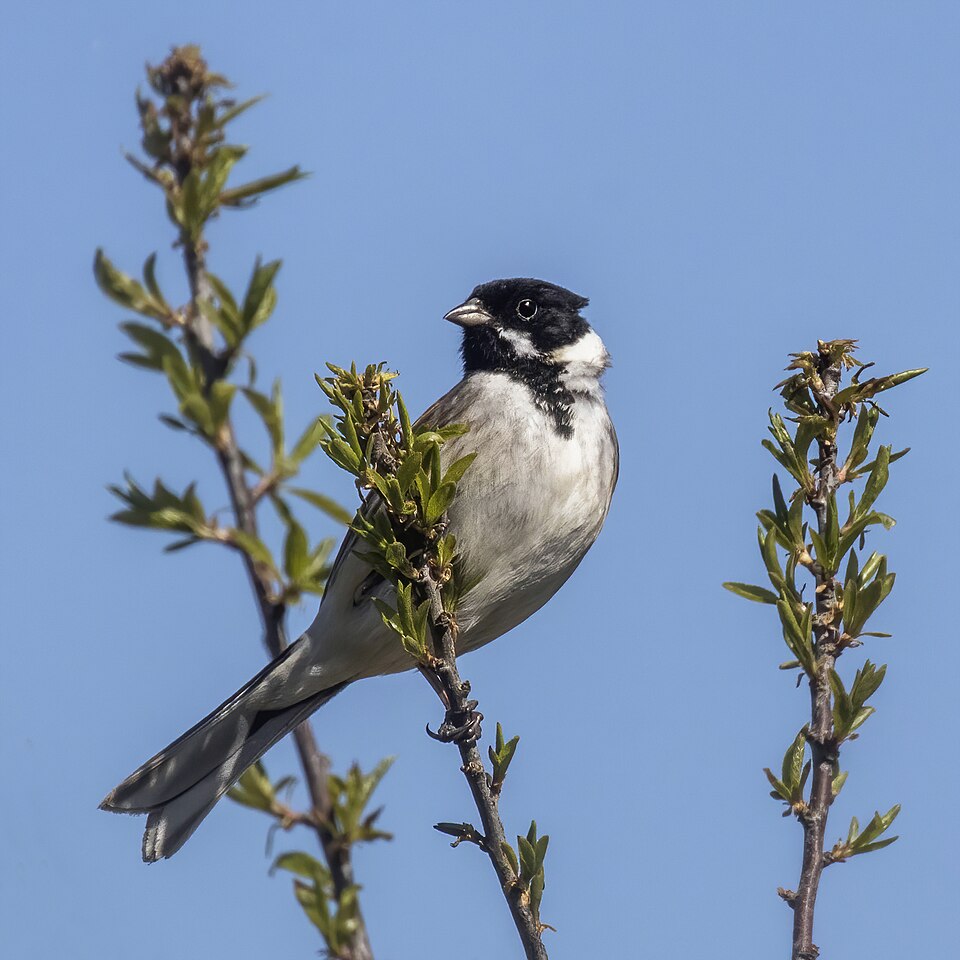
オオジュリン (Emberiza schoeniclus) オオジュリン

メディア

読み込み中…

要点

ツメナガホオジロとオオジュリンの最も信頼できるフィールドマークは、ツメナガホオジロの栗色の後頭部と対照的な頭の模様の存在です。特に非繁殖期や未成熟の鳥において、対して雌や未成熟のReed Buntingはより均一に縞模様があり、茶色の頭を持っています。飛行中または静止中、ツメナガホオジロはしばしばより厚く、黄味がかったくちばしと、より頑丈で長い構造を示しますが、Reed Buntingはスリムで小さく、円錐形のくちばしを持っています。両種の成鳥のオスは繁殖羽衣で黒い頭を示すことがありますが、ツメナガホオジロのオスは目立つ白いアイストライプと栗色の後頭部を持ち、Reed Buntingのオスは白い首の襟を持ち、栗色はありません。幼鳥や冬の鳥はより混同されやすいですが、頭の模様、くちばしの色、全体的な印象に注意を払うことでフィールドで区別できます。

識別のコツ

  1. 栗色の後頭部 (ツメナガホオジロ): 後頭部に豊かな栗色の斑点を探してください。これは最も摩耗したり擦り切れた羽衣を除いて、すべての羽衣で見られます。Reed Buntingはこの特徴を示しません。
  2. 頭の模様 (すべての年齢): ツメナガホオジロはより対照的な頭を持ち、淡い眉斑と栗色の後頭部があります。Reed Buntingは特に雌や未成熟の個体ではより地味で、茶色の縞模様の頭を持ち、栗色はありません。
  3. くちばしの色と形: ツメナガホオジロはより厚く、黄味がかったくちばしを持ち、先端が暗いです。Reed Buntingのくちばしは小さく、より円錐形で、角質色です。
  4. オスの繁殖羽衣: 両者とも黒い頭を示すことがありますが、ツメナガホオジロのオスは白いアイストライプと栗色の後頭部を持ち、Reed Buntingのオスは白い首の襟を持ち、栗色はありません。
  5. 腹部: ツメナガホオジロは腹部が白く、主に脇腹に限られた縞模様があります。Reed Buntingはより重く縞模様があり、特に雌や未成熟の個体で横縞があります。
  6. 背中と翼のパネル: ツメナガホオジロの背中は黒灰色で重く縞模様があり、翼のパネルに栗色が見られることがあります。Reed Buntingの背中は茶色で縞模様がありますが、栗色のトーンはありません。
  7. 全体的な構造: ツメナガホオジロはより頑丈でがっしりしており、より長く、重い体と厚いくちばしを持っています。Reed Buntingはスリムでより繊細です。
  8. 生息地の文脈: 湿地や沼地ではReed Buntingがはるかに多く見られますが、開けたツンドラ、茎、または草地では特に移動中にツメナガホオジロが好まれます。
  9. 行動: ツメナガホオジロは開けた地面で群れで見られることが多く、頻繁に移動します。Reed Buntingはしばしば単独またはペアで見られ、葦や低木に止まります。
  10. 飛行の印象: ツメナガホオジロは飛行中により頑丈で、あまりひらひらしないように見えることがあります。Reed Buntingは軽く、より機敏で、しばしば隠れ場所に落ちます。
  11. 鳴き声 (聞かれる場所): Reed Buntingのオスは繰り返しの「srip」を歌います。ツメナガホオジロの鳴き声(ここでは説明されていません)は乾いた rattling で、聞かれた場合に役立ちます。
  12. 季節的文脈: 冬には両種が農地に出現することがありますが、ツメナガホオジロは稀で、開けた裸のフィールドにいる可能性が高いです。Reed Buntingは湿地の縁や生垣でより一般的です。
  13. 雌/未成熟の混同: 縞模様の茶色のバンティングに直面した場合は、後頭部の色、くちばしの形、頭の模様に焦点を当ててください。栗色の後頭部と黄味がかったくちばしはツメナガホオジロを指し、地味な縞模様の頭と小さなくちばしはReed Buntingを指します。
  14. 豊富さ: Reed Buntingはヨーロッパのほとんどの地域で非常に一般的で、特に極北以外ではそうです。ツメナガホオジロは稀で、通常は移動中または冬の群れで見られます。
  15. 落とし穴: 頭のコントラストを失った摩耗したツメナガホオジロや、いくつかの光の中でよりオレンジ茶色に見える鈍いReed Buntingに注意してください。常に複数の特徴を確認してください。

大きさ

ツメナガホオジロはわずかに大きく、重いです:長さ15〜16 cm、重さ22.3〜33.1 g、翼幅22〜29 cm [wikipedia][avonet]。オオジュリンは長さ13.5〜15.5 cm、重さ10〜28 gです [wikipedia][avonet]。手に取ったり近距離で見ると、ツメナガホオジロはより頑丈でがっしりしているのに対し、Reed Buntingはスリムでより繊細です。ただし、重なりがあり、サイズだけではフィールドでの診断にはなりません。

羽色

行動

ツメナガホオジロは主に地面で餌を探し、裸の土や低い植生から種をついばみ、移動中や冬には群れで見られることが多いです。彼らは落ち着きがなく、餌場の間を頻繁に移動します。Reed Buntingも地面で餌を探しますが、より頻繁に葦や低木、フェンスの上に止まっているのが見られ、特に水の近くや湿地の生息地で見られます。Reed Buntingは大きな群れを形成する可能性が低く、繁殖期には単独またはペアで見られることが多いです。

生息環境

ツメナガホオジロは繁殖期に開けた、しばしば北極またはツンドラの生息地の鳥ですが、移動中や冬には開けた野原、茎、草地で見られることがあります。Reed Buntingは湿地、葦原、湿った低木に強く関連していますが、冬には農地や生垣でも見られることがあります。葦原や湿地でバンティングを見つけた場合、Reed Buntingの可能性がはるかに高いですが、開けた茎やツンドラではツメナガホオジロが好まれます。

声

唯一記載されている鳴き声はReed Buntingのオスの歌で、繰り返しの「srip」です。ここではツメナガホオジロの鳴き声は記載されていません。実際には、ツメナガホオジロは飛行中に乾いた rattling の鳴き声を出しますが、これは提供されたメモには含まれていません。

より良い説明を送る

比較と同じ項目を使ってください。文章はすぐに公開されます。

The most reliable field mark between Lapland Bunting and Common Reed Bunting is the presence of a chestnut nape and contrasting head pattern in Lapland Bunting, especially in non-breeding and immature birds, versus the more uniformly streaked and brownish head of female and immature Reed Buntings. In flight or at rest, Lapland Bunting often shows a thicker, yellowish bill and a more robust, longspur-like structure, while Reed Bunting is slimmer with a smaller, conical bill. Adult males of both species can show black heads in breeding plumage, but Lapland Bunting males have a striking white eyestripe and chestnut nape, while Reed Bunting males have a white neck collar and lack the chestnut. Juvenile and winter birds are more easily confused, but careful attention to head pattern, bill color, and overall jizz will separate them in the field.

  1. Chestnut nape (Lapland Bunting): Look for a rich chestnut patch on the nape, visible in all plumages except the most worn or abraded. Reed Bunting never shows this feature.
  2. Head pattern (all ages): Lapland Bunting has a more contrasting head, with a pale supercilium and chestnut nape; Reed Bunting is plainer, especially in females and immatures, with a streaked brown head and no chestnut.
  3. Bill color and shape: Lapland Bunting has a thicker, yellowish bill with a dark tip, giving a robust impression; Reed Bunting's bill is smaller, more conical, and horn-colored.
  4. Male breeding plumage: Both can show black heads, but Lapland Bunting male has a white eyestripe and chestnut nape, while Reed Bunting male has a white neck collar and no chestnut.
  5. Underparts: Lapland Bunting has white underparts with limited streaking, mainly on the flanks; Reed Bunting is more heavily streaked and barred below, especially in females and immatures.
  6. Back and wing panel: Lapland Bunting's back is heavily streaked with black-grey and can show chestnut in the wing panel; Reed Bunting's back is brown and barred but lacks the chestnut tones.
  7. Overall structure: Lapland Bunting is more robust and stocky, with a longer, heavier body and thicker bill; Reed Bunting is slimmer and more delicate.
  8. Habitat context: In reedbeds or marshy areas, Reed Bunting is much more likely; in open tundra, stubble, or grassland, especially in migration, Lapland Bunting is favored.
  9. Behavior: Lapland Bunting is more likely to be seen in flocks on open ground, moving frequently; Reed Bunting is often solitary or in pairs, perching on reeds or bushes.
  10. Flight jizz: Lapland Bunting may appear more robust and less fluttery in flight; Reed Bunting is lighter and more agile, often dropping into cover.
  11. Vocalization (where heard): Reed Bunting male sings a repetitive 'srip'; Lapland Bunting's call (not described here) is a dry rattle, useful if heard.
  12. Seasonal context: In winter, both species can occur in farmland, but Lapland Bunting is scarcer and more likely to be in open, bare fields; Reed Bunting is commoner in wetland edges and hedgerows.
  13. Female/immature confusion: When faced with streaky brown buntings, focus on the nape color, bill shape, and head pattern; chestnut nape and yellowish bill point to Lapland Bunting, plain streaked head and smaller bill to Reed Bunting.
  14. Abundance: Reed Bunting is much more common in most of Europe, especially outside the far north; Lapland Bunting is scarce and usually seen in migration or winter flocks.
  15. Pitfalls: Beware of worn Lapland Buntings losing head contrast, and dull Reed Buntings appearing more orange-brown in some lights. Always check multiple features.

Lapland Bunting is slightly larger and heavier: 15–16 cm length, 22.3–33.1 g weight, and 22–29 cm wingspan [wikipedia][avonet]. Common Reed Bunting is 13.5–15.5 cm long and weighs 10–28 g [wikipedia][avonet]. In the hand or at close range, Lapland Bunting feels more robust and stocky, while Reed Bunting is slimmer and more delicate. However, there is overlap, and size alone is not diagnostic in the field.

  • Juvenile/First-winter/Non-breeding birds:
  • Lapland Bunting: Head is orange-brown with a chestnut nape and often a faint pale supercilium; back is brown with heavy black-grey streaking; wing panels can show chestnut tones. Bill is yellowish, often with a dark tip. Underparts are white with variable streaking on the flanks. The overall impression is of a robust, streaky bird with a contrasting head pattern and chestnut nape.
  • Common Reed Bunting: Female/immature birds have a streaked brown head, lacking the chestnut nape; underparts are more heavily barred and streaked, especially on the breast and flanks. Bill is smaller, conical, and generally horn-colored. The head pattern is plainer, with a less distinct supercilium and no chestnut. Back is also streaked but lacks the rich chestnut tones.
  • Adult breeding males:
  • Lapland Bunting: Striking black head and throat, white eyestripe, chestnut nape, white underparts, and heavily streaked black-grey back. The bill remains yellowish.
  • Common Reed Bunting: Black head and throat, white neck collar and underparts, heavily barred brown back. No chestnut nape; bill is smaller and horn-colored.
  • In flight: No distinctive upperwing pattern is described for either species in these notes, but Lapland Bunting may show more obvious chestnut in the wing panel and nape, especially in fresh plumage.

Lapland Bunting forages mainly on the ground, picking seeds from bare earth or low vegetation, often in flocks during migration and winter. They are restless, moving between feeding areas frequently. Reed Bunting is also ground-feeding but more often seen perched on reeds, bushes, or fence lines, especially near water or in marshy habitats. Reed Buntings are less likely to form large flocks and are more often seen singly or in pairs during the breeding season.

Lapland Bunting is a bird of open, often arctic or tundra habitats in the breeding season, but in migration and winter can be found in open fields, stubble, and grasslands. Reed Bunting is strongly associated with wetlands, reedbeds, and damp scrub, but in winter can also be found in farmland and hedgerows. If you find a bunting in a reedbed or marsh, Reed Bunting is far more likely; in open stubble or tundra, Lapland Bunting is favored.

The only vocalization described is the Reed Bunting male's song: a repetitive 'srip.' No vocal notes are given for Lapland Bunting here. In practice, Lapland Bunting gives a dry, rattling call in flight, but this is not covered in the provided notes.

変更を破棄しますか?

保存していない編集があります。今離れると失われます。

ツメナガホオジロ · オオジュリン · 苦手な鳥