

Escribano Lapón vs Escribano Palustre
Calcarius lapponicus frente a Emberiza schoeniclus
Juega un quiz con Escribano Lapón y Escribano Palustre
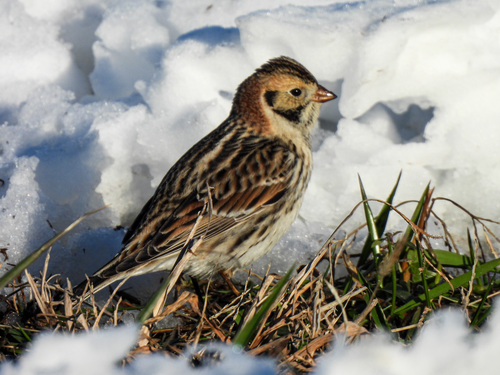 Escribano Lapón
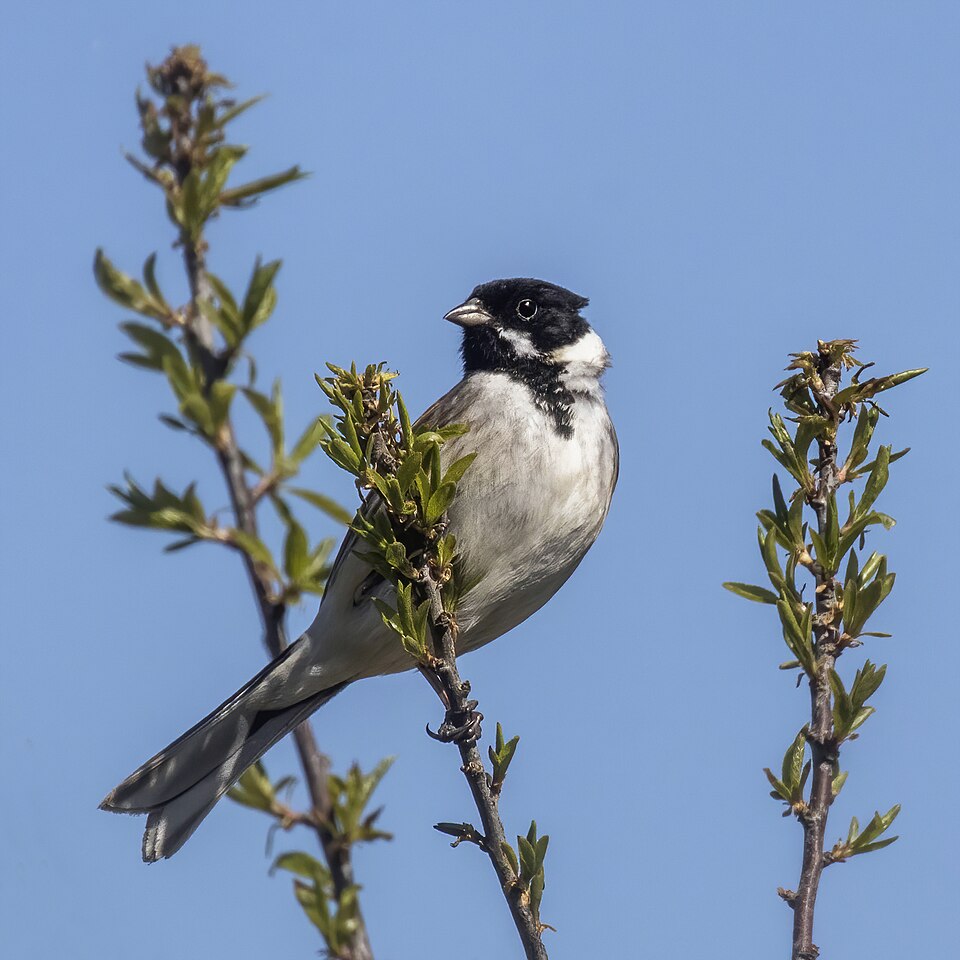 Escribano Palustre
En breve
La marca de campo más confiable entre el Escribano Lapón y el Escribano Palustre es la presencia de una nuca castaña y un patrón de cabeza contrastante en el Escribano Lapón, especialmente en aves no reproductivas e inmaduras, en comparación con la cabeza más uniformemente estriada y marrón de las hembras y los Escribanos Palustres inmaduros. En vuelo o en reposo, el Escribano Lapón a menudo muestra un pico más grueso y amarillento y una estructura más robusta, similar a un espolón largo, mientras que el Escribano Palustre es más delgado con un pico más pequeño y cónico. Los machos adultos de ambas especies pueden mostrar cabezas negras en plumaje de cría, pero los machos de Escribano Lapón tienen una notable franja blanca sobre los ojos y una nuca castaña, mientras que los machos de Escribano Palustre tienen un collar blanco en el cuello y carecen de la nuca castaña. Las aves juveniles y de invierno son más fácilmente confundibles, pero una atención cuidadosa al patrón de la cabeza, el color del pico y la apariencia general los separará en el campo.
Consejos de identificación
- Nuca castaña (Escribano Lapón): Busca una rica mancha castaña en la nuca, visible en todos los plumajes excepto en los más desgastados o desgastados. El Escribano Palustre nunca muestra esta característica.
- Patrón de cabeza (todas las edades): El Escribano Lapón tiene una cabeza más contrastante, con un supercilio pálido y una nuca castaña; el Escribano Palustre es más simple, especialmente en hembras e inmaduros, con una cabeza marrón estriada y sin castaño.
- Color y forma del pico: El Escribano Lapón tiene un pico más grueso y amarillento con una punta oscura, dando una impresión robusta; el pico del Escribano Palustre es más pequeño, más cónico y de color cuerno.
- Plumaje de cría de machos: Ambos pueden mostrar cabezas negras, pero el macho de Escribano Lapón tiene una franja blanca sobre los ojos y una nuca castaña, mientras que el macho de Escribano Palustre tiene un collar blanco en el cuello y no tiene castaño.
- Partes inferiores: El Escribano Lapón tiene partes inferiores blancas con estrías limitadas, principalmente en los flancos; el Escribano Palustre está más estriado y barrado por debajo, especialmente en hembras e inmaduros.
- Espalda y panel de alas: La espalda del Escribano Lapón está fuertemente estriada con negro-gris y puede mostrar castaño en el panel de las alas; la espalda del Escribano Palustre es marrón y barrada pero carece de los tonos castaños.
- Estructura general: El Escribano Lapón es más robusto y robusto, con un cuerpo más largo y pesado y un pico más grueso; el Escribano Palustre es más delgado y más delicado.
- Contexto de hábitat: En juncales o áreas pantanosas, el Escribano Palustre es mucho más probable; en tundra abierta, rastrojos o praderas, especialmente en migración, se prefiere el Escribano Lapón.
- Comportamiento: El Escribano Lapón es más probable que se vea en bandadas en terreno abierto, moviéndose con frecuencia; el Escribano Palustre a menudo es solitario o en parejas, posándose en juncos o arbustos.
- Apariencia en vuelo: El Escribano Lapón puede parecer más robusto y menos tembloroso en vuelo; el Escribano Palustre es más ligero y ágil, a menudo cayendo en la cobertura.
- Vocalización (donde se escucha): El macho de Escribano Palustre canta un 'srip' repetitivo; el llamado del Escribano Lapón (no descrito aquí) es un traqueteo seco, útil si se escucha.
- Contexto estacional: En invierno, ambas especies pueden ocurrir en tierras agrícolas, pero el Escribano Lapón es más escaso y más probable que esté en campos abiertos y desiertos; el Escribano Palustre es más común en bordes de humedales y setos.
- Confusión hembra/inmaduro: Cuando te enfrentas a escribanos marrones estriados, concéntrate en el color de la nuca, la forma del pico y el patrón de la cabeza; la nuca castaña y el pico amarillento apuntan al Escribano Lapón, la cabeza estriada simple y el pico más pequeño al Escribano Palustre.
- Abundancia: El Escribano Palustre es mucho más común en la mayor parte de Europa, especialmente fuera del extremo norte; el Escribano Lapón es escaso y generalmente se ve en migración o bandadas de invierno.
- Trampas: Ten cuidado con los Escribanos Lapones desgastados que pierden el contraste de la cabeza, y los Escribanos Palustres apagados que aparecen más naranja-marrón en algunas luces. Siempre verifica múltiples características.
Tamaño
El Escribano Lapón es ligeramente más grande y pesado: 15–16 cm de longitud, 22.3–33.1 g de peso y 22–29 cm de envergadura [wikipedia][avonet]. El Escribano Palustre mide 13.5–15.5 cm de largo y pesa 10–28 g [wikipedia][avonet]. En la mano o a corta distancia, el Escribano Lapón se siente más robusto y robusto, mientras que el Escribano Palustre es más delgado y más delicado. Sin embargo, hay superposición, y el tamaño solo no es diagnóstico en el campo.
Plumaje
- Aves juveniles/primer invierno/no reproductivas:
- Escribano Lapón: La cabeza es marrón-naranja con una nuca castaña y a menudo un supercilio pálido tenue; la espalda es marrón con estrías negras-grises pesadas; los paneles de las alas pueden mostrar tonos castaños. El pico es amarillento, a menudo con una punta oscura. Las partes inferiores son blancas con estrías variables en los flancos. La impresión general es de un ave robusta y estriada con un patrón de cabeza contrastante y una nuca castaña.
- Escribano Palustre: Las hembras/aves inmaduras tienen una cabeza marrón estriada, careciendo de la nuca castaña; las partes inferiores están más barradas y estriadas, especialmente en el pecho y los flancos. El pico es más pequeño, cónico y generalmente de color cuerno. El patrón de la cabeza es más simple, con un supercilio menos distintivo y sin castaño. La espalda también está estriada pero carece de los ricos tonos castaños.
- Machos adultos en plumaje de cría:
- Escribano Lapón: Cabeza y garganta negras llamativas, franja blanca sobre los ojos, nuca castaña, partes inferiores blancas y espalda fuertemente estriada de negro-gris. El pico sigue siendo amarillento.
- Escribano Palustre: Cabeza y garganta negras, collar blanco en el cuello y partes inferiores, espalda marrón fuertemente barrada. Sin nuca castaña; el pico es más pequeño y de color cuerno.
- En vuelo: No se describe un patrón distintivo en la parte superior de las alas para ninguna de las especies en estas notas, pero el Escribano Lapón puede mostrar un castaño más obvio en el panel de las alas y la nuca, especialmente en plumaje fresco.
Comportamiento
El Escribano Lapón forrajea principalmente en el suelo, recogiendo semillas de la tierra desnuda o de la vegetación baja, a menudo en bandadas durante la migración y el invierno. Son inquietos, moviéndose entre áreas de alimentación con frecuencia. El Escribano Palustre también se alimenta en el suelo, pero se ve más a menudo posado en juncos, arbustos o cercas, especialmente cerca del agua o en hábitats pantanosos. Los Escribanos Palustres son menos propensos a formar grandes bandadas y se ven más a menudo solos o en parejas durante la temporada de cría.
Hábitat
El Escribano Lapón es un ave de hábitats abiertos, a menudo árticos o de tundra en la temporada de cría, pero en migración e invierno se puede encontrar en campos abiertos, rastrojos y praderas. El Escribano Palustre está fuertemente asociado con humedales, juncales y matorrales húmedos, pero en invierno también se puede encontrar en tierras agrícolas y setos. Si encuentras un escribano en un juncal o pantano, es mucho más probable que sea un Escribano Palustre; en rastrojos abiertos o tundra, se prefiere el Escribano Lapón.
Voz
La única vocalización descrita es la canción del macho de Escribano Palustre: un 'srip' repetitivo. No se dan notas vocales para el Escribano Lapón aquí. En la práctica, el Escribano Lapón emite un llamado seco y traqueteante en vuelo, pero esto no se cubre en las notas proporcionadas.