

Motmot

エボシドリ 対 ズグロエボシドリ

Tauraco corythaix 対 Gallirex porphyreolophus

エボシドリとズグロエボシドリのクイズ
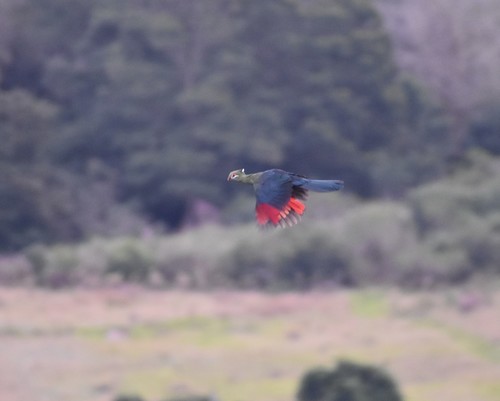
エボシドリ (Tauraco corythaix) エボシドリ
ズグロエボシドリ (Gallirex porphyreolophus) ズグロエボシドリ

メディア

読み込み中…

要点

エボシドリとズグロエボシドリを区別する最も信頼性の高いフィールドマークは、冠と顔の色とパターンです:Knysnaは白い先端のある高い緑の冠と目の下に白いラインを持ち、Purple-crestedは目を引く紫の冠を示し、白い顔のラインがなく、体にはより広範な紫の洗いが見られます。両種は飛行中に赤い飛行羽を示しますが、Knysnaの体は主に緑であるのに対し、Purple-crestedは紫の体に緑の頭と胸を持っています。幼鳥のエボシドリは、白い先端のない短い全緑の冠を持ち、混乱を引き起こす可能性がありますが、顔のパターンと全体の色がそれらを区別します。両者は南部アフリカの森林に生息する大きくて長い尾を持つ鳥ですが、その羽毛のコントラストは遠くからでも見えます。

識別のコツ

  1. Crest Color and Shape: エボシドリは白い先端のある高い緑の冠を持っています(成鳥);ズグロエボシドリは短い全紫の冠を持っています。幼鳥のKnysnaは白い先端がありませんが、依然として緑の冠を示し、Purple-crestedの紫とは異なります。
  2. Facial Pattern: Knysnaは目の下に明確な白いラインと深い赤のアイリングを示し、Purple-crestedは赤いアイリングを持っていますが白い顔のラインがなく、より平凡な顔をしています。
  3. Bill Color: Knysnaは小さくて厚いオレンジ赤のくちばしを持ち、Purple-crestedは黒いくちばしを持っています。これは近距離または良い光の下で見えます。
  4. Crest Tip: エボシドリ(成鳥)のみが白い先端のある冠を持っています。白い先端のある緑の冠を見たら、それはKnysnaです。
  5. Body Color: Knysnaは全体的に主に緑です;Purple-crestedは紫の体に緑の頭と胸を持っています。体が主に紫に見える場合、それはPurple-crestedです。
  6. Flight Feathers: 両種は飛行中に深紅の一次羽を示しますので、これは区別要因ではありませんが、飛行中に見える体の色が役立つことがあります—Knysnaは緑、Purple-crestedは紫です。
  7. Juvenile Confusion: 幼鳥のKnysnaは白い冠の先端がありませんが、依然として緑の冠と白い顔のラインを持っています。Purple-crestedの幼鳥(詳細には説明されていません)は、早い段階から紫の体と冠を示すと予想されます。
  8. Perched vs. Flight Views: 側に止まっている鳥では、冠と顔のパターンに焦点を当てます。飛行中は全体の体の色(緑対紫)と白い顔のマークを探します。
  9. Tail and Structure: 両者は長い尾を持ち、形は似ています;構造は信頼性のある区別要因ではありません。
  10. Eye-ring: 両者は赤いアイリングを持っていますが、Knysnaのものはより深い赤と説明されています。
  11. Sex Differences: 両種は性別が似ており、識別のために性別に頼らないでください。
  12. Seasonal Variation: 両種は年間を通じて色を維持し、季節的な羽毛の変化は考慮する必要はありません。
  13. Habitat/Range: 両者は南部アフリカの森林に生息し、エスワティニを含みます;範囲が重なる場所では生息地を主要な区別要因として使用しないでください。
  14. Behavioral Cues: Knysnaは逃げるときに赤い翼の羽を囮として使用することがあります;これは視覚的な区別要因ではありませんが、止まっている鳥の赤が突然消える理由を説明するかもしれません。
  15. Museum Specimens: フィールドIDには関連しませんが、Knysnaの色素は標本で年齢とともに深くなる可能性があることに注意してくださいが、生きている鳥には当てはまりません。

大きさ

両種は大きなエボシドリで、エボシドリは尾を含めて約40〜42 cmの長さです [wikipedia]。提供されたメモにはズグロエボシドリの直接的なサイズ比較はありませんが、両者は大きくて長い尾を持つ鳥として説明されており、全体的な構造と印象は似ています。サイズだけではフィールドでの信頼できる区別要因にはなりません。

羽色

行動

両種はしばしば樹上で目立たず、大きさと色にもかかわらず見つけるのが難しいことがあります。エボシドリは捕食者の気をそらすために赤い翼の羽を使用することで知られています—着地して翼を折りたたむと、赤が消えます。ズグロエボシドリは大きな果実食者として説明されており、長距離にわたって種を運び、再び吐き出すことで知られていますが、これはフィールドマークではありません。両種は木の間を飛んでいるか、樹冠の高いところに止まっているのが見られる可能性があります。

生息環境

エボシドリは南部および東部南アフリカとエスワティニの成熟した常緑樹林に生息する常駐繁殖者です。ズグロエボシドリも南部アフリカに生息し、エスワティニを含みますが、メモには生息地の違いは指定されていません。両者は森林の鳥であり、両者が生息する地域では生息地の重複がある可能性があります。生息地だけでは診断的ではありません。

より良い説明を送る

比較と同じ項目を使ってください。文章はすぐに公開されます。

The most reliable field mark to separate Knysna Turaco from Purple-crested Turaco is the color and pattern of the crest and face: Knysna has a tall green crest tipped with white and a white line under the eye, while Purple-crested shows a striking purple crest, lacks the white facial line, and has a more extensive purple wash on the body. Both species show red flight feathers in flight, but Knysna's body is mainly green, whereas Purple-crested is purple-bodied with a green head and chest. Juvenile Knysna Turacos have a shorter, all-green crest without white tips, which can cause confusion, but the facial pattern and overall color still separate them. Both are large, long-tailed birds of southern African forests, but their plumage contrasts remain visible even at a distance.

  1. Crest Color and Shape: Knysna Turaco has a tall green crest with white tips (adults); Purple-crested Turaco has a shorter, all-purple crest. Juvenile Knysna lacks the white tips but still shows a green crest, unlike the purple of Purple-crested.
  2. Facial Pattern: Knysna shows a distinct white line under the eye and a deep red eye-ring; Purple-crested has a red eye-ring but no white facial line, giving a plainer face.
  3. Bill Color: Knysna has a small but thick orange-red bill; Purple-crested has a black bill. This is visible at close range or in good light.
  4. Crest Tip: Only Knysna Turaco (adult) has a white-tipped crest. If you see a white-tipped green crest, it's Knysna.
  5. Body Color: Knysna is mainly green overall; Purple-crested is purple-bodied with a green head and chest. If the body appears mostly purple, it's Purple-crested.
  6. Flight Feathers: Both species show crimson red primaries in flight, so this is not a separator, but the body color seen in flight can help—green for Knysna, purple for Purple-crested.
  7. Juvenile Confusion: Juvenile Knysna lacks the white crest tip but still has a green crest and white facial line. Purple-crested juveniles (not described in detail) are expected to show purple body and crest from early on.
  8. Perched vs. Flight Views: In perched birds, focus on crest and facial pattern. In flight, look for overall body color (green vs. purple) and white facial marks.
  9. Tail and Structure: Both are long-tailed and similar in shape; structure is not a reliable separator.
  10. Eye-ring: Both have a red eye-ring, but Knysna's is described as deeper red.
  11. Sex Differences: Both species are sexually similar; do not rely on sex for identification.
  12. Seasonal Variation: Both species maintain their colors year-round; no seasonal plumage changes to consider.
  13. Habitat/Range: Both occur in southern Africa forests, including Eswatini; do not use habitat as a primary separator where ranges overlap.
  14. Behavioral Cues: Knysna may use its red wing feathers as a decoy when escaping; this is not a visual separator but may explain sudden disappearance of red in perched birds.
  15. Museum Specimens: Not relevant for field ID, but note that Knysna's pigments may deepen with age in specimens, not in live birds.

Both species are large turacos, with Knysna Turaco measuring about 40–42 cm in length including the tail [wikipedia]. No direct size comparison is available for Purple-crested Turaco in the provided notes, but both are described as large, long-tailed birds and are similar in overall structure and jizz. Size alone is not a reliable separator in the field.

  • Juvenile/Immature: Juvenile Knysna Turacos have a shorter green crest lacking the white tips seen in adults, but still show a mainly green body and the distinctive white line under the eye. Purple-crested Turaco juveniles are not described in detail, but the species' purple body and purple crest are present from an early age, and they lack the Knysna's white facial line and green crest.
  • Adults: Knysna Turaco is mainly green with a tall green crest tipped with white, a white line under the eye, and a deep red eye-ring. The bill is orange-red. In flight, both species show crimson red primary flight feathers, but Knysna's green body and white facial markings contrast with Purple-crested's purple body and green head. Purple-crested Turaco has a purple crest, green head and chest, red eye-ring, black bill, and the rest of the body is purple. The facial pattern is less contrasting, lacking the white line and white crest tip of Knysna.

Both species are often inconspicuous in the treetops and can be difficult to spot despite their size and color. Knysna Turaco is noted for using its red wing feathers as a predator distraction—when it lands and folds its wings, the red disappears. Purple-crested Turaco is described as a large frugivore, known for carrying and regurgitating seeds over long distances, but this is not a field mark. Both species are likely to be seen flying between trees or perched high in the canopy.

Knysna Turaco is a resident breeder in mature evergreen forests of southern and eastern South Africa and Eswatini. Purple-crested Turaco also occurs in southern Africa, including Eswatini, but the notes do not specify habitat differences. Both are forest birds, and habitat overlap is likely in regions where both occur. Habitat alone is not diagnostic.

変更を破棄しますか?

保存していない編集があります。今離れると失われます。

エボシドリ · ズグロエボシドリ · 苦手な鳥