

Knysna Turaco vs Purple-crested Turaco
Tauraco corythaix contro Gallirex porphyreolophus
Fai un quiz con Knysna Turaco e Purple-crested Turaco
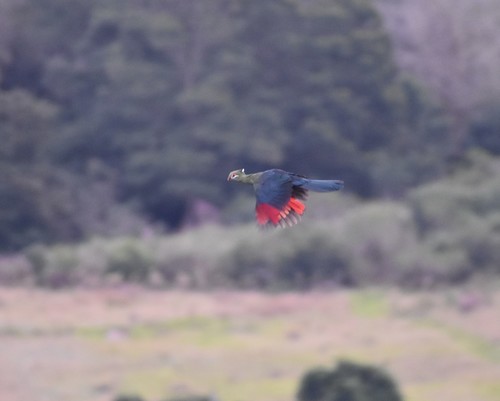 Knysna Turaco
 Purple-crested Turaco
In breve
Il segno distintivo più affidabile per separare il Knysna Turaco dal Purple-crested Turaco è il colore e il motivo della cresta e del viso: il Knysna ha una cresta verde alta con punte bianche e una linea bianca sotto l'occhio, mentre il Purple-crested mostra una cresta viola sorprendente, manca della linea facciale bianca e ha un lavaggio viola più esteso sul corpo. Entrambe le specie mostrano piume di volo rosse in volo, ma il corpo del Knysna è principalmente verde, mentre il Purple-crested è di corpo viola con testa e petto verdi. I giovani Knysna Turaco hanno una cresta più corta, completamente verde, senza punte bianche, il che può causare confusione, ma il motivo facciale e il colore generale li separano ancora. Entrambi sono grandi uccelli dalla lunga coda delle foreste dell'Africa meridionale, ma i loro contrasti di piumaggio rimangono visibili anche a distanza.
Consigli di identificazione
- Crest Color and Shape: Il Knysna Turaco ha una cresta verde alta con punte bianche (adulti); il Purple-crested Turaco ha una cresta più corta, completamente viola. Il giovane Knysna manca delle punte bianche ma mostra ancora una cresta verde, a differenza del viola del Purple-crested.
- Facial Pattern: Il Knysna mostra una linea bianca distintiva sotto l'occhio e un anello oculare rosso profondo; il Purple-crested ha un anello oculare rosso ma nessuna linea facciale bianca, dando un viso più semplice.
- Bill Color: Il Knysna ha un becco piccolo ma spesso di colore arancio-rosso; il Purple-crested ha un becco nero. Questo è visibile a distanza ravvicinata o in buona luce.
- Crest Tip: Solo il Knysna Turaco (adulto) ha una cresta con punte bianche. Se vedi una cresta verde con punte bianche, è un Knysna.
- Body Color: Il Knysna è principalmente verde nel complesso; il Purple-crested è di corpo viola con testa e petto verdi. Se il corpo appare principalmente viola, è un Purple-crested.
- Flight Feathers: Entrambe le specie mostrano primarie rosso cremisi in volo, quindi questo non è un separatore, ma il colore del corpo visto in volo può aiutare: verde per il Knysna, viola per il Purple-crested.
- Juvenile Confusion: Il giovane Knysna manca della punta bianca della cresta ma ha ancora una cresta verde e una linea facciale bianca. I giovani Purple-crested (non descritti in dettaglio) si prevede mostrino corpo e cresta viola fin da subito.
- Perched vs. Flight Views: Negli uccelli in posa, concentrati sulla cresta e sul motivo facciale. In volo, cerca il colore generale del corpo (verde vs. viola) e i segni facciali bianchi.
- Tail and Structure: Entrambi hanno una lunga coda e sono simili nella forma; la struttura non è un separatore affidabile.
- Eye-ring: Entrambi hanno un anello oculare rosso, ma quello del Knysna è descritto come rosso più profondo.
- Sex Differences: Entrambe le specie sono sessualmente simili; non fare affidamento sul sesso per l'identificazione.
- Seasonal Variation: Entrambe le specie mantengono i loro colori tutto l'anno; non ci sono cambiamenti stagionali nel piumaggio da considerare.
- Habitat/Range: Entrambi si trovano nelle foreste dell'Africa meridionale, compreso l'Eswatini; non usare l'habitat come separatore primario dove gli areali si sovrappongono.
- Behavioral Cues: Il Knysna può usare le sue piume rosse delle ali come esca quando scappa; questo non è un separatore visivo ma può spiegare la scomparsa improvvisa del rosso negli uccelli in posa.
- Museum Specimens: Non rilevante per l'ID sul campo, ma nota che i pigmenti del Knysna possono scurirsi con l'età nei campioni, non negli uccelli vivi.
Taglia
Entrambe le specie sono grandi turacos, con il Knysna Turaco che misura circa 40–42 cm di lunghezza, compresa la coda [wikipedia]. Non è disponibile un confronto diretto delle dimensioni per il Purple-crested Turaco nelle note fornite, ma entrambi sono descritti come grandi uccelli dalla lunga coda e sono simili nella struttura generale e nel comportamento. La dimensione da sola non è un separatore affidabile sul campo.
Piumaggio
- Juvenile/Immature: I giovani Knysna Turaco hanno una cresta verde più corta priva delle punte bianche viste negli adulti, ma mostrano ancora un corpo principalmente verde e la distintiva linea bianca sotto l'occhio. I giovani Purple-crested Turaco non sono descritti in dettaglio, ma il corpo viola e la cresta viola della specie sono presenti fin da una giovane età, e mancano della linea facciale bianca e della cresta verde del Knysna.
- Adults: Il Knysna Turaco è principalmente verde con una cresta verde alta con punte bianche, una linea bianca sotto l'occhio e un anello oculare rosso profondo. Il becco è arancio-rosso. In volo, entrambe le specie mostrano piume di volo primarie rosso cremisi, ma il corpo verde del Knysna e i segni facciali bianchi contrastano con il corpo viola e la testa verde del Purple-crested. Il Purple-crested Turaco ha una cresta viola, testa e petto verdi, anello oculare rosso, becco nero e il resto del corpo è viola. Il motivo facciale è meno contrastante, mancando della linea bianca e della punta bianca della cresta del Knysna.
Comportamento
Entrambe le specie sono spesso poco appariscenti nei rami degli alberi e possono essere difficili da individuare nonostante la loro dimensione e colore. Il Knysna Turaco è noto per utilizzare le sue piume rosse delle ali come distrazione per i predatori: quando atterra e piega le ali, il rosso scompare. Il Purple-crested Turaco è descritto come un grande frugivoro, noto per trasportare e rigurgitare semi su lunghe distanze, ma questo non è un segno distintivo sul campo. Entrambe le specie sono probabilmente viste volare tra gli alberi o posate in alto nella chioma.
Habitat
Il Knysna Turaco è un riproduttore residente nelle foreste sempreverdi mature del sud e dell'est del Sudafrica e dell'Eswatini. Anche il Purple-crested Turaco si trova nell'Africa meridionale, compreso l'Eswatini, ma le note non specificano differenze di habitat. Entrambi sono uccelli delle foreste e la sovrapposizione degli habitat è probabile nelle regioni in cui entrambi si trovano. L'habitat da solo non è diagnostico.
Knysna Turaco · Purple-crested Turaco · I miei uccelli difficili