

Motmot

ミゾゴイ 対 チュウサギ

Gorsachius goisagi 対 Ardea intermedia

ミゾゴイとチュウサギのクイズ
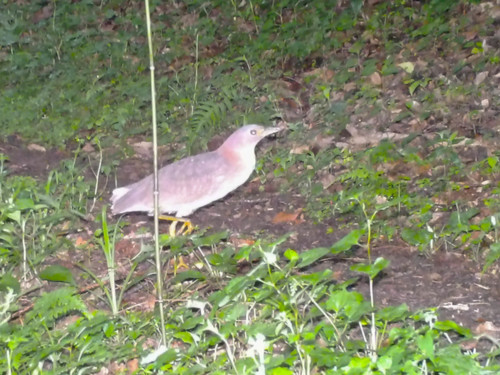
ミゾゴイ (Gorsachius goisagi) ミゾゴイ
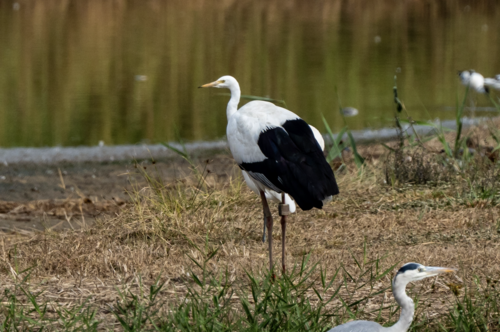
チュウサギ (Ardea intermedia) チュウサギ

メディア

読み込み中…

要点

日本のミゾゴイとチュウサギの最も信頼できるフィールドマークは全体の色です:日本のミゾゴイは暗いアーストーンの鳥(成鳥は赤褐色の頭/首、暗い茶色の翼;幼鳥は頭が暗く、翼が淡い)ですが、チュウサギはすべての年齢で完全に白いです。飛んでいる時や止まっている時、ミゾゴイのコンパクトでずんぐりした体型と暗い羽毛は、サギの細長く、長い首の全白の外観と鋭く対比します。幼鳥の日本のミゾゴイは翼の覆羽に不規則な黒い線を示し、これはサギでは決して見られない特徴です。くちばしの色と形、脚の色、採餌スタイルも役立ちます、特に混合のミゾゴイ/サギの群れでは。

識別のコツ

  1. 全体の色が最も早いチェックです: 日本のミゾゴイは決して白くありません;チュウサギは常に白いです。茶色、赤褐色、または黒っぽい色合いが見えたら、サギを除外してください。
  2. 幼鳥のミゾゴイは翼の覆羽に不規則な黒い線を示します—止まっている鳥や飛んでいる鳥でこれを探してください。サギはどの年齢でもこのパターンを示しません。
  3. 成鳥のミゾゴイは赤褐色(赤茶色)の頭と首を持ち、暗い茶色の翼があります。 チュウサギは純白で、アーストーンや暗い斑点はありません。
  4. くちばしの形と色: ミゾゴイは厚く、重く、暗いくちばしを持っています;サギのくちばしは長く、細く、黄色(非繁殖期)または黒っぽい(繁殖期、アジアの鳥)です。厚くて短いくちばしを見たら、ミゾゴイを考えてください。
  5. 脚の色: チュウサギは暗い脚を持ち(繁殖期には鈍い黄色やピンクを示すことがあります)、ミゾゴイの脚は詳細には説明されていませんが、ここでの分離のための重要なマークではありません。
  6. 構造と姿勢: ミゾゴイはコンパクトで短い首を持ち、しばしば背を丸めています;サギは高く、細長く、長い首を持ち、しばしば伸ばされています。
  7. 飛行の特徴: ミゾゴイは遅く、深い羽ばたきで飛び、首を引っ込め、ずんぐりした外観を持ちます。サギも首を引っ込めて飛びますが、はるかに長い翼を持ち、より優雅で、全体が白く見えます。
  8. 採餌行動: ミゾゴイは薄暮や日陰で採餌し、しばしば地面や密なカバーの中で行動します。サギは昼間に活動し、開けた水域や田畑で、獲物を全て見える状態で追いかけます。
  9. 生息地の文脈: 鳥が深い森や密な下草の中にいる場合、サギはあり得ません。開けた湿地や田畑にいる場合、サギの可能性が高くなります。
  10. 群れのサイズ: ミゾゴイは通常孤独または小さな群れで見られます;サギはしばしば大きな群れで餌を取ります。
  11. 目の周りの皮膚: 両方とも目の周りに黄色がかった皮膚を持っているため、これは信頼できる分離要因ではありません。
  12. 繁殖羽毛: 繁殖期のサギは胸や背中に長い糸状の羽毛を示すことがありますが、ミゾゴイは示しません。
  13. 季節的なくちばしの色: サギのくちばしは繁殖期に黒っぽくなることがあります(アジアの鳥)が、非繁殖期には常に黄色です;ミゾゴイのくちばしは季節的に変わりません。
  14. 誤認のリスク: 照明が悪いと、ミゾゴイはより淡く見えることがありますが、決して本当に白くは見えません。幼鳥のミゾゴイは他の茶色のサギと混同されることがありますが、色がはっきり見えればサギとは混同されません。
  15. サイズ: 直接比較できる場合、サギはミゾゴイよりもはるかに大きく、高いです。

大きさ

チュウサギはかなり大きく、より細長いです:長さ56〜72 cm、翼幅105〜115 cm、体重約400 g [wikipedia]。日本のミゾゴイははるかに小さく、ずんぐりした体型で、翼幅は43〜47 cm [wikipedia]です;長さは指定されていませんが、明らかにサギよりも短いです。サギの首は比例的に長く(首の長さは体とほぼ同じ)、ミゾゴイは短い首でコンパクトです。

羽色

幼鳥の日本のミゾゴイは暗い(ほぼ黒っぽい)頭と淡い茶色の翼を持ち、翼の覆羽に不規則な黒い線が特徴的に見られます—このパターンはユニークで、どの年齢のチュウサギにも見られません。成鳥は赤褐色の頭と暗い翼を持ち、依然としてその覆羽の線を示しています。対照的に、チュウサギはすべての年齢と季節で純白で、体や翼に暗い部分やパターンはありません。繁殖期のサギは装飾的な羽毛やくちばしと脚の色の微妙な変化を示すことがありますが、決して暗い筋やアーストーンはありません。両種は目の周りに黄色がかった裸の部分を持っていますが、サギのくちばしと脚だけが季節的に色が変わります。ミゾゴイのくちばしは常に厚くて暗いですが、サギのくちばしは黄色(非繁殖期)または黒っぽい(繁殖期、アジアの鳥)です。

行動

日本のミゾゴイは秘密主義で、薄暮に孤独または小さな群れで餌を取り、しばしば森林の床で行動し、開けた場所ではめったに見られません。ミミズやカタツムリを掘り、時には湿地や田んぼの端で採餌します。チュウサギははるかに目立ち、開けた浅い水、洪水の田畑、または沿岸地域で獲物を体系的に追いかけ、しばしば混合のミゾゴイ/サギの群れで見られます。サギは直立し、首を伸ばし、昼間に開けた場所で見られる可能性が高いです。

生息環境

日本のミゾゴイは密な森林の生息地を好みます—森林の床、日陰の湿地、特に繁殖期の水田です。開けた水域や田畑ではめったに見られません。チュウサギは開けた湿地の鳥です:浅い湖、川、洪水の田畑、沿岸の浅瀬で、しばしば森林の覆いから遠く離れています。深い森や密な下草の中にサギを見た場合、チュウサギは非常にあり得ません。

より良い説明を送る

比較と同じ項目を使ってください。文章はすぐに公開されます。

The most reliable field mark between Japanese Night Heron and Medium Egret is overall color: Japanese Night Heron is a dark, earth-toned bird (adults with russet head/neck, dark brown wings; juveniles darker-headed, paler-winged), while Medium Egret is entirely white at all ages. In flight or perched, the Night Heron's compact, chunky build and dark plumage contrast sharply with the Egret's slender, long-necked, all-white appearance. Juvenile Japanese Night Herons show irregular black lines on the wing coverts, a feature never seen in egrets. Bill color and shape, leg color, and foraging style also help, especially in mixed heron/egret flocks.

  1. Overall color is the fastest check: Japanese Night Heron is never white; Medium Egret is always white. If you see any brown, russet, or blackish tones, rule out Egret.
  2. Juvenile Night Herons show irregular black lines on the wing coverts—look for these in perched or flying birds. Egrets never show this pattern at any age.
  3. Adult Night Heron has a russet (reddish-brown) head and neck, with dark brown wings. Medium Egret is pure white, with no earth tones or dark patches.
  4. Bill shape and color: Night Heron has a thick, heavy, dark bill; Egret's bill is long, slender, and yellow (non-breeding) or blackish (breeding, Asian birds). If you see a thick, stubby bill, think Night Heron.
  5. Leg color: Medium Egret has dark legs (may show dull yellow or pink in breeding), while Night Heron's legs are not described in detail but are not a key mark for separation here.
  6. Structure and posture: Night Heron is compact, short-necked, and often hunched; Egret is tall, slender, with a long neck often held extended.
  7. Flight jizz: Night Heron flies with slow, deep wingbeats, neck retracted, and appears chunky. Egret flies with neck retracted as well, but looks much longer-winged, more graceful, and all-white.
  8. Foraging behavior: Night Heron forages at dusk or in shade, often on the ground or in dense cover. Egret is active by day, in open water or fields, stalking prey in full view.
  9. Habitat context: If the bird is deep in forest or dense undergrowth, Egret is unlikely. If in open wetland or field, Egret is much more likely.
  10. Group size: Night Heron is usually solitary or in small groups; Egret often feeds in larger flocks.
  11. Eye skin: Both have yellowish skin around the eye, so this is not a reliable separator.
  12. Breeding plumes: Egret in breeding season may show long filamentous plumes on breast and back; Night Heron does not.
  13. Seasonal bill color: Egret's bill may turn blackish in breeding season (Asian birds), but is always yellow in non-breeding; Night Heron's bill does not change seasonally.
  14. Mistaken identity risk: In poor light, a Night Heron may look paler, but will never appear truly white. Juvenile Night Herons may be confused with other brown herons, but not with Egrets if color is seen clearly.
  15. Size: If you can compare directly, Egret is much larger and taller than Night Heron.

Medium Egret is significantly larger and more elongated: 56–72 cm long with a 105–115 cm wingspan and about 400 g in weight [wikipedia]. Japanese Night Heron is much smaller and stockier, with a wingspan of 43–47 cm [wikipedia]; length is not specified but is clearly less than the egret. The Egret's neck is proportionally longer (neck length nearly as long as body), while the Night Heron is short-necked and compact.

Juvenile Japanese Night Herons have a dark (almost blackish) head and paler brown wings, with distinctive irregular black lines down the wing coverts—this pattern is unique and not found in Medium Egret of any age. Adults are russet-headed and dark-winged, still showing those covert lines. In contrast, Medium Egret is pure white at all ages and seasons, with no dark or patterned areas on the body or wings. Breeding Egrets may show ornamental plumes and subtle changes in bill and leg color, but never any dark streaks or earth tones. Both species have yellowish bare parts around the eye, but only the Egret's bill and legs change color seasonally. The Night Heron's bill is always thick and dark, while the Egret's is yellow (non-breeding) or blackish (breeding, Asian birds).

Japanese Night Heron is secretive, feeding solitarily or in small groups at dusk, often on the forest floor, and rarely in the open. It digs for earthworms and snails, sometimes foraging along swamp or paddy edges. Medium Egret is much more conspicuous, stalking prey methodically in open shallow water, flooded fields, or coastal areas, often in mixed heron/egret flocks. Egrets stand upright, neck extended, and are more likely to be seen in the open during the day.

Japanese Night Heron prefers dense, wooded habitats—forest floors, shaded swamps, and rice paddies, especially during breeding. It is rarely seen in open water or fields. Medium Egret is a bird of open wetlands: shallow lakes, rivers, flooded fields, and coastal shallows, often far from forest cover. If you see a heron in deep forest or dense undergrowth, Egret is highly unlikely.

変更を破棄しますか?

保存していない編集があります。今離れると失われます。

ミゾゴイ · チュウサギ · 苦手な鳥