

Japanese Night Heron vs Airone bianco indiano
Gorsachius goisagi contro Ardea intermedia
Fai un quiz con Japanese Night Heron e Airone bianco indiano
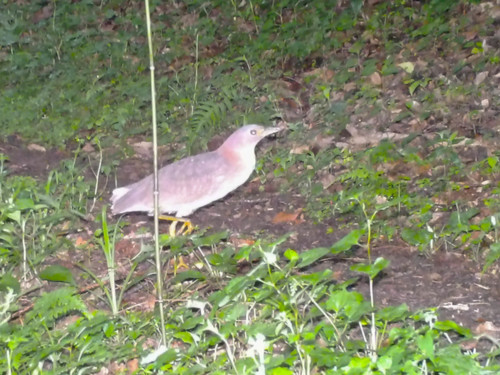 Japanese Night Heron
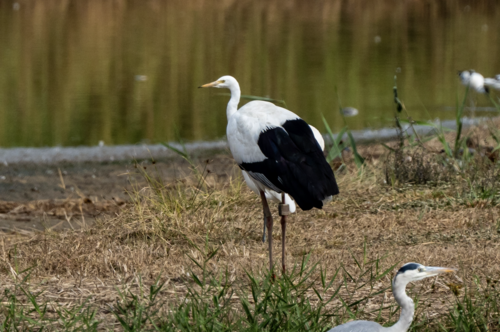 Airone bianco indiano
In breve
Il segno di campo più affidabile tra il Japanese Night Heron e l'Airone bianco indiano è il colore generale: il Japanese Night Heron è un uccello scuro, dai toni terrosi (adulti con testa/collo rossicci, ali marroni scure; i giovani hanno testa più scura e ali più chiare), mentre l'Airone bianco indiano è completamente bianco a tutte le età. In volo o posato, la struttura compatta e tozza del Night Heron e il suo piumaggio scuro contrastano nettamente con l'aspetto snello, dal collo lungo e completamente bianco dell'Airone. I giovani Japanese Night Heron mostrano linee nere irregolari sulle copritrici delle ali, una caratteristica mai vista negli aironi. Anche il colore e la forma del becco, il colore delle gambe e lo stile di foraggiamento aiutano, specialmente in gruppi misti di aironi/egretti.
Consigli di identificazione
- Il colore generale è il controllo più veloce: il Japanese Night Heron non è mai bianco; l'Airone bianco indiano è sempre bianco. Se vedi toni marroni, rossicci o nerognoli, escludi l'Airone.
- I giovani Night Heron mostrano linee nere irregolari sulle copritrici delle ali—cerca queste in uccelli posati o in volo. Gli aironi non mostrano mai questo modello a nessuna età.
- L'adulto Night Heron ha una testa e un collo rossicci (marrone-rossiccio), con ali marroni scure. L'Airone bianco indiano è completamente bianco, senza toni terrosi o macchie scure.
- Forma e colore del becco: il Night Heron ha un becco spesso, pesante e scuro; il becco dell'Airone è lungo, snello e giallo (non in riproduzione) o nerognolo (riproduzione, uccelli asiatici). Se vedi un becco spesso e tozzo, pensa al Night Heron.
- Colore delle gambe: l'Airone bianco indiano ha gambe scure (può mostrare giallo opaco o rosa in riproduzione), mentre le gambe del Night Heron non sono descritte in dettaglio ma non sono un segno chiave per la separazione qui.
- Struttura e postura: il Night Heron è compatto, dal collo corto e spesso curvato; l'Airone è alto, snello, con un collo lungo spesso tenuto esteso.
- Volo: il Night Heron vola con battiti lenti e profondi delle ali, collo retratto, e appare tozzo. L'Airone vola con il collo retratto, ma sembra avere ali molto più lunghe, più aggraziato e completamente bianco.
- Comportamento di foraggiamento: il Night Heron si nutre al crepuscolo o all'ombra, spesso a terra o in copertura densa. L'Airone è attivo durante il giorno, in acque aperte o campi, cacciando prede in piena vista.
- Contesto dell'habitat: se l'uccello è in una foresta profonda o in una fitta vegetazione, è improbabile che sia un Airone. Se è in una zona umida aperta o in un campo, è molto più probabile che sia un Airone.
- Dimensione del gruppo: il Night Heron è solitamente solitario o in piccoli gruppi; l'Airone si nutre spesso in gruppi più numerosi.
- Pelle attorno all'occhio: entrambi hanno pelle giallastra attorno all'occhio, quindi questo non è un separatore affidabile.
- Piume da riproduzione: l'Airone in stagione di riproduzione può mostrare lunghe piume filamentose sul petto e sulla schiena; il Night Heron non lo fa.
- Colore stagionale del becco: il becco dell'Airone può diventare nerognolo in stagione di riproduzione (uccelli asiatici), ma è sempre giallo in non riproduzione; il becco del Night Heron non cambia stagionalmente.
- Rischio di identità errata: in scarsa illuminazione, un Night Heron può sembrare più chiaro, ma non apparirà mai veramente bianco. I giovani Night Heron possono essere confusi con altri aironi marroni, ma non con gli Aironi se il colore è visto chiaramente.
- Dimensione: se puoi confrontare direttamente, l'Airone è molto più grande e più alto del Night Heron.
Taglia
L'Airone bianco indiano è significativamente più grande e più allungato: 56–72 cm di lunghezza con un'apertura alare di 105–115 cm e circa 400 g di peso [wikipedia]. Il Japanese Night Heron è molto più piccolo e tozzo, con un'apertura alare di 43–47 cm [wikipedia]; la lunghezza non è specificata ma è chiaramente inferiore a quella dell'airone. Il collo dell'Airone è proporzionalmente più lungo (la lunghezza del collo è quasi lunga quanto il corpo), mentre il Night Heron ha un collo corto e compatto.
Piumaggio
I giovani Japanese Night Heron hanno una testa scura (quasi nerognola) e ali marroni più chiare, con linee nere irregolari distintive lungo le copritrici delle ali—questo modello è unico e non si trova nell'Airone bianco indiano di nessuna età. Gli adulti hanno testa rossiccia e ali scure, mostrando ancora quelle linee di copertura. Al contrario, l'Airone bianco indiano è completamente bianco a tutte le età e stagioni, senza aree scure o a motivo sul corpo o sulle ali. Gli aironi in riproduzione possono mostrare piume ornamentali e sottili cambiamenti nel colore del becco e delle gambe, ma mai strisce scure o toni terrosi. Entrambe le specie hanno parti scoperte giallastre attorno all'occhio, ma solo il becco e le gambe dell'Airone cambiano colore stagionalmente. Il becco del Night Heron è sempre spesso e scuro, mentre quello dell'Airone è giallo (non in riproduzione) o nerognolo (riproduzione, uccelli asiatici).
Comportamento
Il Japanese Night Heron è riservato, si nutre solitariamente o in piccoli gruppi al crepuscolo, spesso sul pavimento della foresta, e raramente in aperto. Scava per vermi di terra e lumache, a volte foraggiando lungo i bordi di paludi o risaie. L'Airone bianco indiano è molto più evidente, cacciando prede metodicamente in acque poco profonde, campi allagati o aree costiere, spesso in gruppi misti di aironi/egretti. Gli aironi stanno dritti, con il collo esteso, e sono più propensi a essere visti in aperto durante il giorno.
Habitat
Il Japanese Night Heron preferisce habitat densi e boscosi—pavimenti forestali, paludi ombreggiate e risaie, specialmente durante la riproduzione. È raramente visto in acque aperte o campi. L'Airone bianco indiano è un uccello di zone umide aperte: laghi poco profondi, fiumi, campi allagati e fondali costieri, spesso lontano dalla copertura forestale. Se vedi un airone in una foresta profonda o in una fitta vegetazione, è altamente improbabile che sia un Airone.
Japanese Night Heron · Airone bianco indiano · I miei uccelli difficili