

Motmot

コシギ 対 ヤマシギ

Lymnocryptes minimus 対 Scolopax rusticola

コシギとヤマシギのクイズ
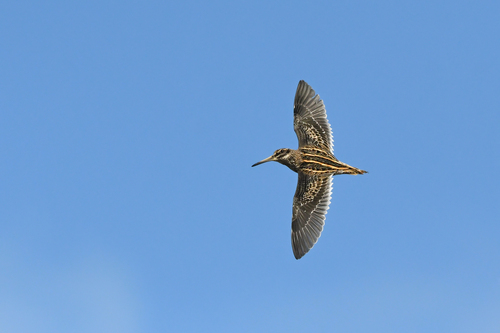
コシギ (Lymnocryptes minimus) コシギ
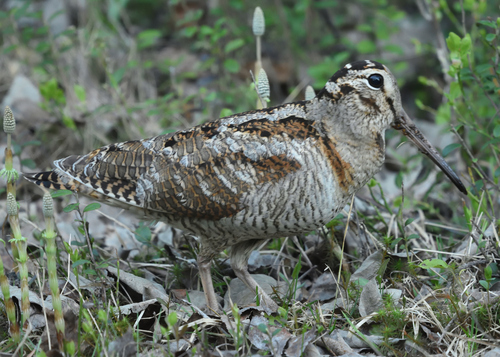
ヤマシギ (Scolopax rusticola) ヤマシギ

メディア

読み込み中…

要点

ジャックスナイプとヤマシギを区別する最も信頼できるフィールドマークは、サイズと構造です:ジャックスナイプははるかに小さく、短いくちばしとコンパクトでずんぐりした体型を持っていますが、ヤマシギは明らかに大きく、長くてまっすぐなくちばしと、より丸みを帯びたずっしりとした外観をしています。飛行中、ジャックスナイプは尖った狭い翼と特徴的な黄褐色の背中のストライプを示しますが、ヤマシギは広くて丸い翼を持ち、これらのストライプはありません。頭の模様も重要です:ジャックスナイプは2本の淡い側面の冠ストライプ(中央のストライプはなし)を持ち、ヤマシギの冠は黒で縞模様になっています。両種は暗くカモフラージュされていますが、好む生息地や典型的な行動は異なり、識別を助けます。

識別のコツ

  1. Size is the first check: ジャックスナイプはヤマシギの約半分の長さで、はるかに軽いです。小さくずんぐりした水鳥を見たら、ジャックスナイプを考えてください;大きくずっしりした鳥で長いくちばしを持つものはヤマシギを指し示します。
  2. Bill length and shape: ジャックスナイプはスナイプにしては比較的短いくちばしを持っていますが、ヤマシギのくちばしは長く、まっすぐで目立ち、ジャックスナイプのくちばしのほぼ2倍の長さです。くちばしの色は強いフィールドマークではありませんが、ヤマシギの基部は肉色で先端が暗いです。
  3. Head pattern: ジャックスナイプは2本の淡い側面の冠ストライプ(中央のストライプはなし)を持ち、暗い部分でスーペリシリウムから分かれています。ヤマシギの冠は黒で縞模様になっており、ストライプではありません。これは止まっているか、飛び立った鳥に見られます。
  4. Upperwing and flight pattern: 飛行中、ジャックスナイプは尖った狭い翼と明確な黄褐色のストライプを背中に示します。ヤマシギは広くて丸い翼を持ち、背中の黄褐色のストライプはありません。これは特に鳥が飛び立ったときに役立ちます。
  5. Body shape and jizz: ジャックスナイプはコンパクトでほぼずんぐりした外観を持ち、短い首と尾を持っています。ヤマシギはより大きく、長い体とより丸みを帯びたずっしりとした外観を持っています。
  6. Behavior when flushed: ジャックスナイプはほとんど踏まれそうになったときにのみ飛び立ち、静かに短い距離を飛び、再び隠れます。ヤマシギはより遠くから飛び立ち、強く不規則に飛び、しばしばジグザグに飛び去ります。
  7. Feeding behavior: ジャックスナイプは餌を食べるときや警戒しているときに上下に揺れる独特の動きを示します—これはほぼ催眠的な動きです。ヤマシギは揺れません。
  8. Habitat context: ジャックスナイプは開けた湿った湿地に生息し、ヤマシギはほとんど常に森林や密なカバーにいます。森林で暗くカモフラージュされた水鳥を見つけたら、ほぼ確実にヤマシギです。
  9. Underparts: 両者は淡い腹部を持っていますが、ヤマシギのものはバフ色で、ジャックスナイプのものはより淡く、暖色系ではありません。
  10. Eye placement: ヤマシギの目は頭の後方に位置しており、独特のプロファイルと360度の視野を与えています。ジャックスナイプの目はスナイプにしてはより典型的です。
  11. Leg color: ヤマシギの脚は灰色からピンク色まで変化します;ジャックスナイプの脚の色は診断的には強調されません。
  12. Sex and age: 両種はフィールド目的のために性別や年齢に関係なく羽毛が似ています;ヤマシギのオスは大きいですが、これはフィールドでは簡単には判断できません。
  13. Vocalization: 冬や移動中の分離には鳴き声に頼らないでください;両者は通常、飛び立ったときに静かです。
  14. Pitfalls: ジャックスナイプの頭のストライプをヤマシギの冠のバーと混同しないでください;中央の冠ストライプの有無とパターンの性質を確認してください。
  15. Flight distance: 鳥が非常に近い距離で飛び立ち、すぐに再び着地する場合はジャックスナイプを疑ってください;距離を置いて飛び立ち、遠くに飛ぶ場合はヤマシギを疑ってください。

大きさ

ジャックスナイプは劇的に小さく、体重は平均約50g、長さは18〜25cm、翼幅は30〜41cmです。ヤマシギははるかに大きく、長さは33〜38cm、翼幅は55〜65cmです(質量は提供されていませんが、かなり重いです)。フィールドでの違いは際立っており、特に両者が同じ文脈で見られる場合は顕著です。ジャックスナイプはコンパクトでほぼずんぐりした外観を持ち、ヤマシギはずっしりしていますが、より長く、より大きな体と比例的に長いくちばしを持っています。

羽色

行動

ジャックスナイプは秘密主義で、湿地の植生に隠れていることが多く、非常に近い距離でのみ飛び立ち、その後短い距離を飛んで再び隠れます。その飛行は静かで低いです。餌を食べるときや邪魔されると、ジャックスナイプはバネのように上下に揺れる独特の動きを示します—これはヤマシギには見られない行動です。対照的に、ヤマシギは森林や森林の端で遭遇する可能性が高く、飛び立つと力強くジグザグに飛び去ります。ヤマシギは餌を食べたり歩いたりするときに揺れません。

生息環境

ジャックスナイプは開けた湿った生息地を好み、湿地、ボグ、湿った草原、短い植生のツンドラに生息し、特に移動中や冬に見られます。森林ではめったに見られません。ヤマシギは森林や林の鳥で、密なカバー、高いヒース、または落ち葉のある場所で巣を作り、餌を食べます。両者は地面にいることができ、よくカモフラージュされていますが、生息地の好みはほとんど重なりません:ジャックスナイプは深い森林にはほとんどいないし、ヤマシギは開けた湿地にはめったにいません。

声

ジャックスナイプは冬に静かで、飛び立ったときに鳴かず、フィールドでは非常に静かです。繁殖期には、オスが独特の音を伴う空中ディスプレイを行いますが、これは冬の越冬地では聞かれません。ヤマシギのオスは春の夕暮れにディスプレイフライト(「ローディング」)を行い、繰り返し「オル、オル、オル、ピスト」と鳴きます。しかし、繁殖期以外では、ヤマシギは一般的に静かで、飛び立ったときに鳴くことはめったにありません。したがって、鳴き声はほとんどのフィールド状況での分離には通常役立ちません。

より良い説明を送る

比較と同じ項目を使ってください。文章はすぐに公開されます。

The most reliable field mark to separate Jack Snipe from Eurasian Woodcock is size and structure: Jack Snipe is much smaller, with a short bill and compact, stocky build, while Eurasian Woodcock is noticeably larger, with a long, straight bill and a more rounded, chunky appearance. In flight, Jack Snipe shows pointed, narrow wings and distinctive yellowish back stripes, whereas Woodcock has broad, rounded wings and lacks these stripes. Head pattern is also key: Jack Snipe has two pale lateral crown stripes (no central stripe), while Woodcock's crown is barred with black. Both species are cryptically camouflaged, but their preferred habitats and typical behaviors differ, aiding identification.

  1. Size is the first check: Jack Snipe is about half the length and much lighter than Eurasian Woodcock. If you see a small, stocky wader, think Jack Snipe; a large, chunky bird with a long bill points to Woodcock.
  2. Bill length and shape: Jack Snipe has a relatively short bill for a snipe, while Woodcock's bill is long, straight, and prominent—almost twice the length of Jack Snipe's bill. Bill color is not a strong field mark, but Woodcock's base is flesh-colored with a dark tip.
  3. Head pattern: Jack Snipe has two pale lateral crown stripes (no central stripe), separated from the supercilium by a dark area. Eurasian Woodcock's crown is barred with black, not striped. This is visible on perched or flushed birds.
  4. Upperwing and flight pattern: In flight, Jack Snipe shows pointed, narrow wings and clear yellowish stripes down the back. Woodcock has broad, rounded wings and lacks any yellow back stripes. This is especially useful when birds are flushed.
  5. Body shape and jizz: Jack Snipe appears compact, almost dumpy, with a short neck and tail. Woodcock is bulkier, with a longer body and a more rounded, chunky appearance.
  6. Behavior when flushed: Jack Snipe flushes only when almost stepped on, flies quietly for a short distance, and drops back into cover. Woodcock flushes at a greater distance, flies strongly and erratically, often zigzagging away.
  7. Feeding behavior: Jack Snipe bobs up and down while feeding or when alert—a unique, almost hypnotic motion. Woodcock does not bob.
  8. Habitat context: Jack Snipe is found in open, wet, marshy ground; Woodcock is almost always in woodland or dense cover. If you find a cryptic wader in a forest, it's almost certainly a Woodcock.
  9. Underparts: Both have pale underparts, but Woodcock's are buff, while Jack Snipe's are paler and less warm-toned.
  10. Eye placement: Woodcock's eyes are set far back on the head, giving it a distinctive profile and 360-degree vision. Jack Snipe's eyes are more typical for a snipe.
  11. Leg color: Woodcock's legs vary from grey to pinkish; Jack Snipe's leg color is not highlighted as diagnostic.
  12. Sex and age: Both species are similar in plumage across sexes and ages for field purposes; Woodcock males are larger, but this is not easily judged in the field.
  13. Vocalization: Do not rely on calls for separation in winter or migration; both are usually silent when flushed.
  14. Pitfalls: Do not confuse Jack Snipe's head stripes with Woodcock's crown bars; check for the presence or absence of a central crown stripe and the nature of the pattern.
  15. Flight distance: If the bird flushes at very close range and lands again quickly, suspect Jack Snipe; if it flushes at distance and flies far, suspect Woodcock.

Jack Snipe is dramatically smaller: body mass averages around 50 g, with a length of 18–25 cm and a wingspan of 30–41 cm. Eurasian Woodcock is much larger, with a length of 33–38 cm and a wingspan of 55–65 cm (no mass provided, but it is substantially heavier). The difference is striking in the field, especially if both are seen in similar contexts. Jack Snipe appears compact and almost dumpy, while Woodcock is chunky but with a longer, bulkier body and a proportionally much longer bill.

  • Juvenile/Immature/Adult Jack Snipe: Shows a mottled brown upperbody with pale underparts, a dark eye-stripe, and, crucially, two pale lateral crown stripes separated from the supercilium by dark plumage. In flight, Jack Snipe reveals pointed, narrow wings and distinctive yellowish stripes down the back. There is no central crown stripe. These features are consistent across ages, as no age-specific upperwing pattern differences are noted for Jack Snipe.
  • Eurasian Woodcock (all ages): Has intricately patterned reddish-brown upperparts and buff underparts, but the head pattern is different: the crown is barred with black, not striped. The wings are broad and rounded (not pointed), and there are no yellowish back stripes in flight. The base of the bill is flesh-colored with a dark tip. Both sexes look similar in the field, but males are larger.
  • Key contrast: In any plumage, Jack Snipe's head stripes and pointed wings with yellow back stripes are diagnostic, while Woodcock's barred crown and rounded wings are unique among these two.

Jack Snipe is secretive and often remains hidden in marshy vegetation, only flushing at very close range, and then flying a short distance before dropping back into cover. Its flight is quiet and low. When feeding or disturbed, Jack Snipe exhibits a distinctive bobbing motion, as if on springs—a behavior not shown by Woodcock. Eurasian Woodcock, by contrast, is more likely to be encountered in woodland or forest edge, and when flushed, it flies off powerfully with a zigzagging flight and broad, rounded wings. Woodcock does not bob when feeding or walking.

Jack Snipe prefers open, wet habitats such as marshes, bogs, wet meadows, and tundra with short vegetation, especially during migration and winter. It is rarely found in woodland. Eurasian Woodcock is a bird of woodland and forest, nesting and feeding in areas with dense cover, tall heather, or leaf litter. While both can be found on the ground and are well camouflaged, their habitat preferences rarely overlap: Jack Snipe is almost never in deep woodland, and Woodcock is rarely in open marsh.

Jack Snipe is silent in winter and does not call when flushed, making it very quiet in the field. During the breeding season, the male performs an aerial display with a distinctive sound, but this is not heard in wintering areas. Eurasian Woodcock males perform a display flight ('roding') at dusk in spring, with a repeated 'orr, orr, orr, pist' call. However, outside the breeding season, Woodcock is generally silent and rarely calls when flushed. Thus, vocalizations are not usually helpful for separation in most field situations.

変更を破棄しますか?

保存していない編集があります。今離れると失われます。

コシギ · ヤマシギ · 苦手な鳥