

Motmot

パナマミソサザイ 対 シマバラマユミソサザイ

Cantorchilus elutus 対 Cantorchilus nigricapillus

パナマミソサザイとシマバラマユミソサザイのクイズ
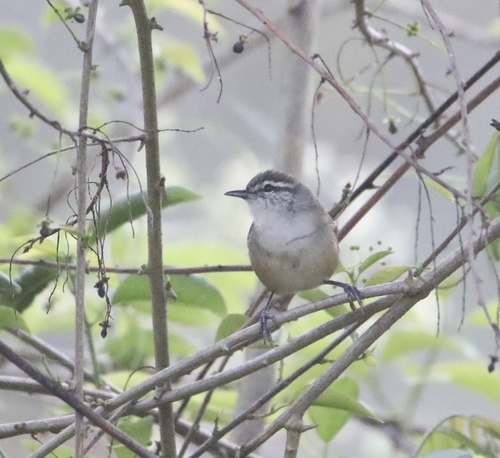
パナマミソサザイ (Cantorchilus elutus) パナマミソサザイ
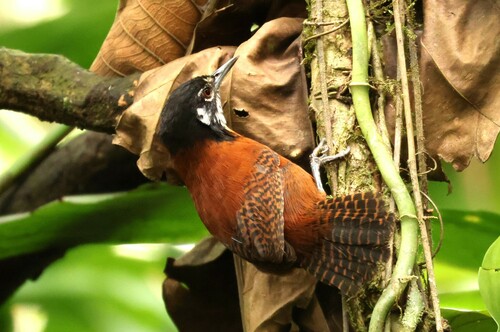
シマバラマユミソサザイ (Cantorchilus nigricapillus) シマバラマユミソサザイ

メディア

読み込み中…

要点

イスタミアンミソサザイとシマバラマユミソサザイを区別する最も信頼できるフィールドマークは、頭部と上面の色彩です:イスタミアンミソサザイは灰褐色の冠と背中を持ち、淡いルセット色の尾羽がありますが、シマバラマユミソサザイは豊かな栗色の上面とともに目を引く黒い冠と顔を持っています。シマバラマユミソサザイはまた、腹部と尾に大胆な黒い縞模様があり、イスタミアンミソサザイではこれがあまり目立たないか、存在しません。両種はサイズと形が似ていますが、シマバラマユミソサザイはやや重く、頑丈に見えます。幼鳥のシマバラマユミソサザイは成鳥に似ていますが、色が淡く、特徴があまりはっきりしていません。一方、イスタミアンミソサザイの幼鳥は詳細には記述されていませんが、シマバラマユミソサザイの強いコントラストが欠けている可能性があります。コスタリカとパナマでは生息地の重複が重要であるため、羽毛に注意を払うことが不可欠です。

識別のコツ

  1. Head and Crown Color (All Ages): シマバラマユミソサザイは黒い冠と顔を持ち、狭い白い眉斑と白い頬の斑点があります;イスタミアンミソサザイは灰褐色の冠と背中、細い白い眉斑、斑点のある頬を持っています。これは最も即時的で信頼できるフィールドマークです。
  2. Upperparts (Adults): シマバラマユミソサザイは豊かな栗色の上面を示し、黒い冠と顔と鮮やかに対比しています。イスタミアンミソサザイは上面がより均一な灰褐色で、淡いルセット色の尾羽がありますが、栗色のマントはありません。
  3. Tail Pattern (All Ages): シマバラマユミソサザイの尾は豊かな茶色で、大胆な黒い縞模様があります;イスタミアンミソサザイの尾はルセット色の茶色で、より細かく、目立たない縞模様があります。
  4. Underpart Barring (Adults): シマバラマユミソサザイは胸から肛門まで強い黒い縞模様があり、脇腹や下腹部も含まれます。イスタミアンミソサザイはこれがなく、主に淡い灰色の腹部を示し、バフィーシナモン色の脇腹があり、ほとんど縞模様がありません。
  5. Cheek Patch (Adults): シマバラマユミソサザイは頬の後ろに明確な白い斑点があり、迅速な区別を助けます。イスタミアンミソサザイの頬は斑点があり、明確な白い斑点がありません。
  6. Juvenile Plumage: 幼鳥のシマバラマユミソサザイは色が淡いですが、成鳥と同じパターンを示し、いくつかの縞模様と顔のコントラストがあります。幼鳥のイスタミアンミソサザイは記述されていませんが、シマバラマユミソサザイの幼鳥の大胆なコントラストと縞模様が欠けていると予想されます。
  7. Supercilium: 両種は白い眉斑を持っていますが、シマバラマユミソサザイでは特に黒い顔に対して狭く、よりはっきりと定義されています。
  8. Size and Structure: シマバラマユミソサザイはやや重く、頑丈ですが、これは微妙で、フィールドでは信頼できません、特に鳥が並んでいない限り。
  9. Habitat Preference: 重複する地域では、シマバラマユミソサザイは水の近くの密な藪にいる可能性が高く、イスタミアンミソサザイは水から離れた密な植生に出現することがあります。これはあくまで補助的な手がかりとして使用してください。
  10. Song: シマバラマユミソサザイの歌は大きく、速く、音楽的で、明確で響く口笛やトリルがあります。これを聞いたらシマバラマユミソサザイを疑ってくださいが、歌がないことは診断的ではありません。
  11. Nesting Behavior: フィールドIDには役立ちませんが、シマバラマユミソサザイの巣はしばしば肘型で入口のチューブがありますが、イスタミアンミソサザイの巣はアメリカンフットボール型で側面に入口があります。巣を見つけて鳥が出入りしているのを見られる場合のみ関連します。
  12. Flank Color: イスタミアンミソサザイはバフィーシナモン色の脇腹を示しますが、シマバラマユミソサザイの脇腹はルフス色の茶色で、しばしば縞模様があります。
  13. Face Pattern: シマバラマユミソサザイの顔は目を引く黒で白い斑点がありますが、イスタミアンミソサザイの顔はより控えめで斑点があります。
  14. Overall Impression: シマバラマユミソサザイはより大胆なパターンとコントラストを持っているように見え、イスタミアンミソサザイはより地味で、外見がより混ざり合っています。
  15. Pitfalls: 照明が悪い場合や素早い視界では、シマバラマユミソサザイの黒い冠と顔が暗い茶色に見えることがあり、縞模様が見逃されることがあります。確認のためには、頭のパターン、腹部の縞模様、頬の斑点の組み合わせを常に探してください。

大きさ

両種は長さが似ており、イスタミアンミソサザイは12.5–14 cm、シマバラマユミソサザイは12.6–15.6 cmです。しかし、シマバラマユミソサザイは通常、重く(平均体重約23.9 g)見え、フィールドではやや頑丈に見えることがあります。この違いは微妙で、一目で信頼できるわけではなく、特に鳥が羽を膨らませている場合や密なカバーにいる場合はそうです。

羽色

行動

両種は活発で、密な植生の中で餌を探す隠れたミソサザイです。シマバラマユミソサザイは特に絡み合った藪やつるの絡まった場所に関連しており、特に水の近くで見られる可能性が高く、湿った環境や河川の生息地で探ったり、採餌したりする姿が見られることがあります。イスタミアンミソサザイも密な植生を好みますが、水にそれほど密接には関連していません。両種はよく見えないことがあるため、短い視界が一般的です。

生息環境

イスタミアンミソサザイはコスタリカとパナマに生息し、通常は地面から3メートルまでの密な植生に見られます。シマバラマユミソサザイはこの地域で重複していますが、ニカラグアからエクアドルまでの広い範囲に分布しています。シマバラマユミソサザイは水路、茂った開けた場所、密な藪に密接に関連しており、特に下草が豊かである場所で見られます。重複する地域では、シマバラマユミソサザイは水の近くやつるの絡まった場所にいる可能性が高く、イスタミアンミソサザイは水辺に厳密に依存しないより広い範囲の密な生息地に見られることがあります。

声

シマバラマユミソサザイは明確で響く口笛、トリル、ワーブルから成る大きく、速く、音楽的な歌を持ち、しばしば対唱で歌われます。イスタミアンミソサザイの声はここでは記述されていないため、歌は信頼できる区別にはなりません。シマバラマユミソサザイの特徴的で豊かな音色の歌が聞こえた場合は、シマバラマユミソサザイを疑ってくださいが、このペアの区別には声だけに頼らないでください。

より良い説明を送る

比較と同じ項目を使ってください。文章はすぐに公開されます。

The most reliable field mark to separate Isthmian Wren from Bay Wren is the head and upperpart coloration: Isthmian Wren shows a gray-brown crown and back with a pale russet rump, while Bay Wren has a striking black crown and face with rich chestnut upperparts. Bay Wren also features bold black barring on the underparts and tail, which is much less pronounced or absent in Isthmian Wren. Both species are similar in size and shape, but Bay Wren appears slightly heavier and more robust. Juvenile Bay Wrens resemble adults but are paler and less distinctly marked, while Isthmian Wren juveniles are not described in detail but are likely to lack the strong contrast of Bay Wren. Habitat overlap is significant in Costa Rica and Panama, so careful attention to plumage is essential.

  1. Head and Crown Color (All Ages): Bay Wren has a black crown and face with a narrow white supercilium and white cheek patch; Isthmian Wren has a gray-brown crown and back, thin white supercilium, and mottled cheeks. This is the most immediate and reliable field mark.
  2. Upperparts (Adults): Bay Wren shows rich chestnut upperparts, sharply contrasting with the black crown and face. Isthmian Wren is more uniformly gray-brown above, with a pale russet rump but no chestnut mantle.
  3. Tail Pattern (All Ages): Bay Wren's tail is rich brown with bold black bars; Isthmian Wren's tail is russet brown with finer, less obvious barring.
  4. Underpart Barring (Adults): Bay Wren has strong black barring from the breast to the vent, including the flanks and lower belly. Isthmian Wren lacks this, showing mostly pale grayish underparts with buffy cinnamon flanks and little to no barring.
  5. Cheek Patch (Adults): Bay Wren has a distinct white patch at the back of the cheek, aiding quick separation. Isthmian Wren's cheeks are mottled and lack a clear white patch.
  6. Juvenile Plumage: Juvenile Bay Wrens are paler but still show the same pattern as adults, with some barring and facial contrast. Juvenile Isthmian Wrens are not described, but expect them to lack the bold contrast and barring of Bay Wren juveniles.
  7. Supercilium: Both species have a white supercilium, but it is narrower and more sharply defined in Bay Wren, especially against the black face.
  8. Size and Structure: Bay Wren is slightly heavier and more robust, but this is subtle and unreliable in the field unless birds are side by side.
  9. Habitat Preference: In areas of overlap, Bay Wren is more likely in dense thickets near water, while Isthmian Wren can occur in dense vegetation away from water. Use this only as a supporting clue.
  10. Song: Bay Wren's song is loud, rapid, and musical, with clear, ringing whistles and trills. If you hear this, suspect Bay Wren, but absence of song is not diagnostic.
  11. Nesting Behavior: Not useful for field ID, but Bay Wren's nests are often elbow-shaped with an entrance tube, while Isthmian Wren's are football-shaped with a side entrance. Only relevant if you find a nest and can see the birds attending.
  12. Flank Color: Isthmian Wren shows buffy cinnamon flanks, while Bay Wren's flanks are rufous brown and often barred.
  13. Face Pattern: Bay Wren's face is strikingly black with a white patch, while Isthmian Wren's is more subdued and mottled.
  14. Overall Impression: Bay Wren appears more boldly patterned and contrasting, while Isthmian Wren is plainer and more blended in appearance.
  15. Pitfalls: In poor light or quick views, the black crown and face of Bay Wren may look dark brown, and the barring may be missed. Always look for the combination of head pattern, underpart barring, and cheek patch for confirmation.

Both species are similar in length, with Isthmian Wren measuring 12.5–14 cm and Bay Wren 12.6–15.6 cm. However, Bay Wren is typically heavier (mean body mass about 23.9 g) and may appear slightly more robust in the field. This difference is subtle and not always reliable at a glance, especially when birds are fluffed or in dense cover.

  • Juveniles: Bay Wren juveniles are paler versions of adults, with the same pattern but less sharply defined markings. Isthmian Wren juveniles are not specifically described, but based on adult plumage, they likely lack the bold contrast and barring of Bay Wren.
  • Adults: Isthmian Wren shows a gray-brown crown and back, pale russet rump, and russet-brown tail with fine dark bars. The face is less contrasting, with a thin white supercilium and mottled cheeks. Underparts are mostly pale grayish with buffy cinnamon flanks and sides, and little to no barring. Bay Wren adults have a black crown and face, narrow white supercilium, white cheek patch, and rich chestnut upperparts. The tail is rich brown with bold black bars. Underparts are white on the throat and breast, rufous brown on the belly and flanks, and heavily barred black from breast to vent. This barring is a key field mark for Bay Wren and is absent or faint in Isthmian Wren.

Both species are active, skulking wrens that forage in dense vegetation, often low to the ground. Bay Wren is particularly tied to tangled thickets and vine tangles, especially near water, and may be more likely to be seen probing or gleaning in wet or riparian habitats. Isthmian Wren also favors dense vegetation but is not as closely associated with water. Both species may be difficult to see well, so brief views are common.

Isthmian Wren is found in Costa Rica and Panama, typically in dense vegetation up to 3 meters above the ground. Bay Wren overlaps in this region but has a broader range extending from Nicaragua to Ecuador. Bay Wren is closely tied to watercourses, overgrown clearings, and dense thickets, especially where undergrowth is lush. In areas of overlap, Bay Wren is more likely near water or in vine tangles, while Isthmian Wren may be found in a wider range of dense habitats, not strictly riparian.

Bay Wren has a loud, rapid, and musical song made up of clear, ringing whistles, trills, and warbles, often delivered antiphonally. The vocalizations of Isthmian Wren are not described here, so song is not a reliable separation unless Bay Wren's distinctive, rich-toned song is heard. If you hear a rapid, ringing, and complex wren song, suspect Bay Wren, but do not rely solely on voice for separation in this pair.

変更を破棄しますか?

保存していない編集があります。今離れると失われます。

パナマミソサザイ · シマバラマユミソサザイ · 苦手な鳥