

Isthmian Wren vs Bay Wren
Cantorchilus elutus contro Cantorchilus nigricapillus
Fai un quiz con Isthmian Wren e Bay Wren
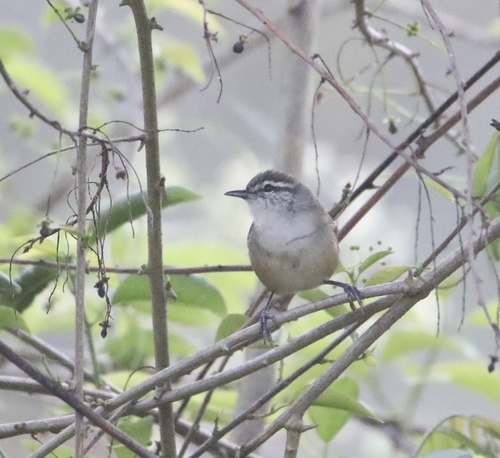 Isthmian Wren
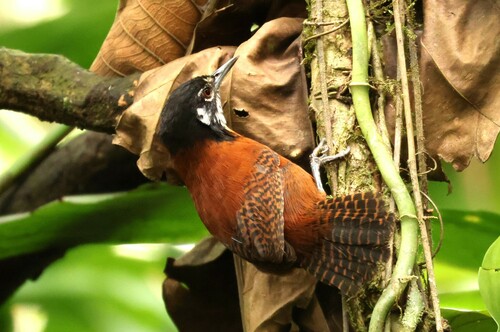 Bay Wren
In breve
Il segno distintivo più affidabile per separare Isthmian Wren da Bay Wren è la colorazione della testa e delle parti superiori: Isthmian Wren mostra una corona e un dorso grigio-marrone con un sottocoda rossiccio chiaro, mentre Bay Wren ha una corona e un volto neri sorprendenti con parti superiori castagne ricche. Bay Wren presenta anche barre nere audaci sulle parti inferiori e sulla coda, che sono molto meno pronunciate o assenti in Isthmian Wren. Entrambe le specie sono simili in dimensioni e forma, ma Bay Wren appare leggermente più pesante e più robusto. I giovani Bay Wren somigliano agli adulti ma sono più chiari e meno distintamente marcati, mentre i giovani Isthmian Wren non sono descritti in dettaglio ma è probabile che manchino del forte contrasto di Bay Wren. La sovrapposizione degli habitat è significativa in Costa Rica e Panama, quindi è essenziale prestare attenzione al piumaggio.
Consigli di identificazione
- Colore della testa e della corona (Tutte le età): Bay Wren ha una corona e un volto neri con un supercilio bianco stretto e una macchia bianca sulla guancia; Isthmian Wren ha una corona e un dorso grigio-marrone, un supercilio bianco sottile e guance maculate. Questo è il segno distintivo più immediato e affidabile.
- Parti superiori (Adulti): Bay Wren mostra parti superiori castagne ricche, in netto contrasto con la corona e il volto neri. Isthmian Wren è più uniformemente grigio-marrone sopra, con un sottocoda rossiccio chiaro ma senza mantello castano.
- Schema della coda (Tutte le età): La coda di Bay Wren è marrone ricco con barre nere audaci; la coda di Isthmian Wren è marrone rossiccio con barre più fini e meno evidenti.
- Barre delle parti inferiori (Adulti): Bay Wren ha barre nere forti dal petto al vent, comprese le fianchi e la parte inferiore dell'addome. Isthmian Wren manca di questo, mostrando principalmente parti inferiori grigio chiaro con fianchi color cannella chiaro e poche o nessuna barra.
- Macchia sulla guancia (Adulti): Bay Wren ha una macchia bianca distintiva sul retro della guancia, che aiuta a una rapida separazione. Le guance di Isthmian Wren sono maculate e mancano di una chiara macchia bianca.
- Piumaggio giovanile: I giovani Bay Wren sono più chiari ma mostrano comunque lo stesso schema degli adulti, con alcune barre e contrasto facciale. I giovani Isthmian Wren non sono descritti, ma ci si aspetta che manchino del forte contrasto e delle barre dei giovani Bay Wren.
- Supercilio: Entrambe le specie hanno un supercilio bianco, ma è più stretto e più nettamente definito in Bay Wren, specialmente contro il volto nero.
- Dimensione e struttura: Bay Wren è leggermente più pesante e più robusto, ma questo è sottile e inaffidabile nel campo a meno che gli uccelli non siano affiancati.
- Preferenza dell'habitat: Nelle aree di sovrapposizione, Bay Wren è più probabile che si trovi in folti cespugli vicino all'acqua, mentre Isthmian Wren può verificarsi in vegetazione densa lontano dall'acqua. Usa questo solo come indizio di supporto.
- Canto: Il canto di Bay Wren è forte, rapido e musicale, con fischi e trilli chiari e squillanti. Se senti questo, sospetta Bay Wren, ma l'assenza di canto non è diagnostica.
- Comportamento di nidificazione: Non utile per l'ID sul campo, ma i nidi di Bay Wren sono spesso a forma di gomito con un tubo d'ingresso, mentre quelli di Isthmian Wren sono a forma di pallone con un ingresso laterale. Solo rilevante se trovi un nido e puoi vedere gli uccelli che vi si avvicinano.
- Colore dei fianchi: Isthmian Wren mostra fianchi color cannella chiaro, mentre i fianchi di Bay Wren sono marrone ruggine e spesso barrati.
- Schema del volto: Il volto di Bay Wren è sorprendentemente nero con una macchia bianca, mentre quello di Isthmian Wren è più sobrio e maculato.
- Impressione generale: Bay Wren appare più audacemente patternato e contrastante, mentre Isthmian Wren è più semplice e più amalgamato nell'aspetto.
- Trappole: In scarsa illuminazione o visioni rapide, la corona e il volto neri di Bay Wren possono apparire marrone scuro, e le barre possono essere perse. Cerca sempre la combinazione di schema della testa, barre delle parti inferiori e macchia sulla guancia per conferma.
Taglia
Entrambe le specie sono simili in lunghezza, con Isthmian Wren che misura 12,5–14 cm e Bay Wren 12,6–15,6 cm. Tuttavia, Bay Wren è tipicamente più pesante (massa corporea media di circa 23,9 g) e può apparire leggermente più robusto sul campo. Questa differenza è sottile e non sempre affidabile a colpo d'occhio, specialmente quando gli uccelli sono gonfiati o in copertura densa.
Piumaggio
- Giovani: I giovani Bay Wren sono versioni più chiare degli adulti, con lo stesso schema ma marcature meno nettamente definite. I giovani Isthmian Wren non sono descritti specificamente, ma basandosi sul piumaggio degli adulti, è probabile che manchino del forte contrasto e delle barre di Bay Wren.
- Adulti: Isthmian Wren mostra una corona e un dorso grigio-marrone, un sottocoda rossiccio chiaro e una coda marrone rossiccio con barre scure fini. Il volto è meno contrastante, con un supercilio bianco sottile e guance maculate. Le parti inferiori sono principalmente grigio chiaro con fianchi e lati color cannella chiaro, e poche o nessuna barra. Gli adulti di Bay Wren hanno una corona e un volto neri, un supercilio bianco stretto, una macchia bianca sulla guancia e parti superiori castagne ricche. La coda è marrone ricco con barre nere audaci. Le parti inferiori sono bianche sulla gola e sul petto, marrone ruggine sull'addome e sui fianchi, e pesantemente barrate di nero dal petto al vent. Questa barratura è un segno distintivo chiave per Bay Wren ed è assente o debole in Isthmian Wren.
Comportamento
Entrambe le specie sono wrens attivi e furtivi che foraggiano in vegetazione densa, spesso vicino al suolo. Bay Wren è particolarmente legato a cespugli aggrovigliati e grovigli di viti, specialmente vicino all'acqua, e può essere più probabile vederlo sondare o raccogliere in habitat umidi o ripariali. Isthmian Wren favorisce anch'esso la vegetazione densa ma non è così strettamente associato all'acqua. Entrambe le specie possono essere difficili da vedere bene, quindi visioni brevi sono comuni.
Habitat
Isthmian Wren si trova in Costa Rica e Panama, tipicamente in vegetazione densa fino a 3 metri sopra il suolo. Bay Wren si sovrappone in questa regione ma ha un'area di distribuzione più ampia che si estende dal Nicaragua all'Ecuador. Bay Wren è strettamente legato ai corsi d'acqua, ai diradamenti incolti e ai cespugli densi, specialmente dove la vegetazione è lussureggiante. Nelle aree di sovrapposizione, Bay Wren è più probabile che si trovi vicino all'acqua o in grovigli di viti, mentre Isthmian Wren può essere trovato in una gamma più ampia di habitat densi, non strettamente ripariali.
Voce
Bay Wren ha un canto forte, rapido e musicale composto da fischi chiari e squillanti, trilli e cinguettii, spesso eseguito in antiphona. Le vocalizzazioni di Isthmian Wren non sono descritte qui, quindi il canto non è una separazione affidabile a meno che non si senta il canto distintivo e ricco di tonalità di Bay Wren. Se senti un canto di wren rapido, squillante e complesso, sospetta Bay Wren, ma non fare affidamento solo sulla voce per la separazione in questa coppia.