

Motmot

アカボシカルガモ 対 カルガモ

Anas poecilorhyncha 対 Anas zonorhyncha

アカボシカルガモとカルガモのクイズ
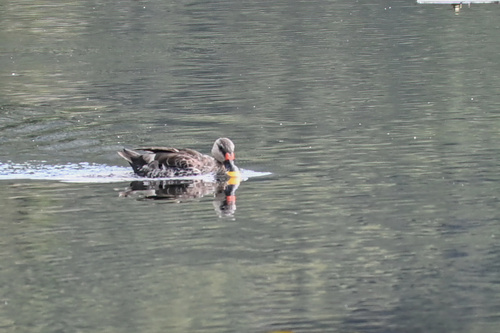
アカボシカルガモ (Anas poecilorhyncha) アカボシカルガモ
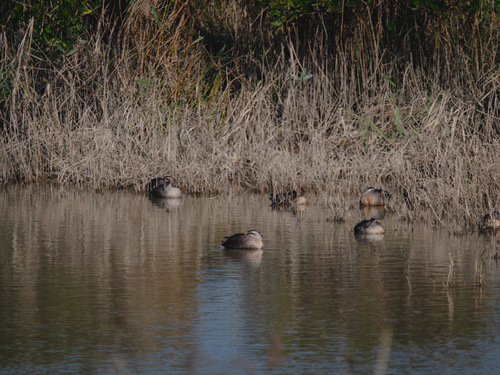
カルガモ (Anas zonorhyncha) カルガモ

メディア

読み込み中…

要点

インドアカボシカルガモとカルガモを区別する最も信頼できるフィールドマークは、飛行中のスペクルムの色とパターンです:インドは基部に広い白い帯を持つ緑のスペクルムを示し、カルガモは青いスペクルム(時には青緑と表現される)を持ち、広い白い帯がありません。静止時、インドアカボシカルガモ(本土亜種)はくちばしの基部に特徴的な赤い斑点があり、カルガモにはこの赤い斑点がありません。カルガモは全体的に暗く茶色がかっており、羽毛はマミジロカルガモにより似ています。両者はサイズと構造が似ており、両性は似ていますが、翼のパターンとくちばしの基部の色に注意を払うことで通常は識別が可能です。両者の幼鳥は鈍く茶色がかっているため、飛行中の視点とくちばしの色は未熟な鳥にとって特に重要です。

識別のコツ

  1. 飛行中のスペクルムの色(すべての年齢): インドアカボシカルガモは基部に広い白い帯を持つ緑のスペクルムを示し、カルガモは青いスペクルムを持ち、広い白い帯がありません。これは最も信頼できるフィールドマークであり、特に飛行中や羽繕い中に重要です。
  2. くちばしの基部の色(成鳥、特にオス): インドアカボシカルガモ(本土)はくちばしの基部に赤またはオレンジ赤の斑点を持ち、カルガモにはこの赤い斑点がありません。メスはあまり目立たない斑点を持つことがありますが、一部のインド亜種(haringtoni)にはこの斑点がないため、国境地域では注意が必要です。
  3. 全体的な羽毛のトーン: カルガモは全体的に暗く茶色がかっており、体の羽毛はマミジロカルガモにより似ています。インドアカボシカルガモは特に頭部と首が淡いです。
  4. くちばしの先端: 両者は黄色い先端を持つ黒いくちばしを持っているため、これは診断には役立ちません。
  5. 脚の色: 両者は明るいオレンジからコーラルレッドの脚と足を持っており、区別には役立ちません。
  6. 幼鳥の外観: 両者の幼鳥は茶色がかって鈍いですが、スペクルムの色とくちばしの基部のマーク(存在する場合)は依然として有用です。鈍い鳥では、翼のパターンとくちばしの基部を優先してください。
  7. 静止している鳥: 静止時、インドアカボシカルガモでは白い三次羽が側面にストライプを形成しているのを探してください。これはカルガモではあまり目立たないかもしれません。
  8. 性差: 両性は似ています;オスのインドアカボシカルガモはより明らかな赤いくちばしの斑点を持っていますが、これは常に性別を識別したり種を区別したりするのに信頼できるわけではありません。
  9. 日食羽毛: どちらの種も特徴的な日食羽毛を持っていません;成鳥は年間を通じて似た外観を保ちます。
  10. 飛行の印象: 両種は飛行中に似ており、翼の形、主翼の突出、または尾において顕著な違いはありません。
  11. 生息地と範囲: インドアカボシカルガモはインド亜大陸に生息しており、カルガモは東/東南アジアで繁殖し、移動します。重複ゾーンの外で見られた場合、範囲は強い手がかりです。
  12. 群れの行動: インドアカボシカルガモは通常ペアまたは小さな群れで見られ、ほぼ垂直に水から離陸できます。カルガモは繁殖シーズン外ではより小さな群れで見られる傾向がありますが、これは診断には役立ちません。
  13. 声: 両者はマガモのように聞こえます;声を区別に使用しないでください。
  14. ハイブリッドの注意: 両者はマガモとハイブリッド化することができ、特にロシア東部で、奇妙な個体は混合特徴を示すことがあります。自信を持って識別するために複数のマークを使用してください。
  15. 落とし穴: 一部のインドアカボシカルガモ亜種(haringtoni)における赤いくちばしの斑点の欠如や、両種の幼鳥の鈍い外観に注意してください。常にスペクルムの色とくちばしの基部を組み合わせて優先してください。

大きさ

両種は非常にサイズが似ており、マガモの比率に一致します:長さ55〜63 cm、翼幅83〜95 cm、成鳥の体重は約1195 g(インドアカボシカルガモ;カルガモはWikipediaによると同じ範囲です)。両者の間に意味のあるサイズや構造の違いはありません。

羽色

行動

両種は水面での採餌を主に行うダブリングダックであり、しばしば夕方や夜に見られます。インドアカボシカルガモは通常ペアまたは小さな群れで見られ、水からほぼ垂直に離陸できます。カルガモは繁殖シーズン外ではより社交的で、小さな群れを形成します。両者は脅威を感じたときに潜水することができ、特に換羽中に顕著です。フィールドでの区別を助けるための主要な行動の違いはありません。

生息環境

インドアカボシカルガモはインド亜大陸の淡水湿地全体で繁殖する常駐種であり、移動しません。カルガモは東アジアと東南アジアで繁殖し、移動し、さらに南で冬を越します。両者は開けた国の淡水湖や湿地を好みます。重複はインドの極東部と東南アジアに限られているため、重複ゾーンを除いて範囲は強い手がかりです。

声

両種はマガモに似た鳴き声を持っています:メスは大きなクワックを出し、オスはより深く静かな音を出します。両者の間に声の診断上の違いはありません。

より良い説明を送る

比較と同じ項目を使ってください。文章はすぐに公開されます。

The most reliable field mark to separate Indian Spot-billed Duck from Eastern Spot-billed Duck is the color and pattern of the speculum in flight: Indian shows a green speculum with a broad white band at the base, while Eastern has a blue speculum (sometimes described as blue-green) and lacks the broad white band. At rest, Indian Spot-billed Duck (mainland subspecies) has a distinctive red spot at the base of the bill, which is absent in Eastern Spot-billed Duck. Eastern is also overall darker and browner, with plumage more like Pacific Black Duck. Both are similar in size and structure, and both sexes look alike, but careful attention to wing pattern and bill base color will usually clinch the ID. Juveniles of both are duller and browner, so flight views and bill color are especially important for immature birds.

  1. Speculum color in flight (all ages): Indian Spot-billed Duck shows a green speculum with a broad white band at the base; Eastern Spot-billed Duck has a blue speculum and lacks the broad white band. This is the most reliable field mark, especially in flight or when preening.
  2. Bill base color (adults, especially males): Indian Spot-billed Duck (mainland) has a red or orange-red spot at the base of the bill; Eastern Spot-billed Duck lacks this red spot. Females may have a less obvious spot, and it is absent in some Indian subspecies (haringtoni), so use with caution in border regions.
  3. Overall plumage tone: Eastern Spot-billed Duck is darker and browner overall, with body plumage more like Pacific Black Duck. Indian Spot-billed Duck is paler, especially on the head and neck.
  4. Bill tip: Both have a black bill with a yellow tip, so this is not diagnostic.
  5. Leg color: Both have bright orange to coral-red legs and feet; not useful for separation.
  6. Juvenile appearance: Juveniles of both are browner and duller, but the speculum color and bill base mark (if present) remain useful. In dull birds, prioritize wing pattern and bill base.
  7. Resting birds: At rest, look for the white tertials forming a stripe on the side in Indian Spot-billed Duck, which may be less obvious in Eastern.
  8. Sex differences: Both sexes are similar; male Indian Spot-billed Duck has a more obvious red bill spot, but this is not always reliable for sexing or separating species.
  9. Eclipse plumage: Neither species has a distinctive eclipse plumage; adults retain similar appearance year-round.
  10. Flight jizz: Both species are similar in flight, with no noted differences in wing shape, primary projection, or tail.
  11. Habitat and range: Indian Spot-billed Duck is resident in the Indian subcontinent; Eastern Spot-billed Duck breeds in East/Southeast Asia and is migratory. If seen outside the overlap zone, range is a strong clue.
  12. Group behavior: Indian Spot-billed Duck is often in pairs or small groups; Eastern Spot-billed Duck is more likely to be seen in small flocks, especially outside breeding season, but this is not diagnostic.
  13. Voice: Both sound like Mallard; do not use voice for separation.
  14. Hybrid caution: Both can hybridize with Mallard, especially in eastern Russia, so odd individuals may show mixed features. Use multiple marks for confident ID.
  15. Pitfalls: Beware of the absence of the red bill spot in some Indian Spot-billed Duck subspecies (haringtoni) and the duller appearance of juveniles in both species. Always prioritize speculum color and bill base in combination.

Both species are very similar in size, matching Mallard proportions: 55–63 cm in length, 83–95 cm wingspan, and adult body mass around 1195 g (Indian Spot-billed Duck; Eastern is in the same range per Wikipedia). No meaningful difference in size or structure is noted between the two.

  • Juveniles/immatures: Both are browner and duller than adults, but the key difference remains in the speculum color when the wing is spread: Indian Spot-billed Duck (all ages) shows a green speculum with a broad white band at the base, while Eastern Spot-billed Duck has a blue speculum and lacks the broad white band. Juvenile bill color is less bright, but the red spot (Indian) or its absence (Eastern) is still a clue in older juveniles.
  • Adults: Indian Spot-billed Duck (mainland) has a red spot at the bill base, a green speculum with broad white band, and is paler overall. Eastern Spot-billed Duck lacks the red spot, has a blue speculum, and is darker and browner, with body plumage closer to Pacific Black Duck. Both have a black bill with a yellow tip, orange to coral-red legs, and a scaly pattern on the body. Both sexes are similar, and neither has a distinctive eclipse plumage.

Both species are dabbling ducks, feeding mainly by dabbling in shallow water, often in the evening or at night. Indian Spot-billed Duck is usually seen in pairs or small groups and can take off nearly vertically from water. Eastern Spot-billed Duck is more gregarious outside breeding season, forming small flocks. Both are capable of diving when threatened, especially during moult. No major behavioral differences are noted that aid field separation.

Indian Spot-billed Duck is a resident breeder throughout freshwater wetlands of the Indian subcontinent and is non-migratory. Eastern Spot-billed Duck breeds in East and Southeast Asia, is migratory, and winters further south. Both favor freshwater lakes and marshes in open country. Overlap is limited to far eastern India and Southeast Asia, so range is a strong clue except in overlap zones.

Both species have calls similar to Mallard: females give a loud quack, males a deeper, quieter sound. No diagnostic difference in voice is noted between the two.

変更を破棄しますか?

保存していない編集があります。今離れると失われます。

アカボシカルガモ · カルガモ · 苦手な鳥