

Motmot

ミヤマヒメアオヒタキ 対 インドシナヒメアオヒタキ

Cyornis whitei 対 Cyornis sumatrensis

ミヤマヒメアオヒタキとインドシナヒメアオヒタキのクイズ
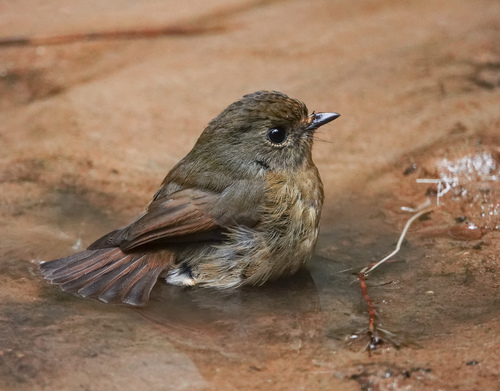
ミヤマヒメアオヒタキ (Cyornis whitei) ミヤマヒメアオヒタキ
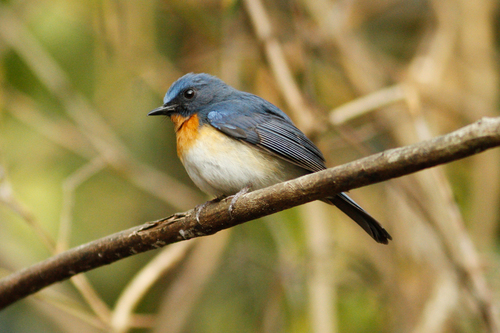
インドシナヒメアオヒタキ (Cyornis sumatrensis) インドシナヒメアオヒタキ

メディア

読み込み中…

要点

ミヤマヒメアオヒタキとインドシナヒメアオヒタキをフィールドで区別するのは難しい。特に、両者は青とオレンジのCyornisヒメアオヒタキで、東南アジアでの分布が重なっている。最も信頼できる違いは微妙で、しばしば近くでの観察を必要とする。インドシナヒメアオヒタキの地域的な羽毛の変異は混乱を引き起こす可能性があるが、ミヤマヒメアオヒタキは一般的に上面がより深い青で、下面がより豊かなオレンジである。幼鳥や未成熟の羽毛は情報源で十分に記述されていないため、新しい羽毛を持つ成鳥のオスが最も区別しやすい。構造と行動は似ているため、微妙な色合いや分布の手がかりに注目する。特に雌や非繁殖の鳥に関しては重複や不確実性が予想される。

識別のコツ

  1. 成鳥のオスの羽毛: ミヤマヒメアオヒタキは、上面がより深く、より飽和した青で、インドシナヒメアオヒタキのほとんどよりも豊かで広範なオレンジの喉と胸を持っている。これは新しい成鳥のオスで最も信頼できる。
  2. インドシナヒメアオヒタキの地域的変異: インドシナヒメアオヒタキは重要な地域的変異を示すことに注意してください。南部の鳥はより淡く、飽和度が低い場合があり、一部の北部の鳥は色の強度でミヤマヒメアオヒタキに近づくことがある。
  3. 雌と未成熟の個体: 両種ともに、より鈍い、対照的でない雌や若い鳥を持っている。これらの羽毛での区別は非常に難しく、近くでの直接比較なしでは信頼できないことが多い。
  4. 幼鳥/未成熟の翼のパターン: どちらの種についても、特定の年齢に特有の上翼や飛行マークは記述されていないため、この特徴に頼らないでください。
  5. 構造とジズ: 両種は似たような比率、姿勢、飛行スタイルを共有している。くちばしの形、尾の長さ、主羽の突出は区別に役立たない。
  6. 生息地と標高: 重複する地域では、ミヤマヒメアオヒタキは丘陵や山地の森林にいる可能性が高く、インドシナヒメアオヒタキは低地や丘の森林により一般的である。この情報をサポートする手がかりとして使用してください。特に鳥が高い標高で見られた場合は。
  7. 分布: 中国南部やインド北東部で見られた場合、ミヤマヒメアオヒタキの可能性が高い。ミャンマー南部、マレー半島、またはスマトラでは、インドシナヒメアオヒタキが期待される。東南アジア本土では、両者が発生する可能性があるため、注意が必要です。
  8. 亜種の混乱: 一部のインドシナヒメアオヒタキの亜種(特に北部)は、ミヤマヒメアオヒタキに非常に似ている場合があるため、重複や個体差の可能性を常に考慮してください。
  9. 声: 情報源には区別できる声の違いは提供されていないため、歌や鳴き声に頼って区別しないでください。
  10. 季節: 両種はそれぞれの分布域で定住または短距離の移動を行うため、季節的な移動は信頼できる区別の手段ではない。
  11. ノドアカヒメアオヒタキとの落とし穴: 両種は以前、ノドアカヒメアオヒタキと同種と見なされていたため、重複する地域でその種との混乱に注意してください。
  12. 照明条件: 青とオレンジのトーンは、光や摩耗によって異なるように見える場合があるため、常に複数の視点や角度を試みてください。
  13. 写真の記録: 違いの微妙さを考慮し、可能な場合は後でのレビューや専門家の相談のために写真を取得することをお勧めします。
  14. コミュニティの意見: 不確かな場合は、特に両種が一緒に発生する可能性のある地域では、地元の専門家やコミュニティの意見を求めてください。
  15. 不確実性を受け入れる: 特に雌や未成熟の個体に関しては、フィールドで種を自信を持って特定することができない場合が多い。

大きさ

両種はサイズと構造が似ており、中型のCyornisヒメアオヒタキに典型的であり、利用可能な情報源には区別できるサイズや質量の違いは記載されていない。フィールドでの区別にサイズに頼らないでください。

羽色

どちらの種についても、幼鳥や未成熟の上翼パターンに関する詳細なノートは利用できないため、年齢特有の飛行マークは信頼できない。成鳥については、ミヤマヒメアオヒタキは通常、上面がより強烈で深い青で、喉と胸により豊かで広範なオレンジを持っているのに対し、インドシナヒメアオヒタキはより地域的な変異を示し、特に南部の個体ではより淡くまたは飽和度が低く見えることがある。両種の雌や未成熟の個体は鈍く、区別が難しく、両者ともに muted blue と orange のトーンを示す。インドシナヒメアオヒタキの亜種の変異により、一部の個体がミヤマヒメアオヒタキに非常に似ることがあるため、注意が必要である。

行動

両種は典型的な森林のヒメアオヒタキとして行動し、頻繁に直立して低いから中程度の高さの止まり木から昆虫を捕まえる。フィールドで両者を信頼できるように区別する行動の違いは記載されていない。

生息環境

ミヤマヒメアオヒタキは中国南部、インド北東部、東南アジアで見られ、通常は丘陵や山地の森林に生息している。インドシナヒメアオヒタキはミャンマー南部、マレー半島からインドシナ、北東スマトラまで分布し、しばしば低地や丘の森林に生息している。東南アジアではいくつかの重複があるが、ミヤマヒメアオヒタキは高い標高で見られる可能性が高く、インドシナヒメアオヒタキは低地や丘の森林でより広く分布している。生息地と標高をサポートする手がかりとして使用し、主要な識別子としては使用しないでください。

より良い説明を送る

比較と同じ項目を使ってください。文章はすぐに公開されます。

Separating Hill Blue Flycatcher from Indochinese Blue Flycatcher in the field is challenging, especially as both are blue-and-orange Cyornis flycatchers with overlapping ranges in Southeast Asia. The most reliable differences are subtle and often require close views: regional plumage variation in Indochinese Blue Flycatcher can cause confusion, but Hill Blue Flycatcher is generally deeper blue above and richer orange below. Juvenile and immature plumages are not well described in the sources, so adult males in fresh plumage are easiest to separate. Structure and behavior are similar, so focus on subtle color and range cues. Expect overlap and some uncertainty, especially with females and non-breeding birds.

  1. Adult male plumage: Hill Blue Flycatcher is a deeper, more saturated blue above and has a richer, more extensive orange throat and breast than most Indochinese Blue Flycatchers. This is most reliable in fresh adult males.
  2. Regional variation in Indochinese Blue Flycatcher: Be aware that Indochinese Blue Flycatcher shows significant regional variation; southern birds can be paler and less saturated, while some northern birds approach Hill Blue Flycatcher in color intensity.
  3. Females and immatures: Both species have duller, less contrasting females and young birds. Separation in these plumages is extremely difficult and often unreliable without close, direct comparison.
  4. Juvenile/immature wing pattern: No distinctive age-specific upperwing or flight marks are described for either species, so do not rely on this feature.
  5. Structure and jizz: Both species share similar proportions, posture, and flight style. Bill shape, tail length, and primary projection are not useful for separation.
  6. Habitat and elevation: In areas of overlap, Hill Blue Flycatcher is more likely in hill and montane forests, while Indochinese Blue Flycatcher is more common in lowland and foothill forests. Use this as a supporting clue, especially if the bird is seen at higher elevations.
  7. Range: If seen in southern China or northeastern India, Hill Blue Flycatcher is more likely; in southern Myanmar, Malay Peninsula, or Sumatra, Indochinese Blue Flycatcher is expected. In mainland Southeast Asia, both may occur, so use caution.
  8. Subspecific confusion: Some Indochinese Blue Flycatcher subspecies (especially in the north) can closely resemble Hill Blue Flycatcher, so always consider the possibility of overlap and individual variation.
  9. Voice: No distinguishing vocal differences are provided in the sources, so do not rely on song or call for separation.
  10. Season: Both species are resident or short-distance migrants in their respective ranges; seasonal movement is not a reliable separation tool.
  11. Pitfalls with Tickell's Blue Flycatcher: Both species were previously considered conspecific with Tickell's Blue Flycatcher, so beware of confusion with that species in overlapping areas.
  12. Lighting conditions: Blue and orange tones can appear different depending on light and wear; always try for multiple views and angles.
  13. Photographic documentation: Given the subtlety of differences, obtaining photos for later review or expert consultation is recommended when possible.
  14. Community input: If uncertain, seek local expertise or community input, especially in regions where both species may occur together.
  15. Accept uncertainty: In many cases, especially with females and immatures, it may not be possible to confidently identify to species in the field.

Both species are similar in size and structure, typical of medium-sized Cyornis flycatchers, and no distinguishing size or mass differences are noted in the available sources. Do not rely on size for separation in the field.

No detailed notes are available on juvenile or immature upperwing patterns for either species, so age-specific flight marks cannot be used reliably. For adults, Hill Blue Flycatcher is typically a more intense, deeper blue on the upperparts and has a richer, more extensive orange on the throat and breast, while Indochinese Blue Flycatcher shows more regional variation and can appear paler or less saturated, especially in southern populations. Females and immatures of both species are duller and more difficult to separate, as both show muted blue and orange tones. Subspecific variation in Indochinese Blue Flycatcher may cause some individuals to closely resemble Hill Blue Flycatcher, so caution is needed.

Both species behave as typical forest flycatchers, frequently perching upright and sallying for insects from low to mid-level perches. No behavioral differences are noted that would reliably separate the two in the field.

Hill Blue Flycatcher is found in southern China, northeastern India, and Southeast Asia, typically in hill and montane forests. Indochinese Blue Flycatcher ranges from southern Myanmar and the Malay Peninsula to Indochina and northeastern Sumatra, often in lowland and hill forests. There is some overlap in Southeast Asia, but Hill Blue Flycatcher is more likely at higher elevations, while Indochinese Blue Flycatcher is more widespread in lowland and foothill forests. Use habitat and elevation as supporting clues, not primary identifiers.

変更を破棄しますか?

保存していない編集があります。今離れると失われます。

ミヤマヒメアオヒタキ · インドシナヒメアオヒタキ · 苦手な鳥