

Hill Blue Flycatcher vs Indochinese Blue Flycatcher
Cyornis whitei contro Cyornis sumatrensis
Fai un quiz con Hill Blue Flycatcher e Indochinese Blue Flycatcher
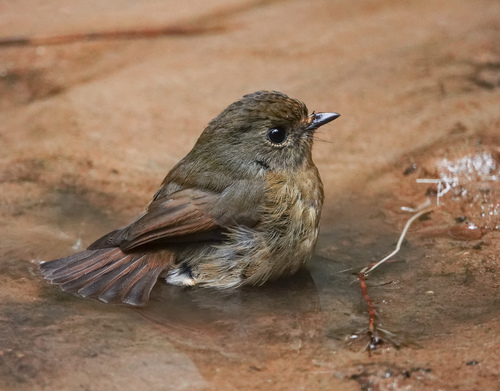 Hill Blue Flycatcher
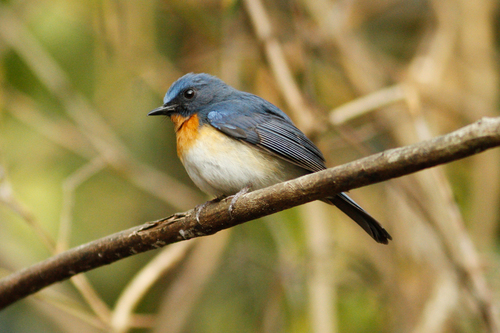 Indochinese Blue Flycatcher
In breve
Separare il Hill Blue Flycatcher dall'Indochinese Blue Flycatcher sul campo è una sfida, specialmente poiché entrambi sono Cyornis flycatchers blu e arancioni con aree di sovrapposizione nel sud-est asiatico. Le differenze più affidabili sono sottili e spesso richiedono visuali ravvicinate: la variazione del piumaggio regionale nell'Indochinese Blue Flycatcher può causare confusione, ma il Hill Blue Flycatcher è generalmente di un blu più profondo sopra e di un arancione più ricco sotto. I piumaggi giovanili e immaturi non sono ben descritti nelle fonti, quindi i maschi adulti in piumaggio fresco sono i più facili da separare. La struttura e il comportamento sono simili, quindi concentrati su sottili indizi di colore e area. Aspettati sovrapposizioni e qualche incertezza, specialmente con le femmine e gli uccelli non in riproduzione.
Consigli di identificazione
- Adult male plumage: Il Hill Blue Flycatcher è un blu più profondo e più saturo sopra e ha una gola e un petto arancioni più ricchi e più estesi rispetto alla maggior parte degli Indochinese Blue Flycatchers. Questo è più affidabile nei maschi adulti freschi.
- Regional variation in Indochinese Blue Flycatcher: Tieni presente che l'Indochinese Blue Flycatcher mostra una significativa variazione regionale; gli uccelli meridionali possono essere più chiari e meno saturi, mentre alcuni uccelli settentrionali si avvicinano all'intensità del colore del Hill Blue Flycatcher.
- Females and immatures: Entrambe le specie hanno femmine e giovani uccelli più opachi e meno contrastanti. La separazione in questi piumaggi è estremamente difficile e spesso inaffidabile senza un confronto diretto ravvicinato.
- Juvenile/immature wing pattern: Non sono descritti segni distintivi specifici per l'età sulle ali superiori o segni di volo per nessuna delle due specie, quindi non fare affidamento su questa caratteristica.
- Structure and jizz: Entrambe le specie condividono proporzioni, postura e stile di volo simili. La forma del becco, la lunghezza della coda e la proiezione primaria non sono utili per la separazione.
- Habitat and elevation: Nelle aree di sovrapposizione, il Hill Blue Flycatcher è più probabile che si trovi in foreste collinari e montane, mentre l'Indochinese Blue Flycatcher è più comune in foreste di pianura e ai piedi delle colline. Usa questo come indizio di supporto, specialmente se l'uccello è visto a elevazioni più elevate.
- Range: Se visto nel sud della Cina o nel nord-est dell'India, è più probabile che si tratti di un Hill Blue Flycatcher; nel sud del Myanmar, nella Penisola Malese o a Sumatra, ci si aspetta l'Indochinese Blue Flycatcher. Nel sud-est asiatico continentale, entrambe le specie possono verificarsi, quindi usa cautela.
- Subspecific confusion: Alcune sottospecie di Indochinese Blue Flycatcher (specialmente nel nord) possono assomigliare molto al Hill Blue Flycatcher, quindi considera sempre la possibilità di sovrapposizione e variazione individuale.
- Voice: Non sono fornite differenze vocali distintive nelle fonti, quindi non fare affidamento sul canto o sul richiamo per la separazione.
- Season: Entrambe le specie sono residenti o migratori a breve distanza nelle rispettive aree; il movimento stagionale non è uno strumento di separazione affidabile.
- Pitfalls with Tickell's Blue Flycatcher: Entrambe le specie erano precedentemente considerate conspecifiche con il Tickell's Blue Flycatcher, quindi fai attenzione alla confusione con quella specie nelle aree di sovrapposizione.
- Lighting conditions: I toni blu e arancioni possono apparire diversi a seconda della luce e dell'usura; cerca sempre di ottenere più visuali e angolazioni.
- Photographic documentation: Data la sottigliezza delle differenze, è consigliabile ottenere foto per una revisione successiva o una consulenza esperta quando possibile.
- Community input: Se hai dubbi, cerca esperti locali o input dalla comunità, specialmente nelle regioni in cui entrambe le specie possono verificarsi insieme.
- Accept uncertainty: In molti casi, specialmente con le femmine e gli immaturi, potrebbe non essere possibile identificare con sicurezza la specie sul campo.
Taglia
Entrambe le specie sono simili in dimensioni e struttura, tipiche dei Cyornis flycatchers di dimensioni medie, e non sono notate differenze distintive di dimensione o massa nelle fonti disponibili. Non fare affidamento sulla dimensione per la separazione sul campo.
Piumaggio
Non sono disponibili note dettagliate sui modelli delle ali superiori giovanili o immaturi per nessuna delle due specie, quindi i segni di volo specifici per l'età non possono essere utilizzati in modo affidabile. Per gli adulti, il Hill Blue Flycatcher è tipicamente di un blu più intenso e profondo nelle parti superiori e ha un arancione più ricco e più esteso sulla gola e sul petto, mentre l'Indochinese Blue Flycatcher mostra più variazione regionale e può apparire più chiaro o meno saturo, specialmente nelle popolazioni meridionali. Le femmine e gli immaturi di entrambe le specie sono più opachi e più difficili da separare, poiché entrambi mostrano toni blu e arancioni attenuati. La variazione sottospecifica nell'Indochinese Blue Flycatcher può far sì che alcuni individui assomiglino molto al Hill Blue Flycatcher, quindi è necessaria cautela.
Comportamento
Entrambe le specie si comportano come tipici flycatchers forestali, frequentemente posandosi in posizione eretta e lanciandosi per catturare insetti da posatoi bassi a medi. Non sono notate differenze comportamentali che possano separare affidabilmente le due specie sul campo.
Habitat
Il Hill Blue Flycatcher si trova nel sud della Cina, nel nord-est dell'India e nel sud-est asiatico, tipicamente in foreste collinari e montane. L'Indochinese Blue Flycatcher si estende dal sud del Myanmar e dalla Penisola Malese all'Indocina e al nord-est di Sumatra, spesso in foreste di pianura e collinari. C'è una certa sovrapposizione nel sud-est asiatico, ma il Hill Blue Flycatcher è più probabile a elevazioni più elevate, mentre l'Indochinese Blue Flycatcher è più diffuso nelle foreste di pianura e ai piedi delle colline. Usa l'habitat e l'elevazione come indizi di supporto, non come identificatori primari.
Hill Blue Flycatcher · Indochinese Blue Flycatcher · I miei uccelli difficili