

Motmot

シメ 対 ウソ

Coccothraustes coccothraustes 対 Pyrrhula pyrrhula

シメとウソのクイズ
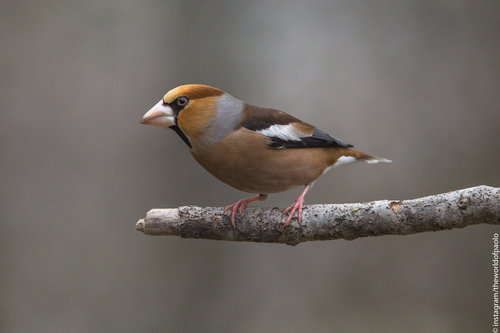
シメ (Coccothraustes coccothraustes) シメ
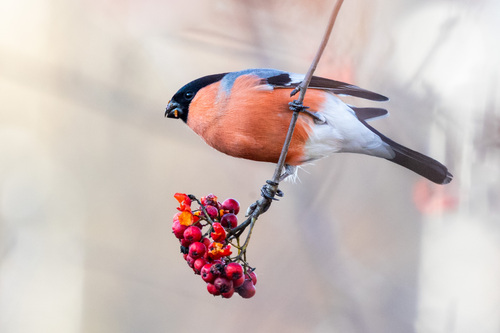
ウソ (Pyrrhula pyrrhula) ウソ

メディア

読み込み中…

要点

シメとウソを区別する最も信頼できるフィールドマークは、シメの巨大で円錐形のくちばしと、飛行中に見える際立った白い翼のバーです。ウソのくちばしは小さくて短く、翼の模様は控えめです。成鳥のオスのウソは鮮やかな赤い腹部を示しますが、シメは全体的にオレンジ褐色で、黒いビブとアイストライプがあります。どちらも頑丈で牛のような頭を持つフィンチですが、シメは明らかに大きくてがっしりしており、短い尾とより強力で深い基部のくちばしを持っています。幼鳥のウソは成鳥の黒い帽子がなく、顔は灰色がかっていますが、シメの幼鳥は成鳥に非常に似ていますが、色が薄いです。両種は静かで目立たず、呼び声や歌は微妙に異なります。

識別のコツ

  1. Bill size and shape (all ages): シメは巨大で深い基部を持つ円錐形のくちばしを持ち、金属的な光沢があり、ウソの短くて太いくちばしよりもはるかに大きくて広いです。これは、特に近距離や横から見るときに最初で最も明白な区別です。
  2. Head pattern (all ages): シメは強い黒いアイストライプとビブを示し、オレンジ褐色の頭と灰色のうなじを持っています。ウソの成鳥のオスは黒い帽子と顔を持っていますが、幼鳥は灰色がかった茶色の顔を持ち、黒い帽子がないため、シメの幼鳥よりも顔が薄いです。
  3. Wing pattern in flight (all ages): シメは広い白い翼のバーと白い尾の先端を示し、飛行中に大胆で際立っています。ウソは白い尾羽と狭い白い翼のバーを示し、シメよりも広がりが少ないです。幼鳥では、ウソの翼のバーはまだ存在しますが、帽子は黒ではありません。
  4. Underpart color (adults, especially males): 成鳥のオスのウソは鮮やかな赤い胸と腹を持ち、シメは下側がオレンジ褐色です。メスと幼鳥のウソは下側が灰色がかったバフ色ですが、シメのオレンジ色のトーンや黒いビブは欠けています。
  5. Overall size and bulk (all ages): シメははるかに大きくて重く、太い首と牛のような頭、短い尾の外観を持っています。ウソは小さく、よりコンパクトで、がっしりしていません。
  6. Tail shape and length (all ages): シメの尾は特に短く、淡い先端を持ち、飛行中にがっしりとした短い尾の外観を与えます。ウソの尾は相対的に長く、全体が暗いです。
  7. Upperpart color (all ages): シメの上面は暗褐色で、オレンジ褐色の頭と黒い翼と対照的です。ウソは灰色の上面と黒い翼を持ち、飛行中に目立つ白い尾羽を持っています。
  8. Sex differences (Bullfinch only): 成鳥のオスのウソだけが鮮やかな赤い下部を持ち、メスと幼鳥はより鈍いです。シメの性別は似ており、メスはわずかに色が薄いです。
  9. Juvenile confusion: 幼鳥のウソは黒い帽子がなく、無地の灰色がかった茶色の顔を持っていますが、シメの幼鳥は黒いアイストライプとビブを保持しており、両方が成鳥よりも鈍い場合でも区別するのに役立ちます。
  10. Leg color (all ages): シメは淡い色合いの短いピンクがかった足を持っています。ウソの足は特に特徴的ではないため、これは小さな補助的なマークです。
  11. Flight style: シメは強く直接的に飛び、重くて短い尾に見えます。ウソはよりひらひらとした波状の飛行をし、しばしば白い尾羽を見せます。
  12. Vocalization: シメの硬い「チック」という呼び声と、ウソの柔らかい、口笛のような「ピュー」を聞いてください。違いは微妙ですが、鳥が隠れている場合にIDを確認するのに役立ちます。
  13. Habitat context: 大きな木がある成熟した落葉樹林、特にハンノキではシメを期待してください。庭や生け垣、小さな森ではウソの方が可能性が高いです。
  14. Seasonal plumage: 両種は夏の終わりから秋の初めにかけて換羽しますが、ウソのオスは他のフィンチとは異なり、秋に鈍くなりません。シメのくちばしの色は季節ごとに変わります:夏は黒、冬は淡い色です。
  15. Group size: シメは通常、単独またはペアで見られますが、ウソは繁殖期以外の時期に小さな群れを作ることがあります。

大きさ

シメはウソよりも明らかに大きくて重いです。シメの体長は約16.5〜18 cmで、翼幅は29〜33 cm、頑丈な体型で体重は46〜70 gの範囲です。それに対して、ウソは小さくて軽く、典型的な成鳥の質量は約31 gです。シメのサイズはフィールドでしばしば明らかで、特に横に並んでいるときや、スケールのために馴染みのある種と一緒に見られるときに顕著です。

羽色

幼鳥と成鳥のシメは、オレンジ褐色の頭、黒いアイストライプとビブ、白い先端を持つ短い淡い尾の組み合わせを示します。彼らの上面は暗褐色で、上翼は深い黒で、特に飛行中に目立つ3つの異なるストライプ(白、茶色、青)があります。性別は似ていますが、メスはわずかに色が薄いです。それに対して、成鳥のオスのウソは鮮やかな赤い胸と下部、黒い帽子と顔、灰色の上面、黒い翼、飛行中に目立つ白い尾羽と翼のバーを持っています。メスと幼鳥は鈍く、灰色がかったバフ色の下部と、幼鳥の灰色がかった茶色の顔と帽子を持っています。ウソの幼鳥は成鳥の黒い帽子が欠けており、これはシメの幼鳥との重要な区別となる可能性があります。両種は白い翼のマーキングを持っていますが、シメのものはより広く、特に飛行中に対照的です。

行動

両種は一般的に目立たず、ペアまたは小さな群れで見られることが多いです。シメはより孤独であるか、非常に小さな群れで見られる傾向がありますが、ウソは繁殖期以外の時期にやや大きな群れで見られることがあります。シメはしばしば樹冠の高い位置にいるか、静かに止まっており、時々地面に降りて餌を食べます。ウソは低い茂みや木の中で餌を食べているのが見られる可能性が高いです。飛行中、シメは短い尾で重く見え、直接的で力強い飛行をしますが、ウソはよりひらひらとした波状の飛行パターンを持っています。

生息環境

両種は成熟した木がある森林や公園を好みますが、シメは特にハンノキのある大きな落葉樹林や混合林を好む傾向があります。ウソはより適応性があり、小さな森林、生け垣、庭、果樹園で見られることが多いです。特に樹冠の中で密な成熟した森林で大きなフィンチに出会った場合、シメの可能性が高く、茂みの端、庭、または低い植生ではウソがデフォルトです。

声

シメは硬く鋭い「チック」という呼び声を出し、静かでぼんやりとした歌を持っていますが、これはめったに聞かれません。ウソの呼び声は柔らかく、メランコリックな口笛の「ピュー」または「ピュー」であり、その歌は弱く、かすれたさえずりで、柔らかい口笛と交互に続き、近距離でしか聞こえません。呼び声の質の違い—シメのものは鋭くて硬く、ウソのものは柔らかくてより哀愁を帯びている—は、見えにくいが聞こえる場合に役立ちます。

より良い説明を送る

比較と同じ項目を使ってください。文章はすぐに公開されます。

The most reliable field mark to separate Hawfinch from Eurasian Bullfinch is the Hawfinch’s massive, conical bill and striking white wing bars visible in flight, compared to the Bullfinch’s smaller, stubbier bill and more subdued wing pattern. Adult male Bullfinches show a vivid red underpart, while Hawfinch is overall orange-brown with a black bib and eyestripe. Both are robust, bull-headed finches, but Hawfinch is noticeably larger and bulkier, with a short tail and a more powerful, deep-based bill. Juvenile Bullfinches lack the adult’s black cap and have a greyer face, while Hawfinch juveniles closely resemble adults but are paler. Both species are quiet and unobtrusive, but their calls and songs differ subtly.

  1. Bill size and shape (all ages): Hawfinch has a massive, deep-based, conical bill with a metallic sheen, much larger and broader than Bullfinch’s short, stubby bill. This is often the first and most obvious distinction, especially at close range or in profile.
  2. Head pattern (all ages): Hawfinch shows a strong black eyestripe and bib, with an orange-brown head and grey nape. Bullfinch adult males have a black cap and face, but juveniles have a greyish-brown face and lack the black cap, making them paler-faced than Hawfinch juveniles.
  3. Wing pattern in flight (all ages): Hawfinch displays broad white wing bars and a white tail tip, which are bold and striking in flight. Bullfinch shows a white rump and a narrower white wing bar, less extensive than Hawfinch’s. In juveniles, Bullfinch’s wing bar is still present but the cap is not black.
  4. Underpart color (adults, especially males): Adult male Bullfinch has a vivid red breast and belly; Hawfinch is orange-brown below. Female and juvenile Bullfinches are grey-buff below, but still lack the Hawfinch’s orange tones and black bib.
  5. Overall size and bulk (all ages): Hawfinch is much larger and heavier, with a thick neck and a bull-headed, short-tailed appearance. Bullfinch is smaller, more compact, and less bulky.
  6. Tail shape and length (all ages): Hawfinch’s tail is notably short and pale-tipped, contributing to its chunky, short-tailed look in flight. Bullfinch’s tail is proportionally longer and all dark.
  7. Upperpart color (all ages): Hawfinch’s upperparts are dark brown, contrasting with its orange-brown head and black wings. Bullfinch has grey upperparts and black wings, with a white rump that stands out in flight.
  8. Sex differences (Bullfinch only): Only adult male Bullfinch has the bright red underparts; females and juveniles are duller. Hawfinch sexes are similar, with females just slightly paler.
  9. Juvenile confusion: Juvenile Bullfinches lack the black cap and have a plain, greyish-brown face, while Hawfinch juveniles retain the black eyestripe and bib, helping separate them even when both are duller than adults.
  10. Leg color (all ages): Hawfinch has short, pinkish legs with a light hue; Bullfinch’s legs are not described as distinctive, so this is a minor supporting mark.
  11. Flight style: Hawfinch flies strongly and directly, appearing heavy and short-tailed. Bullfinch has a more fluttery, undulating flight, often showing the white rump.
  12. Vocalization: Listen for Hawfinch’s hard 'chick' call versus Bullfinch’s soft, whistled 'peeu.' The difference is subtle but can confirm ID if the bird is hidden.
  13. Habitat context: In mature, deciduous woodland with large trees, especially hornbeam, expect Hawfinch; in gardens, hedgerows, and smaller woods, Bullfinch is more likely.
  14. Seasonal plumage: Both species moult in late summer to early autumn, but Bullfinch males do not become duller in autumn, unlike some other finches. Hawfinch’s bill color changes seasonally: black in summer, paler in winter.
  15. Group size: Hawfinch is usually solitary or in pairs; Bullfinch may gather in small flocks, especially outside the breeding season.

Hawfinch is significantly larger and heavier than Eurasian Bullfinch. Hawfinch measures about 16.5–18 cm in length and has a wingspan of 29–33 cm, with a robust build and a weight range of 46–70 g. In contrast, Eurasian Bullfinch is smaller and lighter, with a typical adult mass of about 31 g. The Hawfinch’s size is often apparent in the field, especially when seen side by side or with familiar species for scale.

Juvenile and adult Hawfinches both show a combination of orange-brown head, black eyestripe and bib, and a short, pale tail with a white tip. Their upperparts are dark brown, and the upperwing is deep black with three distinct stripes: white, brown, and blue, which are especially noticeable in flight. The sexes are similar, though females are slightly paler. In contrast, adult male Bullfinches have a striking red breast and underparts, black cap and face, grey upperparts, black wings, and a conspicuous white rump and wing bar in flight. Females and juveniles are duller, with grey-buff underparts and a greyish-brown face and cap in juveniles. Bullfinch juveniles lack the adult’s black cap, which can be a key distinction from Hawfinch juveniles, which retain the black eyestripe and bib. Both species have white wing markings, but Hawfinch’s are broader and more contrasting, especially when the bird is in flight.

Both species are generally unobtrusive and often seen in pairs or small groups. Hawfinch tends to be more solitary or in very small groups, while Bullfinch can sometimes be found in slightly larger flocks, especially outside the breeding season. Hawfinch is often high in the canopy or perched quietly, sometimes dropping down to feed on the ground. Bullfinch is more likely to be seen feeding lower in bushes or trees. In flight, Hawfinch appears short-tailed and heavy, with a direct, powerful flight, while Bullfinch has a more fluttery, undulating flight pattern.

Both species favor woodland and parkland with mature trees, but Hawfinch shows a stronger preference for large, deciduous or mixed woodlands, especially those with hornbeam. Bullfinch is more adaptable, often found in smaller woodlands, hedgerows, gardens, and orchards. If you encounter a large finch in dense, mature woodland, especially in the canopy, Hawfinch is more likely; in shrubby edges, gardens, or lower vegetation, Bullfinch is the default.

Hawfinch gives a hard, sharp 'chick' call and has a quiet, mumbled song that is rarely heard. Bullfinch’s call is a soft, melancholy whistled 'peeu' or 'pew', and its song is a weak, scratchy warble alternating with soft whistles, audible only at close range. The difference in call quality—Hawfinch’s being sharper and harder, Bullfinch’s softer and more plaintive—can be helpful if seen poorly but heard.

変更を破棄しますか?

保存していない編集があります。今離れると失われます。

シメ · ウソ · 苦手な鳥