

Motmot

カオグロシトド 対 シロスジヒメドリ

Zonotrichia querula 対 Ammospiza leconteii

カオグロシトドとシロスジヒメドリのクイズ
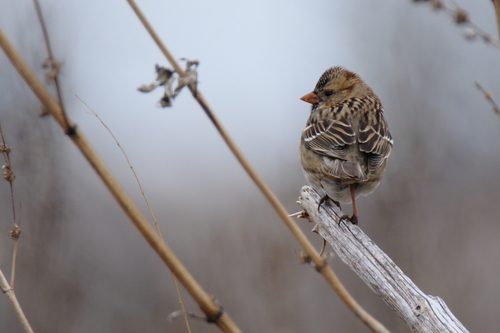
カオグロシトド (Zonotrichia querula) カオグロシトド
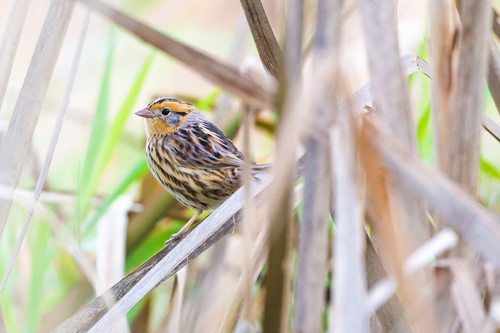
シロスジヒメドリ (Ammospiza leconteii) シロスジヒメドリ

メディア

読み込み中…

要点

カオグロシトドとシロスジヒメドリを区別する最も信頼できる方法は、サイズと全体的な構造によるものです:Harris'sははるかに大きくてずんぐりしており、しっかりとしたピンクのくちばしを持っていますが、LeConte'sは小さくて繊細で、短い灰色のくちばしを持っています。すべての羽色において、Harris'sは大胆な黒い顔とビブを示し(特に成鳥で)、LeConte'sは灰色の頬と白い中央の冠のストライプを持つバフィーオレンジの顔をしています。未熟なHarris'sは混乱を招くことがありますが、LeConte'sよりも大きく、ずんぐりした体型と下部に広がる黒が見られます。LeConte'sは草の中に隠れていることを好み、Harris'sは高いところに止まっているのが見られることが多いです。大きなピンクのくちばしと顔や喉に明らかな黒があるスズメを見たら、それはHarris'sです;もしそれが小さくて丸いスズメで、バフィーの顔と白い冠のストライプがあり、黒がなければ、それはLeConte'sです。

識別のコツ

  1. Size is the fastest check: カオグロシトドはLeConte'sよりもはるかに大きくて重いです。もしその鳥がスズメにしてはずんぐりしていて大きく見えるなら、それはHarris'sです;もしそれが小さくて丸いなら、それはLeConte'sです。これはすべての年齢と季節に当てはまります。
  2. Bill shape and color: Harris'sは大きな円錐形のピンクのくちばしを持っています(すべての年齢);LeConte'sは短い灰色のくちばしを持っています。くちばしの色は特に成鳥で明らかですが、サイズは常に役立ちます。
  3. Face and throat pattern: 成鳥のHarris'sは大胆な黒い冠、顔、喉、上胸を示し、頭の灰色の側面と対照的です。LeConte'sは顔や喉に黒を示すことはありません;その代わりに、すべての年齢で灰色の頬と白い中央の冠のストライプを持つバフィーの黄色オレンジの顔を探してください。
  4. Immature/juvenile confusion: 未熟なHarris'sは黒が少ないことがありますが、白い顎/喉、黒いマラーストライプ、広いぼやけた黒の胸帯を持っています。LeConte'sは黒いマラーストライプや胸帯を示すことはなく、きれいなバフィーオレンジの顔とストライプのある側面を持っています。もし喉や胸に黒が見えたら、それはHarris'sです。
  5. Crown stripe: LeConte'sは常に暗褐色に囲まれた白い中央の冠のストライプを持ち、すべての羽色で見られます。Harris'sの冠は成鳥で黒、幼鳥で黒いストライプのある茶色ですが、きれいな白い中央のストライプは示しません。
  6. Underparts: Harris'sの成鳥は白い下部を持ち、上胸に黒があり、側面に黒の斑点があります;未熟なものは下部により広範な黒があります。LeConte'sはオフホワイトの腹部とバフィーオレンジ-黄色の胸/側面を持ち、黒はありません。
  7. Back and wing bars: Harris'sは重い黒のストライプのある茶色の背中と2つの白い翼のバーを持っています。LeConte'sは茶色とベージュのストライプのある背中を持ちますが、明確な翼のバーはありません。
  8. Tail: Harris'sは長い尾を持っています;LeConte'sは短く尖った尾を持っています。飛行中や止まっているとき、尾の長さは有用な手がかりです。
  9. Posture and behavior: Harris'sはしばしば高いところに止まっているのが見られ、時には群れで見られ、厳密には地面に住んでいるわけではありません。LeConte'sは秘密主義で、密な草の中で低く留まることを好み、歌っているとき以外は開けた場所に止まることはほとんどありません。
  10. Habitat: Harris'sは冬に特に茂みのあるエッジ、開けた森林、野原で見られます。LeConte'sは密な草原や雑草の生えた野原に限定され、開けた場所や茂みのある場所にはめったに出ません。
  11. Song: Harris'sは高い止まり木から明確な笛のようなフレーズを歌います;LeConte'sの歌はバズのような昆虫のようなトリルで、しばしば草の中から発せられます。もしバッタのようなバズを聞いたら、それはLeConte'sです;明確な笛はHarris'sを指します。
  12. Seasonal change: Harris'sは非繁殖羽色で黒が少し失われ、よりバフィーで茶色になりますが、サイズとくちばしは依然として大きいです。LeConte'sは年間を通じて似たような状態です。
  13. Flock context: Harris'sは冬に混合スズメの群れに参加することがあり、しばしば存在する中で最も大きなスズメです。LeConte'sは通常孤独または小さなグループで、常に密な草の中にいます。
  14. Flight flush: LeConte'sは通常地面からフラッシュし、低く飛び、すぐにカバーに戻ります。Harris'sはこのようにフラッシュする可能性が低く、止まり木の間を飛んだり、オープンに餌を食べているのが見られることが多いです。
  15. When in doubt: もし顔や喉に黒があるピンクのくちばしを持つスズメを見たら、それはHarris'sです。もしそれが小さくて丸く、バフィーの顔と白い冠のストライプがあり、黒がなければ、それはLeConte'sです。

大きさ

カオグロシトドはシロスジヒメドリよりも劇的に大きいです。Harris'sは長さ17〜20 cm、翼幅約27 cm、体重は26〜49 g [wikipedia]で、北アメリカで最も大きなスズメです。シロスジヒメドリは最も小さなスズメの一つで、長さはわずか12 cm、翼幅18 cm、体重13.8 g [wikidata]です。フィールドでは、Harris'sは大きく、重い体型で、長い尾を持っているように見えますが、LeConte'sは小さく、丸く、短い尾を持っています。距離があっても、混合群れの中でも、サイズのギャップは際立っています。

羽色

行動

カオグロシトドはしばしば低木や木に止まっているのが見られ、特に歌っているときや冬の群れの中で見られます。開けた場所でも見られますが、厳密には地上に住んでいるわけではありません。シロスジヒメドリは秘密主義で、高く密な草の中に隠れていることを好み、草の茎から歌っているとき以外は開けた場所に止まることはほとんどありません。Harris'sは混合スズメの群れに参加し、目立つことが多いですが、LeConte'sは地面からフラッシュし、カバーに戻ることが多いです。

生息環境

カオグロシトドはカナダの北中央部で繁殖し、中央グレートプレーンズ(南ダコタ州南部からテキサス州中央部)で冬を越し、しばしば開けた森林、茂みのあるエッジ、野原で見られます。シロスジヒメドリは北部の草原で繁殖し、南部のアメリカで冬を越し、常に密で高い草や雑草の生えた野原を好みます。もし開けた草原やプレーリーでスズメを見つけた場合、特に地面からフラッシュしてカバーに消える場合、それはLeConte'sの可能性が高いです。Harris'sは茂みのあるエッジや森林の生息地にいる可能性が高く、より目立ちます。

声

カオグロシトドは明確で高く、揺れる笛のような音を連続して歌い、時には異なる音程で別のシリーズが続き、強い金属的な「チンク」という呼び声と音楽的なツイッターを発します。シロスジヒメドリの歌はバッタのようなバズで、最初に短いキュッという音があり、最後に短いチュンという音があります(ティカ-ズズズズズズズ-ティク)、その呼び声は短い「ツィップ」です。Harris'sの歌は音楽的で笛のようですが、LeConte'sは昆虫のようでバズのようです。LeConte'sはしばしば草の中の隠れた位置から歌い、Harris'sは高い止まり木から歌います。

より良い説明を送る

比較と同じ項目を使ってください。文章はすぐに公開されます。

The most reliable way to separate Harris's Sparrow from LeConte's Sparrow is by size and overall structure: Harris's is much larger and bulkier, with a hefty pink bill, while LeConte's is tiny and delicate with a short, gray bill. In all plumages, Harris's shows a bold black face and bib (especially in adults), whereas LeConte's has a buffy-orange face with gray cheeks and a white central crown stripe. Immature Harris's can be confusing, but still show a larger, chunkier build and more extensive black on the underparts than any LeConte's. LeConte's prefers to stay hidden in grass, while Harris's is more likely to be seen perched up. If you see a sparrow with a big pink bill and obvious black on the face or throat, it's Harris's; if it's a tiny, round sparrow with a buffy face and white crown stripe, it's LeConte's.

  1. Size is the fastest check: Harris's Sparrow is much larger and heavier than LeConte's. If the bird looks chunky and big for a sparrow, it's Harris's; if it's tiny and round, it's LeConte's. This works for all ages and seasons.
  2. Bill shape and color: Harris's has a large, conical, pink bill (all ages); LeConte's has a short, gray bill. Bill color is especially obvious in adults but size is always helpful.
  3. Face and throat pattern: Adult Harris's shows a bold black crown, face, throat, and upper breast, contrasting with gray sides of the head. LeConte's never shows black on the face or throat; instead, look for a buffy yellow-orange face with gray cheeks and a white central crown stripe (all ages).
  4. Immature/juvenile confusion: Immature Harris's can show less black, but still has a white chin/throat, black malar stripe, and a broad, smudgy black breast-band. LeConte's never shows a black malar or breast-band, instead has a clean buffy-orange face and streaked sides. If you see any black on the throat or breast, it's Harris's.
  5. Crown stripe: LeConte's always has a white central crown stripe bordered by dark brown, visible in all plumages. Harris's crown is black in adults, brownish with black streaks in juveniles, but never shows a clean white central stripe.
  6. Underparts: Harris's adults have white underparts with black on upper breast and some black mottling on flanks; immatures have more extensive black below. LeConte's has off-white belly and buffy orange-yellow breast/sides with brown streaks, never black.
  7. Back and wing bars: Harris's has a brown back with heavy black streaking and two white wing bars. LeConte's has a back streaked brown and beige, but no distinct wing bars.
  8. Tail: Harris's has a long tail; LeConte's has a short, pointed tail. In flight or perched, tail length is a useful clue.
  9. Posture and behavior: Harris's is often seen perched up, sometimes in flocks, and is not strictly ground-dwelling. LeConte's is secretive, stays low in dense grass, and rarely perches in the open except when singing.
  10. Habitat: Harris's is found in brushy edges, open woodlands, and fields, especially in winter. LeConte's is restricted to dense grasslands and weedy fields, rarely venturing into open or shrubby areas.
  11. Song: Harris's sings clear, whistled phrases from high perches; LeConte's song is a buzzy, insect-like trill, often delivered from within grass. If you hear a grasshopper-like buzz, it's LeConte's; clear whistles point to Harris's.
  12. Seasonal change: Harris's loses some black in non-breeding plumage, becoming more buffy and brown, but still shows a larger size and bill. LeConte's is similar year-round.
  13. Flock context: Harris's may join mixed sparrow flocks in winter and is often the largest sparrow present. LeConte's is usually solitary or in small groups, always in thick grass.
  14. Flight flush: LeConte's typically flushes from the ground, flies low, and drops quickly into cover. Harris's is less likely to flush this way and more likely to be seen flying between perches or feeding openly.
  15. When in doubt: If you see a sparrow with a pink bill and any black on the face or throat, it's Harris's. If it's tiny, round, with a buffy face and white crown stripe, and no black, it's LeConte's.

Harris's Sparrow is dramatically larger than LeConte's Sparrow. Harris's measures 17–20 cm in length with a wingspan of about 27 cm and a body mass ranging from 26–49 g [wikipedia], making it the largest North American sparrow. LeConte's Sparrow is one of the smallest sparrows, at just 12 cm in length, 18 cm wingspan, and 13.8 g in mass [wikidata]. In the field, Harris's appears large, heavy-bodied, and long-tailed, while LeConte's is tiny, round, and short-tailed. Even at a distance or in mixed flocks, the size gap is striking.

  • Juvenile/Immature: Juvenile Harris's Sparrow shows a brownish crown streaked with black and fine dark streaks below, plus some broader black markings on the underside. Immatures have a white chin and throat, a black malar stripe, and a broad, smudgy black breast-band. LeConte's juveniles and immatures are not described in detail, but all ages show a buffy-orange face with gray cheeks, a dark brown crown with a white central stripe, and a streaked back. No age of LeConte's shows black on the face or throat.
  • Adult (Breeding): Harris's Sparrow adults have a striking black crown, face, throat, and upper breast, a pink bill, gray sides of head and neck, brown streaked back, and two white wing bars. Underparts are white with some black mottling on the flanks. LeConte's adults have a buffy yellow-orange face, gray cheeks, dark brown crown with a white central stripe, lilac-gray nape with chestnut streaks, and a streaked brown/beige back. Underparts are off-white on the belly, buffy orange-yellow on breast/sides with dark brown streaks.
  • Adult (Non-breeding): Harris's becomes more buffy and brown, with reduced black on the head and throat, sometimes with whitish scalloping. LeConte's remains similar year-round.
  • Wing pattern in flight: No distinctive upperwing or flight pattern is described for either species that is diagnostic for age or species.

Harris's Sparrow is often seen perched up on shrubs or trees, especially when singing or in winter flocks. It can be found in open areas but is not strictly terrestrial. LeConte's Sparrow is secretive, preferring to stay hidden in tall, dense grasses, and is rarely seen perched in the open except when singing from a grass stem. Harris's is more likely to join mixed sparrow flocks and be visible, while LeConte's is more likely to flush from the ground and drop back into cover.

Harris's Sparrow breeds in northern central Canada and winters in the central Great Plains (southern South Dakota to central Texas), often in open woodlands, shrubby edges, and fields. LeConte's Sparrow breeds in northern grasslands and winters in the southern U.S., always favoring dense, tall grass or weedy fields. If you find a sparrow in open grassland or prairie, especially if it flushes from the ground and disappears into cover, it's more likely LeConte's. Harris's is more likely in brushy, edge, or woodland habitats and is more conspicuous.

Harris's Sparrow sings a series of clear, high, wavering whistles, sometimes followed by another series at a different pitch, and gives a strong metallic 'chink' call as well as musical twittering. LeConte's Sparrow's song is a grasshopper-like buzz with a short squeaky note at the start and a short chirp at the end (tika-zzzzzzzzzzzz-tik), and its call is a short 'tsip.' Harris's song is musical and whistled, while LeConte's is insect-like and buzzy. LeConte's often sings from concealed positions in grass, while Harris's sings from high perches.

変更を破棄しますか?

保存していない編集があります。今離れると失われます。

カオグロシトド · シロスジヒメドリ · 苦手な鳥