

Motmot

ヤクシャウズラ 対 クロアシアカノドシャコ

Coturnix delegorguei 対 Pternistis swainsonii

ヤクシャウズラとクロアシアカノドシャコのクイズ
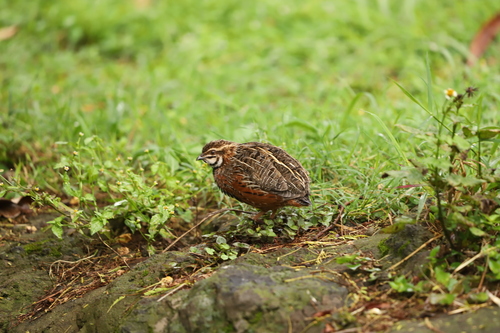
ヤクシャウズラ (Coturnix delegorguei) ヤクシャウズラ
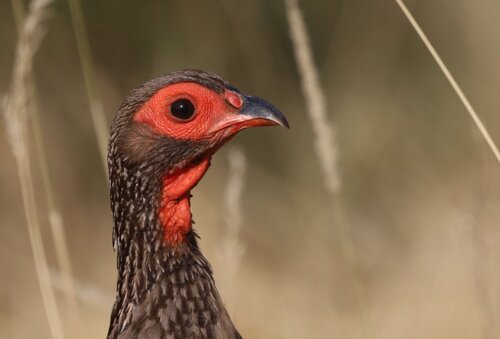
クロアシアカノドシャコ (Pternistis swainsonii) クロアシアカノドシャコ

メディア

読み込み中…

要点

ヤクシャウズラとクロアシアカノドシャコを区別する最も信頼できる方法は、全体のサイズと構造によるものです:ヤクシャウズラは小さく、コンパクトなゲームバードであり、クロアシアカノドシャコははるかに大きく、体重が重いです。鳥が飛んでいるか地面にいるのを見た場合、ウズラの短く丸い翼とずんぐりしたプロファイルに注目してください。これに対して、シャコはより大きく、脚が長く、より直立した姿勢を持っています。羽毛の違いはこれらのメモではあまり文書化されていませんが、構造と体格は現場で明確です。両種は地上に生息するアフリカのゲームバードであるため、短い視界しか得られない場合に混乱が最も起こりやすいです。

識別のコツ

  1. Size is the quickest check: ヤクシャウズラはクロアシアカノドシャコよりもはるかに小さく、コンパクトです。鳥がハトのサイズかそれより小さい場合は、ウズラの可能性が高いです;鶏のサイズであれば、シャコです。
  2. Structure in profile: ウズラはずんぐりしていて、首が短く、尾も短く、丸い体をしています。シャコは脚が長く、首も長く、より直立しており、重くてがっしりとした見た目です。
  3. Flight style: ヤクシャウズラは急速で羽音を立てながら飛び立ち、地面にぴったりと寄り添い、すぐに降りてきます。クロアシアカノドシャコはより重く飛び立ち、翼の動きが遅く、低い木や茂みに止まることがあります。
  4. Leg length: シャコは明らかに脚が長く、歩いたり走ったりする際にしばしば見えます;ウズラの脚は短く、通常は体の羽毛に隠れています。
  5. Bill shape: 両者とも短くて強いくちばしを持っていますが、シャコのくちばしは相対的に大きく、より頑丈で、幅広い食事に適しています。
  6. Group size: ヤクシャウズラは通常、単独または小さな群れで見られます;クロアシアカノドシャコはペアや小さな家族グループで見られることが多く、時にはより目立ちます。
  7. Habitat context: 密なカバーのある開けた草原にいる場合、ウズラの可能性が高いです;茂みの多い開けた森林や農耕地の近くでは、シャコの可能性が高いです。
  8. Behavior when disturbed: ウズラは凍りついたりしゃがんだりし、その後低く速く飛び立ちます;シャコは走り、その後騒がしい離陸で飛び上がり、時には目立つように止まります。
  9. Plumage pattern: よく見える場合、ヤクシャウズラはより複雑な模様を示すことがありますが、これは常に見えるわけではなく、遠くからは信頼できません。
  10. Vocalizations: これらのメモでは文書化されていないため、ここでの区別に呼び声を頼らないでください。
  11. Season and sex: これらのメモには季節的または性別による二形性の詳細は提供されていないため、これを主要なマークとして使用しないでください。
  12. Common pitfalls: 遠くからや光が悪い場合、両者は茶色の地上に生息する鳥のように見えることがあります—迅速な区別にはサイズと姿勢を使用し、色ではなく。
  13. Local abundance: 両者はサハラ以南のアフリカに自生していますが、クロアシアカノドシャコは南アフリカでより広く分布しており、人間によって改変された生息地の近くで見られる可能性が高いです。
  14. Check for spurs: シャコ(名前が示すように)は脚にスパーを示すことがありますが、これは現場ではめったに見えず、主要なマークではありません。
  15. If in doubt: 羽毛や生息地だけに頼る前に、常に相対的なサイズと構造を把握しようとしてください。

大きさ

ヤクシャウズラははるかに小さく、体重は約75gです [wikidata]。一方、クロアシアカノドシャコはかなり大きく、体格が重いです(体重は示されていませんが、すべてのシャコはウズラよりもはるかに重いです)。ウズラはコンパクトで丸い鳥です;シャコは頑丈で、首と脚が長く、体格が重いです。距離があっても、両者が一緒に見られたり、馴染みのある参照と一緒に見られたりすると、サイズの差は通常明らかです。

羽色

どちらの種についても年齢特有の羽毛や飛行羽毛の詳細はメモに提供されていません。したがって、羽毛はこの比較において最も信頼できるフィールドマークではありません。両種は一般的に茶色がかったゲームバードですが、クロアシアカノドシャコは通常、より均一で暗い外観を示し、複雑に模様が付けられたヤクシャウズラよりもパターンが少ないです。しかし、翼や幼鳥のパターンの詳細な説明がない場合は、識別のために構造とサイズに焦点を当ててください。

行動

両種は地上性であり、動揺したときには飛ぶよりも歩いたり走ったりすることを好みます。ヤクシャウズラは低く速く飛び立つ傾向があり、急速な翼の動きで短い距離を飛び、その後カバーに戻ります。クロアシアカノドシャコは、開けた場所で歩いているのが見られることが多く、しばしばペアや小さなグループで見られ、飛び立つときは遅く、より重労働の翼の動きで飛び、低い木や茂みに止まることがあります。シャコの行動は一般的にウズラの秘密主義的な習性よりも大胆で目立ちます。

生息環境

両種はサハラ以南のアフリカの開けた国に生息していますが、ヤクシャウズラは密な地面のカバーのある草原やサバンナを好み、クロアシアカノドシャコはより頻繁に開けた森林、農業地域、茂みの多い草原で見られます。シャコは乱された生息地に対してより耐性があり、人間の居住地の近くで見られることがありますが、ウズラは草原に厳密に結びついており、開けた露出した場所を避けます。

より良い説明を送る

比較と同じ項目を使ってください。文章はすぐに公開されます。

The most reliable way to separate Harlequin Quail from Swainson's Spurfowl is by overall size and structure: Harlequin Quail is a small, compact gamebird, while Swainson's Spurfowl is much larger and heavier-bodied. If you see the birds in flight or on the ground, note the quail's short, rounded wings and dumpy profile compared to the spurfowl's bigger, longer-legged, and more upright stance. Plumage differences are less well documented in these notes, but structure and bulk are clear in the field. Both species are ground-dwelling African gamebirds, so confusion is most likely when only brief views are obtained.

  1. Size is the quickest check: Harlequin Quail is much smaller and more compact than Swainson's Spurfowl. If the bird looks pigeon-sized or smaller, it's likely a quail; if it's chicken-sized, it's a spurfowl.
  2. Structure in profile: Quail are dumpy, short-necked, and short-tailed, with a rounded body. Spurfowl are longer-legged, longer-necked, and stand more upright, with a heavier, bulkier look.
  3. Flight style: Harlequin Quail flushes with a rapid, whirring flight, hugging the ground and dropping quickly. Swainson's Spurfowl takes off more heavily, with slower wingbeats and may fly up to perch in low trees or bushes.
  4. Leg length: Spurfowl have noticeably longer legs, often visible as they walk or run; quail legs are short and usually hidden by body feathers.
  5. Bill shape: Both have short, strong bills, but the spurfowl's is proportionally larger and more robust, suited to a wider diet.
  6. Group size: Harlequin Quail are usually seen singly or in small coveys; Swainson's Spurfowl may be in pairs or small family groups, sometimes more conspicuous.
  7. Habitat context: If you are in open grassland with dense cover, quail is more likely; in bushy, open woodland or near cultivation, spurfowl is more probable.
  8. Behavior when disturbed: Quail freeze or crouch, then flush low and fast; spurfowl may run, then fly up with a noisy takeoff, sometimes perching visibly.
  9. Plumage pattern: If seen well, Harlequin Quail may show more intricate patterning, but this is not always visible or reliable from a distance.
  10. Vocalizations: Not documented in these notes, so do not rely on calls for separation here.
  11. Season and sex: No seasonal or sexual dimorphism details are provided in these notes, so do not use these as primary marks.
  12. Common pitfalls: At a distance or in poor light, both can appear as brown, ground-dwelling birds—use size and jizz, not color, for quick separation.
  13. Local abundance: Both are native to sub-Saharan Africa, but Swainson's Spurfowl is more widespread in southern Africa and may be more likely near human-modified habitats.
  14. Check for spurs: Spurfowl (as the name suggests) may show a spur on the leg, but this is rarely visible in the field and not a primary mark.
  15. If in doubt: Always try to get a sense of relative size and structure before relying on plumage or habitat alone.

Harlequin Quail is much smaller, with a body mass of about 75g [wikidata], while Swainson's Spurfowl is substantially larger and bulkier (no mass given, but all spurfowls are much heavier than quails). The quail is a compact, rounded bird; the spurfowl is robust, with a longer neck and legs, and a heavier build. Even at a distance, the size gap is usually obvious if both are seen together or with a familiar reference.

No age-specific or flight plumage details are provided in the notes for either species. Therefore, plumage is not the most reliable field mark in this comparison. Both species are generally brownish gamebirds, but Swainson's Spurfowl typically shows a more uniform, darker appearance with less patterning than the intricately marked Harlequin Quail. However, without detailed descriptions of wing or juvenile patterns, focus on structure and size for identification.

Both species are terrestrial and prefer to walk or run rather than fly when disturbed. Harlequin Quail tends to flush low and fast, flying only short distances with rapid wingbeats before dropping back into cover. Swainson's Spurfowl is more likely to be seen walking in the open, often in pairs or small groups, and when flushed, flies with slower, more labored wingbeats and may perch in low trees or bushes. The spurfowl's behavior is generally bolder and more conspicuous than the quail's secretive habits.

Both species inhabit open country in sub-Saharan Africa, but Harlequin Quail prefers grassy fields and savannas with dense ground cover, while Swainson's Spurfowl is more often found in open woodlands, agricultural areas, and bushy grasslands. The spurfowl is more tolerant of disturbed habitats and may be seen near human habitation, whereas the quail is more strictly tied to grassland and avoids open, exposed areas.

変更を破棄しますか?

保存していない編集があります。今離れると失われます。

ヤクシャウズラ · クロアシアカノドシャコ · 苦手な鳥