

Harlequin Quail vs Swainson's Spurfowl
Coturnix delegorguei contro Pternistis swainsonii
Fai un quiz con Harlequin Quail e Swainson's Spurfowl
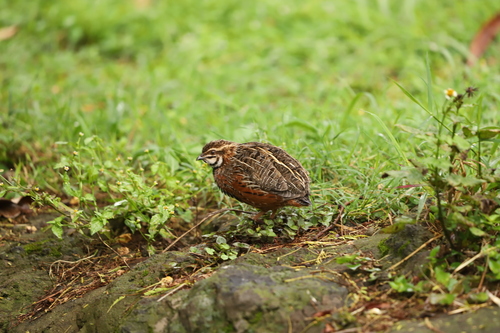 Harlequin Quail
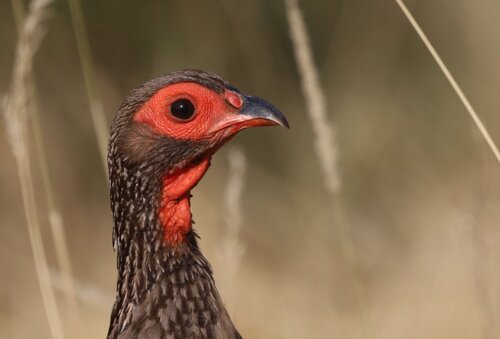 Swainson's Spurfowl
In breve
Il modo più affidabile per separare Harlequin Quail da Swainson's Spurfowl è attraverso le dimensioni e la struttura complessive: Harlequin Quail è un uccello da caccia piccolo e compatto, mentre Swainson's Spurfowl è molto più grande e pesante. Se vedi gli uccelli in volo o a terra, nota le ali corte e arrotondate della quaglia e il profilo tozzo rispetto alla postura più grande, con gambe lunghe e più eretta dello spurfowl. Le differenze nel piumaggio sono meno ben documentate in queste note, ma la struttura e il volume sono chiari sul campo. Entrambe le specie sono uccelli da caccia terrestri africani, quindi la confusione è più probabile quando si ottengono solo brevi visioni.
Consigli di identificazione
- Le dimensioni sono il controllo più veloce: Harlequin Quail è molto più piccolo e compatto rispetto a Swainson's Spurfowl. Se l'uccello appare delle dimensioni di un piccione o più piccolo, è probabile che sia una quaglia; se è delle dimensioni di un pollo, è un spurfowl.
- Struttura in profilo: Le quaglie sono tozze, con collo corto e coda corta, e un corpo arrotondato. Gli spurfowl hanno gambe più lunghe, collo più lungo e si ergono più dritti, con un aspetto più pesante e massiccio.
- Stile di volo: Harlequin Quail si alza con un volo rapido e frusciante, abbracciando il terreno e scendendo rapidamente. Swainson's Spurfowl decolla in modo più pesante, con battiti d'ali più lenti e può volare per posarsi su alberi bassi o cespugli.
- Lunghezza delle gambe: Gli spurfowl hanno gambe visibilmente più lunghe, spesso visibili mentre camminano o corrono; le gambe delle quaglie sono corte e di solito nascoste dalle piume del corpo.
- Forma del becco: Entrambi hanno becchi corti e robusti, ma quello dello spurfowl è proporzionalmente più grande e robusto, adatto a una dieta più varia.
- Dimensione del gruppo: Harlequin Quail è di solito visto singolarmente o in piccoli gruppi; Swainson's Spurfowl può essere in coppie o piccoli gruppi familiari, a volte più appariscenti.
- Contesto dell'habitat: Se ti trovi in una prateria aperta con copertura densa, è più probabile vedere quaglie; in boschi aperti cespugliosi o vicino a coltivazioni, è più probabile vedere spurfowl.
- Comportamento quando disturbati: Le quaglie si congelano o si accovacciano, poi si alzano basse e veloci; gli spurfowl possono correre, poi volare via con un decollo rumoroso, a volte posandosi visibilmente.
- Schema del piumaggio: Se viste bene, le Harlequin Quail possono mostrare un motivo più intricato, ma questo non è sempre visibile o affidabile da lontano.
- Vocalizzazioni: Non documentate in queste note, quindi non fare affidamento sui richiami per la separazione qui.
- Stagione e sesso: Non sono forniti dettagli sul dimorfismo stagionale o sessuale in queste note, quindi non utilizzare questi come segni primari.
- Trappole comuni: A distanza o in scarsa luce, entrambi possono apparire come uccelli marroni terrestri—usa dimensioni e impressioni, non colore, per una rapida separazione.
- Abbondanza locale: Entrambi sono nativi dell'Africa subsahariana, ma Swainson's Spurfowl è più diffuso nell'Africa meridionale e può essere più probabile vicino a habitat modificati dall'uomo.
- Controlla per speroni: Gli spurfowl (come suggerisce il nome) possono mostrare uno sperone sulla gamba, ma questo è raramente visibile sul campo e non è un segno primario.
- Se hai dubbi: Cerca sempre di avere un'idea delle dimensioni e della struttura relative prima di fare affidamento solo sul piumaggio o sull'habitat.
Taglia
Harlequin Quail è molto più piccolo, con una massa corporea di circa 75g [wikidata], mentre Swainson's Spurfowl è sostanzialmente più grande e massiccio (nessuna massa fornita, ma tutti gli spurfowl sono molto più pesanti delle quaglie). La quaglia è un uccello compatto e arrotondato; lo spurfowl è robusto, con un collo e gambe più lunghi, e una costruzione più pesante. Anche a distanza, il divario di dimensioni è solitamente ovvio se entrambi sono visti insieme o con un riferimento familiare.
Piumaggio
Nessun dettaglio specifico per età o piumaggio da volo è fornito nelle note per entrambe le specie. Pertanto, il piumaggio non è il segno di campo più affidabile in questo confronto. Entrambe le specie sono generalmente uccelli da caccia marroni, ma Swainson's Spurfowl mostra tipicamente un aspetto più uniforme e scuro con meno motivi rispetto alla Harlequin Quail intricatamente marcata. Tuttavia, senza descrizioni dettagliate dei motivi delle ali o dei giovani, concentrati su struttura e dimensioni per l'identificazione.
Comportamento
Entrambe le specie sono terrestri e preferiscono camminare o correre piuttosto che volare quando disturbate. Harlequin Quail tende a alzarsi basse e veloci, volando solo brevi distanze con battiti d'ali rapidi prima di tornare a nascondersi. Swainson's Spurfowl è più probabile che venga visto camminare in aperto, spesso in coppie o piccoli gruppi, e quando si alza, vola con battiti d'ali più lenti e faticosi e può posarsi su alberi bassi o cespugli. Il comportamento dello spurfowl è generalmente più audace e più appariscente rispetto alle abitudini riservate della quaglia.
Habitat
Entrambe le specie abitano paesaggi aperti nell'Africa subsahariana, ma Harlequin Quail preferisce campi erbosi e savane con copertura densa, mentre Swainson's Spurfowl si trova più spesso in boschi aperti, aree agricole e praterie cespugliose. Lo spurfowl è più tollerante verso gli habitat disturbati e può essere visto vicino a insediamenti umani, mentre la quaglia è più strettamente legata alla prateria e evita aree aperte ed esposte.
Harlequin Quail · Swainson's Spurfowl · I miei uccelli difficili