

Motmot

アマゾンカッコウ 対 オニオオハシカッコウ

Guira guira 対 Crotophaga major

アマゾンカッコウとオニオオハシカッコウのクイズ
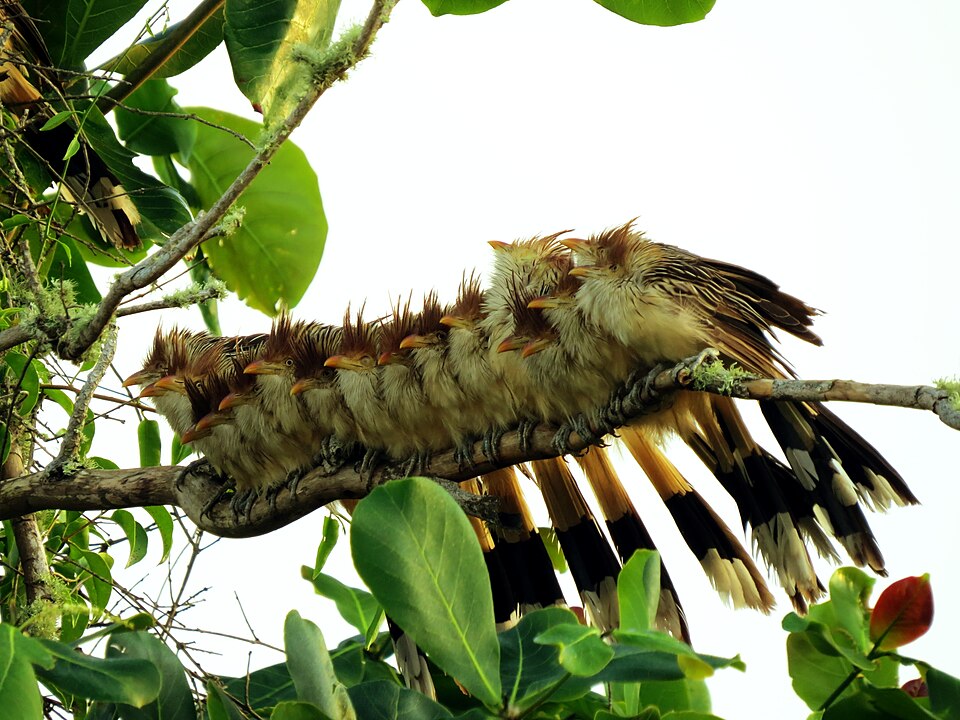
アマゾンカッコウ (Guira guira) アマゾンカッコウ
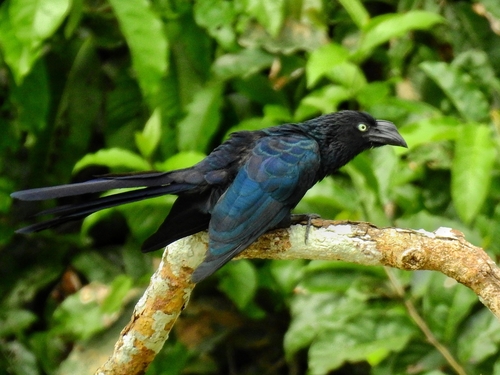
オニオオハシカッコウ (Crotophaga major) オニオオハシカッコウ

メディア

読み込み中…

要点

オニオオハシカッコウとアマゾンカッコウを区別する最も信頼できる方法は、全体の色合いとくちばしの形です:アマゾンカッコウは下側が淡い色で、縞模様の茶色の背中、オレンジ色の冠、黄色からオレンジ色のくちばしを持ち、オニオオハシカッコウは全体が光沢のある青黒色で、巨大で溝のある黒いくちばしと白(成鳥)または茶色(幼鳥)の虹彩を持っています。両者ともに長い尾を持つ社交的なカッコウで、しばしば群れで見られますが、アマゾンカッコウの淡く縞模様の外観とオレンジ色の顔の特徴は、オニオオハシカッコウの均一な暗い光沢に対して際立っています。両種の幼鳥は成鳥に似ているため、年齢はここで強い区別要因ではありません。飛んでいる時や止まっている時は、迅速な識別のためにくちばし、虹彩、体の色に注目してください。

識別のコツ

  1. Bill shape and color: アマゾンカッコウは細長い黄色からオレンジ色のくちばしを持ち、オニオオハシカッコウは巨大で溝のある黒いくちばしを持っています。これは特に近距離での最も迅速な区別要因です。
  2. Overall coloration: アマゾンカッコウは下側が淡く、白っぽいバフの腹部と縞模様の茶色の背中を持ち、オニオオハシカッコウは全体が光沢のある青黒色で、淡い部分はありません。
  3. Crest: アマゾンカッコウは目立つオレンジ色の冠を持ち、遠くからでも見えますが、オニオオハシカッコウには冠がなく、滑らかな頭のプロファイルを持っています。
  4. Eye color: 成鳥のアマゾンカッコウは黄色からオレンジ色の虹彩と薄い黄色の目の輪を持ち、成鳥のオニオオハシカッコウは目を引く白い虹彩を持っています(幼鳥は茶色)。これはよく見れば微妙ですが信頼できる特徴です。
  5. Tail pattern: アマゾンカッコウの尾は濃い茶色で、明確な白い先端を持ち、オニオオハシカッコウの尾は均一に暗く、白い先端がありません。
  6. Facial color: アマゾンカッコウの顔は淡く、オレンジ色から黄色のトーンを持ち、オニオオハシカッコウの顔は暗く光沢があり、体の残りと一致しています。
  7. Plumage in juveniles: 両種の幼鳥は成鳥に似ているため、年齢に関連する混乱は最小限です。代わりに構造と色の違いに注目してください。
  8. Flight and posture: 両種は弱い飛行能力を持ち、しばしば止まり木の間を滑空したり跳ねたりします。アマゾンカッコウは止まっている時に少し直立して見えることがあり、冠を見せることがあります。
  9. Group behavior: 両者は社交的ですが、アマゾンカッコウは非常に大きく、騒がしい群れで見られる可能性が高く、時には他の開けた国の鳥と一緒に見られます。
  10. Habitat: アマゾンカッコウは開けた、半開けた、または都市の生息地を好み、オニオオハシカッコウは湿った、森林のある、または河川の近くの地域により結びついています。
  11. Vocalizations: アマゾンカッコウの長く、鋭く、悲鳴のような鳴き声と、オニオオハシカッコウの喉のような鳴き声やゴロゴロ音を聞き分けてください。
  12. Odor: アマゾンカッコウは強く、刺激的な匂いがあることで知られていますが、これは現場ではあまり役に立ちません。
  13. Size: オニオオハシカッコウはわずかに大きく、重いですが、両者が一緒に見られない限り、これはあまり診断的ではありません。
  14. Perched silhouette: アマゾンカッコウの冠と淡い顔が際立ち、オニオオハシカッコウはよりスリムで均一に暗く見えます。
  15. Pitfalls: 光が悪い場合や距離がある場合、アマゾンカッコウはより暗く見えることがあり、オニオオハシカッコウの光沢が見逃されることがあります—可能であれば、くちばしの形と顔の色を常に確認してください。

大きさ

両種は大きく、長い尾を持つカッコウですが、オニオオハシカッコウはわずかに重く(148.5 g 対 134.0 g)および長い(約 46 cm 対 34 cm)です。現場では、この違いは微妙で、特に距離がある場合や混合した群れの中では常に信頼できるわけではありません。両者は細長く見えることがありますが、オニオオハシカッコウは全体的に少しずんぐりして見えるかもしれません。

羽色

アマゾンカッコウはすべての年齢で、白で縞模様のある濃い茶色の上面、白っぽいバフの喉、胸部、腹部、そして尾を持ち、目立つオレンジ色の冠があります。尾は濃い茶色で、白い先端があります。くちばしと目の輪は黄色からオレンジ色で、目自体も黄色からオレンジ色です。幼鳥は成鳥に非常によく似ているため、年齢に関連する羽毛の違いは最小限です。対照的に、オニオオハシカッコウは全体が光沢のある青黒色で、淡いまたは縞模様の部分はなく、巨大で溝のある黒いくちばしを持っています。成鳥は目を引く白い虹彩を持ち、幼鳥は茶色の虹彩を持っています。尾も長くて暗いですが、アマゾンカッコウの白い先端はありません。両種に特定の年齢に関連する上翼や飛行パターンの特徴は記載されていません;両者は飛行中に似て見え、全体の色と構造に依存して区別されます。

行動

両種は非常に社交的で、しばしば群れで見られます。アマゾンカッコウは騒がしい群れで見られることが多く、時には18羽までの鳥が見られ、しばしば止まり木の間を滑空したり跳ねたりし、大きな声で鳴きます。木の中や地面で餌を探します。オニオオハシカッコウも群れを作り、小さなグループで見られることが多く、共同巣作りで知られています。両者ともに強い飛行能力はなく、短い飛行や滑空を好みます。アマゾンカッコウは開けた地域や都市公園で見られる可能性が高く、オニオオハシカッコウはより密集した湿った生息地に留まる傾向があります。

生息環境

アマゾンカッコウは開けたおよび半開けた生息地に広く分布しており、サバンナ、牧草地、さらには都市の庭や公園を含み、特に南アメリカの東部および南東部で見られます。その範囲は森林伐採に伴って拡大しています。オニオオハシカッコウは熱帯南アメリカで見られ、しばしば水の近く、例えば川の縁、湿地、ギャラリー森林の近くに生息しています。乾燥した開けた野原や都市公園で大きな社交的なカッコウを見た場合、アマゾンカッコウの可能性が高く、密集した湿ったまたは河川の近くの地域ではオニオオハシカッコウが好まれます。

声

アマゾンカッコウの鳴き声は長く、鋭く、悲鳴のようで—笛と悲鳴の中間のようで—非常に特徴的です。オニオオハシカッコウはゴロゴロ音や七面鳥のようなゴボゴボ音("kro-koro")を出します。もし鋭く引き延ばされた笛のような音を聞いたら、アマゾンカッコウを疑ってください;もし鳴き声がより喉の奥からの音やゴボゴボ音であれば、オニオオハシカッコウを考えてください。

より良い説明を送る

比較と同じ項目を使ってください。文章はすぐに公開されます。

The most reliable way to separate Guira Cuckoo from Greater Ani is by overall coloration and bill shape: Guira Cuckoo is pale below with a streaked brown back, orange crest, and yellow-orange bill, while Greater Ani is glossy blue-black all over with a massive, ridged black bill and white (adult) or brown (immature) iris. Both are long-tailed, social cuckoos often seen in groups, but Guira Cuckoo's pale, streaky appearance and orange facial features stand out against the Greater Ani's uniform dark gloss. Juveniles of both species are similar to adults, so age is not a strong separator here. In flight or perched, focus on the bill, iris, and body color for quick ID.

  1. Bill shape and color: Guira Cuckoo has a slender, yellow to orange bill; Greater Ani has a massive, ridged black bill. This is often the quickest separator, especially at close range.
  2. Overall coloration: Guira Cuckoo is pale below with white-buff underparts and a streaked brown back; Greater Ani is glossy blue-black all over, with no pale areas.
  3. Crest: Guira Cuckoo shows a prominent orange-rufous crest, visible even at a distance; Greater Ani lacks any crest and has a smooth head profile.
  4. Eye color: Adult Guira Cuckoo has a yellow to orange iris and a thin yellow eye-ring; adult Greater Ani has a striking white iris (immatures brown). This is a subtle but reliable mark if seen well.
  5. Tail pattern: Guira Cuckoo's tail is dark brown with a distinct white tip; Greater Ani's tail is uniformly dark and lacks a white tip.
  6. Facial color: Guira Cuckoo's face is pale with orange-yellow tones; Greater Ani's face is dark and glossy, matching the rest of the body.
  7. Plumage in juveniles: Both species' juveniles resemble adults, so age-related confusion is minimal. Focus on structural and color differences instead.
  8. Flight and posture: Both species are weak fliers and often glide or hop between perches. Guira Cuckoo may look slightly more upright and show its crest when perched.
  9. Group behavior: Both are social, but Guira Cuckoo is more likely to be seen in very large, noisy flocks, sometimes with other open-country birds.
  10. Habitat: Guira Cuckoo prefers open, semi-open, or even urban habitats; Greater Ani is more tied to wet, forested, or riparian areas.
  11. Vocalizations: Listen for Guira Cuckoo's long, shrill, wailing call versus Greater Ani's croaking or gobbling notes.
  12. Odor: Guira Cuckoo is noted for a strong, pungent smell, though this is rarely useful in the field.
  13. Size: Greater Ani is slightly larger and heavier, but this is rarely diagnostic unless both are seen together.
  14. Perched silhouette: Guira Cuckoo's crest and pale face stand out; Greater Ani appears sleeker and uniformly dark.
  15. Pitfalls: In poor light or at a distance, Guira Cuckoo can appear darker, and Greater Ani's gloss can be missed—always check bill shape and face color if possible.

Both species are large, long-tailed cuckoos, but Greater Ani is slightly heavier (148.5 g vs. 134.0 g) and longer (about 46 cm vs. 34 cm). In the field, this difference is subtle and not always reliable for separation, especially at a distance or in mixed flocks. Both can appear lanky and elongated, but Greater Ani may look a bit bulkier overall.

Guira Cuckoo of all ages shows a combination of dark brown upperparts streaked with white, a whitish-buff throat, breast, underparts, and rump, and a prominent orange-rufous crest. The tail is dark brown with a white tip. The bill and eye-ring are yellow to orange, and the eye itself is yellow to orange. Juveniles look much like adults, so age-related plumage differences are minimal. In contrast, Greater Ani is glossy blue-black all over, with no pale or streaked areas, and has a massive, ridged black bill. Adults have a striking white iris, while immatures have a brown iris. The tail is also long and dark, but lacks the white tip of Guira Cuckoo. There are no age-specific upperwing or flight pattern marks described for either species; both look similar in flight, relying on overall color and structure for separation.

Both species are highly social and often seen in groups. Guira Cuckoo is frequently found in noisy flocks, sometimes up to 18 birds, and is often seen gliding or hopping between perches, vocalizing loudly. It forages both in trees and on the ground. Greater Ani is also gregarious, typically in small groups, and is known for its communal nesting. Both are not strong fliers and prefer short flights or gliding. Guira Cuckoo is more likely to be seen in open areas or even suburban parks, while Greater Ani tends to stick to denser, wetter habitats.

Guira Cuckoo is widespread in open and semi-open habitats, including savannas, pastures, and even suburban gardens and parks, especially in eastern and southeastern South America. Its range has expanded with deforestation. Greater Ani is found in tropical South America, often near water, such as river edges, wetlands, and gallery forests. If you see a large, social cuckoo in a dry, open field or urban park, Guira Cuckoo is more likely; in dense, wet, or riparian areas, Greater Ani is favored.

Guira Cuckoo's call is long, shrill, and wailing—somewhere between a whistle and a wail—and is quite distinctive. Greater Ani produces croaking and turkey-like gobbling calls ("kro-koro"). If you hear a piercing, drawn-out whistle, suspect Guira Cuckoo; if the call is more guttural or gobbling, think Greater Ani.

変更を破棄しますか?

保存していない編集があります。今離れると失われます。

アマゾンカッコウ · オニオオハシカッコウ · 苦手な鳥