

Guira Cuckoo vs Greater Ani
Guira guira contro Crotophaga major
Fai un quiz con Guira Cuckoo e Greater Ani
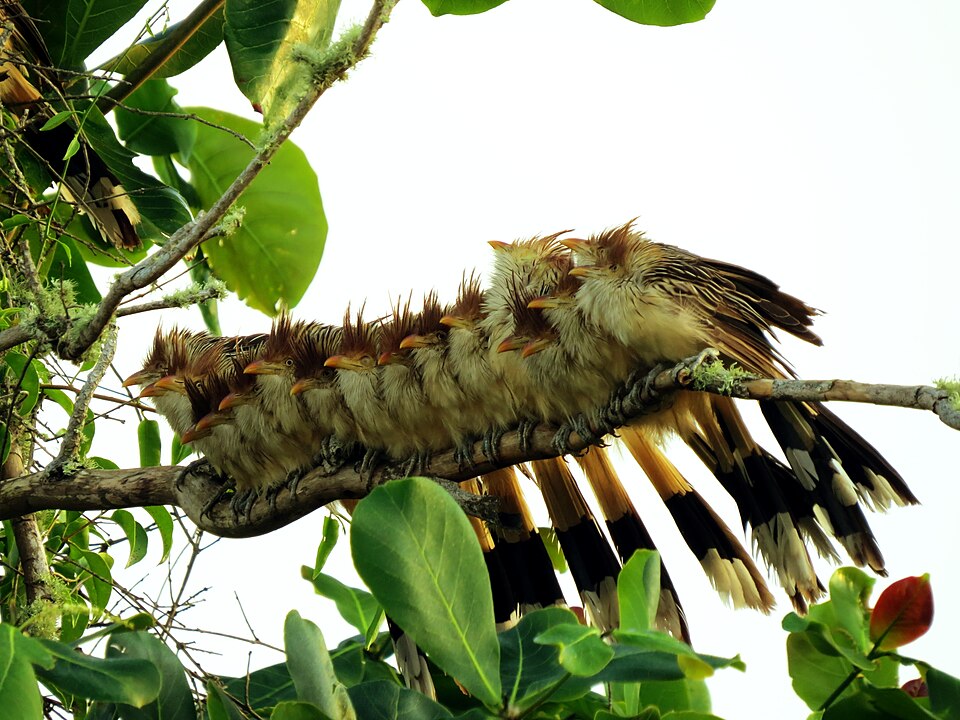 Guira Cuckoo
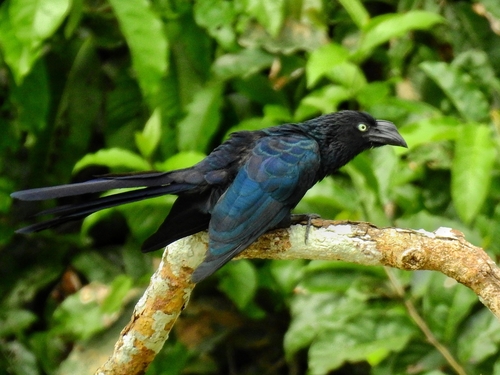 Greater Ani
In breve
Il modo più affidabile per separare Guira Cuckoo da Greater Ani è attraverso la colorazione generale e la forma del becco: Guira Cuckoo è chiaro sotto con un dorso marrone striato, cresta arancione e becco giallo-arancione, mentre Greater Ani è blu-nero lucido in tutto con un becco nero massiccio e rigato e un'iride bianca (adulti) o marrone (immaturi). Entrambi sono cuculi dalla lunga coda, sociali e spesso visti in gruppi, ma l'aspetto chiaro e striato di Guira Cuckoo e le sue caratteristiche facciali arancioni si distinguono rispetto al lucido scuro uniforme di Greater Ani. I giovani di entrambe le specie sono simili agli adulti, quindi l'età non è un forte separatore qui. In volo o posati, concentrati sul becco, sull'iride e sul colore del corpo per un'identificazione rapida.
Consigli di identificazione
- Forma e colore del becco: Guira Cuckoo ha un becco sottile, giallo-arancione; Greater Ani ha un becco nero massiccio e rigato. Questo è spesso il separatore più rapido, specialmente a distanza ravvicinata.
- Colorazione generale: Guira Cuckoo è chiaro sotto con parti inferiori bianco-buff e un dorso marrone striato; Greater Ani è blu-nero lucido in tutto, senza aree chiare.
- Cresta: Guira Cuckoo mostra una cresta arancione-ruggine prominente, visibile anche da lontano; Greater Ani non ha alcuna cresta e ha un profilo della testa liscio.
- Colore degli occhi: L'adulto Guira Cuckoo ha un'iride giallo-arancione e un sottile anello oculare giallo; l'adulto Greater Ani ha un'iride bianca sorprendente (immaturi marroni). Questo è un segno sottile ma affidabile se visto bene.
- Schema della coda: La coda di Guira Cuckoo è marrone scuro con una punta bianca distintiva; la coda di Greater Ani è uniformemente scura e priva di punta bianca.
- Colore facciale: Il viso di Guira Cuckoo è chiaro con toni giallo-arancioni; il viso di Greater Ani è scuro e lucido, in sintonia con il resto del corpo.
- Piumaggio nei giovani: I giovani di entrambe le specie assomigliano agli adulti, quindi la confusione legata all'età è minima. Concentrati invece sulle differenze strutturali e di colore.
- Volo e postura: Entrambe le specie sono deboli volatori e spesso planano o saltano tra i posatoi. Guira Cuckoo può apparire leggermente più eretto e mostrare la sua cresta quando è posato.
- Comportamento di gruppo: Entrambi sono sociali, ma Guira Cuckoo è più probabile che venga visto in grandi e rumorosi stormi, a volte con altri uccelli di campagna aperta.
- Habitat: Guira Cuckoo preferisce habitat aperti, semi-aperti o anche urbani; Greater Ani è più legato ad aree umide, boschive o riparie.
- Vocalizzazioni: Ascolta il lungo, acuto e lamentoso richiamo di Guira Cuckoo rispetto ai suoni croccanti o gobbling di Greater Ani.
- Odore: Guira Cuckoo è noto per un forte, pungente odore, anche se questo è raramente utile sul campo.
- Dimensione: Greater Ani è leggermente più grande e pesante, ma questo è raramente diagnostico a meno che entrambi non siano visti insieme.
- Silhouette posata: La cresta e il viso chiaro di Guira Cuckoo si distinguono; Greater Ani appare più snello e uniformemente scuro.
- Trappole: In scarsa luce o a distanza, Guira Cuckoo può apparire più scuro, e il lucido di Greater Ani può essere perso—controlla sempre la forma del becco e il colore del viso se possibile.
Taglia
Entrambe le specie sono cuculi grandi e dalla lunga coda, ma Greater Ani è leggermente più pesante (148,5 g contro 134,0 g) e più lungo (circa 46 cm contro 34 cm). Sul campo, questa differenza è sottile e non sempre affidabile per la separazione, specialmente a distanza o in stormi misti. Entrambi possono apparire slanciati ed allungati, ma Greater Ani può sembrare un po' più robusto nel complesso.
Piumaggio
Guira Cuckoo di tutte le età mostra una combinazione di parti superiori marrone scuro striate di bianco, una gola, un petto, parti inferiori e un'area del coda bianco-buff, e una prominente cresta arancione-ruggine. La coda è marrone scuro con una punta bianca. Il becco e l'anello oculare sono giallo-arancione, e l'occhio stesso è giallo-arancione. I giovani assomigliano molto agli adulti, quindi le differenze di piumaggio legate all'età sono minime. Al contrario, Greater Ani è blu-nero lucido in tutto, senza aree chiare o striate, e ha un becco nero massiccio e rigato. Gli adulti hanno un'iride bianca sorprendente, mentre gli immaturi hanno un'iride marrone. Anche la coda è lunga e scura, ma priva della punta bianca di Guira Cuckoo. Non ci sono segni specifici per l'ala superiore o il modello di volo descritti per entrambe le specie; entrambe appaiono simili in volo, facendo affidamento sul colore e sulla struttura generale per la separazione.
Comportamento
Entrambe le specie sono altamente sociali e spesso viste in gruppi. Guira Cuckoo si trova frequentemente in stormi rumorosi, a volte fino a 18 uccelli, ed è spesso visto planare o saltare tra i posatoi, vocalizzando ad alta voce. Si nutre sia sugli alberi che a terra. Anche Greater Ani è gregario, tipicamente in piccoli gruppi, ed è noto per il suo nido comunitario. Entrambi non sono forti volatori e preferiscono voli brevi o planate. Guira Cuckoo è più probabile che venga visto in aree aperte o anche in parchi suburbani, mentre Greater Ani tende a rimanere in habitat più densi e umidi.
Habitat
Guira Cuckoo è diffuso in habitat aperti e semi-aperti, comprese savane, pascoli e persino giardini e parchi suburbani, specialmente nell'est e nel sud-est del Sud America. Il suo raggio è aumentato con la deforestazione. Greater Ani si trova nel Sud America tropicale, spesso vicino all'acqua, come bordi di fiumi, zone umide e foreste a galleria. Se vedi un grande cuculo sociale in un campo asciutto e aperto o in un parco urbano, è più probabile che sia Guira Cuckoo; in aree dense, umide o riparie, è preferito Greater Ani.
Voce
Il richiamo di Guira Cuckoo è lungo, acuto e lamentoso—da qualche parte tra un fischio e un lamento—ed è piuttosto distintivo. Greater Ani produce richiami croccanti e gobbling simili a quelli del tacchino ("kro-koro"). Se senti un fischio acuto e prolungato, sospetta Guira Cuckoo; se il richiamo è più gutturale o gobbling, pensa a Greater Ani.