

Motmot

ハイイロガン 対 オオヒシクイ

Anser anser 対 Anser fabalis

ハイイロガンとオオヒシクイのクイズ
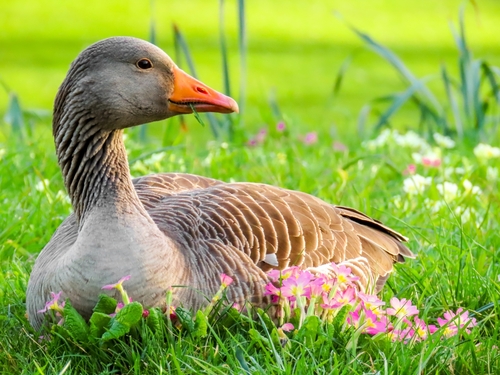
ハイイロガン (Anser anser) ハイイロガン
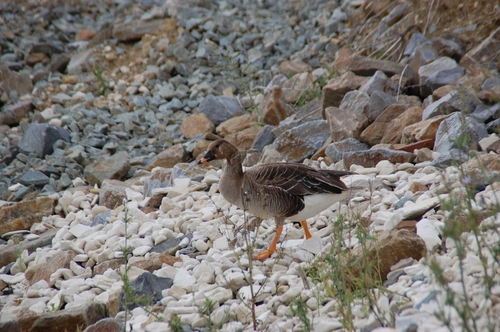
オオヒシクイ (Anser fabalis) オオヒシクイ

メディア

読み込み中…

要点

ハイイロガンとオオヒシクイの最も信頼できるフィールドマークは、くちばしと脚の色です:ハイイロガンは明るいオレンジ色のくちばしとピンクの脚を示し、オオヒシクイはオレンジの帯がある黒い基部のくちばしと明るいオレンジ色の脚を持っています。飛んでいる時や休んでいる時、ハイイロガンの淡い前翼と尾は目立ち、オオヒシクイの一般的に暗い上翼と対照的です。幼鳥のハイイロガンは成鳥の黒い腹部の斑点が欠けていますが、淡い翼の覆い羽は示しています。一方、オオヒシクイは常に狭い白い縁取りのある暗褐色の上翼覆い羽を持っています。どちらも大きくてずんぐりしたガンですが、ハイイロガンは全体的にやや重く、淡いです。特に混合群れや光が悪い時には、くちばしの模様、脚の色、翼の色調に注意を払うことが重要です。

識別のコツ

  1. Bill color and pattern: ハイイロガンは黒がない単純なオレンジ色のくちばしを持ち、オオヒシクイは黒い基部と先端にオレンジの帯があります。これはすべての年齢と季節で近距離での診断に役立ちます。
  2. Leg color: ハイイロガンはピンクの脚を持ち、オオヒシクイは明るいオレンジ色の脚と足を持っています。鳥が立っている時や歩いている時に便利です。
  3. Upperwing in flight (all ages): ハイイロガンは淡い灰色の前翼と尾を示し、明るい色の翼の覆い羽が暗い飛翔羽と対照的です。オオヒシクイは狭い白い縁取りのある暗褐色の上翼覆い羽を持ち、より均一で暗い翼の外観を与えます。
  4. Juvenile belly and breast: 幼鳥のハイイロガンは成鳥に見られる胸と腹の黒い斑点が欠けていますが、淡い翼と尾は示しています。幼鳥のオオヒシクイは常に下側が暗く、ハイイロガンの淡い腹部が欠けています。
  5. Neck pattern: 成鳥のハイイロガンは、特に警戒している時に首の羽毛に特徴的な「コンサーティーナ」または折りたたまれた外観を示します。オオヒシクイの首は滑らかでより均一です。
  6. Overall plumage tone: ハイイロガンは淡く、まだらな灰色と白で、胸と腹はより淡いです。オオヒシクイは全体的に暗い褐色で、体と翼の間のコントラストが少ないです。
  7. White flank line: ハイイロガンはしばしば上側の腹部を囲む白い線を示し、特に泳いでいる時や休んでいる時に見られます。これはオオヒシクイには欠けているか、はるかに目立たないです。
  8. Size and structure: ハイイロガンはずんぐりして重く、首が太く、頭が大きいです。オオヒシクイはややスリムで長い首を持っていますが、サイズは重複のため常に信頼できるわけではありません。
  9. Habitat context: 西ヨーロッパでは、ハイイロガンは公園、農地、都市の湖で見られる可能性が高いです。オオヒシクイは稀な冬の訪問者で、通常はより荒れた、あまり干渉されない湿地や野原にいます。
  10. Flock composition: ハイイロガンはしばしば家禽のガンと関連し、非常に人懐っこいことがあります。オオヒシクイはよりシャイで、混合家禽群れで見られる可能性は低いです。
  11. Vocalization: ハイイロガンの鳴き声は深く、鼻にかかったカッカッという音で、オオヒシクイはより鋭いホンクを出します。鳴き声は重複し、変動があるため注意が必要です。
  12. Breast and belly spots: 成鳥のハイイロガンは胸と腹に黒い斑点を示すことが多いですが、オオヒシクイはこの特徴が欠けています。
  13. Wing coverts (perched or preening): ハイイロガンの翼の覆い羽は明るく銀色で、翼の残りと対照的です。オオヒシクイの覆い羽は暗褐色で、狭い淡い縁取りのみです。
  14. Bill structure: 両者ともかなり長いくちばしを持っていますが、ハイイロガンのくちばしはより太く、三角形のプロファイルで、オオヒシクイのくちばしはやや長く、より細くなっていますが、これは微妙です。
  15. When in doubt: まずくちばしと脚の色に焦点を当て、その後、ハイイロガンの飛行中の淡い前翼と尾、またはオオヒシクイの全体的に暗く、より均一な翼を探してください。

大きさ

ハイイロガンは二つの中で重い方で、平均約3465gに対し、オオヒシクイは3020gです。どちらも大きなガンですが、ハイイロガンは通常ややずんぐりして長い(74–91 cm対オオヒシクイの68–90 cm)ですが、重複があります。フィールドでは、ハイイロガンはより頑丈で太い首に見えることが多く、オオヒシクイは特に警戒している時にややスリムで長い首に見えることがあります。しかし、サイズだけでは重複や性別、亜種による変動のため信頼できません。

羽色

行動

両種は社交的で、しばしば群れで見られ、時には他のアンスガンと混ざっています。ハイイロガンはより近づきやすく、公園や農地で見られることが多く、時には家禽のガンと関連しています。オオヒシクイはよりシャイで、特に移動中や冬に荒れた、あまり干渉されない生息地で見られる可能性が高いです。両者とも草や作物を食べますが、ハイイロガンは都市や半都市の環境で見られる可能性が高いです。

生息環境

ハイイロガンはユーラシア全体に広く分布し、湖、湿地、さらには都市公園を含むさまざまな湿地生息地で繁殖します。低地の農地、貯水池、人間が改変した風景で遭遇する可能性が高いです。オオヒシクイは北ヨーロッパとアジアで繁殖し、タイガと湿地のモザイクを好み、より南のより遠隔地の湿地や農地で冬を越します。西ヨーロッパでは、ハイイロガンはほとんどの低地生息地で非常に一般的であるのに対し、オオヒシクイは稀な冬の訪問者で、通常はあまり干渉されない地域にいます。

声

ハイイロガンは大きく、カッカッという鳴き声を持ち、しばしば「アーンング-ウンング」と表現され、家禽のガンに似ており、群れは犬のように鳴くことがあります。オオヒシクイは大きなホンクを出しますが、声によるフィールドでの識別は、両者に非常に慣れていない限り難しいです。ハイイロガンの鳴き声は一般的により深く、鼻にかかった音で、オオヒシクイのホンクは鋭いですが、重複や個体差があるため、これは補助的なフィールドマークであり、主要なものではありません。

より良い説明を送る

比較と同じ項目を使ってください。文章はすぐに公開されます。

The most reliable field mark between Greylag Goose and Taiga Bean Goose is the bill and leg color: Greylag shows a bright orange bill and pink legs, while Taiga Bean Goose has a black-based bill with an orange band and bright orange legs. In flight or at rest, Greylag's pale forewing and rump stand out, contrasting with Taiga Bean's generally darker upperwing. Juvenile Greylags lack the black belly spotting of adults but still show pale wing coverts, while Taiga Bean Goose always has dark brown upperwing-coverts with narrow white fringes. Both are large, bulky geese, but Greylag is slightly heavier and paler overall. Careful attention to bill pattern, leg color, and wing tone is key, especially in mixed flocks or poor light.

  1. Bill color and pattern: Greylag Goose has a plain orange bill with no black; Taiga Bean Goose shows a black base and tip with an orange band across the middle. This is diagnostic at close range for all ages and seasons.
  2. Leg color: Greylag has pink legs, while Taiga Bean Goose has bright orange legs and feet. Useful when birds are standing or walking.
  3. Upperwing in flight (all ages): Greylag shows a pale grey forewing and rump, with light-colored wing coverts contrasting against darker flight feathers. Taiga Bean Goose has dark brown upperwing-coverts with only narrow white fringes, giving a more uniform and dusky wing appearance.
  4. Juvenile belly and breast: Juvenile Greylags lack the black spotting on the breast and belly seen in adults, but still show the pale wing and rump. Juvenile Taiga Bean Geese are always darker below, lacking the pale underparts of Greylag.
  5. Neck pattern: Adult Greylag shows a distinctive 'concertina' or folded look to the neck feathers, especially when alert. Taiga Bean's neck is smoother and more uniform.
  6. Overall plumage tone: Greylag is paler, with mottled grey and white, and a paler breast and belly. Taiga Bean Goose is darker brown overall, with less contrast between body and wing.
  7. White flank line: Greylag often shows a white line bordering the upper flanks, especially when swimming or at rest. This is absent or much less obvious in Taiga Bean Goose.
  8. Size and structure: Greylag is bulkier and heavier, with a thicker neck and larger head. Taiga Bean Goose is slightly slimmer and longer-necked, but size is not always reliable due to overlap.
  9. Habitat context: In Western Europe, Greylag is much more likely in parks, farmland, and urban lakes. Taiga Bean Goose is a scarce winter visitor, usually in wilder, less disturbed wetlands or fields.
  10. Flock composition: Greylag often associates with domestic geese and can be very tame. Taiga Bean Goose is shyer and less likely to be found in mixed domestic flocks.
  11. Vocalization: Greylag's call is a deep, nasal cackle, while Taiga Bean Goose gives a sharper honk. Use with caution, as calls overlap and are variable.
  12. Breast and belly spots: Adult Greylag often shows black spotting on the breast and belly; Taiga Bean Goose lacks this feature.
  13. Wing coverts (perched or preening): Greylag's wing coverts are light and silvery, contrasting with the rest of the wing. Taiga Bean's are dark brown with only narrow pale fringes.
  14. Bill structure: Both have fairly long bills, but Greylag's is stouter and more triangular in profile, while Taiga Bean's is slightly longer and more tapered, though this is subtle.
  15. When in doubt: Focus on bill and leg color first, then look for the pale forewing and rump in flight for Greylag, or the overall darker, more uniform wing of Taiga Bean Goose.

Greylag Goose is the heavier of the two, averaging about 3465 g versus Taiga Bean Goose's 3020 g. Both are large geese, but Greylag is typically a bit bulkier and longer (74–91 cm vs. Taiga Bean's 68–90 cm), though there is overlap. In the field, Greylag often looks more robust and thick-necked, while Taiga Bean can appear slightly slimmer and longer-necked, especially when alert. However, size alone is unreliable due to overlap and variation by sex and subspecies.

  • Juvenile/immature birds: Juvenile Greylags lack the black belly spots of adults but still show a pale grey forewing and rump, and their wing coverts are light with contrasting darker flight feathers. Juvenile Taiga Bean Geese have dark brown upperwing-coverts with narrow white fringes, lacking the pale, silvery look of Greylag's upperwing. This upperwing contrast is often visible in flight or when stretching wings on the ground.

  • Adults: Greylag adults have a generally paler, mottled and barred grey and white plumage, with a pale forewing and rump, and a white line bordering the upper flanks. Their neck shows a 'concertina' pattern of feather folds. Taiga Bean Goose adults are overall darker brown, with dark brown upperwing-coverts and only narrow white fringes, giving a more uniform and dusky wing appearance. Both species have some pale feather fringes, but Greylag's are broader and more obvious.

  • Bill and legs: Greylag's bill is orange and unmarked, legs are pink. Taiga Bean's bill is black at base and tip with an orange band, legs and feet are bright orange. This is often the quickest way to separate them at close range.

Both species are social and often seen in flocks, sometimes mixed with other Anser geese. Greylag tends to be more approachable and is often found in parks and farmland, sometimes associating with domestic geese. Taiga Bean Goose is shyer and more likely to be found in wilder, less disturbed habitats, especially during migration and winter. Both graze on grasses and crops, but Greylag is more likely to be seen in urban or semi-urban settings.

Greylag Goose is widespread across the Palearctic, breeding in a variety of wetland habitats including lakes, marshes, and even urban parks. It is more likely to be encountered in lowland farmland, reservoirs, and human-altered landscapes. Taiga Bean Goose breeds in northern Europe and Asia, preferring taiga and wetland mosaics, and winters further south in more remote wetlands and agricultural fields. In Western Europe, Greylag is much more common and likely in most lowland habitats, while Taiga Bean Goose is a scarcer winter visitor, usually in less disturbed areas.

Greylag Goose has a loud, cackling call, often described as "aahng-ung-ung," similar to domestic geese, and flocks can sound like baying hounds. Taiga Bean Goose gives a loud honking, but field separation by voice is difficult unless very familiar with both. Greylag's calls are generally deeper and more nasal, while Bean Goose's honks are sharper, but overlap and individual variation make this a supporting, not primary, field mark.

変更を破棄しますか?

保存していない編集があります。今離れると失われます。

ハイイロガン · オオヒシクイ · 苦手な鳥