

Motmot

ハイイロガン 対 コザクラバシガン

Anser anser 対 Anser brachyrhynchus

ハイイロガンとコザクラバシガンのクイズ
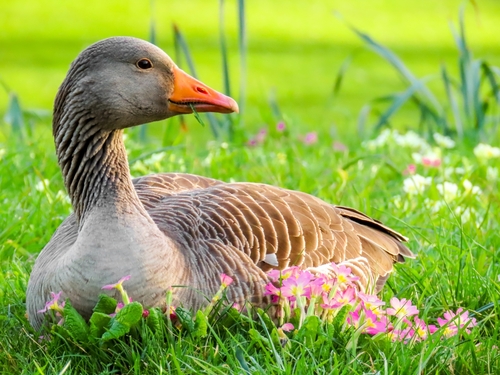
ハイイロガン (Anser anser) ハイイロガン
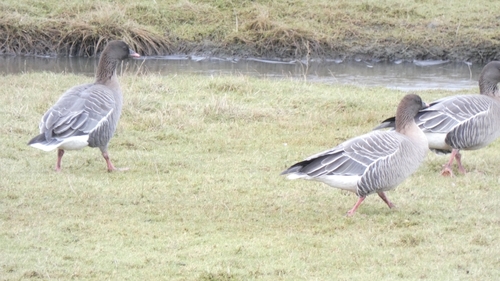
コザクラバシガン (Anser brachyrhynchus) コザクラバシガン

メディア

読み込み中…

要点

ハイイロガンとコザクラバシガンの最も信頼できるフィールドマークは、くちばしと足の色です:ハイイロガンは大きく深いオレンジ色のくちばしとピンクの足を持ち、コザクラバシガンは特徴的なピンクのバンドとピンクの足を持つ短いくちばしを示します。飛行中または静止中、ハイイロガンは明らかにずっしりとしていて色が薄く、薄い前羽と尾を持ち、コザクラバシガンは小さく、暗く、よりコンパクトで、より豊かな茶色の頭と首を持っています。幼鳥のハイイロガンは成鳥の黒い腹部の斑点がなく、足は灰色がかっていますが、比較的がっしりとした構造と薄い翼の覆い羽を示します。コザクラバシガンは、幼鳥であっても、より暗く、より均一な羽毛と特徴的なピンクの足を維持します。これらの違いは年間を通じて、すべての羽毛で見ることができ、フィールドでの識別に信頼性があります。

識別のコツ

  1. Bill color and shape: ハイイロガンは大きく深いオレンジ色のくちばしを持ち、基部が広く鈍い先端です。コザクラバシガンは中央に特徴的なピンクのバンドがあり、基部と先端が黒い短いくちばしを持っています。これは近距離から中距離で見ることができ、すべての年齢と季節で信頼できます。
  2. Leg and foot color: 両種はピンクの足を持っていますが、コザクラバシガンの足はより明るいバブルガムピンクで、小さく暗い鳥の上で目立ちます。ハイイロガンの足はピンクですが、鳥全体がはるかに大きく薄いです。
  3. Overall size and structure: ハイイロガンははるかに大きく、ずっしりとしていて、首が長いです。コザクラバシガンは明らかに小さく、よりコンパクトで、首が短く、より繊細な構造を持っています。これは両種が一緒にいるときに特に明確ですが、孤立した鳥で経験を積むことで判断できます。
  4. Plumage tone: ハイイロガンは薄く、灰色がかった茶色の体、薄い胸と腹(成鳥には黒い斑点がある)、薄い灰色の前羽と尾を持っています。コザクラバシガンはより暗く、中灰色がかった茶色の体、より豊かな茶色の頭と首、白い尾と肛門を持っています。
  5. Wing pattern in flight: ハイイロガンは薄い灰色の前羽と尾を示し、暗い飛翔羽と強いコントラストを作ります。コザクラバシガンの上翼の覆い羽は薄い青灰色ですが、コントラストが少なく、全体的に翼はより暗く均一に見えます。
  6. Tail pattern: コザクラバシガンは広い白い先端を持つ灰色の尾を持ち、飛行中または羽繕い中に見ることができます。ハイイロガンの尾はあまり明確にマークされておらず、尾とより混ざり合っています。
  7. Neck pattern: 成鳥のハイイロガンは首に羽の折りたたみの「コンサーティーナ」パターンを示しますが、コザクラバシガンにはありません。これは微妙ですが、近距離で見ることができます。
  8. Belly spotting: 成鳥のハイイロガンは胸と腹に変動する黒い斑点がありますが、幼鳥にはありません。コザクラバシガンはどの年齢でもこの斑点を示しません。
  9. Juvenile differences: 幼鳥のハイイロガンは薄く、黒い腹の斑点がなく、足は灰色がかっていますが、依然として大きなサイズと薄い翼のパターンを示します。幼鳥のコザクラバシガンはより暗く、成鳥と同じくちばしと足の色を持っています。
  10. Head and neck color: コザクラバシガンはより豊かで暗い茶色の頭と首を持ち、薄い体とコントラストを成しています。ハイイロガンの頭は体よりわずかに暗いだけです。
  11. Voice: ハイイロガンの深いカッカッという鳴き声と、コザクラバシガンの高音で鋭いホーンを聞き分けてください。特に飛行中や大きな群れの中で。
  12. Flock structure: コザクラバシガンは冬に非常に大きく、密集した群れを形成することが多く、特にイギリスと北西ヨーロッパで見られます。ハイイロガンの群れはしばしば緩く、鳥はずっしりとした印象を与えます。
  13. Habitat context: イギリスと北西ヨーロッパでは、コザクラバシガンは厳密に渡り鳥であり、冬に大量に現れます。ハイイロガンは特に南部や低地の地域で年間を通じて存在することがあります。
  14. Pitfalls: 変動するくちばしと足の色を示す可能性がある家禽またはハイブリッドのハイイロガンに注意してください。常にくちばしのサイズ、足の色、全体の構造の組み合わせを確認してください。
  15. Seasonal context: 両種は冬の越冬地で一緒に見ることができますが、コザクラバシガンはアイスランドとグリーンランド以外のほとんどのヨーロッパで繁殖者としては存在せず、ハイイロガンはヨーロッパ全体で広く繁殖します。

大きさ

ハイイロガンはコザクラバシガンの約3465 gに対して平均約2505 gで、明らかに大きく重いです。ハイイロガンの長さは74–91 cmで、コザクラバシガンは60–75 cmです。フィールドでは、ハイイロガンはずっしりとして見え、首が長く太く、体がより大きいです。コザクラバシガンはよりコンパクトで、首が短く、軽い構造を持ち、特に両種が並んでいるときに目立ちます。

羽色

幼鳥のハイイロガンは成鳥に見られる胸と腹の黒い斑点がなく、灰色がかった足を持っていますが、依然として飛行中に薄い灰色の前羽と尾を示し、全体的に薄く、よりまだらな外観を持っています。彼らの翼の覆い羽は明るく、暗い飛翔羽と対照的です。コザクラバシガンは年齢に関係なく、より暗く、より均一で、中灰色がかった茶色の体、より豊かな茶色の頭と首、白い尾と肛門を持っています。上翼の覆い羽は薄い青灰色ですが、全体的な効果はハイイロガンよりも暗く、コントラストが少ないです。コザクラバシガンの尾は灰色で広い白い先端を持ち、ハイイロガンの尾はあまり明確にマークされていません。両種は薄い上翼の覆い羽を持っていますが、ハイイロガンのものはより際立って薄く、翼の残りと対照的です。ハイイロガンのくちばしはオレンジ色で大きく、コザクラバシガンのくちばしは短く、ピンクのバンドと黒い基部/先端を持っています。ピンクの足はコザクラバシガンの診断的な特徴ですが、ハイイロガンの足はピンクですが、鳥ははるかに大きく薄いです。

行動

両種は社交的で、群れで見られることが多いですが、ハイイロガンは特に繁殖地でより大きく、より定住的なグループを形成する傾向があります。コザクラバシガンは非常に渡り鳥で、越冬地で大きく騒々しい群れを形成し、農地でよく草を食べます。ハイイロガンの飛行は遅く重く、そのずっしりとした体に合っていますが、コザクラバシガンは飛行中により敏捷でコンパクトに見えます。両種は陸上で草を食べますが、コザクラバシガンは渡りや冬の間に非常に大きく密集した群れで見られる可能性が高いです。

生息環境

ハイイロガンは北部および中央ヨーロッパの広い範囲で繁殖し、湿地、湖、農地でよく見られます。コザクラバシガンはさらに北、グリーンランド、アイスランド、スヴァールバルで繁殖し、主に北西ヨーロッパ、特にイギリス、アイルランド、オランダ、デンマークで冬を過ごします。冬には、両種は低地の農地や湿地で重なることがありますが、コザクラバシガンはより厳密に渡り鳥であり、伝統的な越冬地でより大きく、より集中した群れを形成します。ハイイロガンはその範囲の一部で居住者または地域的に渡り鳥である可能性が高いです。

声

ハイイロガンは大きく深いカッカッという鳴き声を持ち、家禽のガチョウを思わせるもので、しばしば「アーン-ウン-ウン」と表現されます。群れは猟犬のように聞こえることがあります。コザクラバシガンは特に飛行中に高音のホーンの鳴き声を出し、大きな群れはほとんど耳をつんざくような音を出すことがあります。音の高さとトーンの違いは役立ちます:ハイイロガンはより深く共鳴し、コザクラバシガンは高音でより鋭いです。

より良い説明を送る

比較と同じ項目を使ってください。文章はすぐに公開されます。

The most reliable field mark between Greylag Goose and Pink-footed Goose is the bill and leg color: Greylag has a large, deep orange bill and pink legs, while Pink-footed shows a shorter bill with a distinctive pink band and pink feet. In flight or at rest, Greylag is noticeably bulkier and paler, with a pale forewing and rump, while Pink-footed is smaller, darker, and more compact, with a richer brown head and neck. Juvenile Greylags lack the black belly spotting of adults and have greyer legs, but still show a relatively hefty structure and pale wing coverts. Pink-footed Goose, even as a juvenile, maintains its darker, more uniform plumage and the characteristic pink feet. These differences are visible year-round and in all plumages, making them reliable for field separation.

  1. Bill color and shape: Greylag Goose has a large, deep orange bill that is broad at the base and blunt-tipped. Pink-footed Goose has a much shorter bill with a distinctive pink band in the middle, black at the base and tip. This is visible at close to moderate range and is reliable in all ages and seasons.
  2. Leg and foot color: Both species have pink legs, but Pink-footed's feet are a brighter, bubblegum pink and stand out on a smaller, darker bird. Greylag's legs are pink but the bird is much larger and paler overall.
  3. Overall size and structure: Greylag is much larger, bulkier, and longer-necked. Pink-footed is noticeably smaller and more compact, with a shorter neck and a more delicate build. This is especially clear when both species are together but can be judged with experience on lone birds.
  4. Plumage tone: Greylag is paler, with a greyish-brown body, paler breast and belly (with black spotting in adults), and a pale grey forewing and rump. Pink-footed is darker, with a mid-grey-brown body, richer brown head and neck, and a white rump and vent.
  5. Wing pattern in flight: Greylag shows a pale grey forewing and rump, creating a strong contrast with darker flight feathers. Pink-footed's upperwing coverts are pale bluish-grey but less contrasting, and the overall wing looks darker and more uniform.
  6. Tail pattern: Pink-footed has a grey tail with a broad white tip, which can be seen in flight or when preening. Greylag's tail is less distinctly marked, blending more with the rump.
  7. Neck pattern: Adult Greylag shows a 'concertina' pattern of feather folds on the neck, which is absent in Pink-footed. This is subtle but visible at close range.
  8. Belly spotting: Adult Greylags have variable black spotting on the breast and belly; juveniles lack this. Pink-footed Goose does not show this spotting at any age.
  9. Juvenile differences: Juvenile Greylags are paler, lack black belly spots, and have greyer legs but still show the large size and pale wing pattern. Juvenile Pink-footed are darker, with the same bill and foot color as adults.
  10. Head and neck color: Pink-footed has a richer, darker brown head and neck, contrasting with the paler body. Greylag's head is only slightly darker than the body.
  11. Voice: Listen for deeper, cackling calls from Greylag versus higher-pitched, shrill honking from Pink-footed, especially in flight or large flocks.
  12. Flock structure: Pink-footed often forms very large, tightly packed flocks in winter, especially in the UK and northwest Europe. Greylag flocks are often looser and the birds appear bulkier.
  13. Habitat context: In the UK and northwest Europe, Pink-footed is strictly migratory and appears in large numbers in winter. Greylag may be present year-round, especially in more southerly or lowland areas.
  14. Pitfalls: Beware of domestic or hybrid Greylags, which may show variable bill and leg color and can be even bulkier. Always check for the combination of bill size, leg color, and overall structure.
  15. Seasonal context: Both species can be seen together in wintering areas, but Pink-footed is absent as a breeder in most of Europe outside Iceland and Greenland, while Greylag breeds widely across Europe.

Greylag Goose is significantly larger and heavier, averaging about 3465 g compared to Pink-footed Goose's 2505 g [wikidata]. Greylag measures 74–91 cm in length, while Pink-footed is 60–75 cm. In the field, Greylag appears bulkier, with a longer, thicker neck and a more massive body. Pink-footed is more compact, with a shorter neck and a lighter build, which is especially noticeable when the two species are side by side.

Juvenile Greylag Geese lack the black spotting on the breast and belly seen in adults and have greyish legs, but still show a pale grey forewing and rump in flight, and a generally paler, more mottled appearance overall. Their wing coverts are light, contrasting with darker flight feathers. Pink-footed Goose, regardless of age, is darker and more uniform, with a mid-grey-brown body, richer brown head and neck, and a white rump and vent. The upper wing-coverts are pale bluish-grey, but the overall effect is darker and less contrasting than Greylag. Pink-footed's tail is grey with a broad white tip, while Greylag's tail is less distinctly marked. Both species have pale upperwing coverts, but Greylag's are more strikingly pale and contrast with the rest of the wing. The bill of Greylag is orange and large, while Pink-footed's is short with a pink band and black base/tip. Pink feet are diagnostic for Pink-footed, while Greylag's are pink but the bird is much larger and paler.

Both species are social and often seen in flocks, but Greylag tends to form larger, more sedentary groups, especially in breeding areas. Pink-footed Goose is highly migratory and forms large, noisy flocks in wintering areas, often grazing in agricultural fields. Greylag's flight is slower and heavier, matching its bulkier build, while Pink-footed appears more agile and compact in flight. Both species graze on land, but Pink-footed is more likely to be seen in very large, tightly packed flocks during migration and winter.

Greylag Goose breeds across much of northern and central Europe and is often found in wetlands, lakes, and agricultural land. Pink-footed Goose breeds farther north, in Greenland, Iceland, and Svalbard, and winters mainly in northwest Europe, especially the UK, Ireland, the Netherlands, and Denmark. In winter, both species may overlap in lowland farmland and wetlands, but Pink-footed is more strictly migratory and forms larger, more concentrated flocks in traditional wintering areas. Greylag is more likely to be resident or only locally migratory in parts of its range.

Greylag Goose has a loud, deep cackling call, reminiscent of domestic geese, often described as 'aahng-ung-ung.' Flocks can sound like baying hounds. Pink-footed Goose produces a medley of high-pitched honking calls, especially in flight, and large flocks can be almost deafening. The difference in pitch and tone is useful: Greylag is deeper and more resonant, Pink-footed is higher-pitched and more shrill.

変更を破棄しますか?

保存していない編集があります。今離れると失われます。

ハイイロガン · コザクラバシガン · 苦手な鳥