

Oca selvatica vs Oca zamperosee
Anser anser contro Anser brachyrhynchus
Fai un quiz con Oca selvatica e Oca zamperosee
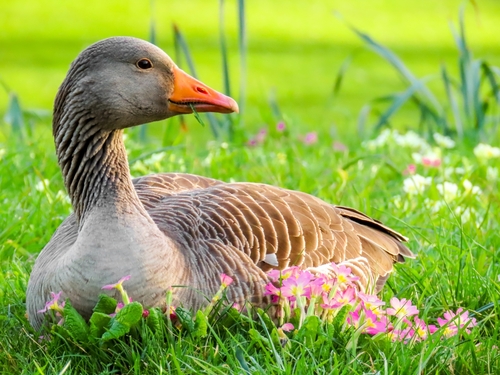 Oca selvatica
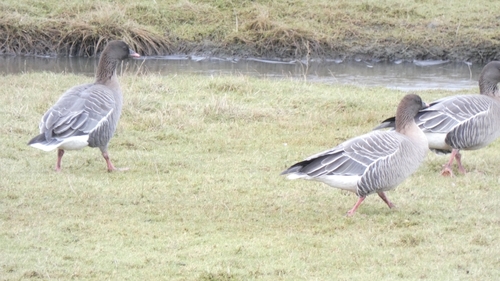 Oca zamperosee
In breve
Il segno di campo più affidabile tra Oca selvatica e Oca zamperosee è il colore del becco e delle gambe: l'Oca selvatica ha un grande becco arancione scuro e gambe rosa, mentre l'Oca zamperosee mostra un becco più corto con una caratteristica banda rosa e piedi rosa. In volo o a riposo, l'Oca selvatica è notevolmente più robusta e più chiara, con un'ala anteriore e un'area caudale chiare, mentre l'Oca zamperosee è più piccola, più scura e più compatta, con una testa e un collo di un marrone più ricco. I giovani Oche selvatiche non presentano le macchie nere sul ventre degli adulti e hanno gambe più grigie, ma mostrano comunque una struttura relativamente robusta e copritrici alari chiare. L'Oca zamperosee, anche da giovane, mantiene il suo piumaggio più scuro e uniforme e i caratteristici piedi rosa. Queste differenze sono visibili tutto l'anno e in tutti i piumaggi, rendendole affidabili per la separazione sul campo.
Consigli di identificazione
- Colore e forma del becco: L'Oca selvatica ha un grande becco arancione scuro che è largo alla base e con punta smussata. L'Oca zamperosee ha un becco molto più corto con una caratteristica banda rosa al centro, nera alla base e alla punta. Questo è visibile a distanza ravvicinata o moderata ed è affidabile in tutte le età e stagioni.
- Colore delle gambe e dei piedi: Entrambe le specie hanno gambe rosa, ma i piedi dell'Oca zamperosee sono di un rosa più brillante, simile a una gomma da masticare, e si distinguono su un uccello più piccolo e scuro. Le gambe dell'Oca selvatica sono rosa, ma l'uccello è molto più grande e chiaro nel complesso.
- Dimensioni e struttura complessive: L'Oca selvatica è molto più grande, robusta e con un collo più lungo. L'Oca zamperosee è visibilmente più piccola e compatta, con un collo più corto e una struttura più delicata. Questo è particolarmente chiaro quando entrambe le specie sono insieme, ma può essere giudicato con esperienza su uccelli solitari.
- Tono del piumaggio: L'Oca selvatica è più chiara, con un corpo marrone-grigiastro, petto e ventre più chiari (con macchie nere negli adulti), e un'ala anteriore e un'area caudale grigie chiare. L'Oca zamperosee è più scura, con un corpo marrone-grigiastro, testa e collo di un marrone più ricco, e un'area caudale e un ventriglio bianchi.
- Schema alare in volo: L'Oca selvatica mostra un'ala anteriore e un'area caudale grigie chiare, creando un forte contrasto con le piume da volo più scure. Le copritrici superiori dell'Oca zamperosee sono grigio-bluastro chiaro ma meno contrastanti, e l'ala complessivamente appare più scura e uniforme.
- Schema della coda: L'Oca zamperosee ha una coda grigia con una larga punta bianca, che può essere vista in volo o mentre si sistema le piume. La coda dell'Oca selvatica è meno distintamente marcata, fondendosi di più con l'area caudale.
- Schema del collo: L'Oca selvatica adulta mostra un motivo a 'concertina' di pieghe di piume sul collo, che è assente nell'Oca zamperosee. Questo è sottile ma visibile a distanza ravvicinata.
- Macchie sul ventre: Le Oche selvatiche adulte hanno macchie nere variabili sul petto e sul ventre; i giovani non presentano queste macchie. L'Oca zamperosee non mostra queste macchie a nessuna età.
- Differenze nei giovani: I giovani Oche selvatiche sono più chiare, mancano di macchie nere sul ventre e hanno gambe più grigie, ma mostrano comunque la grande dimensione e il piumaggio alare chiaro. I giovani Oche zamperosee sono più scuri, con lo stesso colore di becco e piedi degli adulti.
- Colore della testa e del collo: L'Oca zamperosee ha una testa e un collo di un marrone più ricco e scuro, in contrasto con il corpo più chiaro. La testa dell'Oca selvatica è solo leggermente più scura del corpo.
- Voce: Ascolta i richiami più profondi e caccanti dell'Oca selvatica rispetto ai richiami più acuti e striduli dell'Oca zamperosee, specialmente in volo o in grandi stormi.
- Struttura del gruppo: L'Oca zamperosee forma spesso stormi molto grandi e densamente compatti in inverno, specialmente nel Regno Unito e nel nord-ovest dell'Europa. Gli stormi di Oche selvatiche sono spesso più sciolti e gli uccelli appaiono più robusti.
- Contesto dell'habitat: Nel Regno Unito e nel nord-ovest dell'Europa, l'Oca zamperosee è strettamente migratoria e appare in gran numero in inverno. L'Oca selvatica può essere presente tutto l'anno, specialmente in aree più meridionali o di pianura.
- Trappole: Fai attenzione alle Oche selvatiche domestiche o ibride, che possono mostrare un colore del becco e delle gambe variabile e possono essere ancora più robuste. Controlla sempre la combinazione di dimensione del becco, colore delle gambe e struttura complessiva.
- Contesto stagionale: Entrambe le specie possono essere viste insieme nelle aree di svernamento, ma l'Oca zamperosee è assente come nidificante nella maggior parte dell'Europa al di fuori di Islanda e Groenlandia, mentre l'Oca selvatica nidifica ampiamente in tutta Europa.
Taglia
L'Oca selvatica è significativamente più grande e pesante, con un peso medio di circa 3465 g rispetto ai 2505 g dell'Oca zamperosee [wikidata]. L'Oca selvatica misura 74–91 cm di lunghezza, mentre l'Oca zamperosee è di 60–75 cm. Sul campo, l'Oca selvatica appare più robusta, con un collo più lungo e spesso e un corpo più massiccio. L'Oca zamperosee è più compatta, con un collo più corto e una struttura più leggera, che è particolarmente evidente quando le due specie sono affiancate.
Piumaggio
I giovani Oche selvatiche mancano delle macchie nere sul petto e sul ventre visibili negli adulti e hanno gambe grigie, ma mostrano comunque un'ala anteriore e un'area caudale grigie chiare in volo, e un aspetto generalmente più chiaro e maculato nel complesso. Le loro copritrici alari sono chiare, in contrasto con le piume da volo più scure. L'Oca zamperosee, indipendentemente dall'età, è più scura e uniforme, con un corpo marrone-grigiastro, testa e collo di un marrone più ricco, e un'area caudale e un ventriglio bianchi. Le copritrici superiori dell'ala sono grigio-bluastro chiaro, ma l'effetto complessivo è più scuro e meno contrastante rispetto all'Oca selvatica. La coda dell'Oca zamperosee è grigia con una larga punta bianca, mentre la coda dell'Oca selvatica è meno distintamente marcata. Entrambe le specie hanno copritrici superiori chiare, ma quelle dell'Oca selvatica sono più sorprendentemente chiare e contrastano con il resto dell'ala. Il becco dell'Oca selvatica è arancione e grande, mentre quello dell'Oca zamperosee è corto con una banda rosa e una base/punta nera. I piedi rosa sono diagnostici per l'Oca zamperosee, mentre quelli dell'Oca selvatica sono rosa ma l'uccello è molto più grande e chiaro.
Comportamento
Entrambe le specie sono sociali e spesso viste in stormi, ma l'Oca selvatica tende a formare gruppi più grandi e sedentari, specialmente nelle aree di nidificazione. L'Oca zamperosee è altamente migratoria e forma grandi stormi rumorosi nelle aree di svernamento, spesso pascolando nei campi agricoli. Il volo dell'Oca selvatica è più lento e pesante, corrispondente alla sua struttura più robusta, mentre l'Oca zamperosee appare più agile e compatta in volo. Entrambe le specie pascolano sulla terra, ma l'Oca zamperosee è più probabile che venga vista in stormi molto grandi e densamente compatti durante la migrazione e l'inverno.
Habitat
L'Oca selvatica nidifica in gran parte dell'Europa settentrionale e centrale ed è spesso trovata in zone umide, laghi e terreni agricoli. L'Oca zamperosee nidifica più a nord, in Groenlandia, Islanda e Svalbard, e sverna principalmente nel nord-ovest dell'Europa, specialmente nel Regno Unito, in Irlanda, nei Paesi Bassi e in Danimarca. In inverno, entrambe le specie possono sovrapporsi in terreni agricoli di pianura e zone umide, ma l'Oca zamperosee è più strettamente migratoria e forma stormi più grandi e concentrati nelle aree tradizionali di svernamento. L'Oca selvatica è più probabile che sia residente o solo localmente migratoria in alcune parti del suo areale.
Voce
L'Oca selvatica ha un richiamo forte e profondo, simile a quello delle oche domestiche, spesso descritto come 'aahng-ung-ung.' Gli stormi possono sembrare come cani che abbaiano. L'Oca zamperosee produce un medley di richiami acuti, specialmente in volo, e grandi stormi possono essere quasi assordanti. La differenza di tonalità e tono è utile: l'Oca selvatica è più profonda e più risonante, l'Oca zamperosee è più acuta e più stridula.