

Motmot

ハイイロガン 対 マガン

Anser anser 対 Anser albifrons

ハイイロガンとマガンのクイズ
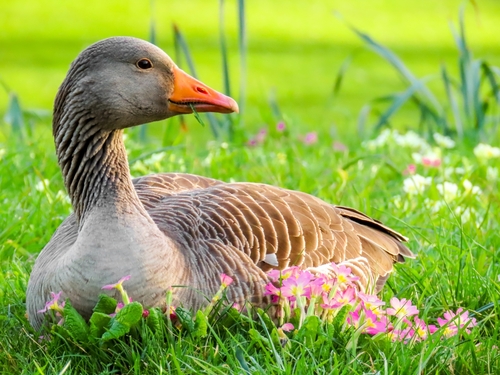
ハイイロガン (Anser anser) ハイイロガン
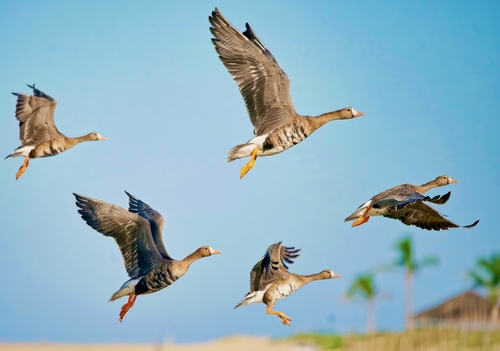
マガン (Anser albifrons) マガン

メディア

読み込み中…

要点

ハイイロガンとマガンを区別する最も信頼できるフィールドマークは、全体のサイズと構造です:ハイイロガンは明らかに大きく、ずんぐりしており、太い首と大きなオレンジ色のくちばしを持っていますが、マガンは小さく、スリムで、くちばしの基部に白いブレーズのあるピンクがかったくちばしを持っています。飛んでいるときや休んでいるとき、ハイイロガンは淡い灰色の前羽と尾を示しますが、成鳥のマガンは白い顔のブレーズを持ち、ほとんどの亜種では大胆な白い翼帯とより暗く、均一な上羽を持っています。幼鳥や未成熟の鳥は見分けが難しいことがありますが、ハイイロガンは決して白い顔や同じ程度の翼の帯を示しません。足の色(ハイイロガンはピンク、マガンはオレンジ)や腹部の帯の広がり(両方で変動しますが、通常はマガンの方が広範囲です)も役立ちます。鳴き声は異なりますが、距離があると区別するのは必ずしも簡単ではありません。

識別のコツ

  1. Size and structure: ハイイロガンは常に大きく、ずんぐりしており、太い首と大きな頭を持っています。マガンは小さく、スリムで、よりコンパクトです;これは混合群れでは特に明らかです。
  2. Bill color and shape: ハイイロガンは大きく深いオレンジ色のくちばしを持っています;マガンは短く、ピンクがかったくちばし(時にはグリーンランドの鳥ではオレンジ黄色)を持ち、しばしば暗い爪があり、くちばしは頭に対してスリムです。
  3. Facial markings: マガンだけがくちばしの基部に明確な白いブレーズを示します(成鳥とほとんどの未成熟個体)。ハイイロガンはこのマークを示しません。
  4. Leg color: ハイイロガンの足はピンクです;マガンの足はオレンジです。これは鳥が立っているときや歩いているときにしばしば見えます。
  5. Neck pattern: ハイイロガンの成鳥は首に羽の折りたたみのコンサーティナパターンを示します;マガンはこの効果のない滑らかな首を持っています。
  6. Belly barring: 両種は腹部に黒い帯を示すことがありますが、通常はマガンの方が広範囲で大胆です。しかし、これは変動し、特に幼鳥では必ずしも信頼できるわけではありません。
  7. Upperwing in flight (adults and older immatures): ハイイロガンは淡い灰色の前羽と尾を示し、明るい色の翼覆いが暗い飛翔羽と対比します。マガン(特に A. a. albifrons)は大胆な白い先端の覆いが翼帯を形成し、上羽は全体的に暗いです。
  8. Juvenile/immature confusion: 幼いハイイロガンはマガンの白い顔のブレーズと強い翼帯の両方を欠いています。幼鳥のマガンは腹部の帯があまりはっきりしないかもしれませんが、通常はくちばしの基部に少なくともいくらかの白と上羽の覆いに淡い縁を示します。
  9. Tail pattern: マガンはハイイロガンよりも明確な広い白い先端と側面を持つ暗い尾を持っています。
  10. General plumage tone: ハイイロガンは全体的に淡い灰褐色で、特に前羽と尾において;マガンはより褐色で、顔と腹部のコントラストが強いです。
  11. Voice: ハイイロガンの鳴き声は深く、よりホンキングです;マガンは高音で、鳴き声が特徴的です。鳴き声が明確でない限り、注意して使用してください。
  12. Habitat context: ハイイロガンは低地の農地や開けた湿地にいる可能性が高く、しばしば大きく、騒がしい群れで見られます。マガンはより移動性があり、より野生の地域や他のガチョウと混ざって見られることがあります。
  13. Sex and age: 両性は似ていますが、幼鳥は鈍い色で、いくつかの成鳥のマークが欠けています。マガンでは白い顔のブレーズと翼帯を常に確認してください。
  14. Pitfalls: 腹部の帯やくちばしの色だけに頼らないでください。両方とも変動する可能性があります。特に混合群れや未成熟の個体を観察する際は、常にいくつかのマークを組み合わせてください。
  15. Best approach: サイズと構造から始め、次にくちばしの基部の白、足の色、翼のパターンを確認します。声と生息地を補助的な手がかりとして使用してください。

大きさ

ハイイロガンは二つの中で大きく、平均体重は約3465g、長さは74〜91cmです。マガンは小さく、長さは64〜81cm、最大体重は3.3kgをわずかに超えますが、通常はハイイロガンより軽いです。フィールドでは、ハイイロガンはずんぐりしており、重い体を持ち、太い首と大きな頭を持っているように見えますが、マガンはよりスリムでコンパクトです。混合群れが存在する場合、ハイイロガンは最も大きなAnser種として際立ちます。

羽色

行動

両種は群れを成し、しばしば混合して見られます。ハイイロガンは農地や開けた湿地で見られる可能性が高く、大きく騒がしい群れで草を食べることがよくあります。マガンも社交的ですが、より警戒心が強く、しばしばやや小さく、密集した群れで見られます。両種は草や作物を食べますが、ハイイロガンの大きなサイズはより重い歩き方と遅く、重い飛行をもたらします。マガンは飛行中により敏捷で素早い傾向があります。

生息環境

両種は湿地、湖、洪水のある田んぼを利用しますが、ハイイロガンは低地の農業地域で見られる可能性が高く、ヨーロッパの多くの地域でデフォルトの大型ガチョウです。マガンはより厳密に移動し、北の方で繁殖し、似たような生息地で越冬しますが、しばしばやや野生の地域やあまり干渉されていない地域で見られます。混合群れでは、ハイイロガンが通常は優勢で大きな種です。

声

ハイイロガンは大きく、鼻にかかったカッカッという鳴き声を出し、「アーン-ウン-ウン」と鳴き、群れは犬のような鳴き声を発することがあります。マガンは高音で、笑い声のようなカッカッという鳴き声を持ち、「ヘー、ヘー」と表現され、音符の間に明確なブレークがあります。両方とも騒がしいですが、ハイイロガンの声はより深く、共鳴し、マガンはより鋭く、鳴き声が強いです。鳴き声は役立ちますが、視覚的なマークと組み合わせて使用するのが最良です。

より良い説明を送る

比較と同じ項目を使ってください。文章はすぐに公開されます。

The most reliable field mark to separate Greylag Goose from Greater White-fronted Goose is overall size and structure: Greylag is distinctly larger and bulkier, with a thick neck and large orange bill, while Greater White-fronted is smaller, slimmer, and has a pinkish bill with a white blaze at the bill base. In flight or at rest, Greylag shows a pale grey forewing and rump, whereas adult Greater White-fronted has a white facial blaze and, in most subspecies, bold white wing bars and a darker, more uniform upperwing. Juvenile and immature birds can be tricky, but the Greylag never shows the white face or the same degree of wing barring. Leg color (pink in Greylag, orange in Greater White-fronted) and the extent of belly barring (variable in both, but usually more extensive in Greater White-fronted) can also help. Calls are different, but not always easy to distinguish at distance.

  1. Size and structure: Greylag is always larger and bulkier, with a thick neck and large head. Greater White-fronted is smaller, slimmer, and more compact; this is especially obvious in mixed flocks.
  2. Bill color and shape: Greylag has a large, deep orange bill; Greater White-fronted has a shorter, pinkish bill (sometimes orange-yellow in Greenland birds), often with a dark nail, and the bill is slimmer in proportion to the head.
  3. Facial markings: Only Greater White-fronted shows a clear white blaze at the base of the bill (adults and most immatures). Greylag never shows this mark.
  4. Leg color: Greylag legs are pink; Greater White-fronted legs are orange. This is often visible when birds are standing or walking.
  5. Neck pattern: Greylag adults show a concertina pattern of feather folds on the neck; Greater White-fronted has a smoother neck without this effect.
  6. Belly barring: Both species can show black barring on the belly, but it is usually more extensive and bolder in Greater White-fronted. However, this is variable and not always reliable, especially in juveniles.
  7. Upperwing in flight (adults and older immatures): Greylag shows a pale grey forewing and rump, with light-colored wing coverts contrasting with darker flight feathers. Greater White-fronted (especially A. a. albifrons) shows bold white-tipped coverts forming a wing bar, and the upperwing is darker overall.
  8. Juvenile/immature confusion: Young Greylag lack both the white facial blaze and the strong wing bars of Greater White-fronted. Juvenile Greater White-fronted may have less distinct belly barring, but usually show at least some white at the bill base and pale fringes on the upperwing coverts.
  9. Tail pattern: Greater White-fronted has a darker tail with a broad white tip and sides, more pronounced than in Greylag.
  10. General plumage tone: Greylag is paler grey-brown overall, especially on the forewing and rump; Greater White-fronted is browner, with a more contrasting face and underparts.
  11. Voice: Greylag's call is deeper and more honking; Greater White-fronted is higher-pitched and yelping. Use with caution unless calls are clear.
  12. Habitat context: Greylag is more likely in lowland farmland and open wetlands, often in larger, noisier flocks. Greater White-fronted is more migratory and may be found in wilder areas or mixed with other geese.
  13. Sex and age: Both sexes are similar in each species, but be aware that juveniles are duller and lack some adult marks. Always check for the white facial blaze and wing bars in Greater White-fronted.
  14. Pitfalls: Don't rely solely on belly barring or bill color, as both can be variable. Always combine several marks, especially in mixed flocks or when viewing immatures.
  15. Best approach: Start with size and structure, then check for white at the bill base, leg color, and wing pattern. Use voice and habitat as supporting clues.

Greylag Goose is the larger of the two, with an average body mass of about 3465 g and a length of 74–91 cm. Greater White-fronted Goose is smaller, with a length of 64–81 cm and a maximum weight just over 3.3 kg, but typically lighter than Greylag. In the field, Greylag appears bulkier and heavier-bodied, with a thicker neck and larger head, while Greater White-fronted is more slender and compact. When mixed flocks are present, Greylag stands out as the largest Anser species.

  • Juveniles/Immatures: Greylag juveniles lack the black belly barring and white facial blaze of Greater White-fronted. Their upperparts are plain grey-brown with pale fringes, but never show the strong white wing bars or facial markings of Greater White-fronted. Juvenile Greater White-fronted may have less distinct belly barring and a duller face, but the white at the bill base is usually visible, and the upperwing coverts often show pale fringes forming wing bars (especially in A. a. albifrons).

  • Adults: Greylag adults have a uniform greyish-brown plumage with a pale grey forewing and rump, orange bill, and pink legs. The neck often shows a concertina pattern of feather folds. Greater White-fronted adults are browner, with a white blaze at the bill base, pinkish bill, orange legs, and bold black belly bars (variable but often extensive). The upperwing in flight shows a dark panel with white-tipped coverts forming a wing bar (especially in European birds). The tail of Greater White-fronted is darker with a broader white tip and sides than Greylag.

Both species are gregarious and often found in flocks, sometimes mixed. Greylag is more likely to be seen in agricultural fields and open wetlands, often grazing in large, noisy groups. Greater White-fronted is also sociable but may be more wary and is often found in slightly smaller, tighter flocks. Both species feed on grasses and crops, but Greylag's larger size gives it a more ponderous gait and slower, heavier flight. Greater White-fronted tends to be more agile and quick in flight.

Both species use wetlands, lakes, and flooded fields, but Greylag is more likely to be found in lowland agricultural areas and is often the default large goose in much of Europe. Greater White-fronted is more strictly migratory, breeding farther north and wintering in similar habitats but often in slightly wilder or less disturbed areas. In mixed flocks, Greylag is usually the dominant, larger species.

Greylag Goose gives a loud, nasal cackling call, "aahng-ung-ung," resembling the honk of domestic geese, and flocks can sound like baying hounds. Greater White-fronted Goose has a higher-pitched, laughing cackle, often described as "he-he," with a distinct break between notes. While both are noisy, the Greylag's voice is deeper and more resonant, while Greater White-fronted is sharper and more yelping. Calls can be useful but are best used in combination with visual marks.

変更を破棄しますか?

保存していない編集があります。今離れると失われます。

ハイイロガン · マガン · 苦手な鳥