

Motmot

ハイイロガン 対 コクガン

Anser anser 対 Branta bernicla

ハイイロガンとコクガンのクイズ
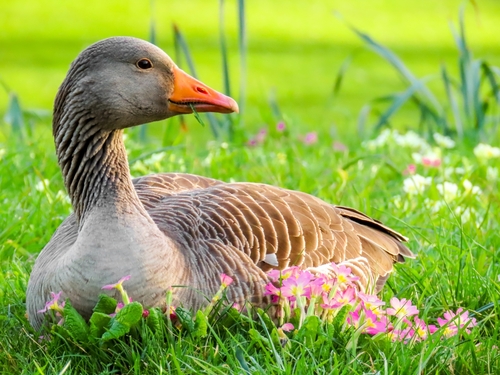
ハイイロガン (Anser anser) ハイイロガン
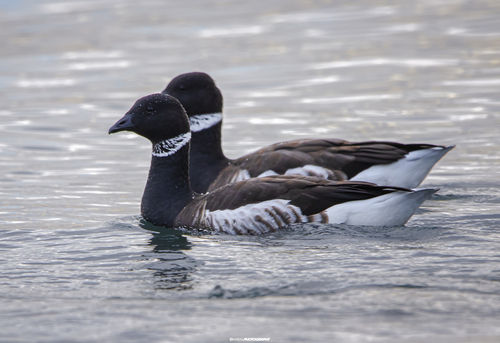
コクガン (Branta bernicla) コクガン

メディア

読み込み中…

要点

グレーラグガンとコクガンを区別する最も信頼できるフィールドマークは、全体のサイズと構造です:グレーラグははるかに大きく、ずんぐりした体を持ち、重いオレンジ色のくちばしとピンクの脚を持っています。一方、コクガンはコンパクトで短い首を持ち、暗い色合いで、太い黒いくちばしと黒い脚を持っています。飛んでいるときや休んでいるとき、グレーラグは淡い灰色の前翼と尾を示し、暗い飛行羽と対照的です。一方、コクガン(すべての形態)は全体的にずっと暗く、特徴的な黒い頭と首、小さな白い首の斑点を持っています。幼鳥のグレーラグは成鳥の黒い腹部の斑点が欠けていますが、依然として淡く大きいです。コクガンの幼鳥は成鳥に似ていますが、常にずっと暗く、よりコンパクトです。淡いオレンジ色のくちばしを持つ顔とピンクの脚を持つガンを見たら、それはグレーラグです。小さくて暗い、黒いくちばしを持つガンで、白い尾羽を持つのがコクガンです。

識別のコツ

  1. Size and bulk: グレーラグガンはコクガンよりもはるかに大きく、重いです。距離があっても、特に両種が存在する場合、グレーラグのサイズは明らかです。
  2. Bill color and shape: グレーラグは大きく深いオレンジ色のくちばし(時にはピンクがかる)を持ち、コクガンは短くて太い黒いくちばしを持っています。くちばしの色は中距離でも見えます。
  3. Leg color: グレーラグの脚はピンクで、コクガンの脚は黒です。脚の色は、鳥が陸上にいて遮られていないときに最も役立ちます。
  4. Neck and head pattern: グレーラグは無地の灰褐色の頭と首を持ち、「コンサーティーナ」羽パターンがあります。コクガンは黒い頭と首を持ち、両側に小さな白い斑点があります(時には一部の亜種で部分的な襟を形成します)。
  5. Body color: グレーラグは淡い灰褐色で、腹部はより淡く、しばしば黒い腹部の斑点があります(成鳥)。コクガンははるかに暗く、すすけた茶色の上面を持ち、亜種によっては暗いか淡い腹部がありますが、常にグレーラグよりも暗いです。
  6. Under-tail and tail: コクガンは常に純白の尾羽と非常に短い黒い尾を示します。グレーラグの尾は長く、淡く、白い尾羽を持っています。
  7. Flight pattern: 飛行中、グレーラグは淡い灰色の前翼と尾を示し、暗い飛行羽と対照的です。コクガンは上面が均一に暗く、白い尾羽と短い黒い尾を持っています。
  8. Juvenile differences: 幼鳥のグレーラグは黒い腹部の斑点がなく、灰色がかった脚を持っていますが、依然として淡く大きいです。幼鳥のコクガンは常に暗く、成鳥と同じ白い尾羽と首の斑点を持っています。
  9. Habitat context: 内陸、特に淡水では、グレーラグがはるかに多いです。塩湿地や潮間帯では、特に冬にコクガンが期待されます。
  10. Group structure: グレーラグはしばしば緩い、騒がしい群れやペアを形成します。コクガンは特に飛行中に密接で統一された群れを形成します。
  11. Voice: グレーラグの大きく鼻にかかったホンキングは特徴的で、農場のようです。コクガンは静かで、柔らかく、ざらざらした鳴き声を持っています。
  12. Jizz: グレーラグは重く、長い首を持ち、動きが遅いように見えます。コクガンはコンパクトで短い首を持ち、動きが速いです。
  13. White flank line: グレーラグは上側の腹部に白い線を示し、休んでいるときに見えます。コクガンにはこの特徴がありません。
  14. Subspecies variation: コクガンの亜種は腹部の色が異なりますが、すべてグレーラグよりもはるかに暗く、黒い頭/首と白い首の斑点を共有しています。
  15. When marks fail: 照明が悪い場合や遠くからの観察では、サイズ、くちばしの色、全体の暗さに頼ります。グレーラグは常に大きく淡く、コクガンは常に小さく暗いです。

大きさ

グレーラグガンはかなり大きく、長さ74–91 cm、平均3464.5 gの質量を持ち、[wikidata]によると、その範囲のほとんどで最大の野生のガンです。コクガンははるかに小さく、長さ55–66 cm、質量0.88–2.2 kgです。[wikipedia]。フィールドでは、グレーラグは巨大で重い体に見え、コクガンはコンパクトで軽く、特に短い首と尾を持っています。このサイズの差は、距離があっても混合群れの中でも明らかです。

羽色

行動

グレーラグガンはしばしば開けた野原で草を食べたり、湖や湿地で泳いだりしているのが見られ、通常はペアや家族群で、時には大きな群れで見られます。彼らはコクガンよりも近づきやすく、警戒心が少ない傾向があります。コクガンは通常、冬に沿岸に生息し、塩湿地、河口、潮間帯で餌を食べ、しばしば密接で統一された群れで見られます。彼らの飛行はより機敏でコンパクトで、彼らの小さなサイズに合っています。グレーラグの飛行は重く、直接的で、遅く深い翼の打撃を持ち、コクガンの飛行はより速く、浮力があります。

生息環境

グレーラグガンは内陸の湿地、湖、川、農業地帯を好み、特に繁殖シーズン中に見られますが、都市公園でも見られることがあります。コクガンは冬に沿岸の生息地に強く関連しており、塩湿地、河口、潮間帯で見られ、高アークティックのツンドラで繁殖します。もし淡水の湖や野原で内陸のガンを見たら、グレーラグの可能性がはるかに高いです。潮間帯に小さくて暗いガンがいる場合、それはコクガンの可能性が高いです。

声

グレーラグガンは大きく鼻にかかったカッカッという鳴き声(「アーン-ウン-ウン」)を出し、しばしば家禽のガンと比較され、群れは犬のように鳴くことがあります。コクガンは一般的に静かで、柔らかく、ざらざらしたり喉の奥から出るような鳴き声を持っていますが、これらはあまり特徴的ではなく、遠くから聞こえる可能性は低いです。もしクラシックな農場のガンのホンキングを聞いたら、それはグレーラグです。

より良い説明を送る

比較と同じ項目を使ってください。文章はすぐに公開されます。

The most reliable field mark to separate Greylag Goose from Brent Goose is overall size and structure: Greylag is a much larger, bulkier bird with a hefty orange bill and pink legs, while Brent Goose is compact, short-necked, and dark with a stubby black bill and black legs. In flight or at rest, Greylag shows pale grey forewings and rump, contrasting with its darker flight feathers, whereas Brent Goose (all forms) is much darker overall, with a distinctive black head and neck and small white neck patches. Juvenile Greylag lacks the black belly spotting of adults but remains pale and large; Brent Goose juveniles are similar to adults but always much darker and more compact. If you see a goose with a pale, orange-billed face and pink legs, it's a Greylag; a small, dark, black-billed goose with a white undertail is a Brent.

  1. Size and bulk: Greylag Goose is much larger and heavier than Brent Goose. Even at a distance, Greylag's size is obvious, especially if both species are present.
  2. Bill color and shape: Greylag has a large, deep orange bill (sometimes pinkish), while Brent has a short, stubby black bill. Bill color is visible even at moderate range.
  3. Leg color: Greylag's legs are pink; Brent's are black. Leg color is most useful when birds are on land and unobscured.
  4. Neck and head pattern: Greylag has a plain grey-brown head and neck with a 'concertina' feather pattern; Brent has a black head and neck with a small white patch on each side (sometimes forming a partial collar in some subspecies).
  5. Body color: Greylag is pale grey-brown with a paler belly and often black belly spots (adults); Brent is much darker, with sooty-brown upperparts and either dark or pale belly depending on subspecies, but always darker than Greylag.
  6. Under-tail and tail: Brent Goose always shows a pure white under-tail and a very short, black tail. Greylag's tail is longer and pale with a white rump.
  7. Flight pattern: In flight, Greylag shows pale grey forewings and rump contrasting with darker flight feathers; Brent is uniformly dark above with a white under-tail and short black tail.
  8. Juvenile differences: Juvenile Greylag lacks black belly spots and has greyish legs, but remains pale and large; juvenile Brent is always dark, with the same white undertail and neck patch as adults.
  9. Habitat context: Inland, especially on freshwater, Greylag is much more likely. On saltmarsh or tidal flats, especially in winter, Brent is expected.
  10. Group structure: Greylag often forms loose, noisy flocks or pairs; Brent forms tight, cohesive flocks, especially in flight.
  11. Voice: Greylag's loud, nasal honking is distinctive and farmyard-like; Brent is quieter, with softer, grating calls.
  12. Jizz: Greylag appears heavy, long-necked, and slow-moving; Brent is compact, short-necked, and quick-moving.
  13. White flank line: Greylag shows a white line along the upper flanks, visible at rest; Brent lacks this feature.
  14. Subspecies variation: Brent Goose subspecies vary in belly color, but all are much darker than Greylag and share the black head/neck and white neck patch.
  15. When marks fail: In poor light or at great distance, rely on size, bill color, and overall darkness; Greylag is always larger and paler, Brent always smaller and darker.

Greylag Goose is substantially larger: 74–91 cm in length and averaging 3464.5 g in mass [wikidata], making it the largest wild goose in much of its range. Brent Goose is much smaller, at 55–66 cm in length and 0.88–2.2 kg in mass [wikipedia]. In the field, Greylag appears massive and heavy-bodied, while Brent is compact and light, with a notably short neck and tail. This size gap is obvious even at distance or in mixed flocks.

  • Juvenile/immature comparison: Juvenile Greylag Goose lacks the black speckling on the breast and belly seen in adults, but remains pale grey-brown overall with a pale forewing and rump, and greyish legs. Juvenile Brent Goose closely resembles adults, always showing a dark sooty-brown body, black head and neck, and white undertail, with a small white neck patch (extent varies by subspecies).

  • Adult comparison: Adult Greylag is pale grey-brown with a paler breast and belly, variable black belly spots, pale grey forewing and rump (conspicuous in flight), and a white line along the upper flanks. The head is slightly darker, and the neck shows a 'concertina' pattern of feather folds. Brent Goose adults are much darker: black head and neck with a small white neck patch, dark sooty-brown upperparts, and either dark or pale belly depending on subspecies. The under-tail is always pure white, and the tail is very short and black. The contrast between the black neck and white neck patch is unique to Brent.

  • In flight: Greylag shows pale forewings and rump, contrasting with dark flight feathers; Brent is uniformly dark above with a striking white undertail and short black tail.

Greylag Geese are often seen grazing in open fields or swimming in lakes and marshes, usually in pairs or family groups, sometimes in large flocks. They tend to be more approachable and less wary than Brent Geese. Brent Geese are typically coastal in winter, feeding on saltmarshes, estuaries, and tidal flats, often in tight, cohesive flocks. Their flight is more agile and compact, matching their smaller size. Greylag's flight is heavy and direct, with slow, deep wingbeats, while Brent's is quicker and more buoyant.

Greylag Goose favors inland wetlands, lakes, rivers, and agricultural fields, especially during the breeding season, but can also be found in urban parks. Brent Goose is strongly associated with coastal habitats in winter—saltmarshes, estuaries, and tidal flats—and breeds on high-Arctic tundra. If you see a goose inland on a freshwater lake or field, Greylag is far more likely; a small, dark goose on a tidal estuary is likely Brent.

Greylag Goose gives a loud, nasal cackling call ('aahng-ung-ung'), often compared to domestic geese, and flocks can sound like baying hounds. Brent Goose is generally quieter, with softer, grating or guttural calls, but these are less distinctive and less likely to be heard at a distance. If you hear a classic farmyard goose honk, it's Greylag.

変更を破棄しますか?

保存していない編集があります。今離れると失われます。

ハイイロガン · コクガン · 苦手な鳥