

Motmot

キアシシギ 対 メリケンキアシシギ

Tringa brevipes 対 Tringa incana

キアシシギとメリケンキアシシギのクイズ
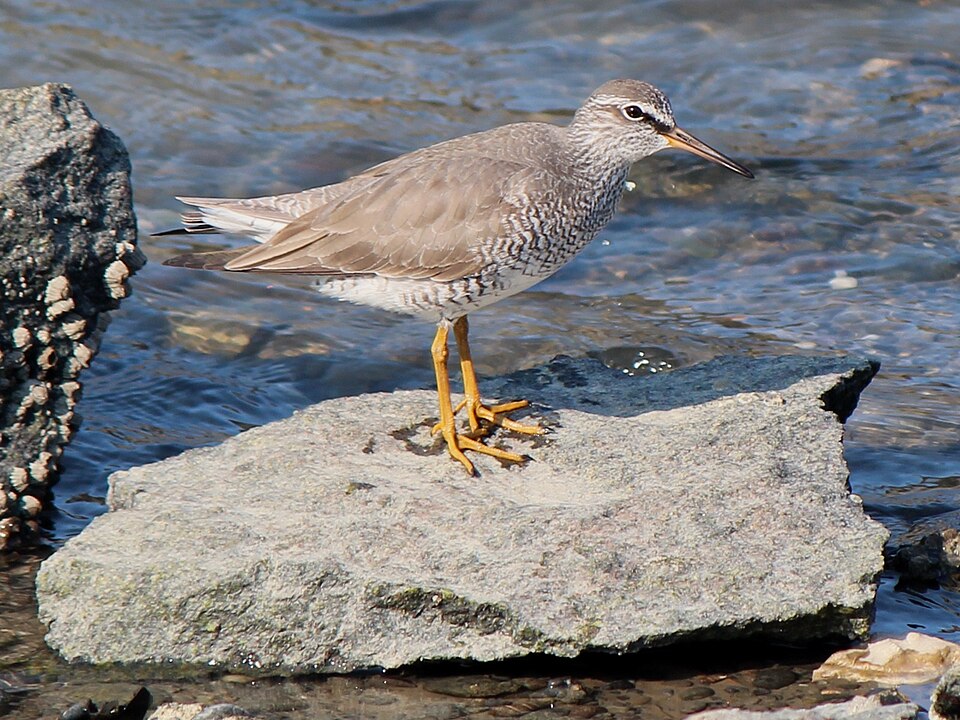
キアシシギ (Tringa brevipes) キアシシギ
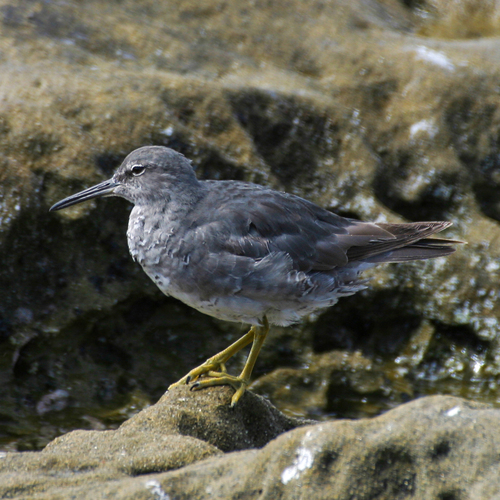
メリケンキアシシギ (Tringa incana) メリケンキアシシギ

メディア

読み込み中…

要点

キアシシギとメリケンキアシシギは非常に似た海岸鳥であり、フィールドでの鳴き声によって最もよく区別されます:キアシシギは明確な二音節の口笛を発し、メリケンキアシシギは速い、波のようなトリルを生成します。両種は繁殖羽において無地の灰色の上面と鱗状の胸の模様を共有しており、情報源には幼鳥や未熟な翼の模様において強い違いは記載されていません。構造的および羽毛の違いは微妙であり、ほとんどの年齢で信頼性が低いため、声が最も実用的なフィールドマークです。サイズと形は重なり合っていますが、メリケンキアシシギは平均してやや重いです。静かな鳥では、識別は困難であり、近くでの観察や鳴き声なしではしばしば不可能です。

識別のコツ

  1. Call is key: 明確な二音の口笛が聞こえた場合はキアシシギを疑い、速い波のようなトリルやスタッカートのバーストが聞こえた場合はメリケンキアシシギです。これはすべての年齢と季節に当てはまります。
  2. No distinctive juvenile/immature wing pattern: 両種は飛行中に強い上翼のマーキングを欠いているため、どの年齢でも翼のパネル、後縁、または「W」パターンに頼って区別しないでください。
  3. Breast and belly pattern: 繁殖羽では、両種ともに胸から腹にかけて鱗状または縞模様のマーキングを示します。メリケンキアシシギは下側がより強く縞模様に見えることがありますが、これは常に信頼できるわけではなく、キアシシギも似たようなことがあります。
  4. Supercilium (eyebrow): 両種はかなり目立つが際立ってはいない眉斑を持っています。これは強い区別要因ではありませんが、キアシシギの一部では眉斑がやや弱く見えることがあります。
  5. Bill color and shape: キアシシギは淡い基部と暗い先端を持つくちばしを持ち、メリケンキアシシギのくちばしは暗い灰色と記載されています。これは微妙であり、距離や悪い光の中では信頼できません。
  6. Leg color: キアシシギの脚は短く黄味がかっており、メリケンキアシシギの脚は短く暗い黄色です。これは変動があり、特に泥の条件や悪い光の中では強いフィールドマークではありません。
  7. Size and structure: メリケンキアシシギは平均して重いですが、両種は長さと全体的な形状が似ています。直接比較がない限り、サイズに頼らないでください。
  8. Underwing and upperpart color: 両種は無地の灰色がかった上面と下翼を持っており、ここに強いコントラストはありません。
  9. Habitat overlap: 両種は似たような海岸や河床に生息しており、片方の種の通常の範囲外でない限り、識別のために生息地だけを使用しないでください。
  10. Behavior: 両種は似たような方法で採餌し、木に止まることがあります。行動は区別要因ではありません。
  11. Flock size: 両種は通常、単独または小さな群れで見られ、休息地を除いて群れを作ることはありません。群れは区別要因ではありません。
  12. Geographic context: 冬にオーストラリアや東南アジアにいる場合、キアシシギの方が可能性が高いです。太平洋の島々ではメリケンキアシシギの方が可能性が高いですが、迷鳥も発生します。
  13. Sex and age: 性別間に羽毛の違いはなく、年齢に関連する違いは診断的とは記載されていません。
  14. When silent: 鳥が静かで手の中にない場合、識別はしばしば不可能です。可能な限り文脈と鳴き声を使用してください。
  15. Do not rely on subtle marks: ほとんどのフィールドマーク(くちばし、脚の色、眉斑)は変動があり重なり合っているため、フィールドで本当に診断的なのは鳴き声だけです。

大きさ

両種はサイズと形状が似ており、アカアシシギに似ています。メリケンキアシシギは平均して重い(平均成鳥質量約108.5g [wikidata])ですが、これは重なり合いとキアシシギの比較データの欠如のため信頼できるフィールドマークではありません。フィールドでの長さと翼幅は明確に異なりません。両種はずんぐりとした体、短い黄味がかったから暗い黄色の脚、そして似たようなくちばしの構造を持っています。

羽色

どちらの種にも特徴的な幼鳥や未熟な上翼のパターンは記載されておらず、両種ともに他のトリンガに見られる強い翼のマーキングを欠いています。すべての年齢において、両種は無地の灰色がかった上面と翼、そして白い腹を持っています。繁殖期の成鳥は、胸から腹にかけて鱗状または縞模様のパターンを示し、かなり目立つが際立ってはいない眉斑を持っています。繁殖期のメリケンキアシシギは下部が強く縞模様ですが、キアシシギも似たような縞模様を示すことがあります。顔、首、下翼は両方とも灰色です。キアシシギのくちばしは暗く、基部が淡い色であり、メリケンキアシシギのくちばしは暗い灰色ですが、これは微妙です。脚の色は短い黄味がかった(キアシシギ)対暗い黄色(メリケンキアシシギ)ですが、これは常に信頼できるわけではありません。幼鳥や未熟なものを区別するための年齢特有の飛行マークや上翼のコントラストについての言及はありません。

行動

両種は地面や浅い水中で視覚によって採餌し、無脊椎動物をついばんでいます。彼らはあまり群れを作らず、通常は単独または小さな群れで見られ、休息地を除きます。両種は木に止まることがあり、繁殖のために古い巣を使用することがあります。区別のための行動特性はありません。

生息環境

生息地の好みは重なり合っています:両種は石の多い河床で繁殖し(キアシシギはシベリア北東部、メリケンキアシシギはここでは指定されていません)、泥や砂の海岸で冬を越します。両種は渡り鳥であり、キアシシギは東南アジアからオーストラリアに冬を越し、メリケンキアシシギは太平洋でより広範囲に分布しています。生息地は、彼らの範囲の極端な場所を除いて、信頼できる区別要因ではありません。

声

これは最も信頼できるフィールドマークです。キアシシギは明確な二音節の口笛を発し、メリケンキアシシギは速い、波のようなトリルまたはスタッカートの呼び声を生成し、時には呼び声ごとに三拍または四拍を持つことがあります。よく聞こえる場合、この違いは診断的です。

より良い説明を送る

比較と同じ項目を使ってください。文章はすぐに公開されます。

Grey-tailed Tattler and Wandering Tattler are extremely similar shorebirds, best separated by their calls in the field: Grey-tailed gives a clear, disyllabic whistle, while Wandering produces a rapid, rippling trill. Both species share plain grey upperparts and a scaly breast pattern in breeding plumage, with no strong differences in juvenile or immature wing pattern described in the sources. Structural and plumage differences are subtle and unreliable at most ages, so voice is the most practical field mark. Size and shape overlap heavily, but Wandering Tattler averages slightly heavier. In silent birds, identification is challenging and often not possible without close study or call.

  1. Call is key: If you hear a clear, two-note whistle, suspect Grey-tailed; if you hear a rapid, rippling trill or staccato burst, it's Wandering. This works for all ages and seasons.
  2. No distinctive juvenile/immature wing pattern: Both species lack strong upperwing markings in flight, so do not rely on wing panels, trailing edges, or 'W' patterns to separate them at any age.
  3. Breast and belly pattern: In breeding plumage, both show scaly or barred markings extending onto the belly. Wandering Tattler may appear more heavily barred below, but this is not always reliable, and Grey-tailed can be similar.
  4. Supercilium (eyebrow): Both species have a fairly prominent but not striking supercilium. It is not a strong separator, but in some Grey-tailed, the supercilium may look a bit weaker.
  5. Bill color and shape: Grey-tailed has a bill with a pale base and dark tip; Wandering's bill is described as dark grey. This is subtle and not reliable at distance or in poor light.
  6. Leg color: Grey-tailed's legs are short and yellowish; Wandering's are short and dark yellow. This is variable and not a strong field mark, especially in muddy conditions or poor light.
  7. Size and structure: Wandering Tattler averages heavier, but both are similar in length and overall shape. Do not rely on size unless you have a direct comparison.
  8. Underwing and upperpart color: Both have plain, greyish upperparts and underwings; no strong contrast here.
  9. Habitat overlap: Both occur on similar coasts and riverbeds; do not use habitat alone for identification unless you are outside the normal range of one species.
  10. Behavior: Both forage in similar ways and may perch in trees; behavior is not a separator.
  11. Flock size: Both are usually solitary or in small groups, except at roosts; flocking is not a separator.
  12. Geographic context: If you are in Australia or Southeast Asia in winter, Grey-tailed is more likely; in the Pacific islands, Wandering is more likely, but vagrancy occurs.
  13. Sex and age: No plumage differences between sexes; age-related differences are not described as diagnostic.
  14. When silent: If the bird is silent and not in the hand, identification is often not possible. Use context and call whenever possible.
  15. Do not rely on subtle marks: Most field marks (bill, leg color, supercilium) are variable and overlap; only the call is truly diagnostic in the field.

Both species are similar in size and shape, resembling Common Redshank. Wandering Tattler averages heavier (mean adult mass ~108.5g [wikidata]), but this is not a reliable field mark due to overlap and lack of comparative data for Grey-tailed Tattler. Length and wingspan are not distinctly different in the field. Both have stocky bodies, short yellowish to dark yellow legs, and similar bill structure.

No distinctive juvenile or immature upperwing pattern is described for either species, and both lack the strong wing markings seen in other Tringa. In all ages, both have plain, greyish upperparts and wings, and a white belly. Breeding adults of both species show a scaly or barred pattern extending from the breast onto the belly, and a fairly prominent but not striking supercilium. Underparts are heavily barred in breeding Wandering Tattler, but Grey-tailed can show similar barring. Face, neck, and underwing are grey in both. The bill is dark with a paler base in Grey-tailed, and dark grey in Wandering, but this is subtle. Leg color is short yellowish (Grey-tailed) vs dark yellow (Wandering), but this is not always reliable. There is no mention of age-specific flight marks or upperwing contrasts that would allow separation of juveniles or immatures.

Both species forage by sight on the ground or in shallow water, picking at invertebrates. They are not highly gregarious, usually seen singly or in small groups except at roosts. Both will perch in trees and may use old nests for breeding. No behavioral trait is diagnostic for separation.

Habitat preferences overlap: both breed on stony riverbeds (Grey-tailed in northeast Siberia; Wandering not specified here), and winter on muddy or sandy coasts. Both are migratory, with Grey-tailed wintering from Southeast Asia to Australia and Wandering more widespread in the Pacific. Habitat is not a reliable separator except at the extremes of their ranges.

This is the single most reliable field mark. Grey-tailed Tattler gives a clear, disyllabic whistle, while Wandering Tattler produces a rapid, rippling trill or staccato call, sometimes with three or four beats per call. When heard well, this difference is diagnostic.

変更を破棄しますか?

保存していない編集があります。今離れると失われます。

キアシシギ · メリケンキアシシギ · 苦手な鳥