

Gray-tailed Tattler vs Wandering Tattler
Tringa brevipes contro Tringa incana
Fai un quiz con Gray-tailed Tattler e Wandering Tattler
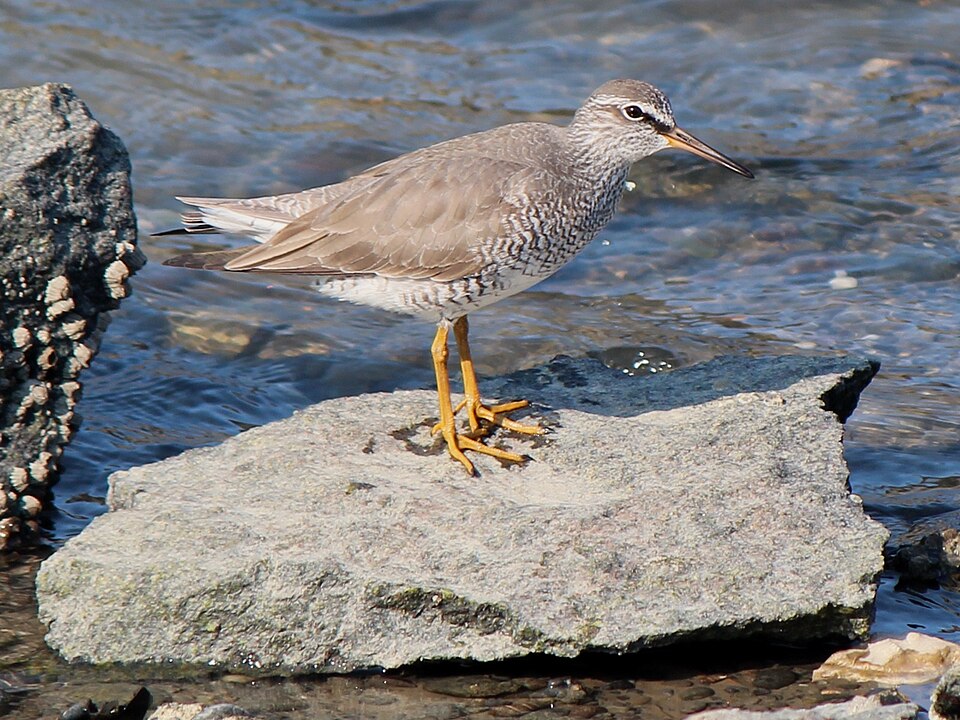 Gray-tailed Tattler
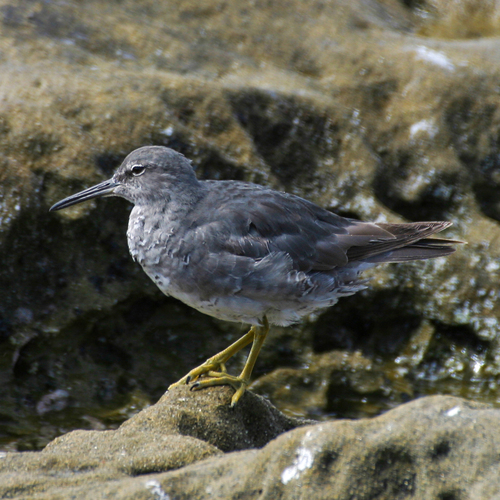 Wandering Tattler
In breve
Gray-tailed Tattler e Wandering Tattler sono uccelli costieri estremamente simili, meglio separati dai loro richiami sul campo: Gray-tailed emette un fischio chiaro e disillabico, mentre Wandering produce un trillo rapido e ondulato. Entrambe le specie condividono parti superiori grigie semplici e un motivo a squame sul petto in piumaggio di riproduzione, senza forti differenze nel motivo delle ali giovanili o immature descritte nelle fonti. Le differenze strutturali e di piumaggio sono sottili e inaffidabili nella maggior parte delle età, quindi la voce è il segno di campo più pratico. Dimensioni e forma si sovrappongono pesantemente, ma Wandering Tattler è mediamente leggermente più pesante. Negli uccelli silenziosi, l'identificazione è difficile e spesso non possibile senza uno studio ravvicinato o il richiamo.
Consigli di identificazione
- Call is key: Se senti un fischio chiaro a due note, sospetta Gray-tailed; se senti un trillo rapido e ondulato o un'esplosione staccata, è Wandering. Questo funziona per tutte le età e stagioni.
- No distinctive juvenile/immature wing pattern: Entrambe le specie mancano di marcature forti sulle ali superiori in volo, quindi non fare affidamento sui pannelli delle ali, sui bordi posteriori o sui motivi a 'W' per separarli a qualsiasi età.
- Breast and belly pattern: In piumaggio di riproduzione, entrambe mostrano marcature a squame o a barre che si estendono fino alla pancia. Wandering Tattler può apparire più pesantemente barrato sotto, ma questo non è sempre affidabile, e Gray-tailed può essere simile.
- Supercilium (eyebrow): Entrambe le specie hanno un supercilium abbastanza prominente ma non sorprendente. Non è un forte separatore, ma in alcuni Gray-tailed, il supercilium può apparire un po' più debole.
- Bill color and shape: Gray-tailed ha un becco con una base chiara e una punta scura; il becco di Wandering è descritto come grigio scuro. Questo è sottile e non affidabile a distanza o in scarsa illuminazione.
- Leg color: Le gambe di Gray-tailed sono corte e giallastre; quelle di Wandering sono corte e giallo scuro. Questo è variabile e non è un forte segno di campo, specialmente in condizioni fangose o in scarsa illuminazione.
- Size and structure: Wandering Tattler è mediamente più pesante, ma entrambe sono simili in lunghezza e forma complessiva. Non fare affidamento sulla dimensione a meno che tu non abbia un confronto diretto.
- Underwing and upperpart color: Entrambe hanno parti superiori e sottoali grigie semplici; non c'è un forte contrasto qui.
- Habitat overlap: Entrambe si trovano su coste e letti fluviali simili; non usare l'habitat da solo per l'identificazione a meno che tu non sia al di fuori dell'area normale di una specie.
- Behavior: Entrambe si nutrono in modi simili e possono posarsi sugli alberi; il comportamento non è un separatore.
- Flock size: Entrambe sono solitamente solitarie o in piccoli gruppi, tranne che nei luoghi di riposo; il raggruppamento non è un separatore.
- Geographic context: Se ti trovi in Australia o nel sud-est asiatico in inverno, è più probabile che sia Gray-tailed; nelle isole del Pacifico, è più probabile che sia Wandering, ma si verificano vagabondaggi.
- Sex and age: Non ci sono differenze di piumaggio tra i sessi; le differenze legate all'età non sono descritte come diagnostiche.
- When silent: Se l'uccello è silenzioso e non è in mano, l'identificazione è spesso impossibile. Usa il contesto e il richiamo ogni volta che è possibile.
- Do not rely on subtle marks: La maggior parte dei segni di campo (colore del becco, colore delle gambe, supercilium) sono variabili e si sovrappongono; solo il richiamo è veramente diagnostico sul campo.
Taglia
Entrambe le specie sono simili in dimensioni e forma, somigliando a Pettegola. Wandering Tattler è mediamente più pesante (massa media dell'adulto ~108.5g [wikidata]), ma questo non è un segno di campo affidabile a causa della sovrapposizione e della mancanza di dati comparativi per Gray-tailed Tattler. Lunghezza e apertura alare non sono distintamente diverse sul campo. Entrambe hanno corpi robusti, gambe corte giallastre a scure e una struttura del becco simile.
Piumaggio
Nessun motivo distintivo di ali superiori giovanili o immature è descritto per entrambe le specie, e entrambe mancano delle forti marcature sulle ali viste in altri Tringa. In tutte le età, entrambe hanno parti superiori e ali grigie semplici e una pancia bianca. Gli adulti in riproduzione di entrambe le specie mostrano un motivo a squame o a barre che si estende dal petto fino alla pancia, e un supercilium abbastanza prominente ma non sorprendente. Le parti inferiori sono pesantemente barrate nel Wandering Tattler in riproduzione, ma Gray-tailed può mostrare barrature simili. Il viso, il collo e le sottoali sono grigi in entrambe. Il becco è scuro con una base più chiara in Gray-tailed, e grigio scuro in Wandering, ma questo è sottile. Il colore delle gambe è giallastro corto (Gray-tailed) contro giallo scuro (Wandering), ma questo non è sempre affidabile. Non c'è menzione di segni di volo specifici per età o contrasti delle ali superiori che consentirebbero la separazione di giovanili o immature.
Comportamento
Entrambe le specie si nutrono per vista a terra o in acque poco profonde, raccogliendo invertebrati. Non sono altamente gregari, di solito si vedono singolarmente o in piccoli gruppi tranne che nei luoghi di riposo. Entrambe si posano sugli alberi e possono utilizzare vecchi nidi per la riproduzione. Nessun tratto comportamentale è diagnostico per la separazione.
Habitat
Le preferenze di habitat si sovrappongono: entrambe nidificano su letti fluviali rocciosi (Gray-tailed nel nord-est della Siberia; Wandering non specificato qui), e svernano su coste fangose o sabbiose. Entrambe sono migratorie, con Gray-tailed che sverna dal sud-est asiatico all'Australia e Wandering più diffuso nel Pacifico. L'habitat non è un separatore affidabile tranne che agli estremi delle loro aree.
Voce
Questo è il segno di campo più affidabile. Gray-tailed Tattler emette un fischio chiaro e disillabico, mentre Wandering Tattler produce un trillo rapido e ondulato o un richiamo staccato, a volte con tre o quattro battiti per richiamo. Quando sentito bene, questa differenza è diagnostica.
Gray-tailed Tattler · Wandering Tattler · I miei uccelli difficili