

Motmot

ハイゴシハリオアマツバメ 対 キゴシツリスドリ

Chaetura cinereiventris 対 Cacicus cela

ハイゴシハリオアマツバメとキゴシツリスドリのクイズ
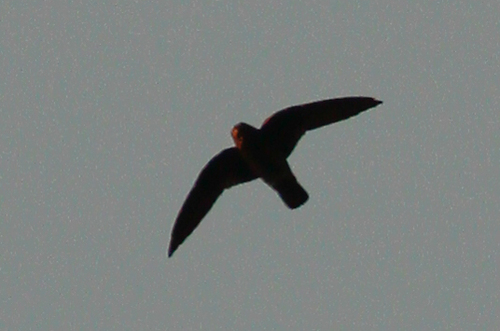
ハイゴシハリオアマツバメ (Chaetura cinereiventris) ハイゴシハリオアマツバメ
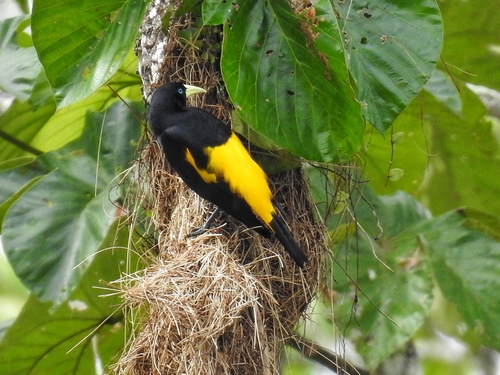
キゴシツリスドリ (Cacicus cela) キゴシツリスドリ

メディア

読み込み中…

要点

ハイゴシハリオアマツバメとキゴシツリスドリを区別するための最も信頼できるフィールドマークは、全体の構造と飛行スタイルです:スイフトは小さく、コンパクトで、鎌のような翼を持ち、短い四角い尾を持つ空中の小型の鳥であり、一方でカシークははるかに大きく、長い尾を持つ歌鳥で、尖った淡いくちばしと目を引く黄色い尾と下腹部を持っています。飛行中、スイフトの灰色の尾は微妙で、光沢のある黒い上面と優しく対比しますが、カシークの黄色い尾と下腹部は大胆で広範囲です。幼鳥のスイフトは翼に淡い縁取りを示すことがありますが、カシークの明るい黄色や長い尾は決して示しません。止まっているのが見られた場合、カシークの青い目と淡いくちばしは間違いなく識別できます;スイフトは決して開けた場所に止まりません。声の発声も非常に異なり、スイフトは短い「ツィップ」という音を出し、カシークは複雑な歌や呼び声を生成します。

識別のコツ

  1. Size and Structure: カシークはスイフトの約3倍の長さで、重さも何倍もあります。小さく、コンパクトで、速く飛ぶ鳥を見たら、スイフトを考えてください;大きく、長い尾を持つ鳥はカシークです。
  2. Tail Shape: ハイゴシハリオアマツバメは短い四角い尾を持っています;キゴシツリスドリは長く、まっすぐな尾を持っています。これは特に飛行中に明らかです。
  3. Bill: スイフトは小さく、ほとんど見えないくちばしを持っています;カシークは長く、尖った淡い黄色のくちばしを持っています(幼鳥では基部が茶色がかっています)。止まっているのが見られた場合、くちばしの色と長さが重要です。
  4. Rump Color: スイフトは黒い上面と優しく対比する広い灰色の尾を示します;カシークは明るい黄色の尾と尾の基部を持ち、はるかに目立ちます。
  5. Belly Color: カシークは黄色の下腹部を示します;スイフトは下が灰色で、黄色は全くありません。
  6. Wing Pattern (Juveniles): 幼鳥のスイフトは翼の羽に淡い縁取りを示すことがありますが、決して黄色は示しません。幼鳥のカシークは鈍い色ですが、まだ黄色の尾と腹部を持っています。
  7. Eye Color: 成熟したカシークは青い目を持ち、よく見られた場合のユニークな特徴です;スイフトは暗い目を持っています。
  8. Perching Behavior: スイフトは開けた場所に止まっているのがほとんど見られません;カシークは枝やワイヤーにオープンに止まります。
  9. Flight Style: スイフトは硬く、鎌のような翼で急速に飛び、素早く動きます。カシークは遅く、より直接的な翼の打撃で飛び、木の間を滑空することがあります。
  10. Vocalizations: スイフトは単純な「ツィップ」とぼやけた音を出します;カシークは複雑で音楽的で多様な歌や呼び声を持ち、しばしばコロニーから聞こえます。
  11. Habitat Context: スイフトは空高く、しばしば群れで見られます;カシークは木の中、特にコロニーの近くに見られ、しばしば樹冠で餌を探します。
  12. Sex Differences: カシークのオスはメスよりも大きく、明るいですが、両方の性別は黄色の尾と腹部を示します。スイフトには性差はありません。
  13. Juvenile Pitfalls: 幼鳥のカシークは暗い目と茶色がかったくちばしの基部を持っていますが、まだ黄色の尾/腹部を示します。幼鳥のスイフトは淡い翼の縁取りを持っていますが、決して黄色はありません。
  14. Subspecies Variation: 一部のスイフトの亜種はより淡いまたは暗い腹部を持っていますが、カシークの黄色に近づくものはありません。カシークの変異は主に色調にあり、パターンにはありません。
  15. Colony Behavior: 木の中で騒がしい巣コロニーに多くの鳥が集まっているのを見たら、ほぼ確実にカシークであり、スイフトではありません。

大きさ

キゴシツリスドリは劇的に大きいです:オスは平均28 cm(11 in)および104 g(3.7 oz)、メスは23 cm(9.1 in)および60 g(2.1 oz)です [wikipedia]。ハイゴシハリオアマツバメは約10.5 cm(4.1 in)および17 g(0.60 oz)と、はるかに小さいです [wikipedia]。カシークはスイフトの長さのほぼ3倍、質量も数倍で、比例的にはるかに長い尾と重い体を持っています。このサイズの差は、距離があっても明らかです。

羽色

幼鳥のGrey-rumped Swiftsは成鳥に似ていますが、多くの翼の羽に淡い縁取りがあり、良い光の中で見えることがあり、上翼にわずかに鱗状の外観を与えることがあります—これは微妙で、近距離または写真でのみ見られます。すべての年齢のハイゴシハリオアマツバメは、光沢のある黒い上面と対比する広い灰色の尾と上尾覆羽を示しますが、対比は穏やかで、大胆ではありません。下部はより明るい灰色で、黄色は全くありません。対照的に、すべての年齢のキゴシツリスドリ(幼鳥を含む)は、他の黒い羽毛に対して明るい黄色の尾、尾の基部、下腹部、翼のエポレットを示します。幼鳥のカシークは鈍い黒で、暗い目と茶色のくちばしの基部を持っていますが、まだ黄色の尾と腹部を示します。スイフトは決して羽毛に黄色を示しません。飛行中、カシークの黄色の尾と腹部は明らかですが、スイフトの灰色の尾ははるかに目立たなくなります。

行動

Grey-rumped Swiftsはほぼ常に高い空中で速く、直接的に飛んでいるのが見られ、巣の隙間で見えないところに止まることはほとんどありません。彼らの飛行は急速で、硬い鎌のような翼と素早い動きで構成されています。Yellow-rumped Caciquesは、特にコロニーの近くでオープンに止まっているのがよく見られ、アイクテリッドに典型的な遅く、より直接的な翼の打撃で飛びます。カシークは木の中で餌を探したり、ディスプレイをしたり、群れで移動したりするのが見られますが、スイフトは常に空中にいて、決して目に見えるところに止まりません。もし枝やワイヤーに止まっている鳥を見たら、それはスイフトではなくカシークです。

生息環境

両種は南アメリカの北部と中央部で広く重なり合い、類似の低地森林地域に生息することがありますが、彼らのマイクロハビタットの使用は異なります。Grey-rumped Swiftsは空中で、森林、開けた場所、開けた国の上で餌を探し、巣の近くを除いてはほとんど低く来ることはありません。Yellow-rumped Caciquesは森林の端、開けた場所、水の近くに見られ、しばしば高い木のコロニーの周りにいます。カシークは木の中または近くで見られる可能性がはるかに高く、特に巣のコロニーでは、スイフトはほぼ常に開けた空に見られます。

声

ハイゴシハリオアマツバメは明るく、繰り返される短い「ツィップ」と、3〜4のわずかに下向きに傾いたぼやけた音のシリーズを出します(「トゥリュー・トゥリュー・トゥリュー」) [wikipedia]。これらの呼び声は単純で高音です。キゴシツリスドリは、フルートの音、カッカッという音、ヒューヒューという音、時には模倣を伴う複雑で多様な歌を生成し、コロニーは非常に騒がしいです。カシークの声は、スイフトの単純な呼び声よりもはるかに多様で、音楽的で、目立ちます。

より良い説明を送る

比較と同じ項目を使ってください。文章はすぐに公開されます。

The most reliable field mark for separating Grey-rumped Swift from Yellow-rumped Cacique is overall structure and flight style: the swift is a tiny, compact, sickle-winged aerialist with a short square tail, while the cacique is a much larger, long-tailed songbird with a pointed pale bill and a striking yellow rump and lower belly. In flight, the swift's gray rump is subtle and only contrasts gently with glossy black upperparts, whereas the cacique's yellow rump and lower belly are bold and extensive. Juvenile swifts may show pale fringes on the wings, but never the bright yellow or the long tail of a cacique. If seen perched, the cacique's blue eyes and pale bill are unmistakable; swifts never perch in the open. Vocalizations are also very different, with the swift giving short 'tsip' notes and the cacique producing complex songs and calls.

  1. Size and Structure: Cacique is nearly three times as long and many times heavier than the swift. If you see a small, compact, fast-flying bird, think swift; a large, long-tailed bird is a cacique.
  2. Tail Shape: Grey-rumped Swift has a short, square tail; Yellow-rumped Cacique has a long, straight tail. This is especially obvious in flight.
  3. Bill: Swifts have tiny, barely visible bills; caciques have a long, pointed, pale yellow bill (brownish at base in juveniles). Bill color and length are key if seen perched.
  4. Rump Color: Swift shows a wide gray rump that gently contrasts with black upperparts; cacique has a bright yellow rump and tail base, which is much more conspicuous.
  5. Belly Color: Cacique shows a yellow lower belly; swift is gray below with no yellow at all.
  6. Wing Pattern (Juveniles): Juvenile swifts may show pale fringes on the wing feathers, giving a slightly scaly look, but never any yellow. Juvenile caciques are duller but still have yellow rump and belly.
  7. Eye Color: Adult caciques have blue eyes, a unique feature if seen well; swifts have dark eyes.
  8. Perching Behavior: Swifts are almost never seen perched in the open; caciques perch openly on branches and wires.
  9. Flight Style: Swifts fly rapidly with stiff, sickle-shaped wings and quick, darting movements. Caciques fly with slower, more direct wingbeats and may glide between trees.
  10. Vocalizations: Swifts give simple 'tsip' and burry notes; caciques have complex, musical, and varied songs and calls, often heard from colonies.
  11. Habitat Context: Swifts are seen high in the sky, often in groups; caciques are found in trees, especially near colonies, and often forage in the canopy.
  12. Sex Differences: Cacique males are larger and brighter than females, but both sexes show yellow rump and belly. Swifts show no sexual dimorphism.
  13. Juvenile Pitfalls: Juvenile caciques have dark eyes and a brownish bill base but still show yellow rump/belly. Juvenile swifts have pale wing fringes but never yellow.
  14. Subspecies Variation: Some swift subspecies have paler or darker underparts, but none approach the cacique's yellow. Cacique variation is mainly in tone, not pattern.
  15. Colony Behavior: If you see many birds together at a noisy nest colony in a tree, they're almost certainly caciques, not swifts.

Yellow-rumped Cacique is dramatically larger: males average 28 cm (11 in) and 104 g (3.7 oz), females 23 cm (9.1 in) and 60 g (2.1 oz) [wikipedia]. Grey-rumped Swift is much smaller at about 10.5 cm (4.1 in) and 17 g (0.60 oz) [wikipedia]. The cacique is nearly three times the length and several times the mass of the swift, with a proportionally much longer tail and heavier body. This size gap is obvious even at a distance.

Juvenile Grey-rumped Swifts resemble adults but have pale fringes on many wing feathers, which can be visible in good light and may give a slightly scaly look to the upperwing—this is subtle and only seen at close range or in photos. All ages of Grey-rumped Swift show a wide gray rump and uppertail coverts contrasting with glossy black upperparts, but the contrast is gentle, not bold. Underparts are lighter gray, never with any yellow. By contrast, all ages of Yellow-rumped Cacique (including juveniles) show a bright yellow rump, tail base, lower belly, and wing epaulets against otherwise black plumage. Juvenile caciques are duller black, have dark eyes, and a brown bill base, but still show the yellow rump and belly. No swift ever shows yellow in the plumage. In flight, the cacique's yellow rump and belly are obvious, while the swift's gray rump is much less conspicuous.

Grey-rumped Swifts are almost always seen in fast, direct flight high overhead, rarely perching except out of sight in nest cavities. Their flight is rapid, with stiff, sickle-shaped wings and quick, darting movements. Yellow-rumped Caciques are often seen perched in the open, especially near colonies, and fly with slower, more direct wingbeats typical of icterids. Caciques may be seen foraging in trees, displaying, or moving in groups, while swifts are always aerial and never perch visibly. If you see the bird perched on a branch or wire, it is a cacique, not a swift.

Both species overlap broadly in northern and central South America and can occur in similar lowland forested areas, but their microhabitat use differs. Grey-rumped Swifts are aerial, foraging high above forests, clearings, and open country, rarely coming low except near nest sites. Yellow-rumped Caciques are found in forest edges, clearings, and near water, often around colonies in tall trees. Caciques are much more likely to be seen in or near trees, especially at nest colonies, while swifts are almost always seen in the open sky.

Grey-rumped Swift gives a bright, repeated short 'tsip' and a series of 3–4 slightly downslurred burry notes ('trrreeew-trrreeew-trrreeew') [wikipedia]. These calls are simple and high-pitched. Yellow-rumped Cacique produces a complex, varied song with fluting notes, cackles, wheezes, and sometimes mimicry, and colonies are very noisy. The cacique's vocalizations are much more varied, musical, and conspicuous than the swift's simple calls.

変更を破棄しますか?

保存していない編集があります。今離れると失われます。

ハイゴシハリオアマツバメ · キゴシツリスドリ · 苦手な鳥