

Gray-rumped Swift vs Yellow-rumped Cacique
Chaetura cinereiventris contro Cacicus cela
Fai un quiz con Gray-rumped Swift e Yellow-rumped Cacique
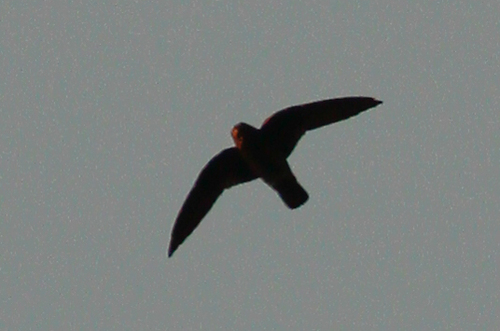 Gray-rumped Swift
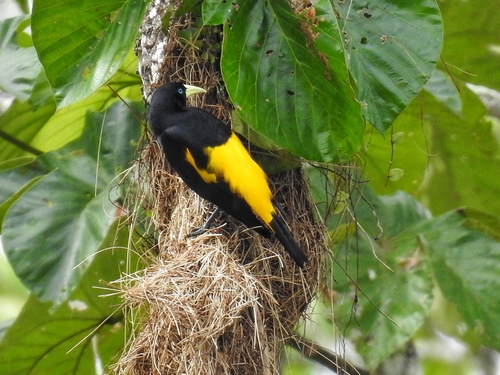 Yellow-rumped Cacique
In breve
Il segno di campo più affidabile per separare il Gray-rumped Swift dal Yellow-rumped Cacique è la struttura generale e lo stile di volo: il swift è un piccolo, compatto, aereo con ali a falce e una coda quadrata corta, mentre il cacique è un uccello canoro molto più grande, con una lunga coda, un becco appuntito e chiaro e un sorprendente dorso giallo e ventre inferiore. In volo, il dorso grigio del swift è sottile e contrasta solo delicatamente con le parti superiori nere lucide, mentre il dorso giallo e il ventre inferiore del cacique sono audaci ed estesi. I giovani swift possono mostrare frange chiare sulle ali, ma mai il giallo brillante o la lunga coda di un cacique. Se visti posati, gli occhi blu del cacique e il becco chiaro sono inconfondibili; i swift non si posano mai in vista. Anche le vocalizzazioni sono molto diverse, con il swift che emette brevi note 'tsip' e il cacique che produce canti e richiami complessi.
Consigli di identificazione
- Dimensioni e Struttura: Il cacique è quasi tre volte più lungo e molte volte più pesante del swift. Se vedi un piccolo uccello compatto e veloce, pensa al swift; un grande uccello con coda lunga è un cacique.
- Forma della Coda: Il Gray-rumped Swift ha una coda corta e quadrata; il Yellow-rumped Cacique ha una coda lunga e dritta. Questo è particolarmente evidente in volo.
- Becco: I swift hanno becchi piccoli, appena visibili; i caciques hanno un becco lungo, appuntito e giallo chiaro (marrone alla base nei giovani). Il colore e la lunghezza del becco sono fondamentali se visti posati.
- Colore del Dorso: Il swift mostra un ampio dorso grigio che contrasta delicatamente con le parti superiori nere; il cacique ha un dorso giallo brillante e una base della coda, che è molto più evidente.
- Colore del Ventre: Il cacique mostra un ventre inferiore giallo; il swift è grigio sotto senza alcun giallo.
- Schema delle Ali (Giovani): I giovani swift possono mostrare frange chiare sulle piume delle ali, dando un aspetto leggermente squamoso, ma mai alcun giallo. I giovani caciques sono più opachi ma hanno ancora dorso e ventre gialli.
- Colore degli Occhi: I caciques adulti hanno occhi blu, una caratteristica unica se visti bene; i swift hanno occhi scuri.
- Comportamento di Posatura: I swift non vengono quasi mai visti posati in vista; i caciques si posano apertamente su rami e fili.
- Stile di Volo: I swift volano rapidamente con ali rigide a forma di falce e movimenti rapidi e veloci. I caciques volano con battiti d'ali più lenti e diretti e possono planare tra gli alberi.
- Vocalizzazioni: I swift emettono semplici note 'tsip' e burry; i caciques hanno canti e richiami complessi, musicali e vari, spesso uditi da colonie.
- Contesto dell'Habitat: I swift vengono visti in alto nel cielo, spesso in gruppi; i caciques si trovano sugli alberi, specialmente vicino alle colonie, e spesso foraggiano nella chioma.
- Differenze Sessuali: I maschi di cacique sono più grandi e più brillanti delle femmine, ma entrambi i sessi mostrano dorso e ventre gialli. I swift non mostrano dimorfismo sessuale.
- Trappole per i Giovani: I giovani caciques hanno occhi scuri e una base del becco marrone ma mostrano ancora dorso/ventre giallo. I giovani swift hanno frange chiare sulle ali ma mai giallo.
- Variazione delle Sottospecie: Alcune sottospecie di swift hanno parti inferiori più chiare o più scure, ma nessuna si avvicina al giallo del cacique. La variazione del cacique è principalmente nel tono, non nel modello.
- Comportamento di Colonia: Se vedi molti uccelli insieme in una colonia di nidi rumorosa in un albero, sono quasi certamente caciques, non swift.
Taglia
Il Yellow-rumped Cacique è notevolmente più grande: i maschi misurano in media 28 cm (11 in) e 104 g (3.7 oz), le femmine 23 cm (9.1 in) e 60 g (2.1 oz) [wikipedia]. Il Gray-rumped Swift è molto più piccolo, circa 10.5 cm (4.1 in) e 17 g (0.60 oz) [wikipedia]. Il cacique è quasi tre volte la lunghezza e diverse volte la massa del swift, con una coda proporzionalmente molto più lunga e un corpo più pesante. Questa differenza di dimensioni è evidente anche a distanza.
Piumaggio
I giovani Gray-rumped Swifts somigliano agli adulti ma hanno frange chiare su molte piume delle ali, che possono essere visibili in buona luce e possono dare un aspetto leggermente squamoso alla parte superiore dell'ala—questo è sottile e visibile solo da vicino o in foto. Tutte le età di Gray-rumped Swift mostrano un ampio dorso grigio e copritrici della coda che contrastano con le parti superiori nere lucide, ma il contrasto è delicato, non audace. Le parti inferiori sono di un grigio più chiaro, mai con alcun giallo. Al contrario, tutte le età di Yellow-rumped Cacique (compresi i giovani) mostrano un dorso giallo brillante, base della coda, ventre inferiore e spalline delle ali contro un piumaggio altrimenti nero. I giovani caciques sono di un nero più opaco, hanno occhi scuri e una base del becco marrone, ma mostrano ancora il dorso e il ventre gialli. Nessun swift mostra mai giallo nel piumaggio. In volo, il dorso e il ventre gialli del cacique sono evidenti, mentre il dorso grigio del swift è molto meno evidente.
Comportamento
I Gray-rumped Swifts vengono quasi sempre visti in volo veloce e diretto in alto, raramente posandosi tranne che fuori vista in cavità nido. Il loro volo è rapido, con ali rigide a forma di falce e movimenti rapidi e veloci. I Yellow-rumped Caciques vengono spesso visti posati in vista, specialmente vicino alle colonie, e volano con battiti d'ali più lenti e diretti tipici degli icteridi. I caciques possono essere visti foraggiare sugli alberi, esibirsi o muoversi in gruppi, mentre i swift sono sempre aerei e non si posano visibilmente. Se vedi l'uccello posato su un ramo o un filo, è un cacique, non un swift.
Habitat
Entrambe le specie si sovrappongono ampiamente nel nord e nel centro del Sud America e possono verificarsi in aree forestali simili a bassa quota, ma il loro utilizzo del microhabitat differisce. I Gray-rumped Swifts sono aerei, foraggiando in alto sopra le foreste, le radure e il paese aperto, raramente scendendo in basso tranne che vicino ai siti nido. I Yellow-rumped Caciques si trovano ai margini delle foreste, nelle radure e vicino all'acqua, spesso intorno a colonie in alberi alti. I caciques sono molto più propensi a essere visti in o vicino agli alberi, specialmente nelle colonie nido, mentre i swift vengono quasi sempre visti nel cielo aperto.
Voce
Il Gray-rumped Swift emette un brillante, ripetuto breve 'tsip' e una serie di 3–4 note burry leggermente discese ('trrreeew-trrreeew-trrreeew') [wikipedia]. Questi richiami sono semplici e acuti. Il Yellow-rumped Cacique produce un canto complesso e variegato con note flautate, cackle, wheeze e talvolta mimetismo, e le colonie sono molto rumorose. Le vocalizzazioni del cacique sono molto più varie, musicali e evidenti rispetto ai semplici richiami del swift.
Gray-rumped Swift · Yellow-rumped Cacique · I miei uccelli difficili