

Motmot

ハイゴシハリオアマツバメ 対 カタジロアマツバメ

Chaetura cinereiventris 対 Aeronautes montivagus

ハイゴシハリオアマツバメとカタジロアマツバメのクイズ
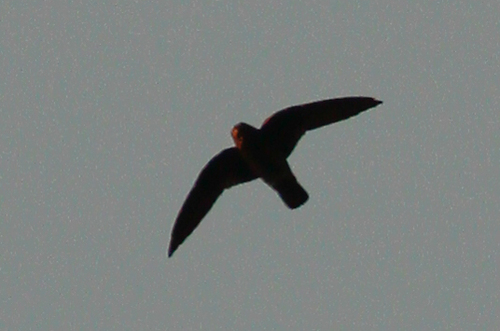
ハイゴシハリオアマツバメ (Chaetura cinereiventris) ハイゴシハリオアマツバメ
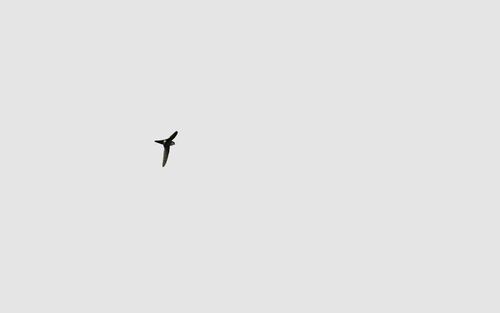
カタジロアマツバメ (Aeronautes montivagus) カタジロアマツバメ

メディア

読み込み中…

要点

ハイゴシハリオアマツバメとカタジロアマツバメを区別する最も信頼できるフィールドマークは、前者の広い淡灰色の尾羽と、後者の特徴的な白い尾羽先と白い喉の存在です。幼鳥と成鳥のハイゴシハリオアマツバメは、飛行中に常に対照的な灰色の尾羽を示しますが、カタジロアマツバメは白い尾羽先(しばしば下からまたは上から見える)と、特にオスで目立つ喉と上胸の白を示します。構造も役立ちます:ハイゴシハリオアマツバメは小さく、短く四角い尾と膨らんだややフック状の翼を持ち、カタジロアマツバメは大きく、長くやや切れ込みのある尾と細く尖った翼を持ちます。両種は空中で速く飛びますが、飛行プロファイルと主要な羽毛のパッチは、よく見ればかなり異なります。

識別のコツ

  1. 灰色の尾羽(すべての年齢、すべての性別): ハイゴシハリオアマツバメだけが、広い淡灰色の尾羽と上尾羽覆いを示し、他の暗い上面と明確に対照的です。これは上からの飛行中に見え、時には下からも見えます。カタジロアマツバメは灰色の尾羽を示しません。
  2. 白い尾羽先(すべての年齢、特に成鳥のオスで最良): カタジロアマツバメは、尾羽に広い白い先端を持ち、上からと下から見える、特に成鳥のオスで目立ちます。雌と幼鳥は尾羽先が減少または欠如している場合がありますが、通常は何らかの白が見えます。ハイゴシハリオアマツバメの尾は均一に暗く、四角いです。
  3. 白い喉と上胸(成鳥、特にオス): カタジロアマツバメは明るい白い喉、首の側面、上胸を示し、暗い下部と鋭く対照的です。ハイゴシハリオアマツバメは均一に灰色の下部を持ち、白い喉はありません。
  4. 脚の周りの白い斑点(成鳥): カタジロアマツバメは、良い光の下で下から見える脚の周りに白い斑点を持っています。ハイゴシハリオアマツバメはこれらの斑点を欠いています。
  5. 尾の形状: ハイゴシハリオアマツバメは短く四角い尾を持ち、カタジロアマツバメの尾は長くやや切れ込みがあります。これは飛行中に特に明らかです。
  6. 翼の形状: ハイゴシハリオアマツバメの翼は中央で膨らみ、先端でややフック状になっており、コンパクトな外観を与えます。カタジロアマツバメは細く尖った翼を持ち、より流線型で細長い外観を与えます。
  7. サイズ: カタジロアマツバメはハイゴシハリオアマツバメよりも明らかに大きく、重いです。これは直接比較や混合群れで最も明らかです。
  8. 性差(カタジロアマツバメ): 雌のカタジロアマツバメはより茶色で、下背部と尾羽が淡く、鈍い白い喉を持ち、時には白い尾羽先が減少または欠如しています。オスはより黒く、白が明るいです。
  9. 幼鳥のマーク: 両種の幼鳥は体や翼の羽毛に淡い縁取りを持っていますが、主要なマーク(ハイゴシハリオアマツバメの灰色の尾羽、カタジロアマツバメの白い尾羽先と喉)は診断的です。
  10. 下部のコントラスト: ハイゴシハリオアマツバメは明るい灰色の下部を持っていますが、カタジロアマツバメの喉と胸の鋭い白は持っていません。
  11. 飛行の印象: ハイゴシハリオアマツバメはコンパクトに見え、頭が突き出ていて短い尾を持ちます。カタジロアマツバメはより細長く、長い切れ込みのある尾と尖った翼を持ちます。
  12. 範囲の文脈: 中央アメリカやカリブ海(トリニダード、トバゴ、グレナダ以外)にいる場合、ハイゴシハリオアマツバメのみが可能です。アンデス山脈やギアナシールドでは、両種を確認しますが、地域の豊富さに注意してください。
  13. 鳴き声: 明るい「ツィップ」やぼやけた「トゥリュー」音を聞いた場合、ハイゴシハリオアマツバメの可能性が高いです。カタジロアマツバメの声はここでは説明されていません。
  14. 羽毛の落とし穴: 幼鳥の淡い縁取りに注意してください。これは淡い斑点のように見えることがありますが、真の尾羽や尾羽先を形成しません。常に淡い部分の位置と形状を探してください。
  15. 性別/年齢の混乱: 雌と幼鳥のカタジロアマツバメは明らかな白い尾羽先が欠けている場合があり、鈍い喉を持っていますが、切れ込みのある尾と白い喉(たとえ鈍くても)は通常、ハイゴシハリオアマツバメと区別します。

大きさ

ハイゴシハリオアマツバメは明らかに小さく、平均して約10.5 cmの長さで、約17 gの重さです。カタジロアマツバメは大きく、12~13 cmで17~33 gです。このサイズの違いは、混合群れや他のアマツバメの近くで見たときにしばしば見られますが、距離があると微妙です。カタジロアマツバメの長く、より切れ込みのある尾とより細長い翼も、飛行中の大きな外観に寄与します。

羽色

行動

両種は速く飛ぶ空中の昆虫食者で、群れで見られることが多く、時には他のアマツバメと一緒に見られます。カタジロアマツバメは、森林の上や峡谷の尾根のレベルで低く採餌することで知られており、時には50羽までの単一種の群れで見られます。ハイゴシハリオアマツバメも非常に空中で、煙突や類似の構造に巣を作ることがあります。直接比較では、カタジロアマツバメはより細長く、機敏に見え、より切れ込みのある尾と尖った翼を持ち、ハイゴシハリオアマツバメはよりコンパクトで四角い尾を持っているように見えます。

生息環境

両種は森林や開けた地域の上で見られますが、その範囲は南アメリカの一部でのみ重なります。ハイゴシハリオアマツバメは中央アメリカから南アメリカのほとんど(チリ、フランス領ギアナ、スリナム、ウルグアイを除く)に広く分布し、トリニダード、トバゴ、グレナダを含みます。カタジロアマツバメは、アンデス山脈と南アメリカの北部および中央部の隣接する低地に見られ、フランス領ギアナとスリナム(ハイゴシハリオアマツバメが存在しない場所)に生息しますが、中央アメリカやカリブ海には生息していません。地域の豊富さは異なる場合があるため、地域のチェックリストを知っておくと役立ちます。

声

ハイゴシハリオアマツバメは明るい繰り返しの短い「ツィップ」と、3~4のやや下向きのぼやけた音「トゥリュー-トゥリュー-トゥリュー」を出します。カタジロアマツバメの声は提供されたメモには記載されていないため、この情報に基づいて鳴き声は信頼できる区別要因ではありません。

より良い説明を送る

比較と同じ項目を使ってください。文章はすぐに公開されます。

The most reliable field mark to separate Grey-rumped Swift from White-tipped Swift is the presence of a broad pale gray rump on the former versus the distinctive white-tipped tail and white throat of the latter. Juvenile and adult Grey-rumped Swifts always show a contrasting gray rump in flight, while White-tipped Swifts show white tail tips (often visible from below or above) and prominent white on the throat and upper breast, especially in males. Structure is also helpful: Grey-rumped Swift is smaller, with a short, square tail and bulging, slightly hooked wings, while White-tipped Swift is larger, with a longer, slightly notched tail and slim, pointed wings. Both species are aerial and fast, but their flight profiles and key plumage patches are quite different if seen well.

  1. Gray rump (all ages, all sexes): Only Grey-rumped Swift shows a broad pale gray rump and uppertail coverts, clearly contrasting with the rest of the dark upperparts. This is visible in flight from above and sometimes from below. White-tipped Swift never shows a gray rump.
  2. White tail tips (all ages, best in adult males): White-tipped Swift has broad white tips to the tail feathers, visible from above and below, especially in adult males. Females and juveniles may have reduced or absent tail tips, but some white is usually visible. Grey-rumped Swift's tail is uniformly dark and square.
  3. White throat and upper breast (adults, especially males): White-tipped Swift shows a bright white throat, sides of the neck, and upper breast, sharply set off from the dark underparts. Grey-rumped Swift has uniformly gray underparts, with no white throat.
  4. White patches around legs (adults): White-tipped Swift has white patches around the legs, visible from below in good light. Grey-rumped Swift lacks these patches.
  5. Tail shape: Grey-rumped Swift has a short, square tail, while White-tipped Swift's tail is longer and slightly notched. This is especially apparent in flight.
  6. Wing shape: Grey-rumped Swift's wings bulge in the middle and are somewhat hooked at the end, giving a compact look. White-tipped Swift has slim, pointed wings, contributing to a more streamlined, elongated appearance.
  7. Size: White-tipped Swift is noticeably larger and heavier than Grey-rumped Swift. This is most apparent in direct comparison or in mixed flocks.
  8. Sex differences (White-tipped Swift): Female White-tipped Swifts are browner, with a paler lower back and rump, duller white throat, and sometimes reduced or absent white tail tips. Males are blacker with brighter white.
  9. Juvenile marks: Both species' juveniles have pale fringes to body or wing feathers, but the key marks (gray rump for Grey-rumped, white tail tips and throat for White-tipped) remain diagnostic.
  10. Underpart contrast: Grey-rumped Swift has lighter gray underparts, but never the sharp white of White-tipped Swift's throat and breast.
  11. Flight jizz: Grey-rumped Swift appears compact, with a protruding head and short tail; White-tipped Swift is more elongated, with a longer, notched tail and pointed wings.
  12. Range context: If in Central America or the Caribbean (outside Trinidad, Tobago, Grenada), only Grey-rumped Swift is possible. In the Andes or Guiana Shield, check both species, but note local abundance.
  13. Vocalizations: If you hear a bright 'tsip' or burry 'trrreeew' notes, Grey-rumped Swift is likely. White-tipped Swift's voice is not described here.
  14. Plumage pitfalls: Beware of pale fringes on juveniles, which can look like pale patches but do not form a true rump or tail tip. Always look for the location and shape of pale areas.
  15. Sex/age confusion: Female and juvenile White-tipped Swifts may lack obvious white tail tips and have duller throats, but the notched tail and white throat (even if dull) usually separate them from Grey-rumped Swift.

Grey-rumped Swift is noticeably smaller, averaging about 10.5 cm in length and weighing around 17 g. White-tipped Swift is larger, at 12–13 cm and 17–33 g. This size difference is often visible in mixed flocks or when seen near other swifts, but can be subtle at a distance. The White-tipped Swift's longer, more notched tail and more elongated wings also add to its larger appearance in flight.

  • Juveniles: Both species' juveniles resemble adults but have pale fringes to body or wing feathers. However, the key marks remain: Grey-rumped Swift juveniles retain the broad gray rump, while White-tipped Swift juveniles show white tail tips and white throat, though the tail tips may be reduced in females and juveniles.
  • Adults: Grey-rumped Swift adults have glossy black upperparts with a wide gray rump and uppertail coverts, lighter gray underparts, and a short square tail. White-tipped Swift adults (especially males) are blackish brown above with a white throat, white upper breast, white patches around the legs, and broad white tips to the tail feathers. Females are browner, with duller white on the throat and sometimes reduced or absent white tail tips.
  • Flight views: The gray rump of Grey-rumped Swift is conspicuous from above and often from below; White-tipped Swift's white tail tips are visible in both dorsal and ventral views, and the white throat/upper breast forms a strong contrast with the dark underparts. The rest of the underparts are darker in White-tipped Swift, with only the white patches around the legs breaking up the color.

Both species are fast-flying aerial insectivores, often seen in flocks and sometimes with other swifts. White-tipped Swift is known to forage low over forest or at ridge-top level in canyons, sometimes in single-species flocks up to 50 birds. Grey-rumped Swift is also highly aerial and may nest in chimneys or similar structures. In direct comparison, White-tipped Swift may appear more elongated and agile, with a more notched tail and pointed wings, while Grey-rumped Swift appears more compact and square-tailed.

Both species can be found over forests and open areas, but their ranges overlap only in parts of South America. Grey-rumped Swift is widespread from Central America through most of South America (except Chile, French Guiana, Suriname, and Uruguay), including Trinidad, Tobago, and Grenada. White-tipped Swift is found in the Andes and adjacent lowlands of northern and central South America, including French Guiana and Suriname (where Grey-rumped is absent), but not in Central America or the Caribbean. Local abundance may differ, so knowing the regional checklist can help.

Grey-rumped Swift gives a bright repeated short 'tsip' and a series of 3–4 slightly downslurred burry notes 'trrreeew-trrreeew-trrreeew.' White-tipped Swift's voice is not described in the provided notes, so vocalization is not a reliable separator based on this information.

変更を破棄しますか?

保存していない編集があります。今離れると失われます。

ハイゴシハリオアマツバメ · カタジロアマツバメ · 苦手な鳥