

Gray-rumped Swift vs White-tipped Swift
Chaetura cinereiventris contro Aeronautes montivagus
Fai un quiz con Gray-rumped Swift e White-tipped Swift
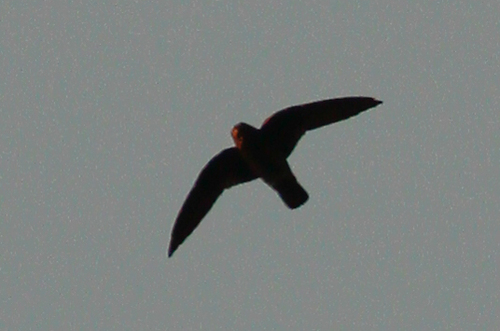 Gray-rumped Swift
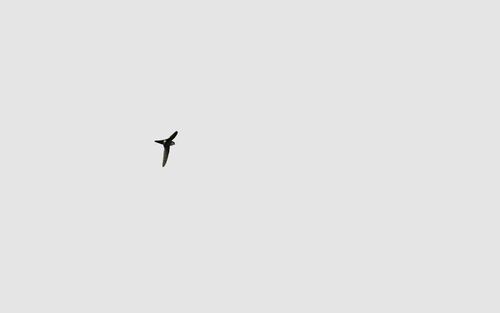 White-tipped Swift
In breve
Il segno distintivo più affidabile per separare il Gray-rumped Swift dal White-tipped Swift è la presenza di un ampio sopracciglio grigio chiaro nel primo rispetto alla coda distintiva con punta bianca e alla gola bianca del secondo. I Gray-rumped Swifts giovanili e adulti mostrano sempre un sopracciglio grigio contrastante in volo, mentre i White-tipped Swifts mostrano punte bianche sulla coda (spesso visibili dall'alto o dal basso) e un prominente bianco sulla gola e sul petto superiore, specialmente nei maschi. Anche la struttura è utile: il Gray-rumped Swift è più piccolo, con una coda corta e quadrata e ali sporgenti e leggermente ricurve, mentre il White-tipped Swift è più grande, con una coda più lunga e leggermente incisa e ali slanciate e appuntite. Entrambe le specie sono aeree e veloci, ma i loro profili di volo e le chiavi di piumaggio sono abbastanza diversi se osservati bene.
Consigli di identificazione
- Gray rump (all ages, all sexes): Solo il Gray-rumped Swift mostra un ampio sopracciglio grigio chiaro e copritail superiori, in netto contrasto con il resto delle parti superiori scure. Questo è visibile in volo dall'alto e talvolta dal basso. Il White-tipped Swift non mostra mai un sopracciglio grigio.
- White tail tips (all ages, best in adult males): Il White-tipped Swift ha ampie punte bianche sulle penne della coda, visibili dall'alto e dal basso, specialmente nei maschi adulti. Le femmine e i giovanili possono avere punte della coda ridotte o assenti, ma di solito è visibile un po' di bianco. La coda del Gray-rumped Swift è uniformemente scura e quadrata.
- White throat and upper breast (adults, especially males): Il White-tipped Swift mostra una gola bianca brillante, lati del collo e petto superiore, nettamente distinti dalle parti inferiori scure. Il Gray-rumped Swift ha parti inferiori uniformemente grigie, senza gola bianca.
- White patches around legs (adults): Il White-tipped Swift ha macchie bianche attorno alle gambe, visibili dal basso in buona luce. Il Gray-rumped Swift non ha queste macchie.
- Tail shape: Il Gray-rumped Swift ha una coda corta e quadrata, mentre la coda del White-tipped Swift è più lunga e leggermente incisa. Questo è particolarmente evidente in volo.
- Wing shape: Le ali del Gray-rumped Swift si gonfiano nel mezzo e sono leggermente ricurve alla fine, dando un aspetto compatto. Il White-tipped Swift ha ali slanciate e appuntite, contribuendo a un aspetto più aerodinamico ed allungato.
- Size: Il White-tipped Swift è visibilmente più grande e pesante del Gray-rumped Swift. Questo è più evidente in un confronto diretto o in stormi misti.
- Sex differences (White-tipped Swift): Le femmine di White-tipped Swifts sono più marroni, con un dorso e un sopracciglio più chiari, una gola bianca più opaca e talvolta punte bianche della coda ridotte o assenti. I maschi sono più neri con un bianco più brillante.
- Juvenile marks: I giovanili di entrambe le specie hanno frange chiare sulle piume del corpo o delle ali, ma i segni chiave (sopracciglio grigio per il Gray-rumped, punte bianche della coda e gola per il White-tipped) rimangono diagnostici.
- Underpart contrast: Il Gray-rumped Swift ha parti inferiori grigie più chiare, ma mai il bianco netto della gola e del petto del White-tipped Swift.
- Flight jizz: Il Gray-rumped Swift appare compatto, con una testa sporgente e una coda corta; il White-tipped Swift è più allungato, con una coda più lunga e incisa e ali appuntite.
- Range context: Se in America Centrale o nei Caraibi (fuori da Trinidad, Tobago, Grenada), è possibile solo il Gray-rumped Swift. Nelle Ande o nel Guiana Shield, controlla entrambe le specie, ma nota l'abbondanza locale.
- Vocalizations: Se senti note brillanti 'tsip' o 'trrreeew' leggermente sfumate, è probabile che sia il Gray-rumped Swift. La voce del White-tipped Swift non è descritta qui.
- Plumage pitfalls: Fai attenzione alle frange chiare sui giovanili, che possono sembrare macchie chiare ma non formano un vero sopracciglio o punta della coda. Cerca sempre la posizione e la forma delle aree chiare.
- Sex/age confusion: Le femmine e i giovanili di White-tipped Swifts possono mancare di evidenti punte bianche della coda e avere gole più opache, ma la coda incisa e la gola bianca (anche se opaca) di solito li separano dal Gray-rumped Swift.
Taglia
Il Gray-rumped Swift è visibilmente più piccolo, con una lunghezza media di circa 10,5 cm e un peso di circa 17 g. Il White-tipped Swift è più grande, con 12–13 cm e 17–33 g. Questa differenza di dimensioni è spesso visibile in stormi misti o quando visto vicino ad altri swift, ma può essere sottile a distanza. La coda più lunga e più incisa del White-tipped Swift e le ali più allungate contribuiscono anche al suo aspetto più grande in volo.
Piumaggio
- Juveniles: I giovanili di entrambe le specie assomigliano agli adulti ma hanno frange chiare sulle piume del corpo o delle ali. Tuttavia, i segni chiave rimangono: i giovanili di Gray-rumped Swift mantengono il largo sopracciglio grigio, mentre i giovanili di White-tipped Swift mostrano punte bianche della coda e gola bianca, sebbene le punte della coda possano essere ridotte nelle femmine e nei giovanili.
- Adults: Gli adulti di Gray-rumped Swift hanno parti superiori nere lucide con un ampio sopracciglio grigio e copritail superiori, parti inferiori grigie più chiare e una coda corta e quadrata. Gli adulti di White-tipped Swift (specialmente i maschi) sono marrone scuro sopra con una gola bianca, un petto superiore bianco, macchie bianche attorno alle gambe e ampie punte bianche sulle penne della coda. Le femmine sono più marroni, con un bianco più opaco sulla gola e talvolta punte bianche della coda ridotte o assenti.
- Flight views: Il sopracciglio grigio del Gray-rumped Swift è evidente dall'alto e spesso dal basso; le punte bianche della coda del White-tipped Swift sono visibili sia in vista dorsale che ventrale, e la gola/petto superiore bianco forma un forte contrasto con le parti inferiori scure. Il resto delle parti inferiori è più scuro nel White-tipped Swift, con solo le macchie bianche attorno alle gambe che interrompono il colore.
Comportamento
Entrambe le specie sono insettivori aerei veloci, spesso visti in stormi e talvolta con altri swift. Il White-tipped Swift è noto per foraggiare a bassa quota sopra le foreste o a livello di cresta nei canyon, talvolta in stormi di singola specie fino a 50 uccelli. Anche il Gray-rumped Swift è altamente aereo e può nidificare in camini o strutture simili. In un confronto diretto, il White-tipped Swift può apparire più allungato e agile, con una coda più incisa e ali appuntite, mentre il Gray-rumped Swift appare più compatto e con coda quadrata.
Habitat
Entrambe le specie possono essere trovate sopra foreste e aree aperte, ma i loro areali si sovrappongono solo in alcune parti del Sud America. Il Gray-rumped Swift è diffuso dall'America Centrale attraverso la maggior parte del Sud America (eccetto Cile, Guyana Francese, Suriname e Uruguay), inclusi Trinidad, Tobago e Grenada. Il White-tipped Swift si trova nelle Ande e nelle pianure adiacenti del nord e del centro del Sud America, inclusa la Guyana Francese e il Suriname (dove il Gray-rumped è assente), ma non in America Centrale o nei Caraibi. L'abbondanza locale può differire, quindi conoscere la lista di controllo regionale può aiutare.
Voce
Il Gray-rumped Swift emette un brillante 'tsip' ripetuto e una serie di 3–4 note burry leggermente sfumate 'trrreeew-trrreeew-trrreeew.' La voce del White-tipped Swift non è descritta nelle note fornite, quindi la vocalizzazione non è un separatore affidabile basato su queste informazioni.
Gray-rumped Swift · White-tipped Swift · I miei uccelli difficili