

Motmot

ハイゴシハリオアマツバメ 対 パナマハリオアマツバメ

Chaetura cinereiventris 対 Chaetura fumosa

ハイゴシハリオアマツバメとパナマハリオアマツバメのクイズ
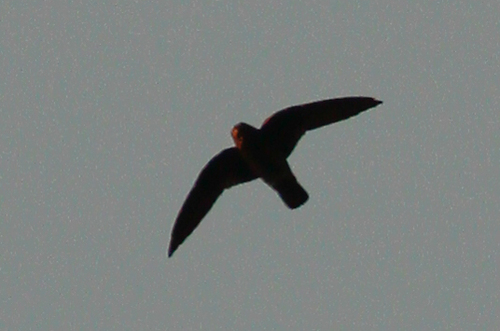
ハイゴシハリオアマツバメ (Chaetura cinereiventris) ハイゴシハリオアマツバメ
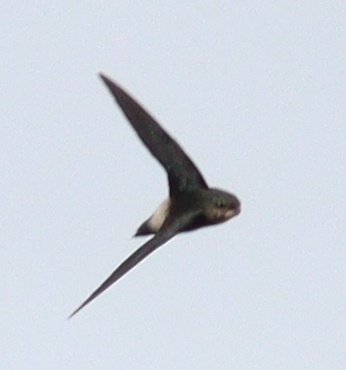
パナマハリオアマツバメ (Chaetura fumosa) パナマハリオアマツバメ

メディア

読み込み中…

要点

ハイゴシハリオアマツバメとパナマハリオアマツバメの最も信頼できるフィールドマークは、飛行中の尾羽と尾羽覆いの色とコントラストです:ハイゴシハリオアマツバメは、暗い上面に対して際立つ広い淡灰色の尾羽を示し、パナマハリオアマツバメは淡い灰色の尾羽を持っていますが、鈍い黒の尾羽覆いがあり、尾羽があまりはっきりと際立って見えません。両者は形が似た小型のChaeturaアマツバメですが、パナマハリオアマツバメは全体的にやや大きく、暗い頭と青光沢のあるすす黒の上面を持っています。幼鳥のハイゴシハリオアマツバメは翼の羽毛に淡い縁取りを示しますが、パナマハリオアマツバメにはこの特徴がありません。両種はコスタリカとパナマで重なって生息しているため、尾羽と尾羽覆いのコントラストに注意を払うことが重要です。

識別のコツ

  1. Focus on the rump in flight: ハイゴシハリオアマツバメは、他の上面に対して際立つ広い淡灰色の尾羽を示します。パナマハリオアマツバメの尾羽も淡いですが、あまりはっきりと際立っておらず、鈍い黒の尾羽覆いがコントラストを減少させます。
  2. Check the undertail coverts: ハイゴシハリオアマツバメでは、尾羽覆いは通常尾羽よりも暗いです(亜種によっては黒いこともあれば淡いこともあります)が、パナマハリオアマツバメの尾羽覆いは常に鈍い黒で、尾と混ざり合っています。
  3. Look for pale wing fringes in juveniles: 幼鳥のハイゴシハリオアマツバメは翼の羽毛に淡い縁取りがあり、微妙に鱗状の外観を作り出しますが、パナマハリオアマツバメの幼鳥にはこの特徴がありません。
  4. Assess head color: パナマハリオアマツバメは、背中よりも光沢が少ない暗い頭を持っており、ハイゴシハリオアマツバメの頭は上面と同じ光沢のある黒です。
  5. Upperparts gloss: パナマハリオアマツバメは、すす黒の上面に青光沢を示すことが多いですが、ハイゴシハリオアマツバメは光沢のある黒で、亜種によっては鋼のような青光沢を持つこともありますが、通常はパナマハリオアマツバメよりも少ないです。
  6. Underparts shade: ハイゴシハリオアマツバメの下部は尾羽よりも明るい灰色で、尾羽覆いはしばしば暗いです。パナマハリオアマツバメの喉と胸は淡い灰色ですが、他の下部はあまりはっきりとしたマークがありません。
  7. Tail shape: 両種は短くて四角い尾を持っています。尾の形は有用な区別にはなりません。
  8. Size: パナマハリオアマツバメはやや大きく(約0.5 cm長い)ですが、これは一緒に見ない限り明らかではありません。
  9. Flight style: 両者は似たような飛行パターンを持っており、迅速で直接的で、翼を硬く保ちながら飛びますので、飛行の印象だけに頼らないでください。
  10. Range context: コスタリカとパナマの外では、淡い尾羽を持つChaeturaアマツバメはほぼ確実にハイゴシハリオアマツバメです。コスタリカとパナマでは両者が生息しているため、注意深い観察が必要です。
  11. Subspecies variation: 一部のハイゴシハリオアマツバメの亜種は、より暗い尾羽や尾羽覆いを持っていますが、広い淡い尾羽は通常保持されています。この特徴を常に確認してください。
  12. Plumage pitfalls: 照明によって尾羽がどれほど淡く見えるかが影響を受けることがあります。最良のコントラストを得るために、良い光の中で下から鳥を見るようにしてください。
  13. Voice: 鳴き声は似ており、区別には信頼できません。
  14. Sex: 両種は性別が同形であり、羽毛やサイズから性別を判断することはできません。
  15. Habitat: 両者は重なり合う地域で似たような生息地を使用するため、生息地だけでは診断できません。

大きさ

ハイゴシハリオアマツバメは平均して約10.5 cm(4.1インチ)の長さで、体重は約17 gですが、パナマハリオアマツバメは約11 cm(4.3インチ)でわずかに大きいです。この違いは微妙で、フィールドで診断できることは稀ですが、パナマハリオアマツバメは並べて見るとややふくよく見えることがあります。両種は短くて四角い尾と、中央で膨らみ、端でフック状になる翼を持つ似たような比率を持っています。

羽色

行動

両種は典型的なChaeturaアマツバメの飛行スタイルを共有しており、迅速で直接的で、しばしば高い空を飛び、速い硬い羽ばたきと少ない滑空を持っています。構造と飛行の印象はほぼ同じであるため、行動だけでは診断できません。両者は煙突や類似の構造に巣を作ることがあり、時には一緒に群れを成して餌を探します。

生息環境

ハイゴシハリオアマツバメは非常に広範囲に分布しており、ホンジュラスから南アメリカのほとんどといくつかのカリブ海の島々で見られます。パナマハリオアマツバメはコスタリカとパナマに限定されています。コスタリカとパナマでは、両種が一緒に生息することがあり、しばしば低地や丘陵の森林や開けた地域で見られます。これらの国の外では、淡い尾羽を持つChaeturaアマツバメはほぼ確実にハイゴシハリオアマツバメです。

声

両種は似たような鳴き声を持っており、短く明るい「ツィップ」という音と、引き伸ばされたやや下向きのバリバリとした呼び声のシリーズがあります。これら二つの間に診断的な声の違いがあるという明確な証拠はないため、鳴き声はフィールドでの信頼できる区別にはなりません。

より良い説明を送る

比較と同じ項目を使ってください。文章はすぐに公開されます。

The most reliable field mark between Grey-rumped Swift and Costa Rican Swift is the color and contrast of the rump and undertail coverts in flight: Grey-rumped Swift shows a broad, pale gray rump that stands out against darker upperparts, while Costa Rican Swift has a paler grayish rump but with dull black uppertail coverts, making the rump appear less cleanly set off. Both are small Chaetura swifts with similar shapes, but Costa Rican Swift is slightly larger and darker overall, with a dusky head and sooty-black upperparts with a blue gloss. Juvenile Grey-rumped Swifts show pale fringes on the wing feathers, which Costa Rican Swift lacks. Both species overlap in Costa Rica and Panama, so careful attention to rump and undertail contrast is key.

  1. Focus on the rump in flight: Grey-rumped Swift shows a broad, pale gray rump that stands out against the rest of the upperparts; Costa Rican Swift's rump is also pale but less sharply set off, and its dull black uppertail coverts reduce the contrast.
  2. Check the undertail coverts: In Grey-rumped Swift, undertail coverts are usually darker than the rump (sometimes black, sometimes pale depending on subspecies), while Costa Rican Swift's are consistently dull black, blending with the tail.
  3. Look for pale wing fringes in juveniles: Juvenile Grey-rumped Swifts have pale edges to wing feathers, creating a subtly scaly look—Costa Rican Swift juveniles do not show this feature.
  4. Assess head color: Costa Rican Swift has a dusky head that is less glossy than the back, while Grey-rumped Swift's head is glossy black like the upperparts.
  5. Upperparts gloss: Costa Rican Swift often shows a blue gloss on sooty-black upperparts; Grey-rumped Swift is glossy black, sometimes with a steely blue gloss in some subspecies, but usually less so than Costa Rican Swift.
  6. Underparts shade: Grey-rumped Swift has lighter gray underparts than the rump, with the undertail coverts often darker; Costa Rican Swift's throat and breast are pale grayish, but the rest of the underparts are not as distinctly marked.
  7. Tail shape: Both species have short, square tails; tail shape is not a useful separator.
  8. Size: Costa Rican Swift is slightly larger (about 0.5 cm longer), but this is rarely obvious unless seen together.
  9. Flight style: Both have similar flight patterns—rapid, direct, and stiff-winged—so do not rely on flight jizz alone.
  10. Range context: Outside Costa Rica and Panama, a Chaetura swift with a pale rump is almost certainly Grey-rumped Swift. In Costa Rica and Panama, both occur, so careful scrutiny is needed.
  11. Subspecies variation: Some Grey-rumped Swift subspecies have darker rumps or undertail coverts, but the broad pale rump is usually retained; always check for this feature.
  12. Plumage pitfalls: Lighting can affect how pale the rump appears; try to view birds in good light and from below for best contrast.
  13. Voice: Calls are similar and not reliable for separation.
  14. Sex: Both species are sexually monomorphic—sex cannot be determined by plumage or size.
  15. Habitat: Both use similar habitats in areas of overlap, so habitat alone is not diagnostic.

Grey-rumped Swift averages about 10.5 cm (4.1 in) in length and weighs around 17 g, while Costa Rican Swift is marginally larger at about 11 cm (4.3 in). The difference is subtle and rarely diagnostic in the field, but Costa Rican Swift may appear slightly bulkier if seen side by side. Both species have similar proportions: short, square tails and wings that bulge in the middle and hook at the end.

  • Juvenile/immature birds: Grey-rumped Swift juveniles have pale fringes on many wing feathers, creating a subtly scaled look in good light—this is not described for Costa Rican Swift, making it a useful mark if seen well.
  • Adults: Both species have a pale gray rump, but in Grey-rumped Swift it is broad and contrasts strongly with glossy black upperparts and darker uppertail coverts. Costa Rican Swift's rump is pale grayish but less sharply defined, and its uppertail coverts are dull black, blending more with the back and tail. The head of Costa Rican Swift is dusky, while Grey-rumped Swift's head is glossy black like the back. Underparts in Grey-rumped Swift are lighter gray than the rump, with darker undertail coverts; Costa Rican Swift has pale grayish throat and breast, but the belly and undertail are not as sharply marked. Subspecies variation in Grey-rumped Swift can affect undertail coverts (sometimes pale, sometimes black), but the broad pale rump remains a key mark.

Both species share the typical Chaetura swift flight style: rapid, direct, and often high overhead, with quick, stiff wingbeats and little gliding. Structure and flight jizz are nearly identical, so behavior alone is not diagnostic. Both may nest in chimneys or similar structures and forage in flocks, sometimes together.

Grey-rumped Swift is much more widespread, found from Honduras south through most of South America and on several Caribbean islands. Costa Rican Swift is restricted to Costa Rica and Panama. In Costa Rica and Panama, both species can occur together, often in lowland and foothill forests and open areas. Outside these countries, any Chaetura swift with a pale rump is almost certainly Grey-rumped Swift.

Both species have similar vocalizations: short, bright 'tsip' notes and series of drawn-out, slightly downslurred burry calls. There is no clear evidence of a diagnostic difference in voice between these two, so vocalizations are not a reliable separator in the field.

変更を破棄しますか?

保存していない編集があります。今離れると失われます。

ハイゴシハリオアマツバメ · パナマハリオアマツバメ · 苦手な鳥