

Gray-rumped Swift vs Costa Rican Swift
Chaetura cinereiventris contro Chaetura fumosa
Fai un quiz con Gray-rumped Swift e Costa Rican Swift
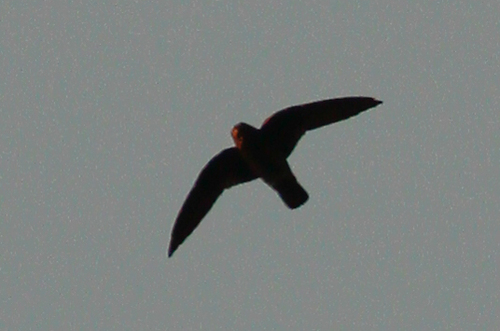 Gray-rumped Swift
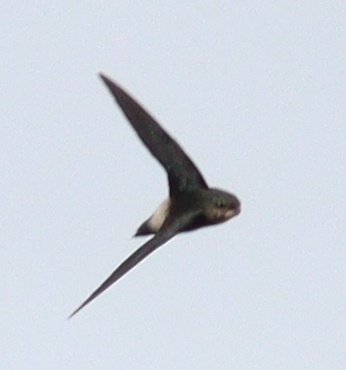 Costa Rican Swift
In breve
Il segno distintivo più affidabile tra il Gray-rumped Swift e il Costa Rican Swift è il colore e il contrasto del sopraccoda e delle copritrici della coda in volo: il Gray-rumped Swift mostra un ampio sopraccoda grigio chiaro che spicca contro le parti superiori più scure, mentre il Costa Rican Swift ha un sopraccoda grigio più chiaro ma con copritrici della coda nere opache, rendendo il sopraccoda meno nettamente definito. Entrambi sono piccoli swift Chaetura con forme simili, ma il Costa Rican Swift è leggermente più grande e più scuro nel complesso, con una testa scura e parti superiori nere fuligginose con una lucentezza blu. I giovani Gray-rumped Swifts mostrano bordi chiari sulle penne alari, che il Costa Rican Swift non ha. Entrambe le specie si sovrappongono in Costa Rica e Panama, quindi prestare attenzione al contrasto tra sopraccoda e copritrici della coda è fondamentale.
Consigli di identificazione
- Focus on the rump in flight: Il Gray-rumped Swift mostra un ampio sopraccoda grigio chiaro che spicca contro il resto delle parti superiori; il sopraccoda del Costa Rican Swift è anch'esso chiaro ma meno nettamente definito, e le sue copritrici della coda nere opache riducono il contrasto.
- Check the undertail coverts: Nel Gray-rumped Swift, le copritrici della coda sono solitamente più scure del sopraccoda (a volte nere, a volte chiare a seconda della sottospecie), mentre quelle del Costa Rican Swift sono costantemente nere opache, fondendosi con la coda.
- Look for pale wing fringes in juveniles: I giovani Gray-rumped Swifts hanno bordi chiari sulle penne alari, creando un aspetto leggermente squamoso—i giovani Costa Rican Swift non mostrano questa caratteristica.
- Assess head color: Il Costa Rican Swift ha una testa scura che è meno lucida rispetto al dorso, mentre la testa del Gray-rumped Swift è nera lucida come le parti superiori.
- Upperparts gloss: Il Costa Rican Swift mostra spesso una lucentezza blu sulle parti superiori nere fuligginose; il Gray-rumped Swift è nero lucido, a volte con una lucentezza blu acciaio in alcune sottospecie, ma di solito meno rispetto al Costa Rican Swift.
- Underparts shade: Il Gray-rumped Swift ha parti inferiori grigie più chiare rispetto al sopraccoda, con le copritrici della coda spesso più scure; la gola e il petto del Costa Rican Swift sono grigio chiaro, ma il resto delle parti inferiori non è così nettamente marcato.
- Tail shape: Entrambe le specie hanno code corte e quadrate; la forma della coda non è un separatore utile.
- Size: Il Costa Rican Swift è leggermente più grande (circa 0.5 cm più lungo), ma questo è raramente ovvio a meno che non siano visti insieme.
- Flight style: Entrambi hanno schemi di volo simili—rapidi, diretti e rigidi—quindi non fare affidamento solo sul comportamento di volo.
- Range context: Fuori dalla Costa Rica e da Panama, uno swift Chaetura con un sopraccoda chiaro è quasi certamente un Gray-rumped Swift. In Costa Rica e Panama, entrambe le specie si trovano, quindi è necessaria un'attenta osservazione.
- Subspecies variation: Alcune sottospecie di Gray-rumped Swift hanno sopraccoda o copritrici della coda più scure, ma l'ampio sopraccoda chiaro è solitamente mantenuto; controlla sempre questa caratteristica.
- Plumage pitfalls: L'illuminazione può influenzare quanto chiaro appare il sopraccoda; cerca di osservare gli uccelli in buona luce e da sotto per il miglior contrasto.
- Voice: I richiami sono simili e non affidabili per la separazione.
- Sex: Entrambe le specie sono sessualmente monomorfiche—il sesso non può essere determinato dalla livrea o dalle dimensioni.
- Habitat: Entrambe utilizzano habitat simili nelle aree di sovrapposizione, quindi l'habitat da solo non è diagnostico.
Taglia
Il Gray-rumped Swift misura in media circa 10.5 cm (4.1 in) di lunghezza e pesa circa 17 g, mentre il Costa Rican Swift è marginalmente più grande a circa 11 cm (4.3 in). La differenza è sottile e raramente diagnostica sul campo, ma il Costa Rican Swift può apparire leggermente più robusto se visto fianco a fianco. Entrambe le specie hanno proporzioni simili: code corte e quadrate e ali che si gonfiano a metà e si incurvano alla fine.
Piumaggio
- Juvenile/immature birds: I giovani Gray-rumped Swift hanno bordi chiari su molte penne alari, creando un aspetto leggermente squamoso in buona luce—questo non è descritto per il Costa Rican Swift, rendendolo un segno utile se visto bene.
- Adults: Entrambe le specie hanno un sopraccoda grigio chiaro, ma nel Gray-rumped Swift è ampio e contrasta fortemente con le parti superiori nere lucide e le copritrici della coda più scure. Il sopraccoda del Costa Rican Swift è grigio chiaro ma meno nettamente definito, e le sue copritrici della coda sono nere opache, fondendosi di più con il dorso e la coda. La testa del Costa Rican Swift è scura, mentre la testa del Gray-rumped Swift è nera lucida come il dorso. Le parti inferiori nel Gray-rumped Swift sono grigie più chiare rispetto al sopraccoda, con copritrici della coda più scure; il Costa Rican Swift ha gola e petto grigio chiaro, ma la pancia e la coda non sono così nettamente marcate. La variazione delle sottospecie nel Gray-rumped Swift può influenzare le copritrici della coda (a volte chiare, a volte nere), ma l'ampio sopraccoda chiaro rimane un segno chiave.
Comportamento
Entrambe le specie condividono lo stile di volo tipico degli swift Chaetura: rapido, diretto e spesso in alto, con battiti d'ala rapidi e rigidi e poco planare. La struttura e il comportamento di volo sono quasi identici, quindi il comportamento da solo non è diagnostico. Entrambi possono nidificare in camini o strutture simili e foraggiare in gruppi, a volte insieme.
Habitat
Il Gray-rumped Swift è molto più diffuso, trovato dall'Honduras a sud attraverso la maggior parte del Sud America e su diverse isole dei Caraibi. Il Costa Rican Swift è limitato alla Costa Rica e a Panama. In Costa Rica e Panama, entrambe le specie possono verificarsi insieme, spesso in foreste di pianura e colline e in aree aperte. Fuori da questi paesi, qualsiasi swift Chaetura con un sopraccoda chiaro è quasi certamente un Gray-rumped Swift.
Voce
Entrambe le specie hanno vocalizzazioni simili: note brevi e brillanti 'tsip' e serie di richiami prolungati, leggermente discendenti e ronzanti. Non ci sono prove chiare di una differenza diagnostica nella voce tra questi due, quindi le vocalizzazioni non sono un separatore affidabile sul campo.
Gray-rumped Swift · Costa Rican Swift · I miei uccelli difficili