

Motmot

ヨーロッパヤマウズラ 対 ハイイロイワシャコ

Perdix perdix 対 Alectoris graeca

ヨーロッパヤマウズラとハイイロイワシャコのクイズ
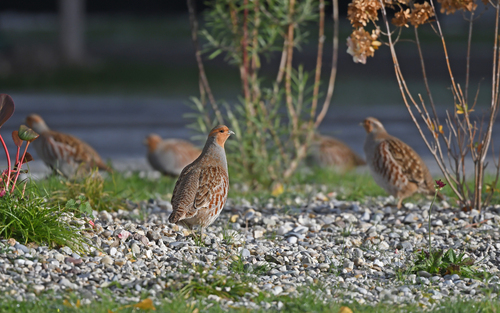
ヨーロッパヤマウズラ (Perdix perdix) ヨーロッパヤマウズラ
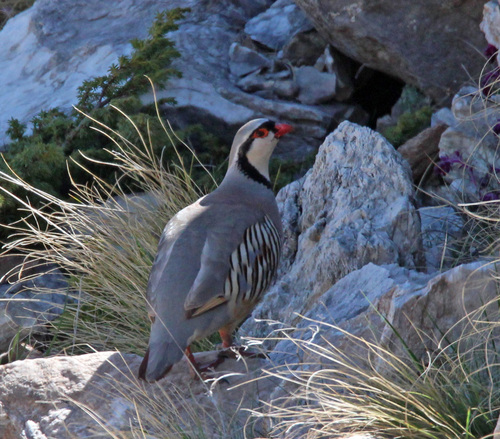
ハイイロイワシャコ (Alectoris graeca) ハイイロイワシャコ

メディア

読み込み中…

要点

グレー・パートリッジとロック・パートリッジを区別する最も信頼できるフィールドマークは、ロック・パートリッジに見られるはっきりとした黒いゴルゲットと白い顔の存在です。対して、グレー・パートリッジは地味なオレンジバフの顔と暗い喉の斑点がありません。幼鳥のグレー・パートリッジは主に黄色がかった茶色で、大人のようなはっきりした顔や腹部の模様が欠けていますが、ロック・パートリッジの幼鳥はすぐに対照的な顔の模様を示します。飛行中、両種は丸い翼を持ち、短い距離しか飛ばず、グレー・パートリッジは上昇する際に特徴的な「リック・リック・リック」と呼ぶことがよくあります。ロック・パートリッジはグレー・パートリッジよりもかなり重く、がっしりとした体型をしており、並べて見るとその違いが明らかです。

識別のコツ

  1. Face Pattern (All Ages): ロック・パートリッジは常に若鳥でもはっきりとした黒いゴルゲット(喉の斑点)を持つ印象的な白い顔を示します。グレー・パートリッジはどの年齢でも黒い喉の斑点がない地味なオレンジバフの顔を持っています。
  2. Juvenile Plumage: 幼鳥のグレー・パートリッジは全体的に黄色がかった茶色で、強い顔や腹部の模様が欠けていますが、幼鳥のロック・パートリッジはすぐに対照的な顔とゴルゲットを発達させます。
  3. Belly Patch (Adults): 大人のグレー・パートリッジは暗い馬蹄形の腹部の斑点を持ち、オスの方が大きいです。ロック・パートリッジはこの特徴が全くありません。
  4. Flank Pattern: ロック・パートリッジは赤褐色の縞模様のある腹部を持ち、グレー・パートリッジにはありません。
  5. Back Color: グレー・パートリッジは茶色の背中を持ち、ロック・パートリッジの背中は灰色がかっています。特にイワシャコと比較すると顕著です。
  6. Underparts: グレー・パートリッジは灰色の胸と地味なバフの腹部を示しますが、ロック・パートリッジは灰色の胸とバフの腹部を持ち、はっきりした顔とゴルゲットが印象を支配します。
  7. Size and Bulk: ロック・パートリッジはグレー・パートリッジ(通常320–455 g)よりもはるかに重く、がっしりとした体型(600 g以上)をしています。これは直接比較や経験で明らかになります。
  8. Flight Behavior: 両種は丸い翼で短い距離を飛びますが、グレー・パートリッジは上昇する際に「リック・リック・リック」と呼ぶことが多いのに対し、ロック・パートリッジは静かで走ることを好みます。
  9. Voice: グレー・パートリッジの厳しい単純な呼び声と、ロック・パートリッジの複雑でおしゃべりな「ガー・ガー・ガー・ガー・チャケラ」を聞き分けてください。
  10. Habitat: グレー・パートリッジはほぼ常に低地の農地や草地にいますが、ロック・パートリッジは岩の多い丘や山岳地帯に関連しています。
  11. Sex Differences: 両性は似ていますが、雌のグレー・パートリッジはやや地味で、腹部の斑点が小さいです。これは遠くからは役に立ちません。
  12. 'Cross of Lorraine' (In Hand): 雌のグレー・パートリッジは16週間後に二つの横のバーを持ちますが、これはフィールドでは見えません。
  13. Confusion with イワシャコ: ロック・パートリッジはイワシャコに非常に似ていますが、グレー・パートリッジと比較すると、顔とゴルゲットは常に診断的です。
  14. Seasonal Variation: 両種の羽毛には季節的な変化はほとんどありません。年齢に関連する違い(特にグレー・パートリッジの幼鳥)がより重要です。
  15. Pitfalls: 全体的な茶色や灰色のトーンに頼らないでください。両者は暗い光の中で似たように見えることがあります。自信を持って識別するためには、常に顔の模様とゴルゲットを探してください。

大きさ

ロック・パートリッジはグレー・パートリッジよりもかなり大きく、重いです。ロック・パートリッジの平均体重は約632.5 gで、グレー・パートリッジは通常320–455 g(いくつかの亜種は600 gに達することもあります)です。両種は似たように丸みを帯びていますが、ロック・パートリッジはフィールドでよりがっしりとした印象を与えます。長さと翼幅はグレー・パートリッジ(29–31 cm、翼幅45–48 cm)のみで利用可能ですが、ロック・パートリッジのより大きな質量は通常、直接比較で明らかです。

羽色

行動

両種は地上に生息するゲームバードで、動かされると走ることを好み、必要に応じて丸い翼で短い距離しか飛びません。グレー・パートリッジは騒がしい呼び声で飛び立つ可能性が高いですが、ロック・パートリッジは丘を上がって走る傾向があり、最後の手段としてのみ飛び立ちます。飛行中、両者は迅速で羽音を立て、すぐにカバーに戻ります。体型の違いは飛行中に明らかになることがあり、ロック・パートリッジはより重く、がっしりとした印象を与えます。

生息環境

グレー・パートリッジは通常、低地の農地、草地、そして畑の端に見られ、特に穀物作物のある地域で見られます。一方、ロック・パートリッジは南ヨーロッパに生息し、岩の多い丘、開けた山の斜面、そして茂みの多い地形を好みます。両者は開けた国に見られることがありますが、岩の多いまたは山岳地帯の存在はロック・パートリッジを強く支持し、農業または低地の環境はグレー・パートリッジにより典型的です。

声

グレー・パートリッジは厳しい高音の「キエール・リック」を出し、飛び立つときには繰り返し「リック・リック・リック」と呼びます。ロック・パートリッジは「ガー・ガー・ガー・ガー・チャケラ・チャケラ・チャケラ」と表現される、はるかに複雑で騒がしい歌を持っています。これらの声は非常に異なり、グレー・パートリッジの単純で厳しい呼び声は、ロック・パートリッジのより elaborateなフレーズと混同されることはないでしょう。

より良い説明を送る

比較と同じ項目を使ってください。文章はすぐに公開されます。

The most reliable field mark to separate Grey Partridge from Rock Partridge is the presence of a sharply defined black gorget and white face on Rock Partridge, versus the plain, orange-buff face and lack of a dark throat patch on Grey Partridge. Juvenile Grey Partridges are mostly yellow-brown and lack the bold face and underpart markings of adults, while Rock Partridge juveniles quickly show the contrasting face pattern. In flight, both species have rounded wings and fly only short distances, but Grey Partridge often calls with a distinctive 'rick rick rick' as it rises. Rock Partridge is substantially heavier and bulkier than Grey Partridge, which can be apparent when seen side by side.

  1. Face Pattern (All Ages): Rock Partridge always shows a striking white face with a sharply defined black gorget (throat patch), even in young birds. Grey Partridge has a plain orange-buff face with no black throat patch at any age.
  2. Juvenile Plumage: Juvenile Grey Partridges are overall yellow-brown and lack any strong facial or underpart markings, while juvenile Rock Partridges quickly develop the contrasting face and gorget.
  3. Belly Patch (Adults): Adult Grey Partridges have a dark horseshoe-shaped belly patch, larger in males; Rock Partridge lacks this feature entirely.
  4. Flank Pattern: Rock Partridge has rufous-streaked flanks, which are absent in Grey Partridge.
  5. Back Color: Grey Partridge has a brown back, while Rock Partridge's back is greyer, especially compared to the similar Chukar.
  6. Underparts: Grey Partridge shows a grey breast and plain buff underparts; Rock Partridge has a grey breast and buff belly, but the bold face and gorget dominate the impression.
  7. Size and Bulk: Rock Partridge is much heavier and bulkier (over 600 g) than Grey Partridge (typically 320–455 g), which can be apparent in direct comparison or with experience.
  8. Flight Behavior: Both species fly short distances on rounded wings, but Grey Partridge often calls 'rick rick rick' as it flushes, while Rock Partridge is quieter and prefers to run.
  9. Voice: Listen for the harsh, simple calls of Grey Partridge versus the complex, chattering 'ga-ga-ga-ga-chakera' of Rock Partridge.
  10. Habitat: Grey Partridge is almost always in lowland farmland or grassland, while Rock Partridge is associated with rocky hillsides and mountainous terrain.
  11. Sex Differences: Both sexes are similar in both species, but female Grey Partridges are slightly duller and have a smaller belly patch; this is not useful at distance.
  12. 'Cross of Lorraine' (In Hand): Female Grey Partridges have two transverse bars on the tertiary coverts after 16 weeks, but this is not visible in the field.
  13. Confusion with Chukar: Rock Partridge is very similar to Chukar, but compared to Grey Partridge, the face and gorget are always diagnostic.
  14. Seasonal Variation: There is little seasonal change in plumage for either species; age-related differences (especially in Grey Partridge juveniles) are more important.
  15. Pitfalls: Do not rely on overall brown or grey tones, as both can appear similar in poor light; always look for the face pattern and gorget for a confident identification.

Rock Partridge is significantly larger and heavier than Grey Partridge. Rock Partridge averages around 632.5 g in body mass [wikidata], while Grey Partridge typically weighs between 320–455 g (with some subspecies reaching up to 600 g) [wikipedia]. Both species are similarly rotund, but Rock Partridge appears bulkier and more robust in the field. Length and wingspan are only available for Grey Partridge (29–31 cm long, 45–48 cm wingspan), but Rock Partridge's greater mass is usually evident in direct comparison.

  • Juveniles/Immatures: Juvenile Grey Partridges are mostly yellow-brown overall and lack the distinctive face and underpart markings of adults. This plainness can make them confusing, but they never show the bold black-and-white facial pattern or gorget of Rock Partridge at any age. Juvenile Rock Partridges, while less crisply marked than adults, develop the contrasting white face and black throat patch early, making this a key separation point even in young birds.
  • Adults: Adult Grey Partridges have a plain orange-buff face, grey breast, and a brown back. Both sexes are similar, but females are duller and have a smaller dark belly patch. The 'cross of Lorraine' (two transverse bars on the tertiary coverts) is present in females after about 16 weeks, but this is only visible in the hand. Adult Rock Partridges have a grey back, white face with a sharply defined black gorget, and rufous-streaked flanks. Their underparts are buff, and the breast is grey. The face pattern and gorget are the most obvious field marks. Both species have rounded wings and similar flight silhouettes, but the plumage differences are striking when seen well.

Both species are ground-dwelling gamebirds that prefer to run when disturbed, only flying short distances on rounded wings if necessary. Grey Partridge is more likely to flush with a noisy call, while Rock Partridge tends to run uphill and only take flight as a last resort. In flight, both show rapid, whirring wingbeats and drop quickly back to cover. The difference in bulk may be apparent in flight, with Rock Partridge appearing heavier and more robust.

Grey Partridge is typically found in lowland farmland, grasslands, and field edges, especially in areas with cereal crops. Rock Partridge, by contrast, is native to southern Europe and favors rocky hillsides, open mountain slopes, and scrubby terrain. While both can be found in open country, the presence of rocky or mountainous habitat strongly favors Rock Partridge, whereas agricultural or lowland settings are more typical for Grey Partridge.

Grey Partridge gives a harsh, high-pitched 'kieerr-ik' and, when flushed, a repeated 'rick rick rick.' Rock Partridge has a much more complex and noisy song, described as 'ga-ga-ga-ga-chakera-chakera-chakera.' These vocalizations are quite different, and the simpler, harsher calls of Grey Partridge are unlikely to be confused with the more elaborate phrases of Rock Partridge.

変更を破棄しますか?

保存していない編集があります。今離れると失われます。

ヨーロッパヤマウズラ · ハイイロイワシャコ · 苦手な鳥