

Starna vs Coturnice
Perdix perdix contro Alectoris graeca
Fai un quiz con Starna e Coturnice
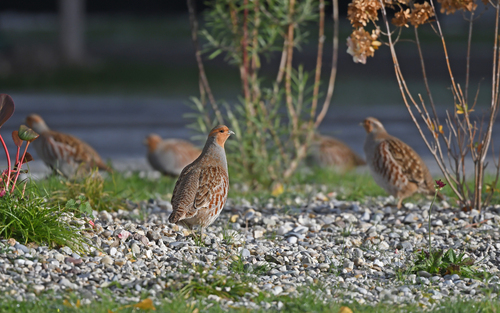 Starna
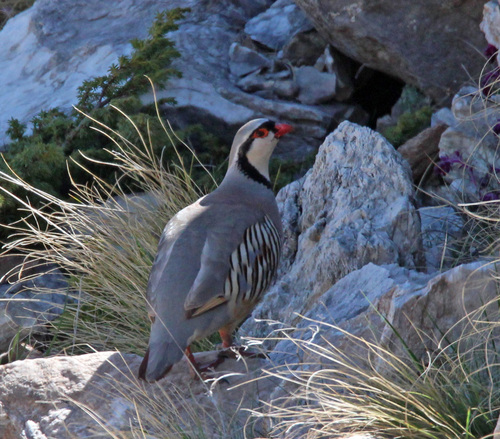 Coturnice
In breve
Il segno di campo più affidabile per separare la Starna dalla Coturnice è la presenza di un gorget nero ben definito e di un volto bianco sulla Coturnice, rispetto al volto arancione-buff e alla mancanza di una macchia scura sulla gola nella Starna. Le Starne juvenile sono per lo più giallo-marroni e mancano dei marcatori audaci del volto e delle parti inferiori degli adulti, mentre le juvenile Coturnici mostrano rapidamente il contrastante schema del volto. In volo, entrambe le specie hanno ali arrotondate e volano solo per brevi distanze, ma la Starna chiama spesso con un distintivo 'rick rick rick' mentre si alza. La Coturnice è sostanzialmente più pesante e robusta rispetto alla Starna, il che può essere evidente quando viste fianco a fianco.
Consigli di identificazione
- Face Pattern (All Ages): La Coturnice mostra sempre un volto bianco sorprendente con un gorget nero ben definito (macchia sulla gola), anche nei giovani. La Starna ha un volto arancione-buff semplice senza macchia scura sulla gola a qualsiasi età.
- Juvenile Plumage: Le Starne juvenile sono complessivamente giallo-marroni e mancano di marcatori facciali o delle parti inferiori forti, mentre le juvenile Coturnici sviluppano rapidamente il volto e il gorget contrastanti.
- Belly Patch (Adults): Le Starne adulte hanno una macchia scura a forma di ferro di cavallo, più grande nei maschi; la Coturnice manca completamente di questa caratteristica.
- Flank Pattern: La Coturnice ha fianchi striati di ruggine, che sono assenti nella Starna.
- Back Color: La Starna ha un dorso marrone, mentre il dorso della Coturnice è più grigio, specialmente rispetto alla simile Coturnice orientale.
- Underparts: La Starna mostra un petto grigio e parti inferiori semplici di buff; la Coturnice ha un petto grigio e una pancia di buff, ma il volto audace e il gorget dominano l'impressione.
- Size and Bulk: La Coturnice è molto più pesante e robusta (oltre 600 g) rispetto alla Starna (tipicamente 320–455 g), il che può essere evidente in un confronto diretto o con esperienza.
- Flight Behavior: Entrambe le specie volano per brevi distanze con ali arrotondate, ma la Starna chiama spesso 'rick rick rick' mentre si alza, mentre la Coturnice è più silenziosa e preferisce correre.
- Voice: Ascolta le chiamate dure e semplici della Starna rispetto al complesso, chiacchieroso 'ga-ga-ga-ga-chakera' della Coturnice.
- Habitat: La Starna si trova quasi sempre in terreni agricoli o praterie di pianura, mentre la Coturnice è associata a pendii rocciosi e terreni montuosi.
- Sex Differences: Entrambi i sessi sono simili in entrambe le specie, ma le femmine di Starna sono leggermente più opache e hanno una macchia addominale più piccola; questo non è utile a distanza.
- 'Cross of Lorraine' (In Hand): Le femmine di Starna hanno due barre trasversali sulle copritrici terziarie dopo 16 settimane, ma questo non è visibile sul campo.
- Confusion with Coturnice orientale: La Coturnice è molto simile alla Coturnice orientale, ma rispetto alla Starna, il volto e il gorget sono sempre diagnostici.
- Seasonal Variation: Ci sono poche variazioni stagionali nel piumaggio per entrambe le specie; le differenze legate all'età (specialmente nelle juvenile di Starna) sono più importanti.
- Pitfalls: Non fare affidamento su toni complessivi marroni o grigi, poiché entrambi possono apparire simili in scarsa luce; cerca sempre il pattern del volto e il gorget per un'identificazione sicura.
Taglia
La Coturnice è significativamente più grande e pesante rispetto alla Starna. La Coturnice pesa in media circa 632,5 g in massa corporea [wikidata], mentre la Starna pesa tipicamente tra 320–455 g (con alcune sottospecie che raggiungono fino a 600 g) [wikipedia]. Entrambe le specie sono simili nella rotondità, ma la Coturnice appare più robusta e massiccia sul campo. La lunghezza e l'apertura alare sono disponibili solo per la Starna (lunghezza 29–31 cm, apertura alare 45–48 cm), ma la maggiore massa della Coturnice è solitamente evidente in un confronto diretto.
Piumaggio
- Juveniles/Immatures: Le Starne juvenile sono per lo più giallo-marroni e mancano dei distintivi marcatori del volto e delle parti inferiori degli adulti. Questa semplicità può renderle confuse, ma non mostrano mai il marcato pattern facciale bianco e nero o il gorget della Coturnice a qualsiasi età. Le juvenile Coturnici, sebbene meno marcate rispetto agli adulti, sviluppano presto il volto bianco contrastante e la macchia scura sulla gola, rendendo questo un punto chiave di separazione anche nei giovani.
- Adults: Le Starne adulte hanno un volto arancione-buff semplice, un petto grigio e un dorso marrone. Entrambi i sessi sono simili, ma le femmine sono più opache e hanno una macchia addominale scura più piccola. Il 'cross of Lorraine' (due barre trasversali sulle copritrici terziarie) è presente nelle femmine dopo circa 16 settimane, ma questo è visibile solo a mano. Le Coturnici adulte hanno un dorso grigio, un volto bianco con un gorget nero ben definito e fianchi striati di ruggine. Le loro parti inferiori sono di buff e il petto è grigio. Il pattern del volto e il gorget sono i segni di campo più evidenti. Entrambe le specie hanno ali arrotondate e silhouette di volo simili, ma le differenze nel piumaggio sono sorprendenti quando viste bene.
Comportamento
Entrambe le specie sono uccelli da caccia terrestri che preferiscono correre quando disturbati, volando solo per brevi distanze con ali arrotondate se necessario. La Starna è più propensa a decollare con una chiamata rumorosa, mentre la Coturnice tende a correre in salita e a volare solo come ultima risorsa. In volo, entrambe mostrano battiti d'ali rapidi e fruscianti e tornano rapidamente a coprirsi. La differenza di massa può essere evidente in volo, con la Coturnice che appare più pesante e robusta.
Habitat
La Starna si trova tipicamente in terreni agricoli di pianura, praterie e bordi dei campi, specialmente in aree con coltivazioni di cereali. La Coturnice, al contrario, è nativa dell'Europa meridionale e favorisce pendii rocciosi, pendii montani aperti e terreni cespugliosi. Sebbene entrambe possano essere trovate in campagna aperta, la presenza di habitat rocciosi o montuosi favorisce fortemente la Coturnice, mentre ambienti agricoli o di pianura sono più tipici per la Starna.
Voce
La Starna emette un 'kieerr-ik' duro e acuto e, quando si alza, un ripetuto 'rick rick rick.' La Coturnice ha un canto molto più complesso e rumoroso, descritto come 'ga-ga-ga-ga-chakera-chakera-chakera.' Queste vocalizzazioni sono abbastanza diverse, e le chiamate più semplici e dure della Starna sono poco probabili da confondere con le frasi più elaborate della Coturnice.