

Motmot

ハイイロタイランチョウ 対 マミジロミツドリ

Tyrannus dominicensis 対 Coereba flaveola

ハイイロタイランチョウとマミジロミツドリのクイズ
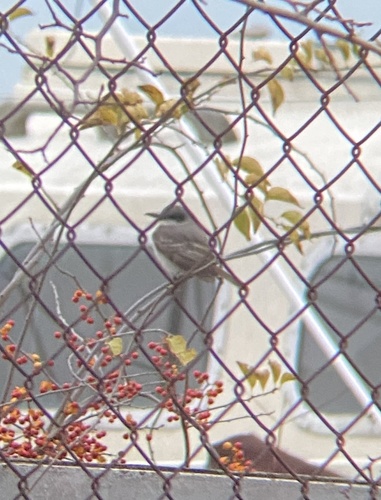
ハイイロタイランチョウ (Tyrannus dominicensis) ハイイロタイランチョウ
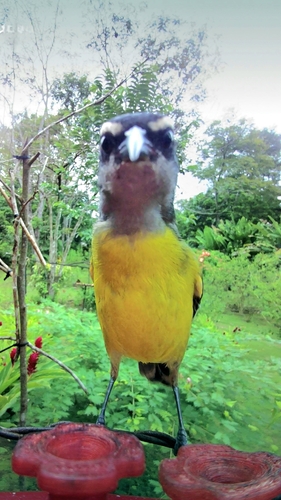
マミジロミツドリ (Coereba flaveola) マミジロミツドリ

メディア

読み込み中…

要点

ハイイロタイランチョウとマミジロミツドリを区別する最も信頼できる方法は、全体のサイズと構造です:ハイイロタイランチョウは大きくて頑丈なフライキャッチャーで、重くてまっすぐなくちばしを持っていますが、マミジロミツドリは小さくて活発な蜜を吸う鳥で、細くて強く曲がったくちばしを持っています。未熟なハイイロタイランチョウは翼と尾に赤褐色の縁を示すことがありますが、若い鳥でもどのマミジロミツドリよりもはるかに大きくてずんぐりしています。飛んでいるときや止まっているときに、ハイイロタイランチョウの灰色の上面、白い下面、暗いマスクと、マミジロミツドリの暗い上面、大胆な白いアイストライプ、黄色い下面に注目してください。くちばしの形状と採餌行動も、現場で瞬時に異なります。

識別のコツ

  1. Size is the fastest separator: ハイイロタイランチョウはマミジロミツドリの約2倍の長さで、重さも何倍もあります。もしその鳥がスズメサイズかそれ以下に見えるなら、それはハイイロタイランチョウではありません。
  2. Bill shape: ハイイロタイランチョウは昆虫を捕まえるのに適した厚くてまっすぐな暗いくちばしを持っています;マミジロミツドリは蜜を吸うために適応した細くて強く曲がったくちばしを持っています。くちばしの形状は遠くからでも見えます。
  3. Wing and tail structure: ハイイロタイランチョウは長くて広い翼と長くてまっすぐな尾を持っています;マミジロミツドリの翼と尾は短くて丸いです。飛んでいるとき、ハイイロタイランチョウは力強く直接的に見えますが、マミジロミツドリはひらひらしていて弱々しいです。
  4. Juvenile marks: 若いハイイロタイランチョウは翼覆い、尾、そして尾に赤褐色の縁を持っています。マミジロミツドリの幼鳥は大人の duller バージョンで、赤褐色のトーンやハイイロタイランチョウのような模様はありません。
  5. Facial pattern: ハイイロタイランチョウは目を通して暗いマスクを示し、平坦な灰色の冠(隠れた黄色の冠ストライプ付き)を持っています。マミジロミツドリは常に大胆な白いアイストライプと黒っぽい冠を持ち、ハイイロタイランチョウとは非常に異なる印象的な「マスク」された外観を与えます。
  6. Underparts: ハイイロタイランチョウは下が白で、灰色がかった胸を持っています;マミジロミツドリは黄色の胸、腹、尾を持ち、亜種によっては白または灰色の喉を持つことがあります。ハイイロタイランチョウは黄色の下面を示しません。
  7. Upperparts: ハイイロタイランチョウは上面が灰色で、翼と尾は赤褐色です;マミジロミツドリは上面が暗い灰色から黒っぽい色で、いくつかの島の亜種ではほぼ黒に見えることがあります。
  8. Behavior: ハイイロタイランチョウはワイヤーや露出した枝に直立して止まり、しばしば昆虫を捕まえるために飛び出します。マミジロミツドリは常に動き、花を探り、長い間オープンに止まることはほとんどありません。
  9. Feeding: ハイイロタイランチョウは飛んでいるときや止まっているときに昆虫を捕まえます;マミジロミツドリは蜜や果物を食べ、花や砂糖のフィーダーでよく見られます。
  10. Habitat context: 庭や人間の居住地の近くでは、マミジロミツドリが見られる可能性が高く、特に花やフィーダーで見られる場合です。ハイイロタイランチョウは開けた場所や目立つ止まり木を好みます。
  11. Aggression: ハイイロタイランチョウは大きな鳥を追いかけたり、積極的にテリトリーを守ったりすることがあります;マミジロミツドリは他の鳥に対して攻撃的ではありません。
  12. Tail movement: ハイイロタイランチョウは興奮したときに尾を振ったり扇形に広げたりすることがあります;マミジロミツドリはこの行動を示しません。
  13. Voice: 大きくて転がるようなトリル(「ピピリ、ピピリ」)が聞こえたら、それはハイイロタイランチョウです。マミジロミツドリの鳴き声はここでは説明されていません。
  14. Sexes similar: 両種は性的二形性がほとんどないため、これらの特徴はオスとメスの両方に適用されます。
  15. Subspecies variation in マミジロミツドリ: 一部のマミジロミツドリの亜種は喉が淡い色やより黒っぽい羽毛を持っていますが、すべてが白いアイストライプと黄色い腹を保持しており、ハイイロタイランチョウの模様には決して一致しません。

大きさ

ハイイロタイランチョウは劇的に大きく、体重は平均約43.8g、長さは23cmです [wikidata, wikipedia]。マミジロミツドリははるかに小さく、体重は5.5gから19g、長さは10〜13cmです [wikipedia]。未熟なハイイロタイランチョウでさえ、最大のマミジロミツドリを圧倒します。ハイイロタイランチョウの体格、長い尾、重いくちばしは一目で明らかですが、マミジロミツドリは短い尾と細い体を持つ小さくて繊細な鳥です。

羽色

未熟なハイイロタイランチョウは翼覆い、尾、そして尾に赤褐色の縁を持っていますが、これはマミジロミツドリのどの年齢にも見られない特徴です。成鳥のハイイロタイランチョウは上面が灰色で、翼と尾は赤褐色、下面は白、灰色がかった胸、目を通して暗いマスクを持っています;彼らはめったに見えない隠れた黄色の冠ストライプを持っています。年齢に関係なく、マミジロミツドリは暗い灰色から黒っぽい上面、黒い冠と頭の側面、目立つ白いアイストライプ、そして黄色い下面(胸、腹、尾)を持っています。幼鳥のマミジロミツドリは鈍い色合いで、部分的に黄色の眉と喉を持っていますが、ハイイロタイランチョウのマスクや灰色/白の下面の模様を示すことはありません。マミジロミツドリの亜種の変異は喉と胸の色に影響を与えることがありますが、白いアイストライプと黄色い腹は独特のままです。飛んでいるとき、ハイイロタイランチョウの広い翼と長い尾は、マミジロミツドリの短くて丸い翼と短い尾と対照的です。

行動

ハイイロタイランチョウは積極的で、露出した止まり木から昆虫を捕まえるために飛び出す姿がよく見られ、はるかに大きな鳥を攻撃的に襲うこともあります。彼らは直立して静止し、獲物を探します。マミジロミツドリは落ち着きがなく、常に葉の間を動き回り、花を探って蜜を吸い、長い間静止することはほとんどありません。彼らはハチドリのようにホバリングすることができず、餌を取るためには止まる必要があります。マミジロミツドリは人間の周りで非常におとなしく、砂糖や果物のためにフィーダーを訪れることがよくあります。

生息環境

両種は開けたまたは半開けた生息地、特にカリブ海の庭や公園で見られます。しかし、ハイイロタイランチョウはより開けた場所や目立つ止まり木を好むのに対し、マミジロミツドリはより茂みのあるエッジ、庭、花の間で見られることが多いです。マミジロミツドリは密な森林や高地には存在せず、人間の居住地に近い場所、特に花や砂糖が利用可能な場所で見られる可能性が高いです。

声

ハイイロタイランチョウは大きくて転がるようなトリルを出します:'ピピリ、ピピリ'、これは多くの地元の名前の基礎となっています。マミジロミツドリの鳴き声は提供されたメモには記載されていないため、この情報に基づいて声は信頼できる区別にはなりません。

より良い説明を送る

比較と同じ項目を使ってください。文章はすぐに公開されます。

The most reliable way to separate Grey Kingbird from Bananaquit is by overall size and structure: Grey Kingbird is a large, robust flycatcher with a heavy, straight bill, while Bananaquit is a tiny, active nectar-feeder with a slender, strongly curved bill. Immature Grey Kingbirds may show rufous edges on the wings and tail, but even young birds are much larger and bulkier than any Bananaquit. In flight or perched, note the kingbird's gray upperparts, white underparts, and dark mask versus the bananaquit's dark upperparts, bold white eyestripe, and yellow underparts. Bill shape and feeding behavior are also instantly different in the field.

  1. Size is the fastest separator: Grey Kingbird is about twice as long and many times heavier than Bananaquit. If the bird looks sparrow-sized or smaller, it's not a kingbird.
  2. Bill shape: Grey Kingbird has a thick, straight, dark bill suited for catching insects; Bananaquit has a slender, strongly curved bill adapted for nectar feeding. Bill shape is visible even at a distance.
  3. Wing and tail structure: Kingbird has long, broad wings and a long, straight tail; Bananaquit's wings and tail are short and rounded. In flight, kingbird appears powerful and direct, while bananaquit is fluttery and weak.
  4. Juvenile marks: Young Grey Kingbirds have rufous edges on wing coverts, rump, and tail. Bananaquit juveniles are just duller versions of adults, lacking rufous tones or kingbird-like patterning.
  5. Facial pattern: Grey Kingbird shows a dusky mask through the eye and a plain gray crown (with a hidden yellow crown stripe). Bananaquit always has a bold white eyestripe and blackish crown, giving a striking 'masked' look that is very different from the kingbird's.
  6. Underparts: Kingbird is white below with a grayish chest; Bananaquit has a yellow chest, belly, and rump, sometimes with a white or gray throat depending on subspecies. No kingbird shows yellow underparts.
  7. Upperparts: Kingbird is gray above with brownish wings and tail; Bananaquit is dark gray to blackish above, sometimes nearly black in some island subspecies.
  8. Behavior: Kingbird perches upright on wires or exposed branches, often sallying for insects. Bananaquit is constantly moving, probing flowers, and rarely perches in the open for long.
  9. Feeding: Kingbird catches insects in flight or from perches; Bananaquit feeds on nectar and fruit, often seen at flowers or sugar feeders.
  10. Habitat context: In gardens or near human habitation, Bananaquit is more likely, especially if seen at flowers or feeders. Kingbird prefers open areas and prominent perches.
  11. Aggression: Kingbird may be seen chasing larger birds or aggressively defending territory; Bananaquit is not aggressive toward other birds.
  12. Tail movement: Kingbird may flick or fan its tail when agitated; Bananaquit does not show this behavior.
  13. Voice: If you hear a loud, rolling trill ('pipiri, pipiri'), it's Grey Kingbird. Bananaquit's call is not described here.
  14. Sexes similar: Both species show little sexual dimorphism, so these marks work for both males and females.
  15. Subspecies variation in Bananaquit: Some Bananaquit subspecies have paler throats or more blackish plumage, but all retain the white eyestripe and yellow belly, never matching the kingbird's pattern.

Grey Kingbird is dramatically larger, averaging about 43.8 g in body mass and 23 cm in length [wikidata, wikipedia]. Bananaquit is much smaller, ranging from 5.5 to 19 g and 10–13 cm in length [wikipedia]. Even a juvenile Grey Kingbird dwarfs the largest Bananaquit. The kingbird's bulk, long tail, and heavy bill are obvious at a glance, while Bananaquit is a tiny, delicate bird with a short tail and slender body.

Juvenile Grey Kingbirds show rufous edges on the wing coverts, rump, and tail, a feature not present in Bananaquit at any age. Adult Grey Kingbirds are gray above with brownish wings and tail, white underparts, a gray-tinged chest, and a dusky mask through the eye; they have a concealed yellow crown stripe that is rarely visible. Bananaquits, regardless of age, have dark gray to blackish upperparts, a black crown and sides of the head, a prominent white eyestripe, and yellow underparts (chest, belly, and rump). Juvenile Bananaquits are duller, with partially yellow eyebrows and throat, but never show the kingbird's mask or gray/white underpart pattern. Subspecies variation in Bananaquit can affect throat and chest color, but the white eyestripe and yellow belly remain distinctive. In flight, the kingbird's broad wings and long tail contrast with the bananaquit's short, rounded wings and short tail.

Grey Kingbirds are assertive, often seen sallying from exposed perches to catch insects, and will aggressively mob much larger birds. They perch upright and still, scanning for prey. Bananaquits are restless, constantly moving through foliage, probing flowers for nectar, and rarely sitting still for long. They cannot hover like hummingbirds and must perch to feed. Bananaquits are also notably tame around humans and often visit feeders for sugar or fruit.

Both species can be found in open or semi-open habitats, including gardens and parks, especially in the Caribbean. However, Grey Kingbird prefers more open areas and prominent perches, while Bananaquit is more often found in shrubby edges, gardens, and among flowering plants. Bananaquit is absent from dense forests and high elevations, and is more likely to be seen in close proximity to human habitation, especially where flowers or sugar are available.

Grey Kingbird gives a loud, rolling trill: 'pipiri, pipiri,' which is the basis for many of its local names. Bananaquit's vocalizations are not described in the provided notes, so voice is not a reliable separator based on this information.

変更を破棄しますか?

保存していない編集があります。今離れると失われます。

ハイイロタイランチョウ · マミジロミツドリ · 苦手な鳥