

Motmot

ハイガシラショウビン 対 チャガシラショウビン

Halcyon leucocephala 対 Halcyon albiventris

ハイガシラショウビンとチャガシラショウビンのクイズ
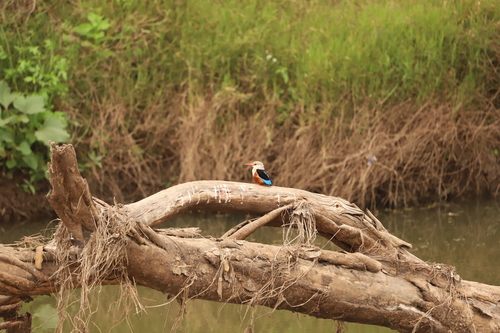
ハイガシラショウビン (Halcyon leucocephala) ハイガシラショウビン
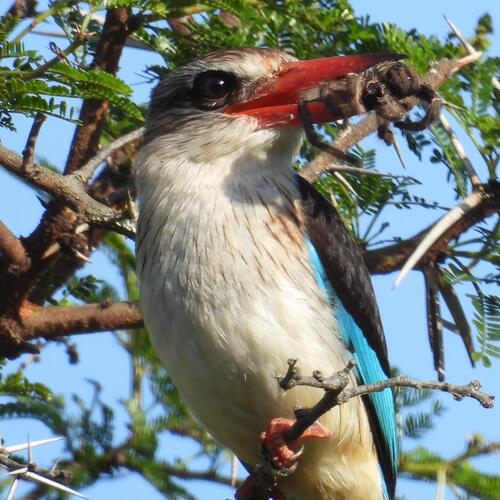
チャガシラショウビン (Halcyon albiventris) チャガシラショウビン

メディア

読み込み中…

要点

ハイガシラショウビンとチャガシラショウビンを区別する最も信頼できる方法は、頭部と腹部の色によるものです:ハイガシラは淡い灰色の頭と豊かな栗色の腹部を持ち、チャガシラは茶色で縞模様の頭と淡い色で縞模様の腹部を示します。両種ともに翼と尾に青色がありますが、色合いと範囲は異なります。くちばしの色も重要な特徴です:ハイガシラのくちばしは全て赤ですが、チャガシラのくちばしは赤で茶色の先端があります。チャガシラの幼鳥は全体的に鈍く、腹部がよりスカラップ状で混乱を招くことがありますが、頭の色とくちばしの模様は依然として有用です。両者は乾燥地帯のカワセミであり、水から離れていることが多いですが、羽毛や構造の微妙な違いはフィールドでの識別にとって重要です。

識別のコツ

  1. 頭の色は最も信頼できる特徴です: ハイガシラショウビンは淡い灰色の頭を持ち(全ての年齢)、チャガシラショウビンは茶色で縞模様の頭を示します。これは止まっている時も飛んでいる時も見えます。
  2. 腹部: ハイガシラは豊かな栗色の腹部を持ち(全ての年齢)、決して縞模様やスカラップ状ではありません。チャガシラは淡い色から茶色の腹部を持ち、通常は縞模様があります(特に雌や幼鳥で)、幼鳥は明確にスカラップ状で鈍いです。
  3. くちばしの色: ハイガシラのくちばしは長く、鋭く、全て赤です。チャガシラのくちばしは赤ですが常に茶色の先端があります;これは近距離で良い光の下で見えます。
  4. 背中と背羽: ハイガシラは黒い背中と背羽を持ち、灰色の頭と対照的です。チャガシラの上面は茶色がかった黒で、背中の上に広い淡い色の襟があります。
  5. 翼と尾の色: 両種ともに翼と尾に青色がありますが、ハイガシラのものは「明るい青」と表現され、より広範囲です。一方、チャガシラはトルコ石色の二次羽と空色の尾を持っています。光が悪いと、これは微妙ですが、色合いの違いは直接比較で明らかになるかもしれません。
  6. 性差: チャガシラの雌は雄よりも上面が暗く、腹部がより縞模様です;ハイガシラは性別が同じように見えます(性差がない)。
  7. 幼鳥の混乱: チャガシラの幼鳥は鈍く、白っぽい腹部がスカラップ状で茶色の頭を持っています;ハイガシラの幼鳥は淡い灰色の頭と栗色の腹部を示し、スカラップ状ではありません。
  8. 飛行時の視点: 両者ともに翼と尾に青色が見えますが、頭と腹部の色が最も良い特徴です。どちらの種にも特有の上翼のパネルや「W」マークは見られません。
  9. 声: 聞こえた場合、ハイガシラの歌は上昇と下降の音の連続で、チャガシラはトリルを出します;呼び声は必ずしも診断的ではありませんが、視覚的な識別をサポートするかもしれません。
  10. 生息地の重複: 両者は似た乾燥した生息地に生息しているため、生息地だけに頼らないでください。ハイガシラの広い範囲は、いくつかの地域で関連性があるかもしれません。
  11. 行動: 両者は静かに止まっていますが、チャガシラは地面で餌を探す可能性が高く、大きな獲物に挑むことがあります。これは主なフィールドマークではありません。
  12. サイズ: チャガシラはわずかに大きく、重いですが、これは直接比較なしでは信頼できるフィールドマークではありません。
  13. 亜種の変異: ハイガシラの亜種はより暗い灰色の頭や淡い栗色の腹部を示すことがありますが、頭は常に灰色で、茶色ではありません。チャガシラの亜種は色合いや縞模様が異なりますが、常に茶色の頭を持っています。
  14. 落とし穴: 光が悪い場合や遠くからの視点では、頭の色があいまいに見えることがあります;常にくちばしの色と腹部のトーンをバックアップマークとして確認してください。
  15. 要約: 頭の色(灰色対茶色)、腹部の色と模様(栗色と無地対淡い色と縞模様/スカラップ状)、およびくちばしの色(全て赤対赤で茶色の先端)を優先して、全ての年齢と季節で最も信頼できる区別を行ってください。

大きさ

両種はサイズが似ており、ハイガシラショウビンは平均21 cmの長さで、チャガシラショウビンは約22 cmとわずかに長いです。チャガシラはわずかに重い(体重約64 g)ですが、この違いはフィールドでは明らかではありません。構造と印象は大まかに似ているため、サイズだけでは信頼できる区別にはなりません。

羽色

幼鳥と未熟な鳥は最も混乱しやすいです。チャガシラショウビンの幼鳥は全体的に鈍く、スカラップ状の白っぽい腹部と茶色で縞模様の頭を持っています;彼らの腹部は成鳥よりも縞模様が多く、特に雌では顕著です。ハイガシラショウビンは全ての年齢で淡い灰色(茶色ではない)の頭と豊かな栗色の腹部を示し、チャガシラの縞模様やスカラップ状はありません。成鳥では、ハイガシラは黒い背中と背羽、明るい青の尾、翼、尾、そして長い全て赤のくちばしを持っています。チャガシラの成鳥は黒っぽい縞模様のある茶色の頭、淡い色の襟、茶色がかった黒の翼の覆い羽、トルコ石色の二次羽、そして空色の尾を持っています。くちばしは赤で茶色の先端があり、全て赤ではありません。腹部は淡い色で縞模様があり、特に雌では淡い腹部を持っています。飛行中、両者は翼と尾に青色を示しますが、頭と腹部の色が最も良い特徴です。

行動

両種は通常、単独またはペアで見られ、静かに止まって獲物を探します。彼らは主に昆虫や小さな脊椎動物を狩り、しばしば低い止まり木から行います。チャガシラショウビンは地面で餌を探すことで知られ、大きな獲物(ヘビやトカゲなど)に挑むことができます。ハイガシラショウビンは長時間止まっているのが見られることが多く、ダイビングの前に頭を上下に動かします。両者は土手に巣を作り、巣の防御に攻撃的です。

生息環境

両種は似たような生息地に生息しています:乾燥した森林、低木、森林の縁、さらには耕作されたり郊外の地域にも見られます。ハイガシラショウビンはアラビア半島やアフリカの島々にまで広がる広い範囲を持っていますが、チャガシラはサハラ以南のアフリカに制限されています。両者は多くのカワセミよりも水から離れていることが多いため、生息地は強い区別要因ではありません。

声

ハイガシラショウビンは上昇し、下降し、再び上昇する音の連続を出し、より鋭くなり、警告として鋭い「チク、チク、チク」を出します。チャガシラショウビンの歌はティーウまたはキティティティのトリルで、しばしば翼の振動と共に出され、警戒時には鋭い「チーリット」を出します。呼び声は距離があると診断的ではありませんが、経験によって役立つことがあります。

より良い説明を送る

比較と同じ項目を使ってください。文章はすぐに公開されます。

The most reliable way to separate Grey-headed Kingfisher from Brown-hooded Kingfisher is by head and underpart color: Grey-headed has a pale grey head and rich chestnut underparts, while Brown-hooded shows a brown, streaked head and buffy, streaked underparts. Both species have blue in the wings and rump, but the shade and extent differ. Bill color is also a key mark: Grey-headed's bill is all red, while Brown-hooded's is red with a brown tip. Juveniles of Brown-hooded are duller and more scalloped below, which can cause confusion, but the head color and bill pattern remain useful. Both are dry-country kingfishers often away from water, but their subtle differences in plumage and structure are critical for field ID.

  1. Head color is the single most reliable mark: Grey-headed Kingfisher has a pale grey head (all ages), while Brown-hooded Kingfisher shows a brown, streaked head. This is visible both perched and in flight.
  2. Underparts: Grey-headed has rich chestnut underparts (all ages), never streaked or scalloped. Brown-hooded has buffy to tawny underparts, usually streaked (especially in females and juveniles), and juveniles are distinctly scalloped and duller below.
  3. Bill color: Grey-headed's bill is long, sharp, and entirely red. Brown-hooded's bill is red but always tipped brown; this is visible at close range and in good light.
  4. Mantle and back: Grey-headed has a black mantle and back, contrasting with the grey head. Brown-hooded's upperparts are brownish-black with a broad buffy collar above the mantle.
  5. Wing and rump color: Both species show blue in the wings and rump, but Grey-headed's is described as 'bright blue' and more extensive, while Brown-hooded has turquoise secondaries and an azure-blue rump. In poor light, this can be subtle, but the difference in shade may be apparent in direct comparison.
  6. Sexual dimorphism: Brown-hooded females have darker upperparts and more streaked underparts than males; Grey-headed is sexually monomorphic (sexes look alike).
  7. Juvenile confusion: Brown-hooded juveniles are duller, with scalloped whitish underparts and a brown head; Grey-headed juveniles still show the pale grey head and chestnut underparts, lacking scalloping.
  8. Flight views: In both, blue in the wings and rump is visible, but head and underpart color remain the best marks. No distinctive upperwing panels or 'W' marks are noted for either species.
  9. Voice: If heard, Grey-headed's song is a series of ascending and descending notes, while Brown-hooded gives a trill; calls are not always diagnostic but may support visual ID.
  10. Habitat overlap: Both occur in similar dry habitats, so do not rely on habitat alone. Grey-headed's broader range may be relevant in some regions.
  11. Behavior: Both perch quietly, but Brown-hooded is more likely to forage on the ground and tackle larger prey. This is not a primary field mark.
  12. Size: Brown-hooded is slightly larger and heavier, but this is not a reliable field mark without direct comparison.
  13. Subspecies variation: Grey-headed subspecies may show a darker grey head or paler chestnut underparts, but the head remains grey, not brown. Brown-hooded subspecies vary in shade and streaking but always have a brown head.
  14. Pitfalls: Poor light or distant views can make the head color appear ambiguous; always check for bill color and underpart tone as backup marks.
  15. Summary: Prioritize head color (grey vs brown), underpart color and pattern (chestnut and plain vs buffy and streaked/scalloped), and bill color (all red vs red with brown tip) for the most reliable separation in all ages and seasons.

Both species are similar in size, with Grey-headed Kingfisher averaging 21 cm in length and Brown-hooded Kingfisher slightly longer at about 22 cm. Brown-hooded is marginally heavier (body mass ~64 g), but this difference is not readily apparent in the field. Structure and jizz are broadly similar, so size alone is not a reliable separator.

Juvenile and immature birds are most easily confused. Brown-hooded Kingfisher juveniles are duller overall, with scalloped whitish underparts and a brown, streaked head; their underparts are more streaked than adults, especially in females. Grey-headed Kingfisher of all ages shows a pale grey (not brown) head and rich chestnut underparts, lacking the streaking and scalloping of Brown-hooded. In adults, Grey-headed has a black mantle and back, bright blue rump, wings, and tail, and a long, all-red bill. Brown-hooded adults have a brown head with blackish streaks, a buffy collar, brownish-black wing coverts, turquoise secondaries, and an azure-blue rump. The bill is red with a brown tip, not solid red. Underparts are tawny and streaked, especially in females, with a buffy belly. In flight, both show blue in the wings and rump, but the head and underpart color remain the best marks.

Both species are typically seen alone or in pairs, perching quietly while scanning for prey. They hunt mostly insects and small vertebrates, often from a low perch. Brown-hooded Kingfisher is noted for foraging on the ground and can tackle larger prey like snakes and lizards. Grey-headed Kingfisher is more likely to be seen perched for long periods, bobbing its head before diving. Both nest in burrows in banks and are aggressive in nest defense.

Both species occupy similar habitats: dry woodland, scrub, forest edge, and even cultivated or suburban areas. Grey-headed Kingfisher has a broader range, extending into the Arabian Peninsula and islands off Africa, while Brown-hooded is restricted to Sub-Saharan Africa. Both are found away from water more often than many kingfishers, so habitat is not a strong separator.

Grey-headed Kingfisher gives a succession of notes that ascend, descend, then ascend again, becoming more strident, and a sharp 'tchk, tchk, tchk' as a warning. Brown-hooded Kingfisher's song is a tiiiu or ki-ti-ti-ti trill, often given with wing vibrations, and a sharp 'cheerit' when alarmed. Calls are not diagnostic at distance but can help with experience.

変更を破棄しますか?

保存していない編集があります。今離れると失われます。

ハイガシラショウビン · チャガシラショウビン · 苦手な鳥