

Gray-headed Kingfisher vs Brown-hooded Kingfisher
Halcyon leucocephala contro Halcyon albiventris
Fai un quiz con Gray-headed Kingfisher e Brown-hooded Kingfisher
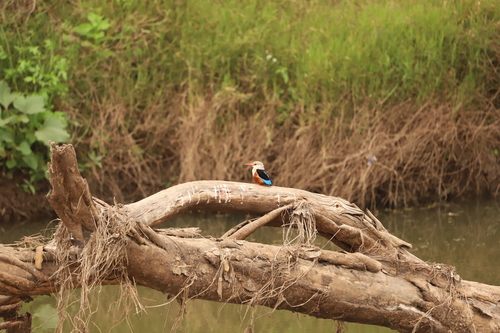 Gray-headed Kingfisher
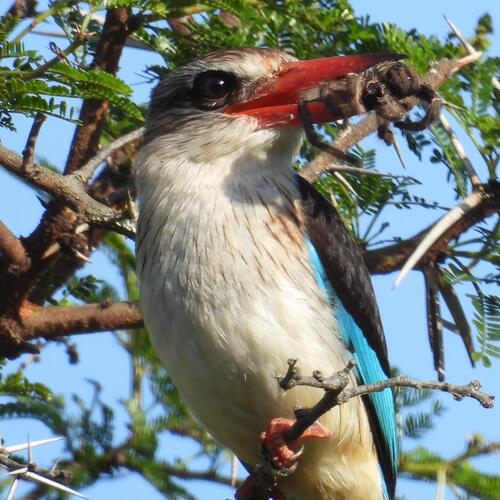 Brown-hooded Kingfisher
In breve
Il modo più affidabile per separare il Gray-headed Kingfisher dal Brown-hooded Kingfisher è il colore della testa e delle parti inferiori: il Gray-headed ha una testa grigia chiara e parti inferiori castano ricco, mentre il Brown-hooded mostra una testa marrone striata e parti inferiori buffe striate. Entrambe le specie hanno blu nelle ali e nel coda, ma la tonalità e l'estensione differiscono. Il colore del becco è anche un segno chiave: il becco del Gray-headed è completamente rosso, mentre quello del Brown-hooded è rosso con una punta marrone. I giovani del Brown-hooded sono più opachi e più scallopati sotto, il che può causare confusione, ma il colore della testa e il modello del becco rimangono utili. Entrambi sono kingfisher di paesi aridi spesso lontani dall'acqua, ma le loro sottili differenze nel piumaggio e nella struttura sono critiche per l'identificazione sul campo.
Consigli di identificazione
- Il colore della testa è il segno più affidabile: Il Gray-headed Kingfisher ha una testa grigia chiara (tutte le età), mentre il Brown-hooded Kingfisher mostra una testa marrone striata. Questo è visibile sia in perching che in volo.
- Parti inferiori: Il Gray-headed ha parti inferiori castano ricco (tutte le età), mai striate o scallopate. Il Brown-hooded ha parti inferiori buffe a fulvo, di solito striate (specialmente nelle femmine e nei giovani), e i giovani sono distintamente scallopati e più opachi sotto.
- Colore del becco: Il becco del Gray-headed è lungo, affilato e completamente rosso. Il becco del Brown-hooded è rosso ma sempre con la punta marrone; questo è visibile da vicino e in buona luce.
- Mantello e schiena: Il Gray-headed ha un mantello e una schiena neri, in contrasto con la testa grigia. Le parti superiori del Brown-hooded sono marrone scuro con un ampio collare buffo sopra il mantello.
- Colore delle ali e del coda: Entrambe le specie mostrano blu nelle ali e nel coda, ma il Gray-headed è descritto come 'blu brillante' e più esteso, mentre il Brown-hooded ha secondarie turchesi e un coda blu-azzurra. In scarsa luce, questo può essere sottile, ma la differenza di tonalità può essere evidente in un confronto diretto.
- Dimorfismo sessuale: Le femmine del Brown-hooded hanno parti superiori più scure e parti inferiori più striate rispetto ai maschi; il Gray-headed è sessualmente monomorfico (i sessi sembrano simili).
- Confusione giovanile: I giovani del Brown-hooded sono più opachi, con parti inferiori bianche scallopate e una testa marrone; i giovani del Gray-headed mostrano ancora la testa grigia chiara e le parti inferiori castano, senza scalloping.
- Viste in volo: In entrambi, il blu nelle ali e nel coda è visibile, ma il colore della testa e delle parti inferiori rimane il miglior segno. Non sono notati pannelli distintivi delle ali superiori o segni 'W' per nessuna delle specie.
- Voce: Se sentito, il canto del Gray-headed è una serie di note ascendenti e discendenti, mentre il Brown-hooded emette un trill; i richiami non sono sempre diagnostici ma possono supportare l'identificazione visiva.
- Sovrapposizione dell'habitat: Entrambi si trovano in habitat aridi simili, quindi non fare affidamento solo sull'habitat. L'ampia gamma del Gray-headed può essere rilevante in alcune regioni.
- Comportamento: Entrambi si posano silenziosamente, ma il Brown-hooded è più propenso a cercare cibo a terra e affrontare prede più grandi. Questo non è un segno primario sul campo.
- Dimensione: Il Brown-hooded è leggermente più grande e più pesante, ma questo non è un segno affidabile sul campo senza un confronto diretto.
- Variazione delle sottospecie: Le sottospecie del Gray-headed possono mostrare una testa grigia più scura o parti inferiori castano più chiare, ma la testa rimane grigia, non marrone. Le sottospecie del Brown-hooded variano in tonalità e striature ma hanno sempre una testa marrone.
- Insidie: La scarsa luce o le viste distanti possono rendere il colore della testa ambiguo; controlla sempre il colore del becco e il tono delle parti inferiori come segni di backup.
- Riepilogo: Dai priorità al colore della testa (grigio vs marrone), al colore e al modello delle parti inferiori (castano e semplice vs buffo e striato/scallopato) e al colore del becco (tutto rosso vs rosso con punta marrone) per la separazione più affidabile in tutte le età e stagioni.
Taglia
Entrambe le specie sono simili in dimensione, con il Gray-headed Kingfisher che misura in media 21 cm di lunghezza e il Brown-hooded Kingfisher leggermente più lungo a circa 22 cm. Il Brown-hooded è marginalmente più pesante (massa corporea ~64 g), ma questa differenza non è facilmente evidente sul campo. La struttura e il jizz sono ampiamente simili, quindi la dimensione da sola non è un separatore affidabile.
Piumaggio
Gli uccelli giovani e immaturi sono i più facilmente confusi. I giovani del Brown-hooded Kingfisher sono più opachi nel complesso, con parti inferiori bianche scallopate e una testa marrone striata; le loro parti inferiori sono più striate rispetto agli adulti, specialmente nelle femmine. Il Gray-headed Kingfisher di tutte le età mostra una testa grigia chiara (non marrone) e parti inferiori castano ricco, senza le striature e le scallopature del Brown-hooded. Negli adulti, il Gray-headed ha un mantello e una schiena neri, un coda blu brillante, ali e coda, e un becco lungo e completamente rosso. Gli adulti del Brown-hooded hanno una testa marrone con striature nere, un collare buffo, copritrici delle ali marrone scuro, secondarie turchesi e un coda blu-azzurra. Il becco è rosso con una punta marrone, non rosso solido. Le parti inferiori sono fulve e striate, specialmente nelle femmine, con una pancia buffa. In volo, entrambi mostrano blu nelle ali e nel coda, ma il colore della testa e delle parti inferiori rimane il miglior segno.
Comportamento
Entrambe le specie sono tipicamente viste sole o in coppie, posandosi silenziosamente mentre cercano prede. Cacciano principalmente insetti e piccoli vertebrati, spesso da un posatoio basso. Il Brown-hooded Kingfisher è noto per cercare cibo a terra e può affrontare prede più grandi come serpenti e lucertole. Il Gray-headed Kingfisher è più propenso a essere visto posato per lunghi periodi, muovendo la testa prima di tuffarsi. Entrambi nidificano in tane nelle rive e sono aggressivi nella difesa del nido.
Habitat
Entrambe le specie occupano habitat simili: boschi secchi, cespugli, margini forestali e persino aree coltivate o suburbane. Il Gray-headed Kingfisher ha una gamma più ampia, estendendosi nella Penisola Arabica e nelle isole al largo dell'Africa, mentre il Brown-hooded è ristretto all'Africa subsahariana. Entrambi si trovano lontano dall'acqua più spesso di molti kingfisher, quindi l'habitat non è un forte separatore.
Voce
Il Gray-headed Kingfisher emette una successione di note che ascendono, discendono e poi risalgono, diventando più stridenti, e un 'tchk, tchk, tchk' acuto come avvertimento. Il canto del Brown-hooded Kingfisher è un tiiiu o un trill ki-ti-ti-ti, spesso emesso con vibrazioni delle ali, e un 'cheerit' acuto quando è allarmato. I richiami non sono diagnostici a distanza ma possono aiutare con l'esperienza.
Gray-headed Kingfisher · Brown-hooded Kingfisher · I miei uccelli difficili