

Motmot

ハイイロオオサンショウクイ 対 ミナミクロガラ

Ceblepyris caesius 対 Melaniparus niger

ハイイロオオサンショウクイとミナミクロガラのクイズ
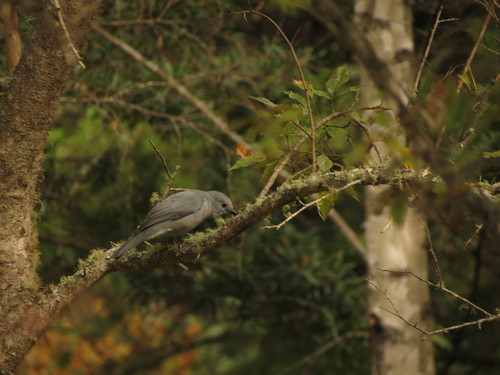
ハイイロオオサンショウクイ (Ceblepyris caesius) ハイイロオオサンショウクイ
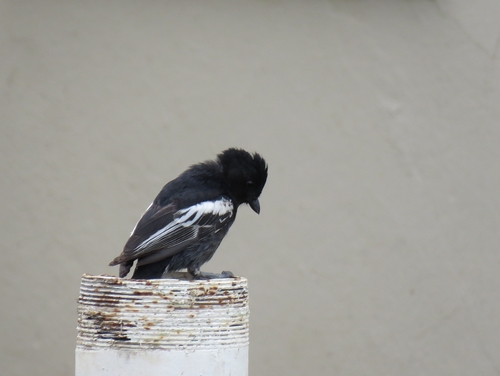
ミナミクロガラ (Melaniparus niger) ミナミクロガラ

メディア

読み込み中…

要点

ハイイロオオサンショウクイとミナミクロガラを区別する最も信頼できるフィールドマークは、全体のサイズと構造です:ハイイロオオサンショウクイははるかに大きく、長い体を持ち、青灰色の色合いと細い白いアイリングを持つ目立つ黒い目を持っています。一方、ミナミクロガラははるかに小さく、コンパクトで、性別によってほぼ完全に黒または灰色がかっています。幼鳥のハイイロオオサンショウクイは、上部に明確な茶色と白の縞模様があり、下部は白で茶色の縞模様があり、決してミナミクロガラには見られません。飛行中または止まっているとき、ハイイロオオサンショウクイの長い尾と遅く重い羽ばたきは、ミナミクロガラの短く丸い尾とより活発で敏捷な動きと対照的です。もし、キャノピーで大きな黒い目を持つ中型の青灰色の鳥を見たら、それはハイイロオオサンショウクイです;もし小さく単調な黒または灰色の鳥が森林にいるなら、それはミナミクロガラです。

識別のコツ

  1. Size and structure: ハイイロオオサンショウクイはミナミクロガラよりもはるかに大きく、尾が長い(25–27 cm, 53–68 g)です。これを最初のチェックとして使用してください、特に混合群れや他の種の近くでスケールのために。
  2. Juvenile plumage: 幼鳥のハイイロオオサンショウクイは上部が茶色で、灰白色の縞模様があり、下部は白で茶色の縞模様があり、さらに白い縁のある黒い尾を持っています—これらの特徴はミナミクロガラのどの年齢でも示されません。
  3. Adult coloration: 成鳥のハイイロオオサンショウクイは青灰色で、大きな黒い目と細い白いアイリングを持っています;オスは暗い灰色のロレアルパッチを持ち、メスはより淡いものを持っています。ミナミクロガラのオスは青黒く、メスは灰色がかっていますが、どちらもハイイロオオサンショウクイの青灰色のトーンと白いアイリングを欠いています。
  4. Tail and wing pattern: ハイイロオオサンショウクイは長く、より段階的な尾を持ち、幼鳥では尾と飛行羽に白い縁があります。ミナミクロガラの尾は短く、白がなく、段階的ではありません。
  5. Bill and face: ハイイロオオサンショウクイは比較的頑丈な黒いくちばしと、細い白いリングを持つ目立つ大きな黒い目を持っています。ミナミクロガラのくちばしは短く、頑丈さに欠け、白いアイリングがありません。
  6. Sexual dimorphism: 両種はある程度の性的二形性を示しますが、ミナミクロガラではオスが明確に青黒く、メスが灰色がかっています;ハイイロオオサンショウクイでは、両性とも青灰色で、ロレアルパッチと全体の色合いにわずかな違いがあります。
  7. Behavior and movement: ハイイロオオサンショウクイは上部のキャノピーでゆっくりと計画的に動き、しばしば単独またはペアで、遅く重い羽ばたきで飛びます。ミナミクロガラははるかに活発で敏捷で、しばしば混合群れで見られ、低いレベルでエネルギッシュに餌を探します。
  8. Habitat: ハイイロオオサンショウクイは森林の専門種で、通常は高地の森林のパッチや縁にいます;ミナミクロガラは森林および開けた森林の種で、密な森林にはめったにいません。
  9. Vocalizations: ハイイロオオサンショウクイは静かで、微かで高音の鳴き声を持っています;ミナミクロガラはより声が大きい可能性がありますが、特定の鳴き声はここでは詳しく説明されていません。
  10. Perched posture: ハイイロオオサンショウクイは止まっているときにしばしば直立して細長く見えますが、ミナミクロガラはよりコンパクトで水平です。
  11. Flight style: ハイイロオオサンショウクイの飛行は遅く、水平で重い羽ばたきがあります;ミナミクロガラの飛行はより速く、跳ねるようで、小さなシジュウカラに典型的です。
  12. Plumage simplicity: ミナミクロガラはほぼ完全に単調(黒または灰色がかる)で、縞模様、白い縁、または微妙な陰影がありません;ハイイロオオサンショウクイはより柔らかい模様で、全体的に淡いです。
  13. White in tail/wings: 幼鳥のハイイロオオサンショウクイだけが尾と飛行羽に白い縁を示します;ミナミクロガラは尾や翼に白を示しません。
  14. Eye color: ハイイロオオサンショウクイの大きなジェットブラックの目は白いリングがあり、特徴的です;ミナミクロガラの目は目立たず、リングがありません。
  15. Contextual clues: 森のキャノピーの高いところで餌を探しているのが見られた場合、特に単独またはペアであれば、ハイイロオオサンショウクイの可能性が高いです;開けた森林や小さな鳥の混合群れにいる場合、ミナミクロガラの可能性が高いです。

大きさ

ハイイロオオサンショウクイははるかに大きく、体長は25–27 cm、体重は53–68 g [wikipedia]で、ミナミクロガラはわずか約16 cm、21 g [wikidata]です。ハイイロオオサンショウクイは長い体と長い尾を持っているように見えますが、ミナミクロガラはコンパクトで短い尾を持っています。このサイズの違いは、特に混合群れや他の鳥の近くで見たときに、距離があっても明らかです。

羽色

幼鳥のハイイロオオサンショウクイは上部が暗い茶色で、灰白色の縞模様があり、下部は白で茶色の縞模様があり、先端と飛行羽に白い縁のある黒い尾を持っています—これらの特徴は、どの年齢のミナミクロガラにも示されません。成鳥のハイイロオオサンショウクイ(両性)は青灰色で、大きな黒い目と細い白いアイリングを持っています;オスは暗い灰色のロレアルパッチを持ち、メスはより淡い灰色のものを持っています。ミナミクロガラのオスは全体が明確に青黒く、メスはより灰色がかっていますが、どちらもハイイロオオサンショウクイの青灰色のトーンと白いアイリングを欠いています。ミナミクロガラは尾や翼に白がなく、羽毛はほぼ単調で、縞模様や対照的な羽の縁がありません。すべての年齢において、ミナミクロガラの色合いはより単純で暗く、ハイイロオオサンショウクイはより微妙な模様で淡いです。

行動

ハイイロオオサンショウクイは通常目立たず、上部の森林キャノピーでゆっくりと計画的に動き、しばしば単独またはペアで、時には小さな群れや混合群れで見られます。飛行は遅く、水平で、重い羽ばたきが特徴です。ミナミクロガラははるかに活発で敏捷で、典型的なシジュウカラのように、森林でエネルギッシュに餌を探し、しばしば混合群れで見られ、素早く飛び回る動きを示します。ミナミクロガラは下の枝や葉を跳ねたり飛び回ったりするのがより一般的で、ハイイロオオサンショウクイは高い位置に留まり、より計画的に動きます。

生息環境

ハイイロオオサンショウクイは森林の種で、南部および中央アフリカの高地の森林のパッチで見られ、通常は上部のキャノピーまたは森林の縁にいます。ミナミクロガラは密な森林ではなく森林の生息地を好み、開けた森やサバンナでより広く分布しています。もし密な高地の森林にいるなら、ハイイロオオサンショウクイの可能性が高く、開けた森林、特に低地ではミナミクロガラを期待してください。

声

ハイイロオオサンショウクイは比較的静かで、餌を探しているときに微かで高音の「tseeeeep」を発し、巣では「seeeeea」と呼び、時折、織物のようなチャッターやくしゃみのような「chi-ooo」音を発します。ミナミクロガラの鳴き声は提供されたメモには記載されていませんが、一般的にシジュウカラはより声が大きく、鳴き声が多様です。もし微かで高音または柔らかい鳴き声しか聞こえない場合、ハイイロオオサンショウクイの可能性があります;より多様または典型的なシジュウカラのようなチャッターはミナミクロガラを示唆します。

より良い説明を送る

比較と同じ項目を使ってください。文章はすぐに公開されます。

The most reliable field mark to separate Grey Cuckooshrike from Southern Black-Tit is overall size and structure: Grey Cuckooshrike is much larger and longer-bodied, with a blue-grey coloration and a prominent black eye with a thin white eye-ring, while Southern Black-Tit is much smaller, compact, and almost entirely black or greyish depending on sex. Juvenile Grey Cuckooshrikes show distinct brown and white barring above and white underparts with brown barring, never matched by the tit. In flight or perched, the cuckooshrike's longer tail and slow, heavy wingbeats contrast with the tit's short, rounded tail and more active, agile movements. If you see a medium-sized, blue-grey bird with a large black eye in the canopy, it's the cuckooshrike; if it's a small, monotone black or greyish bird in woodland, it's the tit.

  1. Size and structure: Grey Cuckooshrike is much larger and longer-tailed (25–27 cm, 53–68 g) than Southern Black-Tit (16 cm, 21 g). Use this as your first check, especially in mixed flocks or when near other species for scale.
  2. Juvenile plumage: Juvenile Grey Cuckooshrikes are brown above with grey-white barring and have white underparts with brown barring, plus black tails with white edges—these features are never shown by the tit at any age.
  3. Adult coloration: Adult cuckooshrikes are blue-grey with a large black eye and thin white eye-ring; males have a dark grey loreal patch, females a paler one. Southern Black-Tit males are blue-black, females greyish, but both lack the cuckooshrike's blue-grey tones and white eye-ring.
  4. Tail and wing pattern: Cuckooshrike has a longer, more graduated tail and, in juveniles, white edges on tail and flight feathers. The tit's tail is short, lacks any white, and is not graduated.
  5. Bill and face: Cuckooshrike has a relatively robust, black bill and a strikingly large black eye with a thin white ring. The tit's bill is shorter and less robust, and it lacks the white eye-ring.
  6. Sexual dimorphism: Both species show some sexual dimorphism, but in the tit, males are distinctly blue-black and females greyish; in cuckooshrike, both sexes are blue-grey, with only subtle differences in the loreal patch and overall shade.
  7. Behavior and movement: Cuckooshrike moves slowly and methodically in the upper canopy, often alone or in pairs, with slow, heavy wingbeats in flight. The tit is much more active, agile, and often seen in mixed flocks, foraging energetically at lower levels.
  8. Habitat: Cuckooshrike is a forest specialist, usually in high-elevation forest patches or edges; tit is a woodland and open-woodland species, rarely in dense forest.
  9. Vocalizations: Cuckooshrike is quiet, with faint, high-pitched calls; tit is likely more vocal, but specific calls are not detailed here.
  10. Perched posture: Cuckooshrike often appears upright and elongated when perched, while the tit is more compact and horizontal.
  11. Flight style: Cuckooshrike's flight is slow and level with heavy wingbeats; tit's flight is quicker and more bounding, typical of small parids.
  12. Plumage simplicity: Tit is almost entirely monotone (black or greyish), lacking any barring, white edges, or subtle shading; cuckooshrike is more softly patterned and paler overall.
  13. White in tail/wings: Only juvenile cuckooshrike shows white edges in tail and flight feathers; tit never shows white in tail or wings.
  14. Eye color: Cuckooshrike's large, jet-black eye with a white ring is distinctive; tit's eye is less prominent and lacks a ring.
  15. Contextual clues: If seen foraging high in the forest canopy, especially alone or in pairs, cuckooshrike is more likely; if in open woodland or in a mixed flock of small birds, tit is more probable.

Grey Cuckooshrike is substantially larger, with a body length of 25–27 cm and weighing 53–68 g [wikipedia], compared to Southern Black-Tit at only about 16 cm and 21 g [wikidata]. The cuckooshrike appears long-bodied and long-tailed, while the tit is compact and short-tailed. This size difference is obvious even at a distance, especially in mixed flocks or when seen near other birds for scale.

Juvenile Grey Cuckooshrikes are dark brown above with grey-white barring, white underparts with brown barring, and black tails edged with white at the tips and on the flight feathers—these features are never shown by Southern Black-Tit of any age. Adult Grey Cuckooshrikes (both sexes) are blue-grey with a large black eye and thin white eye-ring; males have a dark grey loreal patch, females a paler grey one. Southern Black-Tit males are distinctly blue-black all over, while females are more greyish, but both lack the cuckooshrike's blue-grey tones and white eye-ring. The tit has no white in the tail or wings, and its plumage is nearly monotone, lacking any barring or contrasting feather edges. In all ages, the tit's coloration is simpler and darker, while the cuckooshrike is more subtly patterned and paler.

Grey Cuckooshrike is typically inconspicuous, moving slowly and deliberately in the upper forest canopy, often alone or in pairs, sometimes in small groups or mixed flocks. Its flight is slow, level, and marked by heavy wingbeats. Southern Black-Tit is much more active and agile, typical of tits, foraging energetically in woodland, often in mixed flocks, and showing quick, darting movements. The tit is more likely to be seen hopping and flitting through lower branches and foliage, while the cuckooshrike stays higher and moves more methodically.

Grey Cuckooshrike is a forest species, found in forest patches at higher elevations in southern and central Africa, usually in the upper canopy or at forest edges. Southern Black-Tit prefers woodland habitats, not dense forest, and is more widespread in open woods and savanna. If you are in dense, high-elevation forest, cuckooshrike is more likely; in open woodland, especially at lower elevations, expect the tit.

Grey Cuckooshrike is relatively quiet, with a faint, high-pitched 'tseeeeep' while foraging, a 'seeeeea' call at the nest, and occasional weaver-like chatters or sneeze-like 'chi-ooo' sounds. Southern Black-Tit vocalizations are not described in the provided notes, but tits in general are more vocal and varied in their calls. If you hear only faint, high-pitched, or soft calls, cuckooshrike is possible; a more varied or typical tit-like chatter would suggest the tit.

変更を破棄しますか?

保存していない編集があります。今離れると失われます。

ハイイロオオサンショウクイ · ミナミクロガラ · 苦手な鳥