

Motmot

Gray-cheeked Bulbul 対 シロハラカンムリヒヨドリ

Alophoixus tephrogenys 対 Alophoixus ochraceus

Gray-cheeked Bulbulとシロハラカンムリヒヨドリのクイズ
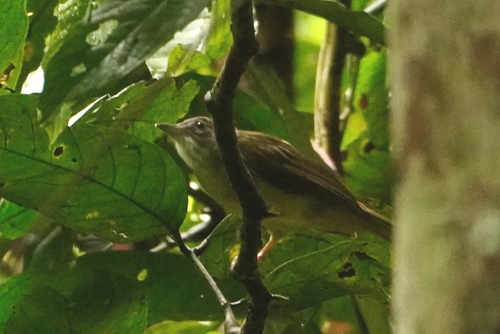
Gray-cheeked Bulbul (Alophoixus tephrogenys) Gray-cheeked Bulbul
シロハラカンムリヒヨドリ (Alophoixus ochraceus) シロハラカンムリヒヨドリ

メディア

読み込み中…

要点

Gray-cheeked Bulbulとシロハラカンムリヒヨドリは、どちらも東南アジアの森林に生息する中型の歌鳥で、分布が重なる場所では混同されることがあります。最も信頼できるフィールドマークは顔の色彩です:Gray-cheeked Bulbulは明確な灰色の頬のパッチを示し、シロハラカンムリヒヨドリは暖かいオーカー調の顔と腹部の色合いを持っています。両種は構造的には似ていますが、シロハラカンムリヒヨドリは全体的にわずかに暖かく、より均一に見える傾向があります。生息地の好みも役立ちます:シロハラカンムリヒヨドリは1500mまでの広葉樹常緑林の中層により頻繁に見られ、Gray-cheeked Bulbulは低地から山地の森林に分布しています。これらの2種間で年齢特有の翼や飛行パターンの違いは記録されていません。

識別のコツ

  1. Facial color is key: Gray-cheeked Bulbulは明確な灰色の頬のパッチを示し、顔の残りの部分と対照的です。シロハラカンムリヒヨドリの顔は暖かく、オーカー調で、腹部と混ざり合っています。
  2. Underpart tone: シロハラカンムリヒヨドリは通常、暖かいオーカーまたは黄色がかった腹部を持ち、Gray-cheeked Bulbulは一般的に下部が涼しく灰色です。
  3. Overall color impression: 良い光の下では、Gray-cheeked Bulbulは涼しく、よりコントラストが強く見え、シロハラカンムリヒヨドリは暖かく、より均一な色調です。
  4. No age-specific wing pattern: 両種は特徴的な幼鳥または未熟な上翼や飛行マークを欠いているため、飛行中の翼パターンに頼って分離しないでください。
  5. Habitat preference: シロハラカンムリヒヨドリは1500mまでの広葉樹常緑林の中層でより頻繁に見られ、Gray-cheeked Bulbulは低地と山地の森林の両方で見られます。これは補助的な手がかりとして使用し、主要なマークとしては使用しないでください。
  6. Range overlap: あなたの場所を確認してください—シロハラカンムリヒヨドリはスマトラと隣接する東南アジアでより可能性が高く、Gray-cheeked Bulbulはマレー半島から大スンダ諸島に見られます。重複ゾーンでは、羽毛を使用してください。
  7. No strong structural differences: ビル、尾、体の比率は非常に似ており、フィールドでの分離には役立ちません。
  8. Perched vs. in flight: 両種は止まっているときに最も識別しやすく、飛行中の視界では強い違いが明らかになりません。
  9. Sexes similar: 両種は羽毛において性差がほとんどないか全くないため、性別は有用な手がかりではありません。
  10. Juvenile confusion: 幼鳥や未熟な個体は、どちらの種にも独自のマークがあるとは記載されていないため、大人と同じ顔と腹部の色の手がかりを使用してください。
  11. Lighting pitfalls: 光が悪いと、Gray-cheeked Bulbulの灰色の頬は見分けにくく、シロハラカンムリヒヨドリは鈍く見えることがあります。複数の角度と良い光を得るようにしてください。
  12. Mixed flocks: 両種は混成種の群れに参加することがあるため、群れの構成に基づいて単一の種を仮定しないでください。
  13. Voice not diagnostic: 利用可能な情報源には特徴的な声の違いは記載されていないため、視覚的なマークに頼ってください。
  14. Seasonal variation: 両種において強い季節的な羽毛の変化は報告されていないため、年間を通じて同じマークを使用してください。
  15. Contextual clues: スマトラの中層の広葉樹雨林にいる場合は、シロハラカンムリヒヨドリに傾くべきです。他の低地または山地の森林では、Gray-cheeked Bulbulを考慮してくださいが、常に顔と腹部の色で確認してください。

大きさ

両種はAlophoixus属の中型のヒヨドリで、全体的なサイズと比率は非常に似ています。利用可能な情報源に基づいて、Gray-cheeked Bulbulとシロハラカンムリヒヨドリの間に信頼できるサイズや質量の違いは記録されていません。フィールドでは、サイズは有用な分離ポイントではありません。

羽色

これらの2種間には年齢特有の翼や飛行パターンの違いは記録されていません。大人と未熟な個体の両方は、飛行中に分離を可能にする特徴的な上翼のマークを欠いています。主要な羽毛の違いは顔と腹部にあります:Gray-cheeked Bulbulは明確な灰色の頬のパッチを持ち、一般的に涼しいトーンの羽毛を持っていますが、シロハラカンムリヒヨドリは顔と腹部にオーカーまたは黄色がかったトーンを持ち、より暖かく均一な外観を与えています。これらの違いは良い光の下で近距離で最も明らかですが、視界が悪い条件では微妙な場合があります。幼鳥と未熟な鳥は、分離を助ける独自のマークを持っているとは記載されていません。

行動

両種は行動において典型的なヒヨドリであり、森林の中層から上層で採餌します。シロハラカンムリヒヨドリは広葉樹常緑林や雨林の生息地の中層に生息することで知られています。フィールドで両者を確実に分離するための際立った行動の違いはありません。

生息環境

生息地は有用な文脈を提供します:Gray-cheeked Bulbulはマレー半島から大スンダ諸島の低地と山地の湿った森林に見られます。シロハラカンムリヒヨドリは東南アジアからスマトラに分布し、通常は広葉樹常緑林や雨林の中層に見られ、通常は1500メートルの標高までです。広葉樹雨林の中層で中標高にいるヒヨドリに出会った場合、シロハラカンムリヒヨドリの可能性が高く、低地または山地の森林、特にスマトラ以外ではGray-cheeked Bulbulの可能性が高いです。しかし、分布が重なり、両者が類似の生息地に出現することがあるため、生息地だけでは診断にはなりません。

より良い説明を送る

比較と同じ項目を使ってください。文章はすぐに公開されます。

Grey-cheeked Bulbul and Ochraceous Bulbul are both medium-sized songbirds of Southeast Asian forests and can be confused where their ranges overlap. The most reliable field mark is facial coloration: Grey-cheeked Bulbul shows a distinctly grey cheek patch, while Ochraceous Bulbul has warmer, ochre-toned facial and underpart hues. Both species are structurally similar, but Ochraceous Bulbul tends to appear slightly warmer and more uniform overall. Habitat preferences can help: Ochraceous Bulbul is more often found in the mid-storey of broad-leaved evergreen forests up to 1500 m, while Grey-cheeked Bulbul ranges from lowland to montane forests. No strong age-specific wing or flight pattern differences are documented between these two species.

  1. Facial color is key: Grey-cheeked Bulbul shows a distinctly grey cheek patch, which contrasts with the rest of the face. Ochraceous Bulbul's face is warmer and more ochre-toned, blending with the underparts.
  2. Underpart tone: Ochraceous Bulbul usually has warmer, ochre or yellowish underparts, while Grey-cheeked Bulbul is generally cooler and greyer below.
  3. Overall color impression: In good light, Grey-cheeked Bulbul appears cooler and more contrasted, while Ochraceous Bulbul is warmer and more uniform in tone.
  4. No age-specific wing pattern: Both species lack distinctive juvenile or immature upperwing or flight marks, so do not rely on wing pattern in flight for separation.
  5. Habitat preference: Ochraceous Bulbul is more often seen in the mid-storey of broad-leaved evergreen forests up to 1500 m, while Grey-cheeked Bulbul can be found in both lowland and montane forests. Use this as a supporting clue, not a primary mark.
  6. Range overlap: Check your location—Ochraceous Bulbul is more likely in Sumatra and adjacent Southeast Asia, while Grey-cheeked Bulbul is found from the Malay Peninsula to the Greater Sunda Islands. In overlap zones, use plumage.
  7. No strong structural differences: Bill, tail, and body proportions are very similar and not useful for separation in the field.
  8. Perched vs. in flight: Both species are best identified when perched, as flight views do not reveal strong differences.
  9. Sexes similar: Both species show little or no sexual dimorphism in plumage, so sex is not a useful clue.
  10. Juvenile confusion: Juveniles and immatures are not described as having unique marks for either species, so use the same facial and underpart color cues as for adults.
  11. Lighting pitfalls: In poor light, the grey cheek of Grey-cheeked Bulbul may be hard to discern, and Ochraceous Bulbul may appear duller; try to get multiple angles and good light.
  12. Mixed flocks: Both species may join mixed-species flocks, so do not assume a single species based on flock composition.
  13. Voice not diagnostic: No distinctive vocal differences are documented in the available sources; rely on visual marks.
  14. Seasonal variation: No strong seasonal plumage changes are reported for either species; use the same marks year-round.
  15. Contextual clues: If you are in a broad-leaved rainforest mid-storey at mid-elevation in Sumatra, lean toward Ochraceous Bulbul; in lowland or montane forest elsewhere, consider Grey-cheeked Bulbul, but always confirm with facial and underpart color.

Both species are medium-sized bulbuls in the genus Alophoixus and are very similar in overall size and proportions. No reliable size or mass difference is documented between Grey-cheeked Bulbul and Ochraceous Bulbul based on available sources. In the field, size is not a useful separation point.

There are no documented age-specific wing or flight pattern differences between these two species. Both adults and immatures lack distinctive upperwing markings that would allow for separation in flight. The key plumage difference is on the face and underparts: Grey-cheeked Bulbul has a clear grey cheek patch and generally cooler-toned plumage, while Ochraceous Bulbul has ochre or yellowish tones on the face and underparts, giving it a warmer and more uniform appearance. These differences are most apparent in good light and at close range, but can be subtle in poor viewing conditions. Juvenile and immature birds are not described as having unique marks that would aid separation.

Both species are typical bulbuls in their behavior, foraging in the mid to upper levels of the forest. Ochraceous Bulbul is noted for frequenting the mid-storey of broad-leaved evergreen and rainforest habitats. There are no striking behavioral differences that would reliably separate the two in the field.

Habitat can provide useful context: Grey-cheeked Bulbul is found from the Malay Peninsula to the Greater Sunda Islands in both lowland and montane moist forests. Ochraceous Bulbul ranges from Southeast Asia to Sumatra and is usually found in the mid-storey of broad-leaved evergreen and rainforests, typically up to 1500 meters elevation. If you encounter a bulbul in the mid-storey of a broad-leaved rainforest at mid-elevation, Ochraceous Bulbul is more likely; in lowland or montane forest, especially outside Sumatra, Grey-cheeked Bulbul is more likely. However, ranges overlap and both can occur in similar habitats, so habitat alone is not diagnostic.

変更を破棄しますか?

保存していない編集があります。今離れると失われます。

Gray-cheeked Bulbul · シロハラカンムリヒヨドリ · 苦手な鳥