

Motmot

ハイガシラシュウダンハタオリ 対 カンムリモリハタオリ

Pseudonigrita arnaudi 対 Malimbus malimbicus

ハイガシラシュウダンハタオリとカンムリモリハタオリのクイズ
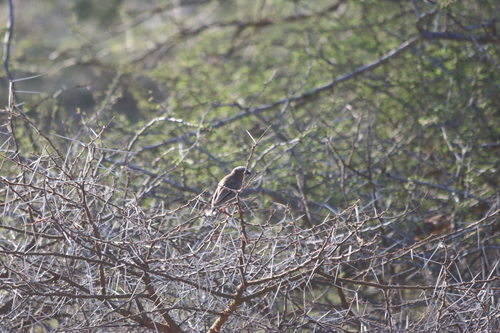
ハイガシラシュウダンハタオリ (Pseudonigrita arnaudi) ハイガシラシュウダンハタオリ
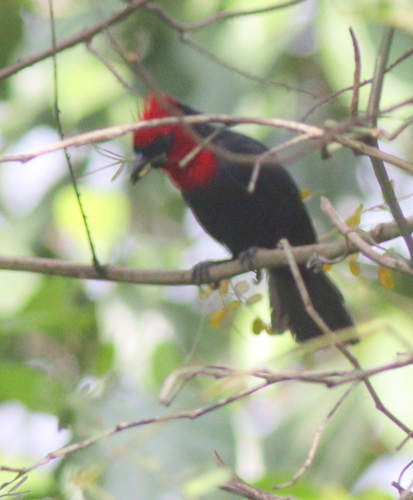
カンムリモリハタオリ (Malimbus malimbicus) カンムリモリハタオリ

メディア

読み込み中…

要点

ハイガシラシュウダンハタオリとカンムリモリハタオリを区別する最も信頼できる方法は、全体の色合いと冠のパターンによるものです:ハイガシラシュウダンハタオリは小さく、スズメのような鳥で、淡い灰色(オスはほぼ白)で、特徴的な白っぽいアイリングを持っています。一方、カンムリモリハタオリは目を引く熱帯雨林のハタオリで、目立つ冠(ハイガシラシュウダンハタオリには存在しない)を持ち、淡い冠とアイリングがありません。幼鳥のハイガシラシュウダンハタオリはより地味ですが、依然として淡い冠と茶色のくちばしを示し、カンムリモリハタオリとは異なります。ハイガシラシュウダンハタオリは乾燥した開けたアカシアの生息地に見られ、しばしば群れで行動しますが、カンムリモリハタオリは密なアフリカの熱帯雨林に限定されています。飛行中に見られた場合は、ハイガシラシュウダンハタオリの明るい尾の端の帯と翼の黒を探してください—これらはカンムリモリハタオリには見られない特徴です。

識別のコツ

  1. Crown color and pattern: ハイガシラシュウダンハタオリは常に淡い灰色(オスはほぼ白)または明るい肝色(幼鳥)を示し、暗い体と対照的です。カンムリモリハタオリは淡い冠を持たず、代わりに目立つ冠を示します—これはハイガシラシュウダンハタオリには見られません。
  2. Eye-ring: ハイガシラシュウダンハタオリは近距離で見える目立つ白っぽいアイリングを持っています。カンムリモリハタオリはこの特徴を欠いています。
  3. Bill color: 成鳥のハイガシラシュウダンハタオリは暗い灰色のくちばしを持ち、幼鳥は茶色のくちばしを持っています。カンムリモリハタオリのくちばしの色はここでは記載されていませんが、くちばしの色と他のマークの組み合わせはハイガシラシュウダンハタオリに特有です。
  4. Tail pattern in flight: ハイガシラシュウダンハタオリの尾の明るい端の帯を探してください。これは鳥が飛んでいるときや尾を振っているときに見えます。カンムリモリハタオリはこの特徴を示しません。
  5. Black in the wing: ハイガシラシュウダンハタオリは翼に黒が見られ、特に飛行中に目立ちます。これはカンムリモリハタオリの特徴ではありません。
  6. Crest presence: カンムリモリハタオリだけが冠を持っています;ハイガシラシュウダンハタオリは決して持ちません。冠を見た場合、それはハイガシラシュウダンハタオリではありません。
  7. Overall coloration: ハイガシラシュウダンハタオリは肝色の茶色で淡い冠とアイリングを持っています;カンムリモリハタオリはより対照的で、冠があり淡い冠やアイリングはありません。
  8. Juvenile confusion: 地味な幼鳥のハイガシラシュウダンハタオリでも淡い冠と茶色のくちばしを保持しており、これはカンムリモリハタオリのどの年齢とも一致しません。
  9. Group behavior: ハイガシラシュウダンハタオリは通常群れで行動し、しばしば地面や低い茂みで一緒に餌を食べます。カンムリモリハタオリは森林の樹冠で孤立しているか、ペアでいる可能性が高いです。
  10. Habitat: ハイガシラシュウダンハタオリは開けた乾燥したアカシアの生息地にのみ見られ、カンムリモリハタオリは密な熱帯雨林に限定されています。開けた国にいる場合、ほぼ確実にハイガシラシュウダンハタオリを見ています。
  11. Nest type: ハイガシラシュウダンハタオリはアカシアの木にコロニーで屋根付きの巣を作ります。カンムリモリハタオリはこの巣作りの戦略を使用しません。
  12. Leg color: ハイガシラシュウダンハタオリは角のような色の脚を持ち、近距離で役立つかもしれません。
  13. Vocalizations: ハイガシラシュウダンハタオリの高音で繰り返される鳴き声を聞いてください、特に群れで。カンムリモリハタオリの鳴き声はここでは記載されていませんが、このパターンに一致することは考えにくいです。
  14. Size and jizz: ハイガシラシュウダンハタオリは小さく、スズメのようでコンパクトです。カンムリモリハタオリは大きく、より細長く、冠を示します。
  15. Sex differences: ハイガシラシュウダンハタオリのオスとメスはほぼ同じで、オスはわずかに淡い冠を持っています。この微妙な違いは、構造的および行動的に異なるカンムリモリハタオリと混同を引き起こすことはないでしょう。

大きさ

ハイガシラシュウダンハタオリは小さなハタオリで、長さは約11〜12 cm、体重は約20 gです [wikidata]。カンムリモリハタオリの質量は提供されていませんが、典型的なカンムリモリハタオリとして、ハイガシラシュウダンハタオリよりも大きく、より頑丈であると予想されます。フィールドでは、ハイガシラシュウダンハタオリは明らかに小さく、スズメのように見え、カンムリモリハタオリはより大きく、より細長く、特にその冠とともに見えます。

羽色

行動

ハイガシラシュウダンハタオリは非常に社交的で、群れで餌を食べ、トゲのあるアカシアの木でコロニーで繁殖します。彼らは藁から屋根付きの巣を作り、しばしば地面や低い植生で一緒に餌を探しているのが見られます。それに対して、カンムリモリハタオリは通常森林の樹冠に関連付けられ、開けた社交的な群れで見られる可能性は低いです。彼らの行動は森林のハタオリに典型的で、密な熱帯雨林の葉の中でペアや小さなグループで餌を探すことが多いです。

生息環境

ハイガシラシュウダンハタオリは東アフリカ(エチオピア、ケニア、ソマリア、南スーダン、スーダン、タンザニア、ウガンダ)にわたる乾燥した開けた生息地に見られます [wikipedia]。密な熱帯雨林には決して見られません。カンムリモリハタオリはアフリカの熱帯雨林に限定され、開けたまたは乾燥した生息地には出現しません。したがって、生息地だけでも強い手がかりとなります:開けたアカシアの森林で見られる鳥は、ほぼ確実にカンムリモリハタオリではありません。

声

ハイガシラシュウダンハタオリは高音で鋭い鳴き声(tseeer-tseeer-tseeer)の長いシリーズを出し、しばしば群れで行動します。カンムリモリハタオリの鳴き声に関する記述は提供されていませんが、ハイガシラシュウダンハタオリの鳴き声は小さな開けた国のハタオリの中で特有です。

より良い説明を送る

比較と同じ項目を使ってください。文章はすぐに公開されます。

The most reliable way to separate Grey-capped Social-Weaver from Crested Malimbe is by overall coloration and crown pattern: the social-weaver is a small, sparrow-like bird with a pale grey (almost white in males) cap and a distinctive whitish eye-ring, while the malimbe is a striking rainforest weaver with a prominent crest (not present in the social-weaver) and lacks the pale cap and eye-ring. Juvenile social-weavers are duller but still show a pale cap and brown bill, unlike any malimbe. Social-weavers are found in dry, open acacia habitats, often in groups, while malimbes are restricted to dense African rainforests. If seen in flight, look for the social-weaver’s light terminal tail band and black in the wing—features not shown by the malimbe.

  1. Crown color and pattern: Grey-capped Social-Weaver always shows a pale grey (almost white in males) or light liver-colored (juveniles) cap, contrasting with the darker body. Crested Malimbe lacks any pale cap and instead shows a prominent crest—never seen in the social-weaver.
  2. Eye-ring: The social-weaver has a conspicuous whitish eye-ring, visible at close range. The malimbe lacks this feature.
  3. Bill color: Adult social-weavers have a dark grey bill, while juveniles have a brown bill. Malimbe bill color is not described here, but the combination of bill color with other marks is distinctive for social-weaver.
  4. Tail pattern in flight: Look for the light terminal band on the social-weaver’s tail, visible when the bird is flying or flicking its tail. The malimbe does not show this feature.
  5. Black in the wing: Social-weaver shows some black in the wing, especially visible in flight. This is not a feature of the malimbe.
  6. Crest presence: Only the malimbe has a crest; social-weaver never does. If you see a crest, it is not a social-weaver.
  7. Overall coloration: Social-weaver is liver-brown with a pale cap and eye-ring; malimbe is more contrasting, with a crest and no pale cap or eye-ring.
  8. Juvenile confusion: Even dull juvenile social-weavers retain the pale cap and brown bill, which are not matched by any age of malimbe.
  9. Group behavior: Social-weavers are usually in groups, often feeding together on the ground or in low bushes. Malimbes are more likely to be solitary or in pairs in the forest canopy.
  10. Habitat: Social-weavers are only found in open, dry acacia habitats; malimbes are restricted to dense rainforest. If you are in open country, you are almost certainly seeing a social-weaver.
  11. Nest type: Social-weavers build roofed nests in colonies in acacia trees. Malimbes do not use this nesting strategy.
  12. Leg color: Social-weaver has horn-colored legs, which may help at close range.
  13. Vocalizations: Listen for the social-weaver’s high-pitched, repeated squeaks, especially in groups. Malimbe calls are not described here but are unlikely to match this pattern.
  14. Size and jizz: Social-weaver is small, sparrow-like, and compact. Malimbe is larger, more elongated, and shows a crest.
  15. Sex differences: Social-weaver males and females are nearly identical, with males having a slightly paler cap. This subtle difference is not likely to cause confusion with malimbe, which is structurally and behaviorally distinct.

Grey-capped Social-Weaver is a small weaver, about 11–12 cm in length and weighing around 20 g [wikidata]. The Crested Malimbe’s mass is not provided, but as a typical malimbe, it is expected to be larger and more robust than the social-weaver. In the field, the social-weaver will appear noticeably smaller and more sparrow-like, while the malimbe is bulkier and more elongated, especially with its crest.

  • Juvenile/immature: Grey-capped Social-Weaver juveniles are duller overall, with a brown bill and a light liver-colored cap. They retain the pale cap and eye-ring, which are not present in any age of Crested Malimbe.
  • Adult: Social-weaver adults have a pale grey (almost white in males, light grey in females) crown, liver-brown body, dark grey bill, whitish eye-ring, horn-colored legs, black in the wing, and a light terminal tail band. Crested Malimbe adults are characterized by a prominent crest and lack both the pale cap and eye-ring. The malimbe’s plumage is not described in detail here, but it does not show the social-weaver’s combination of pale crown, eye-ring, and tail band.
  • Flight: The social-weaver’s light terminal tail band and black in the wing are visible in flight and are not matched by the malimbe.

Grey-capped Social-Weavers are highly social, feeding in groups and breeding colonially in thorny acacia trees. They build roofed nests from straw and are often seen foraging together on the ground or in low vegetation. Crested Malimbes, by contrast, are typically associated with the forest canopy and are less likely to be seen in open, social groups. Their behavior is more typical of forest weavers, often foraging in pairs or small parties within dense rainforest foliage.

Grey-capped Social-Weaver is found in dry, open habitats with thorny Acacia trees across East Africa (Ethiopia, Kenya, Somalia, South Sudan, Sudan, Tanzania, Uganda) [wikipedia]. It is never found in dense rainforest. Crested Malimbe is restricted to African tropical rainforests and does not occur in open or arid habitats. Thus, habitat alone is often a strong clue: any bird seen in open acacia woodland is almost certainly not a Crested Malimbe.

Grey-capped Social-Weaver gives long series of high-pitched, piercing squeaks (tseeer-tseeer-tseeer), often in groups. No vocal description is provided for Crested Malimbe, but the social-weaver’s call is distinctive among small, open-country weavers.

変更を破棄しますか?

保存していない編集があります。今離れると失われます。

ハイガシラシュウダンハタオリ · カンムリモリハタオリ · 苦手な鳥