

Motmot

ミドリキクイタダキモドキ 対 キバラシラギクタイランチョウ

Myiopagis viridicata 対 Elaenia flavogaster

ミドリキクイタダキモドキとキバラシラギクタイランチョウのクイズ
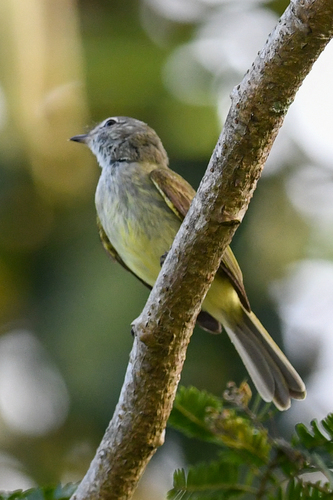
ミドリキクイタダキモドキ (Myiopagis viridicata) ミドリキクイタダキモドキ
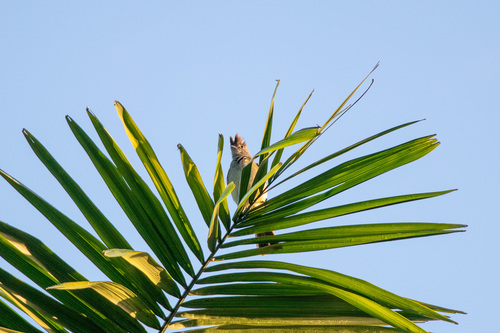
キバラシラギクタイランチョウ (Elaenia flavogaster) キバラシラギクタイランチョウ

メディア

読み込み中…

要点

キバラシラギクタイランチョウはミドリキクイタダキモドキよりも明らかに大きく、ずんぐりとした体形で、よりふさふさした冠羽と頑丈な外観を持っています。最も良いフィールドマークはサイズと構造です:キバラシラギクタイランチョウはずっと重く、長く、目立つことが多い冠羽を持ち、ミドリキクイタダキモドキはスリムで小さな頭をしています。両者はオリーブ色の上面と黄色がかった下面を持っていますが、ミドリキクイタダキモドキは上面がより緑がかっており、明るい黄色の冠ストライプ(通常は隠れている)があります。一方、キバラシラギクタイランチョウは茶色がかったオリーブ色のトーンと白い冠ストライプを示します。翼と尾の模様は似ており、フィールドでは強く診断的ではありません。両種は広範囲にわたって生息域と生息地が重なっているため、サイズ、構造、微妙な羽毛の詳細に注意を払うことが重要です。

識別のコツ

  1. Size and bulk: キバラシラギクタイランチョウはずっと大きく、重い(21–29 g 対 11–13 g)で、長さも(15–17 cm 対 13–14 cm)です。もし鳥が明らかにずんぐりしているか頑丈に見えるなら、キバラシラギクタイランチョウを選びます。
  2. Head shape and crest: キバラシラギクタイランチョウはふさふさした目立つ冠羽を持ち、しばしば持ち上がっていて、大きな頭の印象を与えます。ミドリキクイタダキモドキは小さく、あまり目立たない冠羽を持ち、より細長い頭のプロファイルをしています。
  3. Crown stripe: ミドリキクイタダキモドキは部分的に隠れた明るい黄色の冠ストライプ(特にオスで)を示しますが、キバラシラギクタイランチョウは冠羽に隠れた白い冠ストライプを持っています。もし冠ストライプが見えていて黄色なら、それはミドリキクイタダキモドキです;白なら、それはキバラシラギクタイランチョウです。
  4. Face pattern: ミドリキクイタダキモドキでは暗いロラルストリークとより対照的な白灰色のスーパーシリウムを探してください。キバラシラギクタイランチョウは強いロラルストリークがなく、より淡い、対照的でない顔を持っています。
  5. Upperparts color: ミドリキクイタダキモドキは上面がより緑がかったオリーブ色で、時々微かな灰色の冠の色合いがあります;キバラシラギクタイランチョウは茶色がかったオリーブ色で、時々亜種によっては鈍いまたは灰色に見えることがあります。
  6. Underparts: 両者は淡い黄色の腹部を持っていますが、キバラシラギクタイランチョウの腹部はより淡いか、いくつかの形態では白っぽくなることがありますが、ミドリキクイタダキモドキはより一貫して淡い黄色です。
  7. Wingbars and edging: 両者は2本の淡い翼帯と黄色がかったまたは黄色がかった白のエッジを持つ飛行羽を示しますが、これは強い区別にはなりません。
  8. Tail: 両者は背中よりもわずかに暗い尾を持っています;信頼できるフィールドマークではありません。
  9. Bill and legs: 両者は暗いくちばしを持ち、下顎の基部は淡い色で、暗い脚を持っています;強い区別にはなりません。
  10. Behavior: キバラシラギクタイランチョウはより直立に止まり、冠羽を持ち上げ、目立って目立つことが多いです。ミドリキクイタダキモドキはスリムで、より控えめで、冠羽を持ち上げることは少ないです。
  11. Habitat: 両者は似たような生息地に生息していますが、キバラシラギクタイランチョウは開けた人間が改変した地域に対してより耐性があります。郊外の公園や庭で見られた場合、キバラシラギクタイランチョウの可能性が高いですが、独占的ではありません。
  12. Sexes and ages: 両性は両種で似ています。オスのミドリキクイタダキモドキの冠ストライプはより広範囲ですが、通常は隠れています。
  13. Juvenile/immature plumage: どちらの種にも特定の年齢に特有の翼や飛行パターンは記載されていません;構造と全体の色に焦点を当ててください。
  14. Voice: 提供されたメモには含まれていません;ここでの分離のために声に頼らないでください。
  15. Pitfalls: 両者は悪い光や距離で似て見えることがあります。最良の結果を得るためにサイズ、頭/冠の形、微妙な顔/冠の模様に焦点を当ててください。

大きさ

キバラシラギクタイランチョウは明らかに大きい:長さ15–17 cm、質量21–29 gで、ミドリキクイタダキモドキの13–14 cmと11–13 gと比較されます。フィールドでは、これはキバラシラギクタイランチョウにとってずんぐりとした、より頑丈な鳥であり、大きな頭と重い体を持つことを意味します。ミドリキクイタダキモドキは明確に小さく、スリムで、全体的により繊細です。この違いは、両種が同じ地域で見られるときにはしばしば明らかですが、片方だけが存在する場合には微妙であることがあります。

羽色

行動

キバラシラギクタイランチョウはしばしばより目立ち、活発に見え、頻繁にふさふさした冠羽を持ち上げ、より直立に止まることで、大きな頭でより警戒した印象を与えます。ミドリキクイタダキモドキはよりスリムで、冠を持ち上げる可能性が低く、しばしばより控えめで頑丈さが少ないように見えます。両種は似たような方法で餌を探し、昆虫を捕まえたり、時々翼や尾をひらひらさせたりしますが、キバラシラギクタイランチョウの大きなサイズと大胆な冠の動きは役立つ行動の手がかりです。

生息環境

両種は非常に広い範囲を持ち、メキシコ、中米、南アメリカのほとんど(チリを除く)で似たような生息地に見られます。両者は開けたまたは半開けの森林、森林の縁、二次成長を好み、密な内部森林は避けます。キバラシラギクタイランチョウは特に人間が改変した生息地に対して耐性があり、郊外の公園や庭を含み、軽く木が生えたまたは茂みの多い地域でより広範囲に見られます。ミドリキクイタダキモドキも広範囲に分布していますが、改変された風景ではやや少ないかもしれません。生息地だけでは、両者が生息する場所では通常診断的ではありません。

より良い説明を送る

比較と同じ項目を使ってください。文章はすぐに公開されます。

Yellow-bellied Elaenia is noticeably larger and bulkier than Greenish Elaenia, with a bushier crest and a more robust appearance. The best field mark is the size and structure: Yellow-bellied is much heavier and longer, with a prominent, often raised crest, while Greenish is slimmer and smaller-headed. Both have olive upperparts and yellowish underparts, but Greenish Elaenia is more greenish above and has a brighter yellow crown stripe (usually hidden), whereas Yellow-bellied shows browner-olive tones and a white crown stripe. Wing and tail patterns are similar and not strongly diagnostic in the field. Both species overlap widely in range and habitat, so careful attention to size, structure, and subtle plumage details is essential.

  1. Size and bulk: Yellow-bellied Elaenia is much larger and heavier (21–29 g vs. 11–13 g) and longer (15–17 cm vs. 13–14 cm). If the bird looks notably chunky or robust, favor Yellow-bellied.
  2. Head shape and crest: Yellow-bellied has a bushy, prominent crest that is often raised, giving a large-headed look. Greenish has a smaller, less obvious crest and a more slender head profile.
  3. Crown stripe: Greenish shows a partially concealed bright yellow crown stripe (especially in males), while Yellow-bellied has a white crown stripe hidden in the crest. If the crown stripe is visible and yellow, it's Greenish; if white, it's Yellow-bellied.
  4. Face pattern: Look for a dark loral streak and a more contrasting whitish gray supercilium in Greenish. Yellow-bellied lacks the strong loral streak and has a paler, less contrasting face.
  5. Upperparts color: Greenish is more greenish-olive above, sometimes with a faint grayish crown tinge; Yellow-bellied is browner-olive, sometimes appearing duller or grayer depending on subspecies.
  6. Underparts: Both have pale yellow bellies, but Yellow-bellied's can be paler or even whitish in some forms, while Greenish is more consistently pale yellow.
  7. Wingbars and edging: Both show two pale wingbars and yellowish or yellowish-white edging to the flight feathers, but this is not a strong separator.
  8. Tail: Both have dusky tails slightly darker than the back; not a reliable field mark.
  9. Bill and legs: Both have dark bills with a paler base to the mandible and dark legs; not a strong separator.
  10. Behavior: Yellow-bellied is more likely to perch upright, raise its crest, and appear bold and conspicuous. Greenish is slimmer, more retiring, and less likely to show a raised crest.
  11. Habitat: Both occur in similar habitats, but Yellow-bellied is more tolerant of open and human-modified areas. If seen in a suburban park or garden, Yellow-bellied is more likely, but not exclusive.
  12. Sexes and ages: Both sexes are similar in both species. The yellow crown stripe of Greenish is more extensive in males but is usually hidden.
  13. Juvenile/immature plumage: No distinctive age-specific wing or flight patterns are described for either species; focus on structure and overall color.
  14. Voice: Not covered in the provided notes; do not rely on vocalizations for separation here.
  15. Pitfalls: Both can appear similar in poor light or at a distance. Focus on size, head/crest shape, and subtle face/crown pattern for best results.

Yellow-bellied Elaenia is significantly larger: 15–17 cm in length and 21–29 g in mass, compared to Greenish Elaenia's 13–14 cm and 11–13 g. In the field, this translates to a bulkier, more robust bird with a larger head and heavier body for Yellow-bellied. Greenish Elaenia is distinctly smaller, slimmer, and more delicate overall. The difference is often apparent when both species are seen in the same area, but can be subtle if only one is present.

  • Adults of both species: Both have olive upperparts and yellowish underparts, but Greenish Elaenia is more greenish-olive above, with a faint grayish tinge to the crown and a partially concealed bright yellow crown stripe (more extensive in males). Yellow-bellied Elaenia is browner-olive above, with a bushy crest and a partially concealed white crown stripe. Both have pale throats and yellowish bellies, but Yellow-bellied's belly is often paler and can be whitish in some subspecies, while Greenish's is more consistently pale yellow.
  • Face pattern: Greenish shows a dark loral streak, whitish gray supercilium, partial white eyering, and grizzled whitish ear coverts. Yellow-bellied has whitish lores, a faint whitish eyering, and a paler brownish olive face, lacking the strong loral streak of Greenish.
  • Wings: Both have dusky wings with yellowish or yellowish-white edging and two wingbars, but these are not strongly different in the field. No distinctive juvenile/immature upperwing patterns are described for either species.
  • Tail: Both have dusky tails slightly darker than the back; not a strong field mark.
  • Sexes and ages: Both sexes look alike in both species. No strong age-specific field marks are described beyond the crown stripe being larger in male Greenish Elaenia.

Yellow-bellied Elaenia often appears more conspicuous and active, frequently raising its bushy crest and perching more upright, giving a larger-headed, more alert impression. Greenish Elaenia is more slender and less likely to raise its crown, often appearing more retiring and less robust. Both species forage in similar ways, sallying for insects and sometimes flicking wings or tails, but Yellow-bellied's larger size and bolder crest movements are helpful behavioral cues.

Both species have very broad ranges and can be found in similar habitats across Mexico, Central America, and most of South America (excluding Chile). Both favor open or semi-open woodlands, forest edges, and secondary growth, and both avoid dense interior forest. Yellow-bellied Elaenia is especially tolerant of human-altered habitats, including suburban parks and gardens, and is often found in a wider range of lightly wooded or brushy areas. Greenish Elaenia is also widespread but may be somewhat less common in heavily altered landscapes. Habitat alone is not usually diagnostic where both occur.

変更を破棄しますか?

保存していない編集があります。今離れると失われます。

ミドリキクイタダキモドキ · キバラシラギクタイランチョウ · 苦手な鳥