

Fiofío Verdoso vs Fiofío Ventriamarillo
Myiopagis viridicata frente a Elaenia flavogaster
Juega un quiz con Fiofío Verdoso y Fiofío Ventriamarillo
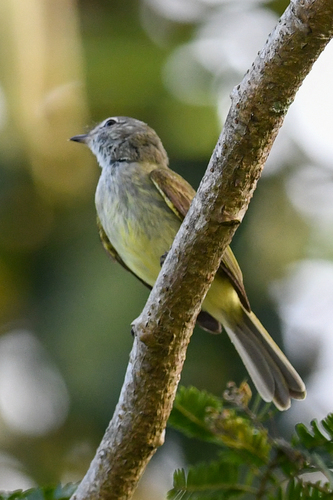 Fiofío Verdoso
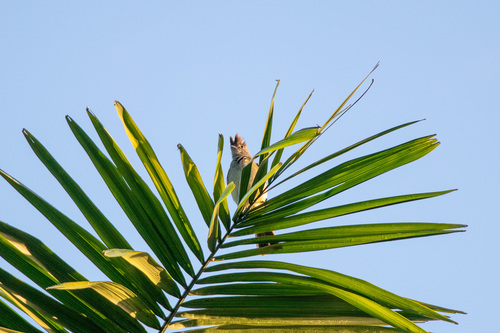 Fiofío Ventriamarillo
En breve
El Fiofío Ventriamarillo es notablemente más grande y robusto que el Fiofío Verdoso, con una cresta más frondosa y una apariencia más robusta. La mejor marca de campo es el tamaño y la estructura: el Ventriamarillo es mucho más pesado y largo, con una cresta prominente, a menudo levantada, mientras que el Verdoso es más delgado y con una cabeza más pequeña. Ambos tienen partes superiores olivas y partes inferiores amarillentas, pero el Fiofío Verdoso es más verdoso por encima y tiene una franja de corona amarilla más brillante (generalmente oculta), mientras que el Ventriamarillo muestra tonos oliva más marrones y una franja de corona blanca. Los patrones de alas y cola son similares y no son fuertemente diagnósticos en el campo. Ambas especies se superponen ampliamente en rango y hábitat, por lo que es esencial prestar atención al tamaño, la estructura y los sutiles detalles del plumaje.
Consejos de identificación
- Tamaño y robustez: El Fiofío Ventriamarillo es mucho más grande y pesado (21–29 g vs. 11–13 g) y más largo (15–17 cm vs. 13–14 cm). Si el pájaro parece notablemente robusto, favorezca al Ventriamarillo.
- Forma de la cabeza y cresta: El Ventriamarillo tiene una cresta frondosa y prominente que a menudo está levantada, dando una apariencia de cabeza grande. El Verdoso tiene una cresta más pequeña y menos obvia y un perfil de cabeza más delgado.
- Franja de corona: El Verdoso muestra una franja de corona amarilla brillante parcialmente oculta (especialmente en machos), mientras que el Ventriamarillo tiene una franja de corona blanca oculta en la cresta. Si la franja de corona es visible y amarilla, es Verdoso; si es blanca, es Ventriamarillo.
- Patrón facial: Busque una raya loral oscura y un supercilio gris blanquecino más contrastante en el Verdoso. El Ventriamarillo carece de la fuerte raya loral y tiene una cara más pálida y menos contrastante.
- Color de las partes superiores: El Verdoso es más verde-oliva por encima, a veces con un leve tinte grisáceo en la corona; el Ventriamarillo es marrón-oliva, a veces apareciendo más apagado o grisáceo dependiendo de la subespecie.
- Partes inferiores: Ambos tienen vientres amarillos pálidos, pero el del Ventriamarillo puede ser más pálido o incluso blanquecino en algunas formas, mientras que el Verdoso es más consistentemente amarillo pálido.
- Barras alares y bordes: Ambos muestran dos barras alares pálidas y bordes amarillentos o amarillento-blanquecinos en las plumas de vuelo, pero esto no es un fuerte separador.
- Cola: Ambos tienen colas oscuras ligeramente más oscuras que la espalda; no es una marca de campo confiable.
- Pico y patas: Ambos tienen picos oscuros con una base más clara en la mandíbula y patas oscuras; no es un fuerte separador.
- Comportamiento: El Ventriamarillo es más propenso a posarse erguido, levantar su cresta y parecer audaz y conspicuo. El Verdoso es más delgado, más reservado y menos propenso a mostrar una cresta levantada.
- Hábitat: Ambas ocurren en hábitats similares, pero el Ventriamarillo es más tolerante a áreas abiertas y modificadas por humanos. Si se ve en un parque suburbano o jardín, es más probable que sea Ventriamarillo, pero no exclusivo.
- Sexos y edades: Ambos sexos son similares en ambas especies. La franja de corona amarilla del Verdoso es más extensa en machos, pero generalmente está oculta.
- Plumaje juvenil/inmaduro: No se describen patrones de alas o vuelo específicos de edad distintivos para ninguna de las especies; enfóquese en la estructura y el color general.
- Voz: No se cubre en las notas proporcionadas; no confíe en vocalizaciones para la separación aquí.
- Trampas: Ambos pueden parecer similares en luz pobre o a distancia. Enfóquese en el tamaño, la forma de la cabeza/cresta y el sutil patrón facial/corona para obtener los mejores resultados.
Tamaño
El Fiofío Ventriamarillo es significativamente más grande: 15–17 cm de longitud y 21–29 g de masa, en comparación con el Fiofío Verdoso de 13–14 cm y 11–13 g. En el campo, esto se traduce en un pájaro más robusto y voluminoso con una cabeza más grande y un cuerpo más pesado para el Ventriamarillo. El Fiofío Verdoso es claramente más pequeño, más delgado y más delicado en general. La diferencia a menudo es evidente cuando ambas especies se ven en la misma área, pero puede ser sutil si solo una está presente.
Plumaje
- Adultos de ambas especies: Ambos tienen partes superiores olivas y partes inferiores amarillentas, pero el Fiofío Verdoso es más verde-oliva por encima, con un leve tinte grisáceo en la corona y una franja de corona amarilla brillante parcialmente oculta (más extensa en machos). El Fiofío Ventriamarillo es marrón-oliva por encima, con una cresta frondosa y una franja de corona blanca parcialmente oculta. Ambos tienen gargantas pálidas y vientres amarillentos, pero el vientre del Ventriamarillo es a menudo más pálido y puede ser blanquecino en algunas subespecies, mientras que el del Verdoso es más consistentemente amarillo pálido.
- Patrón facial: El Verdoso muestra una raya loral oscura, supercilio gris blanquecino, anillo ocular blanco parcial y cobertoras de oído blanquecinas. El Ventriamarillo tiene lóbulos blanquecinos, un leve anillo ocular blanquecino y una cara marrón-oliva más pálida, careciendo de la fuerte raya loral del Verdoso.
- Alas: Ambos tienen alas oscuras con bordes amarillentos o amarillento-blanquecinos y dos barras alares, pero estas no son fuertemente diferentes en el campo. No se describen patrones de alas superiores juveniles/inmaduros distintivos para ninguna de las especies.
- Cola: Ambos tienen colas oscuras ligeramente más oscuras que la espalda; no es una marca de campo fuerte.
- Sexos y edades: Ambos sexos se parecen en ambas especies. No se describen marcas de campo específicas de edad fuertes más allá de que la franja de corona es más grande en el macho del Fiofío Verdoso.
Comportamiento
El Fiofío Ventriamarillo a menudo parece más conspicuo y activo, levantando frecuentemente su cresta frondosa y posándose más erguido, dando una impresión de cabeza más grande y más alerta. El Fiofío Verdoso es más delgado y menos propenso a levantar su corona, a menudo apareciendo más reservado y menos robusto. Ambas especies forrajean de maneras similares, lanzándose por insectos y a veces moviendo alas o colas, pero el mayor tamaño del Ventriamarillo y los movimientos de cresta más audaces son pistas de comportamiento útiles.
Hábitat
Ambas especies tienen rangos muy amplios y se pueden encontrar en hábitats similares en México, América Central y la mayor parte de América del Sur (excluyendo Chile). Ambas prefieren bosques abiertos o semiabiertos, bordes de bosques y crecimiento secundario, y ambas evitan el denso bosque interior. El Fiofío Ventriamarillo es especialmente tolerante a hábitats alterados por humanos, incluidos parques y jardines suburbanos, y a menudo se encuentra en una gama más amplia de áreas ligeramente boscosas o arbustivas. El Fiofío Verdoso también es ampliamente distribuido, pero puede ser algo menos común en paisajes muy alterados. El hábitat por sí solo no suele ser diagnóstico donde ambas ocurren.