

Motmot

ウチワハチドリ 対 アメリカグンカンドリ

Eulampis holosericeus 対 Fregata magnificens

ウチワハチドリとアメリカグンカンドリのクイズ
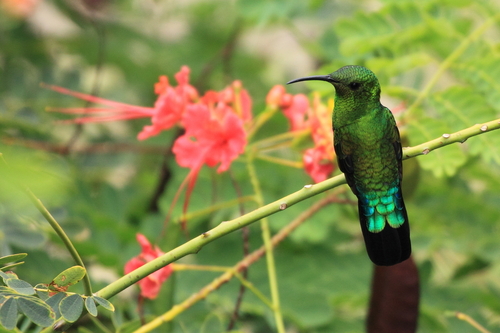
ウチワハチドリ (Eulampis holosericeus) ウチワハチドリ
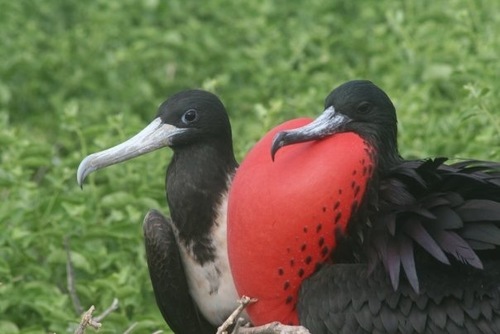
アメリカグンカンドリ (Fregata magnificens) アメリカグンカンドリ

メディア

読み込み中…

要点

ウチワハチドリとアメリカグンカンドリを区別する最も信頼できるフィールドマークは、サイズと構造の違いです。アメリカグンカンドリは巨大で長い翼を持つ海鳥で、深く分かれた尾を持っていますが、ウチワハチドリは小さくてコンパクトなハチドリです。翼幅が2メートルを超える高さで飛んでいる鳥を見たら、それはアメリカグンカンドリです。花の上でホバリングしているか、短いくちばしで止まっているなら、それはウチワハチドリです。幼鳥のアメリカグンカンドリは白い頭と腹部を持ち、一見混乱を招くことがありますが、長い翼と分かれた尾は明確です。どんな文脈でも、ウチワハチドリの明るい緑のゴルゲットと小さくホバリングする飛行は、アメリカグンカンドリには決して匹敵しません。

識別のコツ

  1. サイズは最も早いチェック: 鳥が巨大に見え、翼幅が2メートルを超えているなら、それはアメリカグンカンドリです。小さくてハチドリのようなら、それはウチワハチドリです。
  2. 翼と尾の形: アメリカグンカンドリは非常に長く狭い翼と深く分かれた尾を持ち、すべての年齢と性別で見ることができます。ウチワハチドリは短く丸い翼と四角い尾を持っています。
  3. 幼鳥の羽毛: 幼いアメリカグンカンドリは白い頭と白い腹部を持ち、ダイヤモンド型の腹部の斑点がありますが、ウチワハチドリはこれを示しません。白い頭と白い腹部を持ち、長い翼を持つ鳥を見たら、それは幼鳥のアメリカグンカンドリです。
  4. 成鳥のオスの羽毛: オスのウチワハチドリは明るい緑のゴルゲットと背中、黒い腹部、暗い青の尾を持っています。オスのアメリカグンカンドリはすべて黒で、赤い喉の袋(繁殖期に膨らむ)を持ち、決して緑ではありません。
  5. 成鳥のメスの羽毛: メスのウチワハチドリはオスに似ていますが、色が鈍く、下に白がありません。メスのアメリカグンカンドリは黒で、白い胸と下の首、茶色の翼の帯、青い目の輪を持ち、ウチワハチドリには見られません。
  6. 飛行スタイル: アメリカグンカンドリは数時間にわたって滑空し、ほとんど羽ばたかず、決してホバリングしません。ウチワハチドリは花の上でホバリングし、素早く急降下する飛行をします。
  7. くちばしの形: ウチワハチドリは短から中程度の、わずかに下向きのくちばしを持っています(メスはより長く、より曲がっています)。アメリカグンカンドリは長く、フック状のくちばしを持ち、遠くからでも見えます。
  8. 文脈と生息地: アメリカグンカンドリは開けた海の上や沿岸で見られます。ウチワハチドリは内陸、庭や森林の端に見られます。
  9. 鳴き声: ウチワハチドリだけがフィールドで鋭い鳴き声を出します。アメリカグンカンドリは巣の近くでしか音を出しません。
  10. 飛行中の尾: アメリカグンカンドリの尾は常に長く深く分かれており、尖って見えるように閉じられることが多いです。ウチワハチドリの尾は短く四角で、決して分かれていません。
  11. 性差: 両種は性差を示しますが、アメリカグンカンドリのメスだけが白い胸と青い目の輪を持ち、オスのアメリカグンカンドリだけが赤い喉の袋を持っています。
  12. 採餌行動: ウチワハチドリは花で餌を取り、時には昆虫を捕まえます。アメリカグンカンドリは海面から魚を奪ったり、他の海鳥を襲ったりします。
  13. 止まっている姿勢: ウチワハチドリは小枝やワイヤーの上に直立して止まります。アメリカグンカンドリはコロニーや休息所でしか止まらず、地上では不格好に見えます。
  14. 上翼の模様: ウチワハチドリはメスのアメリカグンカンドリの茶色の翼の帯や幼鳥の白い腹部を示しません。
  15. 豊富さと範囲: カリブ海では、両者は地元で一般的ですが、ウチワハチドリだけが内陸や庭に見られ、アメリカグンカンドリは常に海に関連しています。

大きさ

ウチワハチドリは小さなハチドリで、長さは約10.5〜12 cm、重さはわずか6.2グラムです [wikidata]。アメリカグンカンドリは比較すると巨大で、長さは89〜114 cm、翼幅は2.17〜2.44メートル、重さは1.1〜1.59 kgです [wikipedia]。遠くからでも、アメリカグンカンドリのサイズと長く角ばった翼は明らかですが、ウチワハチドリは常に小さくてコンパクトです。

羽色

幼鳥のアメリカグンカンドリは主に白い腹部を持ち、白い頭と特徴的なダイヤモンド型の腹部の斑点がありますが、成鳥はすべて黒(オス)または黒で白い胸と下の首を持っています(メス)。ウチワハチドリのどの年齢も頭や腹部に広範な白を示しません。両性の成鳥のウチワハチドリは明るい緑の背中とゴルゲット、黒い腹部、暗い青(しばしば黒に見える)尾を持っています。メスのウチワハチドリは上がやや鈍く、より長く曲がったくちばしを持っていますが、下に白を示すことはありません。オスのアメリカグンカンドリの赤い喉の袋は繁殖期にユニークです。飛行中、アメリカグンカンドリの長く狭い翼と深く分かれた尾は、ウチワハチドリの短く丸い翼と四角い尾と対照的です。ウチワハチドリのどの年齢や性別も、メスのアメリカグンカンドリに見られる茶色の翼の帯や青い目の輪を持っていません。

行動

ウチワハチドリはホバリングする蜜を吸う鳥で、花の間を素早く飛び回ったり、静かに止まっているのがよく見られます。アメリカグンカンドリはほとんど常に海の上で高く滑空したり、滑ったりしているのが見られ、ほとんど羽ばたかず、花の上でホバリングすることはありません。アメリカグンカンドリは数日間空中に留まり、熱気を利用して上昇し、その後長距離を滑空します。ウチワハチドリは敏捷で素早いですが、長時間滑空したり、上昇したりすることはありません。

生息環境

ウチワハチドリはプエルトリコと小アンティル諸島の陸上生息地—庭、二次成長、森林の端—に見られます [wikipedia]。アメリカグンカンドリは海鳥で、熱帯および亜熱帯の海の上で見られ、繁殖コロニーや沿岸の休息所の近くを除いて、内陸に来ることはほとんどありません。鳥が開けた水の上や陸から遠くにいる場合、それはアメリカグンカンドリです。庭や森林にいる場合、それはウチワハチドリです。

声

ウチワハチドリは鋭い「チュプ!」または「チュウプ!」という鳴き声を出し、時には争いの際に羽を鳴らしたり、回したりします [wikipedia]。アメリカグンカンドリは飛行中は静かで、巣の近くでのみ音を出します。鳴き声を聞いたら、それはおそらくウチワハチドリです。

より良い説明を送る

比較と同じ項目を使ってください。文章はすぐに公開されます。

The most reliable field mark to separate Green-throated Carib from Magnificent Frigatebird is sheer size and structure: the frigatebird is a massive, long-winged seabird with a deeply forked tail, while the carib is a small, compact hummingbird. If you see a bird soaring high with a wingspan over 2 meters, it's a frigatebird; if it's hovering at flowers or perched with a short bill, it's the carib. Juvenile frigatebirds have a white head and underparts, which could confuse at a glance, but their long wings and forked tail are unmistakable. In any context, the carib's bright green gorget and small, hovering flight are never matched by the frigatebird.

  1. Size is the fastest check: If the bird looks huge, with a wingspan over 2 meters, it's a Magnificent Frigatebird. If it's tiny and hummingbird-like, it's a Green-throated Carib.
  2. Wing and tail shape: Frigatebirds have extremely long, narrow wings and a deeply forked tail, visible in all ages and sexes. Caribs have short, rounded wings and a squared tail.
  3. Juvenile plumage: Young frigatebirds are white-headed and white-bellied with a diamond-shaped belly patch—no carib ever shows this. If you see a white-headed, white-bellied bird with long wings, it's a juvenile frigatebird.
  4. Adult male plumage: Male caribs have a bright green gorget and back, black belly, and dark blue tail. Male frigatebirds are all-black with a red throat pouch (inflated in breeding season), never green.
  5. Adult female plumage: Female caribs are similar to males but duller, with no white below. Female frigatebirds are black with a white breast and lower neck, a brown wing band, and a blue eye-ring—none of which are seen on caribs.
  6. Flight style: Frigatebirds soar and glide for hours, rarely flapping, and never hover. Caribs hover at flowers and make quick, darting flights.
  7. Bill shape: Caribs have a short to medium, slightly decurved bill (female's is longer and more curved). Frigatebirds have a long, hooked bill, visible even at a distance.
  8. Context and habitat: Frigatebirds are seen over open ocean or along coasts; caribs are found inland, in gardens or forest edges.
  9. Vocalizations: Only the carib gives sharp calls in the field; frigatebirds are silent except at the nest.
  10. Tail in flight: The frigatebird's tail is always long and deeply forked, often held closed to appear pointed; the carib's tail is short and squared, never forked.
  11. Sexual dimorphism: Both species show sex differences, but only frigatebird females have a white breast and blue eye-ring, and only male frigatebirds have a red gular sac.
  12. Feeding behavior: Caribs feed at flowers and sometimes catch insects; frigatebirds snatch fish from the ocean surface or harass other seabirds.
  13. Perched posture: Caribs perch upright on twigs or wires; frigatebirds rarely perch except at colonies or roosts, and look awkward on land.
  14. Upperwing pattern: No carib shows the brown wing band of female frigatebird or the juvenile's white underparts.
  15. Abundance and range: In the Caribbean, both can be locally common, but only the carib is found inland and in gardens; frigatebirds are always associated with the sea.

Green-throated Carib is a tiny hummingbird, about 10.5–12 cm long and weighing only 6.2 grams [wikidata]. Magnificent Frigatebird is enormous by comparison: 89–114 cm long, with a wingspan of 2.17–2.44 meters, and weighs 1.1–1.59 kg [wikipedia]. Even at a great distance, the frigatebird's size and long, angular wings are obvious, while the carib is always tiny and compact.

Juvenile Magnificent Frigatebirds are mostly white below with a white head and a distinctive diamond-shaped belly patch, while adults are all-black (males) or black with a white breast and lower neck (females). No age of Green-throated Carib ever shows extensive white on the head or underparts. Adult caribs of both sexes have a bright green back and gorget, black belly, and a dark blue (often appearing black) tail. Female caribs are slightly duller above and have a longer, more curved bill, but still never show white below. The male frigatebird's red gular sac is unique during breeding. In flight, the frigatebird's long, narrow wings and deeply forked tail contrast with the carib's short, rounded wings and squared tail. No age or sex of carib has the brown wing band or blue eye-ring seen in female frigatebirds.

Green-throated Carib is a hovering nectar feeder, often seen darting between flowers or perching quietly. Magnificent Frigatebird is almost always seen soaring or gliding high above the ocean, rarely flapping, and never hovers at flowers. Frigatebirds can spend days on the wing, using thermals to climb and then gliding for long distances. Caribs are agile and quick, but never soar or glide for long periods.

Green-throated Carib is found in terrestrial habitats—gardens, second growth, and forest edges—on Puerto Rico and the Lesser Antilles [wikipedia]. Magnificent Frigatebird is a seabird, seen over tropical and subtropical oceans, rarely coming inland except near breeding colonies or coastal roosts. If the bird is over open water or far from land, it's a frigatebird; if it's in a garden or forest, it's a carib.

Green-throated Carib gives a sharp 'chup!' or 'chuwp!' call, and sometimes rattles or whirs its wings during disputes [wikipedia]. Magnificent Frigatebird is silent in flight, only making rattling sounds at the nest. If you hear a call, it's likely the carib.

変更を破棄しますか?

保存していない編集があります。今離れると失われます。

ウチワハチドリ · アメリカグンカンドリ · 苦手な鳥