

Motmot

クサシギ 対 コシグロクサシギ

Tringa ochropus 対 Tringa solitaria

クサシギとコシグロクサシギのクイズ
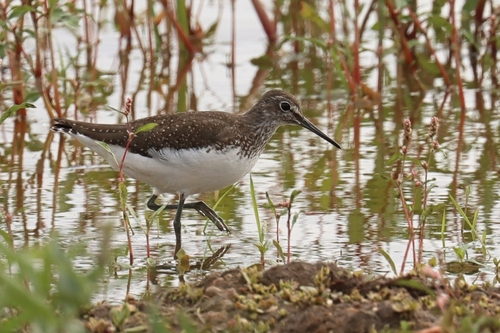
クサシギ (Tringa ochropus) クサシギ
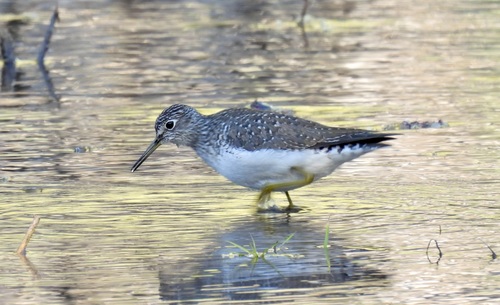
コシグロクサシギ (Tringa solitaria) コシグロクサシギ

メディア

読み込み中…

要点

クサシギとコシグロクサシギを区別する最も信頼できる方法は、飛行中の尾羽と尾のパターンによるものです:クサシギは鮮やかな白い尾羽を見せるのに対し、コシグロクサシギは暗い尾羽と尾の中心を示します。両種は小さく、ふっくらとした水辺の鳥で、暗い緑がかった背中、灰色がかった頭、白い腹部を持ち、年齢や季節によって変化する白い斑点があります。体の構造と止まっている姿は非常に似ているため、鳥が飛び立つときは尾羽の色に注目してください。サイズも手がかりです:クサシギは明らかに重く、わずかに大きいですが、これは現場では微妙です。鳴き声は似ているため、信頼できる区別にはなりません。

識別のコツ

  1. 飛行中の尾羽と尾のパターンは最も信頼できるフィールドマークです: クサシギは常に鮮やかな白い尾羽を示し、コシグロクサシギは暗い尾羽と尾の中心を持っています。年齢や季節に関係なく、鳥が飛び立つときや通り過ぎるときにこれを観察してください。
  2. 背中の斑点は変化しますが診断的ではありません: 両種は背中に白い斑点を持ち、繁殖期の成鳥で最も目立ち、冬や幼鳥では少なくなります。斑点の広がりに頼って区別しないでください。
  3. 腹部と胸のパターンは似ています: 両方とも灰色がかった頭と胸を持つ白い腹部を持っているため、これは区別にはなりません。
  4. 脚とくちばしの色: クサシギは暗い緑色の脚とくちばしを持っています;ここではコシグロクサシギの脚の色は指定されていないため、これを主要なマークとして使用しないでください。
  5. サイズと体格: クサシギは重く、わずかに大きく、より頑丈に見えますが、これは微妙であり、両種が一緒にいる場合でないと信頼できません。
  6. 飛行中の翼: 両種は上と下で暗い翼を示します;翼の色を区別に使用しないでください。
  7. 止まっている姿: 両方ともふっくらとした、ずんぐりした水辺の鳥で、姿勢と構造が似ています。止まっている鳥は尾羽を見ずに区別するのが非常に難しいです。
  8. 声: 両種は飛行中に三音の口笛を発します;鳴き声だけで区別しないでください。
  9. 生息地と行動: 両種は木に巣を作り、似たような採餌行動を共有します;生息地は区別にはなりません。
  10. 地理的文脈: クサシギは旧世界(ヨーロッパ/アジア)、コシグロクサシギは新世界(アメリカ大陸)です;重複する地域(稀な迷鳥)では、尾羽のパターンに頼ってください。
  11. 性別と年齢: 背中の斑点と尾羽のパターンを超えた性別特有または年齢特有のマークは記載されていません;尾羽の色はすべての年齢と両性に対して信頼できます。
  12. 疑わしい場合: 飛行中に尾羽が見えない場合、同定は非常に難しく、不確実なままにしておくべきです。
  13. 一般的な落とし穴: 背中の斑点、翼の色、または鳴き声に頼ってこれらの種を区別しないでください。飛行中の尾羽と尾のパターンだけが本当に診断的です。
  14. 要約のヒント: 常に鳥を追い立てるか、飛ぶのを待って尾羽の色を確認してください—これはこの2種の間で一貫して信頼できるフィールドマークです。

大きさ

クサシギはコシグロクサシギ(平均48.6 g)よりも明らかに重い(平均80 g)とされ、わずかに大きく、翼が広いと説明されています。しかし、両方とも小さく、ずんぐりした水辺の鳥であり、このサイズの違いは鳥が並んでいない限り微妙です。手に取ったり経験があれば、クサシギのより大きな体格が明らかになるかもしれませんが、構造的な比率はそれ以外は非常に似ています。

羽色

最も診断的な羽毛の違いは、年齢に関係なく飛行中に見られます:クサシギは常に鮮やかな白い尾羽を示し、コシグロクサシギは暗い尾羽と尾の中心を持っています。この対比はすべての年齢と季節に対して信頼できます。両種は暗い緑がかった茶色の背中と翼を持ち、小さな淡い斑点があり、繁殖期の成鳥で最も広範で、冬や若い鳥では少なくなります。腹部は白く、両種ともに灰色がかった頭と胸が対照的です。クサシギの脚とくちばしは暗い緑色です;これらのメモではコシグロクサシギの脚の色は指定されていません。背中の白い斑点は両方で変動するため、安全な区別にはなりません。両方とも飛行中に上と下で暗い翼を示します。尾羽と尾の対比を超えた年齢特有の上翼パターンの違いは記載されていません。

行動

両種はふっくらとした、ずんぐりした水辺の鳥と説明され、似たような採餌と移動スタイルを共有しています。両方とも、木に巣を作ることで shorebirds の中で注目されています。これらのメモには、フィールドで信頼できる区別をするための行動の違いは強調されていません。

生息環境

これらのメモには生息地の違いは記載されていません。両種は木に巣を作る shorebirds として言及されており、これはこのグループには珍しいですが、これは二つの間のフィールドでの区別マークではありません。

声

両種は飛行中に特徴的な三音の口笛を発します。音は、信頼できる区別を可能にする声の違いを記述していません。

より良い説明を送る

比較と同じ項目を使ってください。文章はすぐに公開されます。

The most reliable way to separate Green Sandpiper from Solitary Sandpiper is by their rump and tail pattern in flight: Green Sandpiper flashes a brilliant white rump, while Solitary Sandpiper shows a dark rump and tail center. Both species are small, plump waders with dark greenish backs, greyish heads, and white underparts, and both have white spotting on the back that varies with age and season. Structure and perched appearance are very similar, so focus on rump color when the bird takes flight. Size is also a clue: Green Sandpiper is noticeably heavier and slightly larger, but this is subtle in the field. Calls are similar, so are not a reliable separator.

  1. Rump and tail pattern in flight is the single most reliable field mark: Green Sandpiper always shows a brilliant white rump, while Solitary Sandpiper has a dark rump and tail center. Watch for this as the bird takes off or flies past, regardless of age or season.
  2. Back spotting varies but is not diagnostic: Both species have white spots on the back, most prominent in breeding adults and less in winter and juveniles. Do not rely on spotting extent to separate them.
  3. Underparts and breast pattern similar: Both have white underparts with a greyish head and breast, so this is not a separator.
  4. Leg and bill color: Green Sandpiper has dark green legs and bill; leg color is not specified for Solitary Sandpiper here, so do not use this as a primary mark.
  5. Size and bulk: Green Sandpiper is heavier and slightly larger, with a more robust look, but this is subtle and unreliable unless both species are together.
  6. Wings in flight: Both show dark wings above and below; do not use wing color as a separator.
  7. Perched appearance: Both are plump, dumpy waders with similar posture and structure. Perched birds are very difficult to separate without seeing the rump.
  8. Voice: Both give a three-note whistle in flight; do not use call alone to separate them.
  9. Habitat and behavior: Both nest in trees and share similar foraging behavior; habitat is not a separator.
  10. Geographic context: Green Sandpiper is Old World (Europe/Asia), Solitary Sandpiper is New World (Americas); in regions of overlap (rare vagrants), rely on rump pattern.
  11. Sex and age: No sex-specific or age-specific marks beyond back spotting and rump pattern are described; rump color is reliable for all ages and both sexes.
  12. When in doubt: If you cannot see the rump in flight, identification is very challenging and should be left as uncertain.
  13. Common pitfalls: Do not rely on back spotting, wing color, or call to separate these species. Only the rump and tail pattern in flight is truly diagnostic.
  14. Summary tip: Always try to flush the bird or wait for it to fly to check the rump color—this is the only consistently reliable field mark between these two species.

Green Sandpiper is distinctly heavier (average 80 g) than Solitary Sandpiper (average 48.6 g), and is described as slightly larger and broader-winged. However, both are small, dumpy waders, and this size difference is subtle unless birds are side by side. In hand or with experience, Green Sandpiper's greater bulk may be apparent, but structural proportions are otherwise very similar.

The most diagnostic plumage difference is seen in flight, regardless of age: Green Sandpiper always shows a brilliant white rump, while Solitary Sandpiper has a dark rump and tail center. This contrast is reliable for all ages and seasons. Both species have dark greenish-brown backs and wings with small pale spots, most extensive in breeding adults and less so in winter or young birds. Underparts are white with a contrasting greyish head and breast in both species. Legs and bill are dark green in Green Sandpiper; leg color is not specified for Solitary Sandpiper in these notes. The white spotting on the back is variable in both, so is not a safe separator. Both show dark wings above and below in flight. No age-specific upperwing pattern differences are described beyond the rump and tail contrast.

Both species are described as plump, dumpy waders and share similar foraging and movement styles. Both are notable among shorebirds for nesting in trees. No behavioral differences are highlighted in these notes that would reliably separate them in the field.

No habitat differences are described in these notes. Both species are mentioned as tree-nesting shorebirds, which is unusual for the group, but this is not a field separation mark between the two.

Both species give a characteristic three-note whistle in flight. The notes do not describe any differences in voice that would allow reliable separation.

変更を破棄しますか?

保存していない編集があります。今離れると失われます。

クサシギ · コシグロクサシギ · 苦手な鳥